






Phone:
0086 28 87573647
+86 19150187139

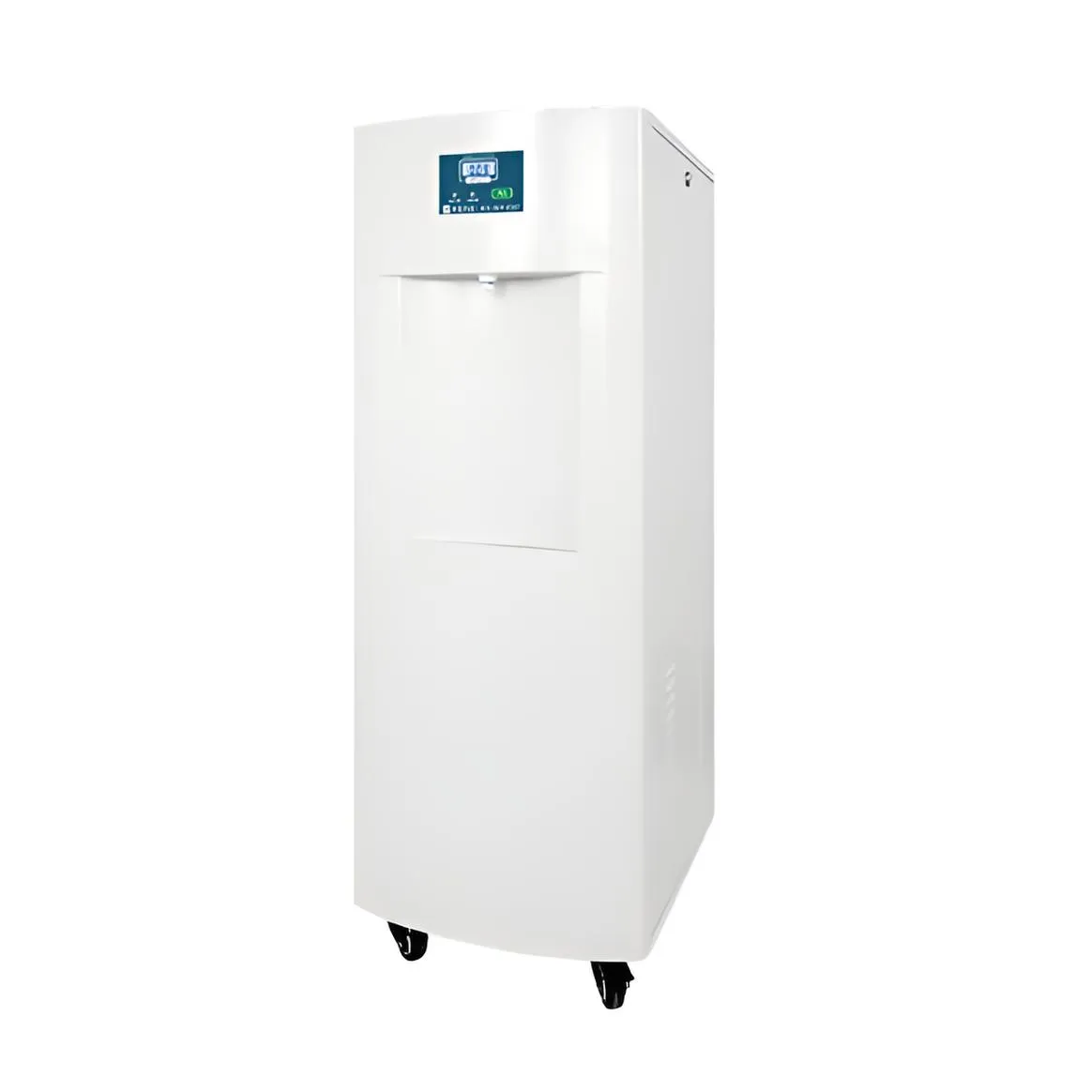
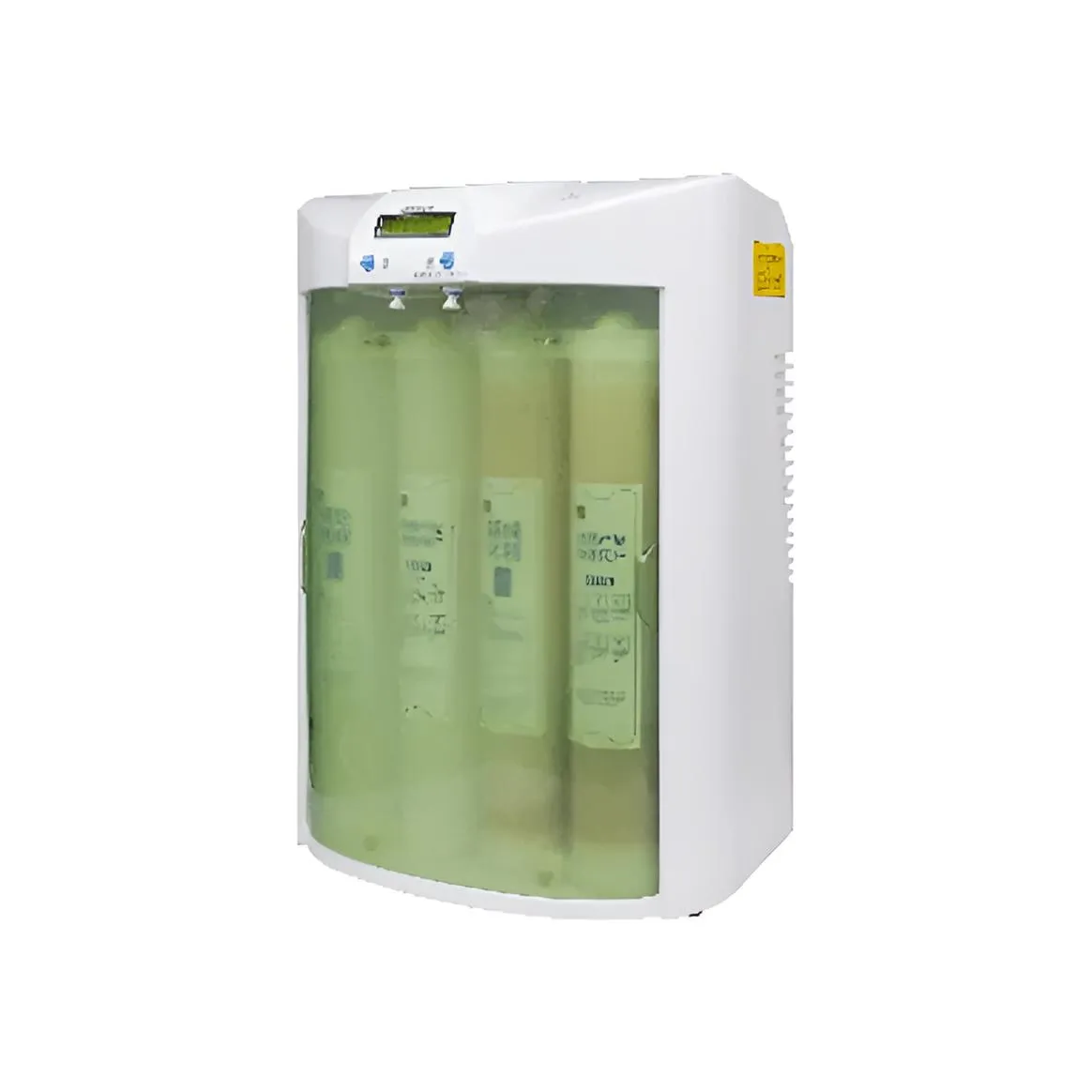
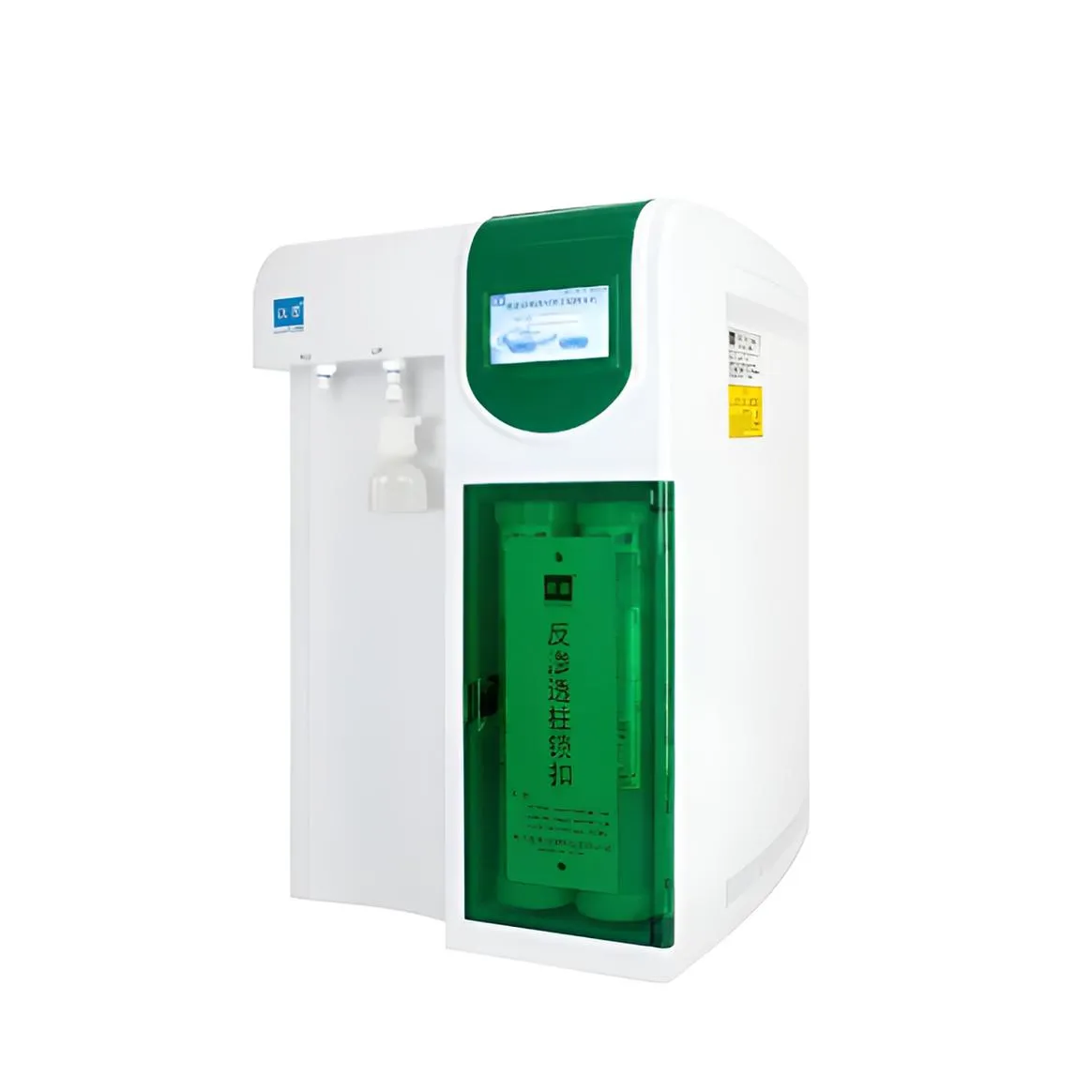
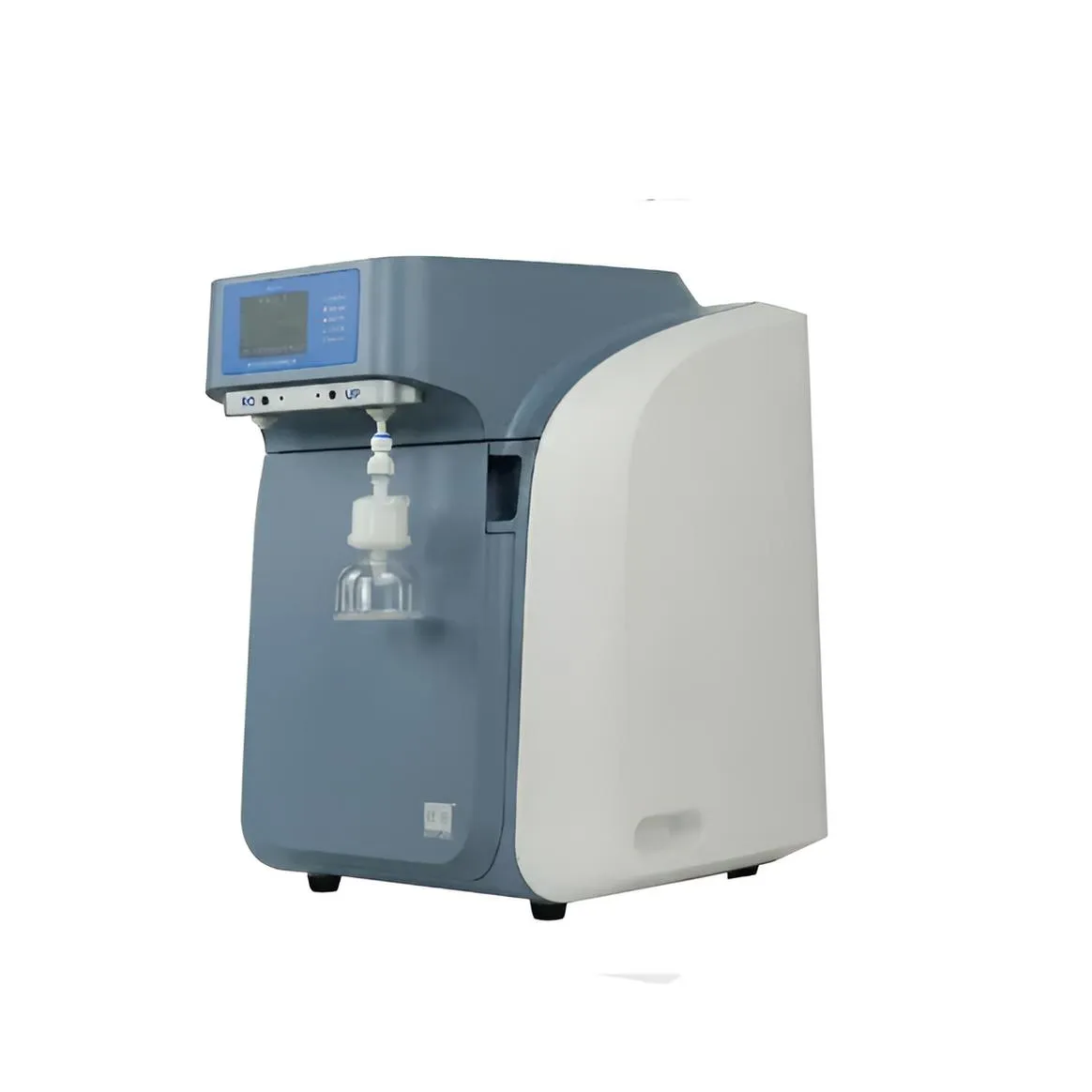
The market for ultrapure water system equipment is flooded with suppliers of varying quality, making it difficult for customers to distinguish between them. UPU engineers provide a detailed explanation of the composition and process flow of a hospital/pharmaceutical ultrapure water system.
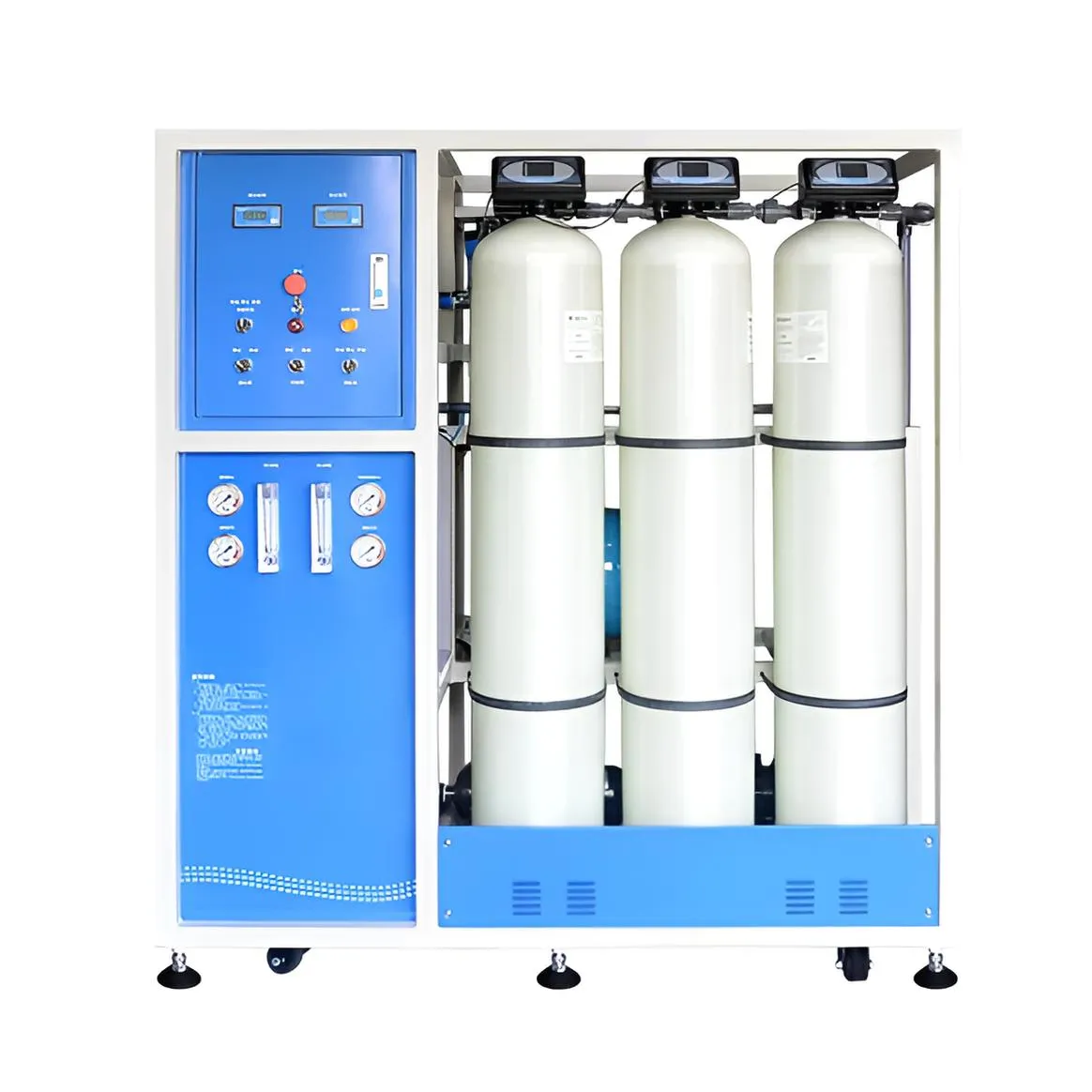
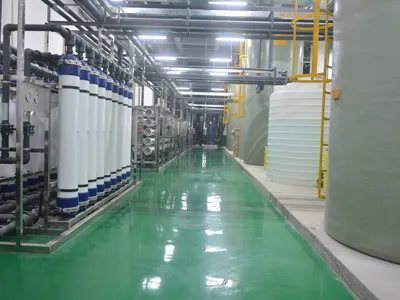
The hospital/pharmaceutical ultrapure water system is a high-performance, cost-effective ultrapure water system designed primarily for medical industry production water and hospital instrument cleaning. The main processes include: pretreatment + reverse osmosis main unit + nuclear polishing mixed bed system + sterilization system. The effluent water quality meets the "Chinese Pharmacopoeia 2010 Purified Water Standard". The pretreatment of medical ultrapure water equipment consists of quartz sand filters, activated carbon filters, softened water filters, and precision filters.
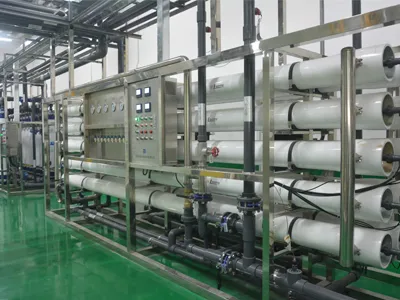
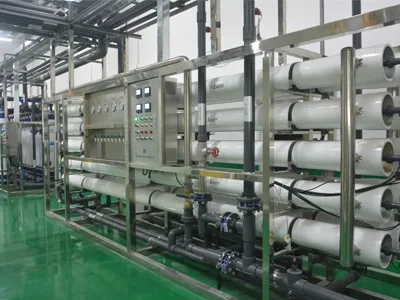
The main unit mainly consists of a high-pressure pump, membrane housing, imported reverse osmosis membrane modules, online instruments, and control electrical components. The post-treatment section consists of a polishing system, a sterilization line sterilizer, and a 0.22mm microporous filter.
Ultrapure Water Process Flow: Raw Water - Raw Water Booster Pump - Multi-Media Filter - Activated Carbon Filter - Water Softener - Precision Filter - First-Stage Reverse Osmosis Equipment - Intermediate Water Tank - Intermediate Water Pump - Nuclear-Grade Polishing Mixed Bed System - Purified Water Tank - Pure Water Pump - Ultraviolet Sterilizer - Microfiltration Filter - Point of Use
Medical Ultrapure Water Equipment System Components Introduction: The core desalination component of an ultrapure water system is an imported reverse osmosis membrane module. An ultrapure water system typically consists of a pretreatment section, a reverse osmosis main unit, and a post-treatment section.
1. Pretreatment consists of a quartz sand filter, activated carbon filter, fully automatic water softener, and precision filter. An ultrafiltration system can also be used as pretreatment, but the project cost is usually higher. The main purpose of pretreatment is to remove sediment, rust, colloidal substances, suspended solids, color, odor, and biochemical organic matter from the raw water. When the hardness of the raw water is high, a fully automatic water softener can be selected, which effectively protects the reverse osmosis membrane and extends its service life. 2. The reverse osmosis unit mainly consists of a high-pressure pump, membrane housing, imported reverse osmosis membrane modules, online instruments, and control electrical components. As long as the number of membranes and the pump model are properly selected, the desalination rate and water production capacity of the reverse osmosis unit can reach the rated specifications, and the effluent conductivity can be guaranteed to be ≤10 μS·CM.
3. The post-treatment section further processes the pure water produced by reverse osmosis to produce ultrapure water. This is typically done with ion exchange mixed-bed equipment or EDI equipment, achieving an effluent resistivity of up to 18.2 MΩ·CM. If applied to direct drinking water processes, a sterilization device is added, usually an ultraviolet sterilizer or an ozone generator, ensuring the produced water meets direct drinking standards.





