

Phone:
0086 28 87573647
+86 19150187139

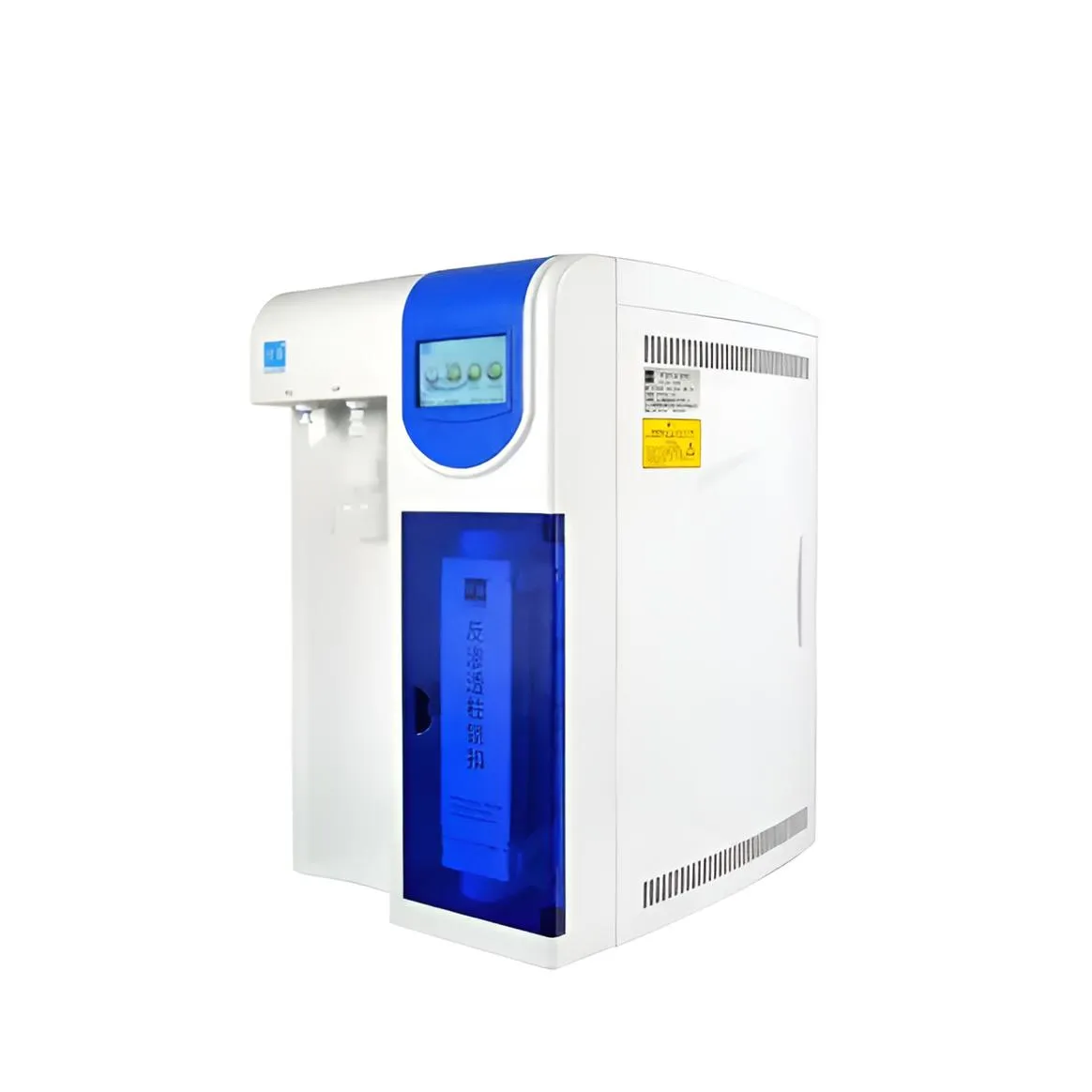
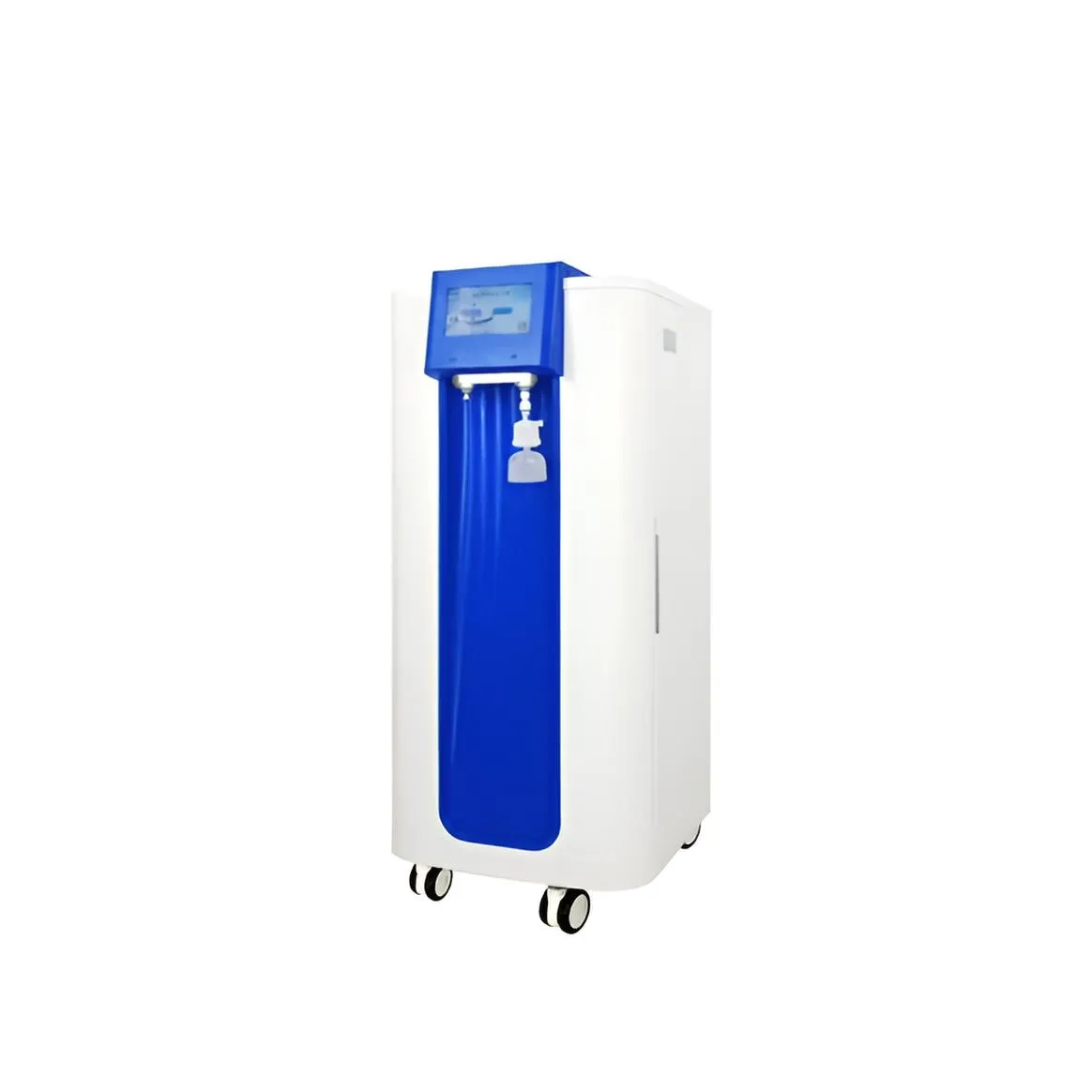
Laboratory purified water is primarily used in life sciences, analytical, and routine applications. Depending on the user's needs, the application areas and water quality standards for laboratory purified water vary. Common laboratory water uses include (but are not limited to) the following table:
Application | Grade I water (Ultrapure water) | Secondary water (EDI water) | Level 3 water (RO water) |
Preparation of buffer solution and culture medium | √ | ||
Electrochemistry | √ | √ | |
Environmental testing chamber and plant growth chamber | √ | ||
Water inlet to the distiller | √ | ||
Ultrapure water system inlet | √ | √ | |
Flame atomic absorption spectrometry (F-AAS) | √ | ||
GC-MS | √ | ||
General Chemistry | √ | ||
Graphite furnace atomic absorption spectrophotometry (GF-AAS) | √ | ||
Glassware cleaning | √ | √ | |
High-performance liquid chromatography (HPLC) | √ | ||
Inductively Coupled Plasma Atomic Emission Spectrometry (ICP-AES) | √ | ||
Inductively Coupled Plasma Mass Spectrometry (ICP-MS) | √ | ||
Ion chromatography (IC) | √ | ||
Qualitative analysis | √ | ||
Sample dilution and reagent preparation | √ | √ | |
solid phase extraction | √ | ||
Spectrophotometric determination | √ | ||
Steam generator | √ | ||
TOC Analysis | √ | ||
Trace metal detection | √ | ||
Water Analysis | √ | ||
Bacterial culture | √ | ||
Clinical Chemistry | √ | ||
Electrophoresis | √ | ||
Electrophysiology | √ | ||
Enzyme-linked immunosorbent assay (ELISA) | √ | ||
Endoscopy | √ | ||
Bacterial endotoxin analysis | √ | ||
Model animal husbandry | √ | ||
Histology | √ | ||
Hybridization | √ | ||
hydroponics | √ | ||
Immunocytochemistry | √ | ||
mammalian cell culture | √ | ||
Culture medium preparation | √ | ||
Microbial analysis | √ | ||
Molecular biology | √ | ||
Monoclonal antibodies | √ | ||
Polymerase chain reaction (PCR) | √ | ||
Plant tissue culture | √ | ||
Radioimmunoassay | √ |
1. Water for Mass Spectrometry Analysis: Mass spectrometry enables trace analysis of mixtures, and due to its high sensitivity, it requires the highest purity Class I water. All sample preparation and pretreatment, such as solid-phase extraction, require ultrapure water. Impurities in the water must be at the ppt level; for organic matter analysis, a resistivity of 18.2 MΩ·cm and very low TOC (generally less than 3 μg/L) are required. Intermediate water quality monitoring with dual columns provides further assurance of water quality. The final water quality indicators are achieved through a well-designed pretreatment system, continuous circulation, and ultrapurification of pure water.
2. Water for plant tissue culture: Micropropagation technology allows for the mass cloning of a plant species and the large-scale propagation of disease-free plants. To minimize the impact of potential bioactive substances, ultrapure water with low pyrogens is recommended.
3. Water for Steam Generators: Steam generators are used for cleanroom humidification, moisture retention, direct steam heating, autoclaving, and sterilization. Most steam generators are supplied with pretreated drinking water to prevent bacterial growth and contaminant precipitation, thereby reducing maintenance, enhancing system performance, and improving cleanliness. Steam generators can use primary water produced through reverse osmosis, with a conductivity range of 1–50 μS/cm.
4. Sample Dilution and Reagent Preparation Water: Dilution is used in the preparation of samples, blanks, reagents, and standards. The purity of the water used for dilution must be guaranteed not to damage or affect subsequent analyses. For buffers, blanks, and standards involved in common chemical experiments, for analytes above 1 mg/L, laboratory grade II water with a resistivity greater than 1 MΩ·cm, TOC less than 50 μg/L, and low bacterial content is sufficient and will provide ideal analytical results. For trace analyses at ppb levels or lower, ultrapure water is required for the preparation of blanks and standards.
5. Water for Microbiological Analysis: Routine microbiological analysis requires Class II laboratory water. It should have low bacterial contamination and low levels of ions, organic matter, and particulate impurities. Resistivity should be greater than 1 MΩ·cm, TOC less than 50 μg/L, and bacterial content less than 1 CFU/mL.
6. Water for Hydroponics: The water source for hydroponics must be sufficiently pure to ensure not only the accurate concentration of added minerals and nutrients but also to prevent indirect effects from contaminants. For example, high levels of dissolved components, especially calcium and magnesium, can cause high alkalinity, altering water hardness. High concentrations of sodium and chloride can also lead to direct toxicity and indirect damage by hindering the absorption of calcium, magnesium, nitrates, and trace elements. Laboratory grade II water with low ion, low organic matter, and low bacterial contamination levels is recommended for hydroponics.
7. Water for Biological Histology: Due to the nature of most biological histology work, where cells are fixed and non-proliferating, laboratory grade II water should be used. Typical resistivity is greater than 1 MΩ·cm, TOC is less than 50 μg/L, and bacterial content is less than 1 CFU/mL.
8. Water for general chemistry experiments: The recommended water grade for general chemistry experiments is laboratory water with resistivity > 1 MΩ·cm, TOC < 50 μg/L and bacterial content below 10 CFU/mL.
9. Water for Bacterial Endotoxin Analysis: Various applications, from isolation to cell culture, require specified bacterial endotoxin levels, with the maximum range from 0.25 EU/mL to 0.03 EU/mL. For bacterial endotoxin analysis, ultrapure water with low bacterial endotoxin levels is suitable, typically 0.05 EU/mL or less. Ultrafiltration is essential for producing ultrapure water with low bacterial endotoxin levels and can be combined with UV light for photo-oxidation.
10. Water for Immunocytochemistry: For immunocytochemistry, the monitoring of specific protein transfer using antibodies can be interfered with by debris and metabolites from microorganisms and related biologically active cells. Ultrapure water with low bacterial endotoxin levels is recommended.
11. Water for Clinical Biochemistry: Water used in clinical laboratories should comply with relevant water quality standards. The most relevant is Class I water from the Clinical Laboratory Standards Institute (CLSI) in the United States. Pharmacopoes in the United States, Japan, and Europe are also commonly used standards. High-quality purified water, prepared using a combination of purification techniques, should be used in clinical analyzers or in any preparative and analytical procedures. The purity requirements for water used in clinical analyzers depend on the analyzer manufacturer's specifications, but generally should have a resistivity greater than 10 MΩ·cm, a TOC less than 50 μg/L, and a bacterial level less than 5 CFU/mL.
12. Water for Buffer and Media Preparation: Different experimental purposes require different levels of sensitivity, which determines the grade of pure water used for reagent preparation or dilution. For many common chemical applications, sensitivity is not the primary factor; laboratory grade II water already possesses sufficient purity. Combining this with deionization techniques yields ultrapure water with very low ion content. Furthermore, by incorporating UV lamps, filtration, and circulation tubing, the levels of organic matter and microorganisms can be well controlled. Advanced modern analytical instruments continuously improve analytical sensitivity. Trace elements can now be determined at ppt and sub-ppt levels using techniques such as ICP-MS.
13. Water for Trace Metal Monitoring: Trace analysis requires pure water free of measurable components, and the water quality requirements must be suitable for the most stringent and sensitive ICP-MS operations. Therefore, blank reagents, standard dilutions, and sample preparation all require water of the highest purity, and may even necessitate operations in a cleanroom.
14. Supplying water for ultrapure water systems: The production of ultrapure water (18.2 MΩ·cm, TOC < 5 μg/L) from drinking water or equivalent water sources is typically completed in two stages—pretreatment and ultrapure water treatment. Pretreatment reduces all major impurities—inorganic matter, organic matter, microorganisms, and particles—by approximately over 95%. This can be effectively achieved using reverse osmosis, reverse osmosis combined with ion exchange, or EDI. Ion exchange can also be used alone to purify drinking water, but it cannot achieve the same level of organic matter, bacteria, and particulate impurities. The better the pretreatment water quality, the more reliable the quality of the ultrapure water output.
15. Water for Molecular Biology: Molecular biology research focuses on nucleic acids, proteins, and enzymes. Microbial debris and metabolite contamination from related biologically active cells have a significant impact. Ultrapure water with low pyrogens is recommended.
16. Water for spectrophotometric determination: It is recommended to use at least laboratory grade II water for spectrophotometric determination. The water should have low levels of inorganic and organic matter or gel contamination, a resistivity greater than 1 MΩ·cm, and a low TOC content (less than 50 μg/L). This is especially important for instruments equipped with UV detectors, as dissolved organic matter may interfere with detection.
17. Water for Qualitative Analysis: Qualitative analytical methods should use laboratory grade II water with a resistivity greater than 1 MΩ·cm, a TOC less than 50 μg/L, and low levels of particulate matter and bacteria. However, for highly sensitive analytical techniques, such as ICP-MS, ultrapure water with optimal parameters, inorganic impurities at the ppt level, a resistivity of 18.2 MΩ·cm, and a low TOC is required.
18. Electrophoresis Analysis Water: The most important requirement for electrophoresis water is the removal of bioactive substances, such as bacterial endotoxins (usually less than 0.005 EU/mL), ribonucleases, and proteases (not measurable). Ideally, ultrapure water with a resistivity of 18.2 MΩ·cm, TOC less than 10 μg/L, microfiltered with pore sizes of 0.1 μm or smaller, and a bacterial content of less than 1 CFU/mL should be used as the supply water.
19. Physiological Water: Physiological techniques are often very sensitive, and inorganic contaminants in the water can significantly interfere with them. Laboratory grade II water with a resistivity of at least 1 MΩ·cm (25°C), a TOC of less than 50 μg/L, and a bacterial count of less than 1 CFU/mL is recommended.
20. Electrochemical Water: It is recommended that water used for electrochemistry be at least Class II laboratory water with a resistivity greater than 5 MΩ·cm, low levels of inorganic, organic, and gel contaminants, a TOC content of less than 50 μg/L, and a bacterial content of less than 1 CFU/mL. For ultra-trace electrochemical analyzers, ultrapure water is required.
21. Water for Monoclonal Antibody Research: Water for bacterial culture should be at least Laboratory Grade II water, with a resistivity greater than 10 MΩ·cm, TOC less than 50 μg/L, and bacterial content less than 1 CFU/mL. For sensitive mammalian cell cultures, ultrapure water with low pyrogens is recommended. It is prepared by passing purified water through deionization, reverse osmosis, or distillation through an ultrapure column. Ultrafiltration ensures the removal of nucleases and bacterial endotoxins.
22. Water for Cleaning and Rinsing Glassware: Cleaning glassware is a daily routine in most laboratories, and the required water grade varies depending on the application. Considering cost, Grade I water is suitable for cleaning most routine glassware. For more sensitive analytical or genetic experiments, Grade II laboratory water, typically with a resistivity of 1–15 MΩ·cm, is appropriate. For identification applications, such as trace analysis techniques (e.g., ICP-MS), highly sensitive cell cultures, and stringent clinical applications, glassware should be cleaned with ultrapure water, especially the final rinse, with a resistivity of 18.2 MΩ·cm, a TOC of less than 10 μg/L, and a bacterial count of less than 1 CFU/mL.
23. Water for TOC Analysis: TOC analysis is a non-specific analytical method that quantitatively analyzes the total carbon content of organic matter. Current applications range from high levels in wastewater to sub-ppb levels in ultrapure water. Water is also used in this technique to dilute samples and prepare reagents and standards. For high concentrations, laboratory grade II water is suitable, while ultrapure water is required for trace analysis.
24. Water for Radioimmunoassay (RIA) and Enzyme-Linked Immunosorbent Assay (ELISA): The antibody reaction in ELISA is very strong, and in most analyses, the highest purity water is not required; laboratory grade II water is sufficient. The water should have a resistivity greater than 10 MΩ·cm, a TOC less than 50 μg/L, and a bacterial count less than 1 CFU/mL.
25. Water for IC Ion Mass Spectrometry: IC is used for the determination of small and large quantities of components (e.g., down to 0.1 μg/L) by directly injecting 10–50 mL of sample. High-purity water is used for the preparation of blanks, standards, and eluents. For such applications, laboratory grade II water is generally suitable if operating costs are an issue; otherwise, ultrapure water is preferred. The analyte ions can be pre-concentrated using an ion exchange column and injected into the eluent for separation and analysis by IC, thus raising the IC detection limit to the ppt level. 50 mL or 100 mL samples can be analyzed using this method. This method requires very pure water with impurities at the ppt level, a resistivity of 18.2 MΩ·cm, and a low TOC. An intermediate water quality monitor between the two columns provides further water quality assurance, and the final water quality is achieved through a well-designed pretreatment system, continuous circulation, and ultrapurification of pure water.
26. Water for Inductively Coupled Plasma Mass Spectrometry (ICP-MS): ICP-MS can be used to determine elements at the ppt level (ng/L). The purity requirements for working water in this sensitive ICP-MS analysis are very stringent, requiring impurities at the ppt level, a resistivity of 18.2 MΩ·cm, and a low TOC. An intermediate water quality monitor between the two columns provides further water quality assurance, and the final water quality indicators are achieved through a well-designed pretreatment system, coupled with continuous circulation and ultrapurification of pure water.
27. Water for Inductively Coupled Plasma Atomic Emission Spectrometry (ICP-AES): Sensitivity varies significantly for different elements in ICP-AES applications, but the detection limits for metals, transition metals, phosphorus, and sulfur are all in the ppb (μg/L) range. ICP-AES has very strict requirements for water purity; an ultrapure water system with a resistivity greater than 18 MΩ·cm is essential. TOC requirements are generally less important, and pretreatment requires reverse osmosis or ion exchange.
28. Water for Graphite Furnace Atomic Absorption Spectrophotometry: GFAAS differs from other atomic absorption spectrometry (AAS) methods in that its flame furnace is replaced by an electronically heated graphite tube or rod, achieving very high sensitivity in elemental analysis. GFAAS requires a top-grade pure water system providing ppt-level impurities, a resistivity of 18.2 MΩ·cm, and low TOC. Built-in monitoring ensures purity, and the final water quality is achieved through a well-designed pretreatment system, continuous circulation, and ultrapurification of the pure water.
29. Water for Gas Chromatography-Mass spectrometry (GC-MS): For GC applications, pure water is frequently used to prepare blank control groups, standards, and for sample pretreatment, such as solid-phase extraction. GC-MS has very high sensitivity, and its purity requirements for high-purity water are extremely stringent. TOC levels should be as low as possible, typically less than 3 μg/L. Ultrapure water with low TOC levels using RO water as feed water can fully meet these requirements. The ultrapure water system must be used strictly according to the operating instructions to ensure a continuous supply of high-quality water.
30. Water for Flame Atomic Absorption Spectrometry (F-AAS): Although F-AAS technology overlaps somewhat with ICP-MS and ICP-ES for multi-element analysis, AAS is still widely used in smaller laboratories or for specialized analyses due to its reasonable cost, with detection limits for elements ranging from ppb to ppm. Laboratory Grade II water purity is usually sufficient for most routine AAS analyses, which do not require low levels of organic matter and bacteria.