







Phone:
0086 28 87573647
+86 19150187139

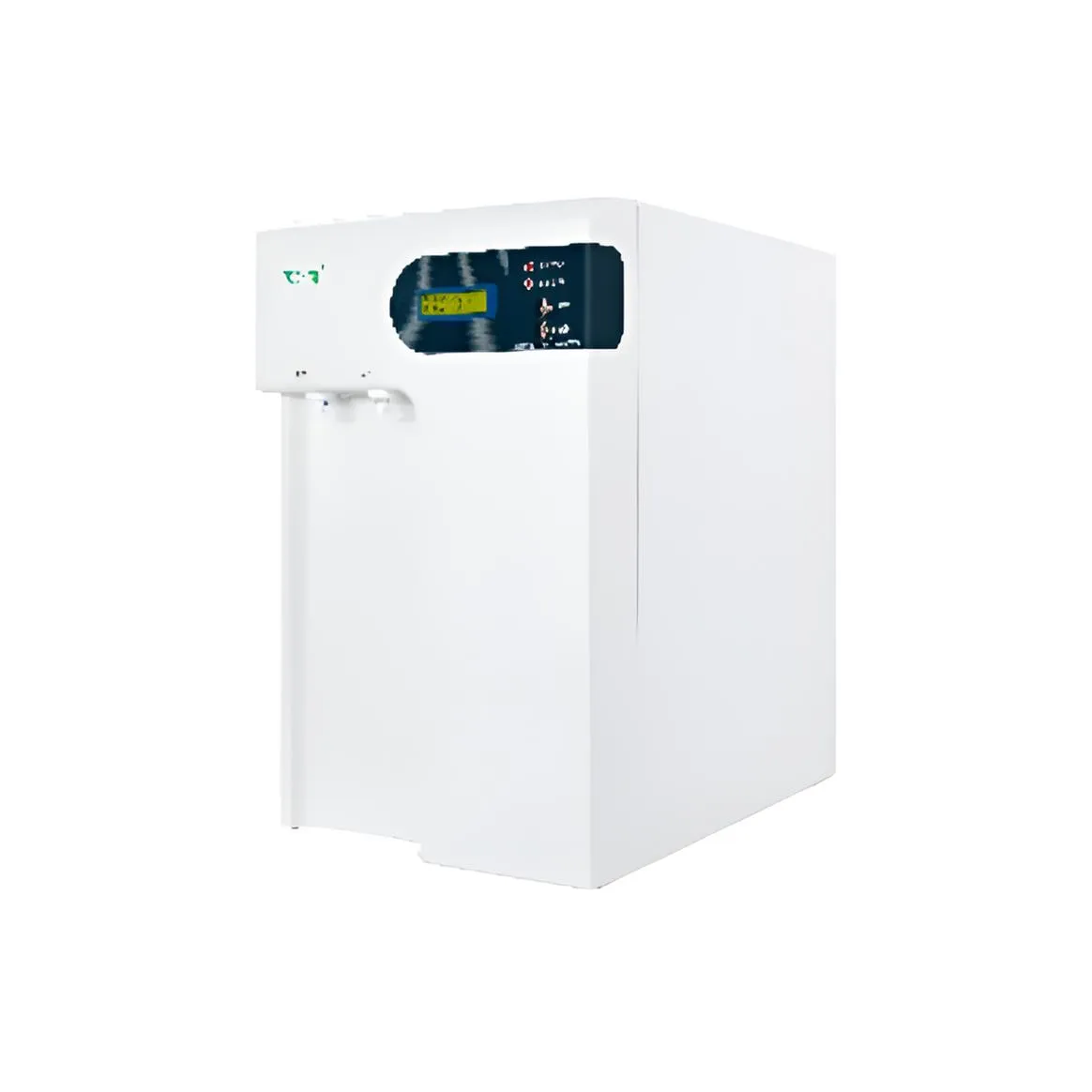
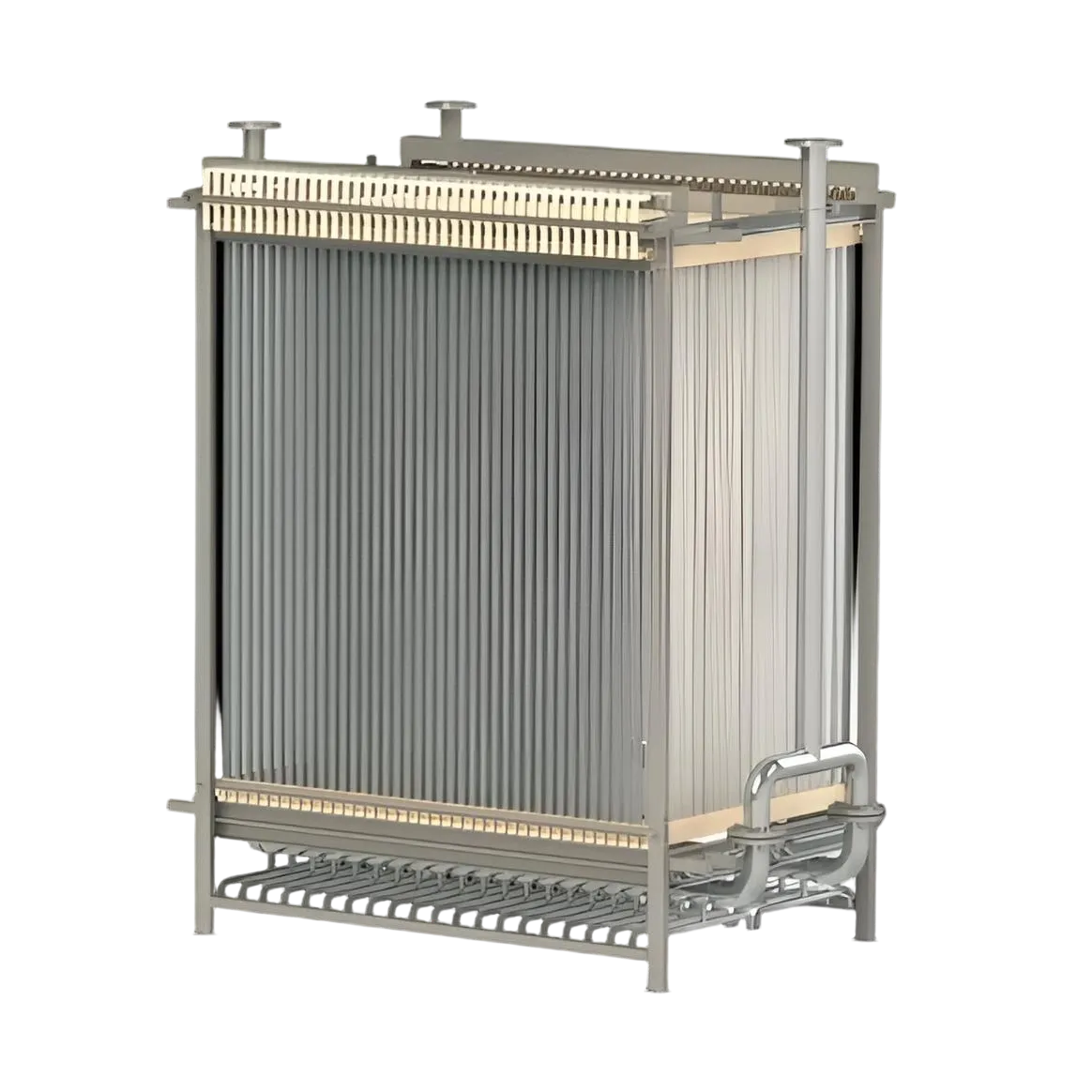
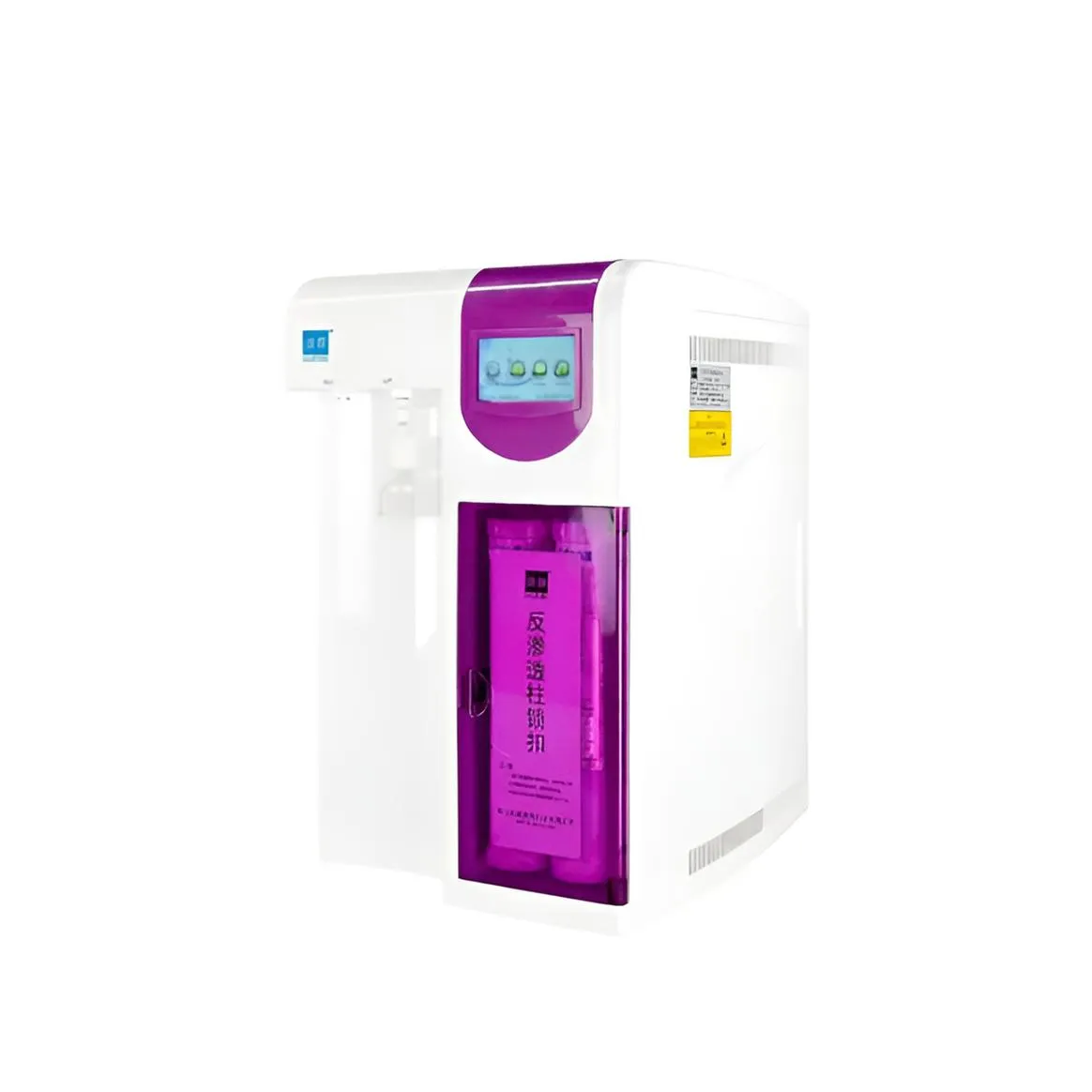
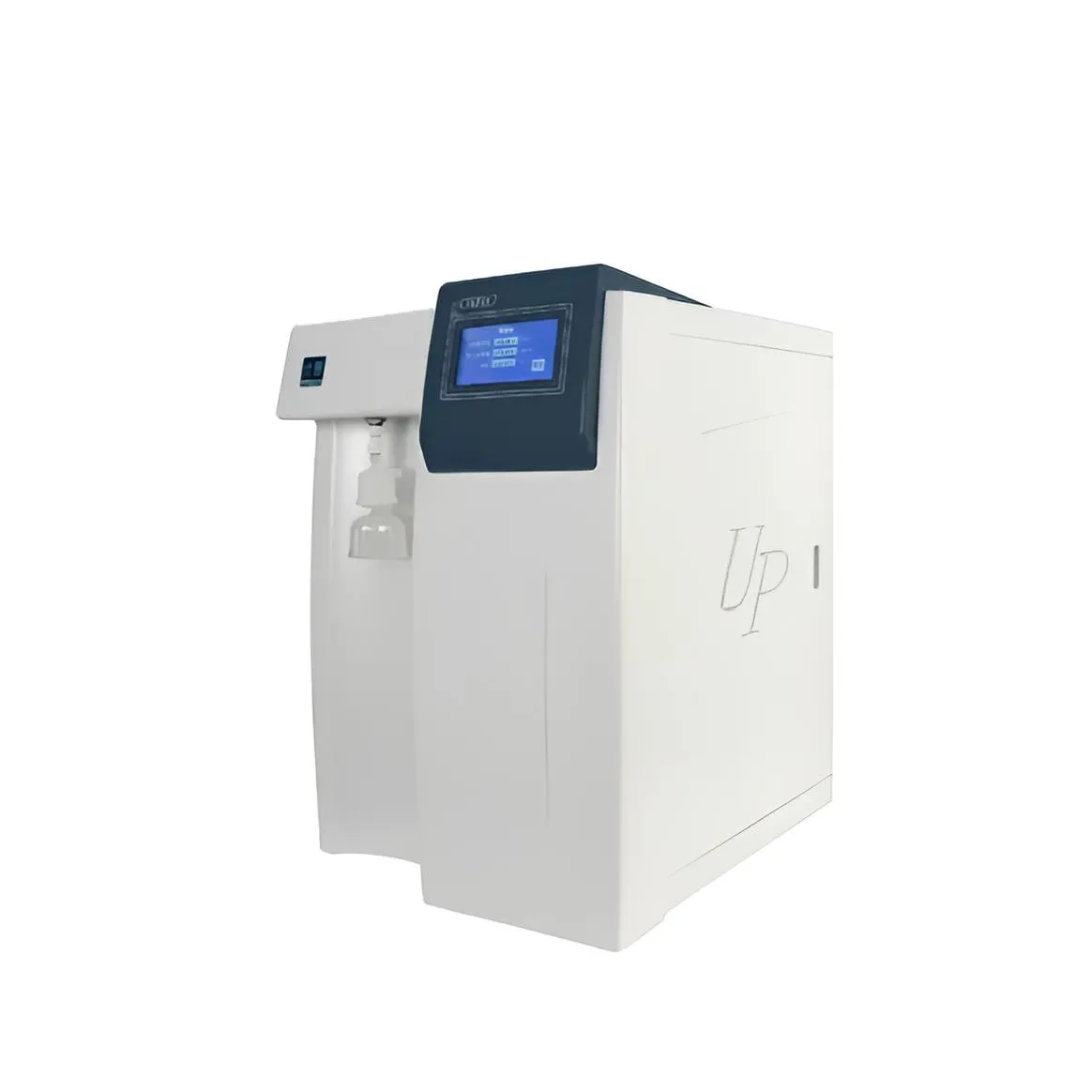
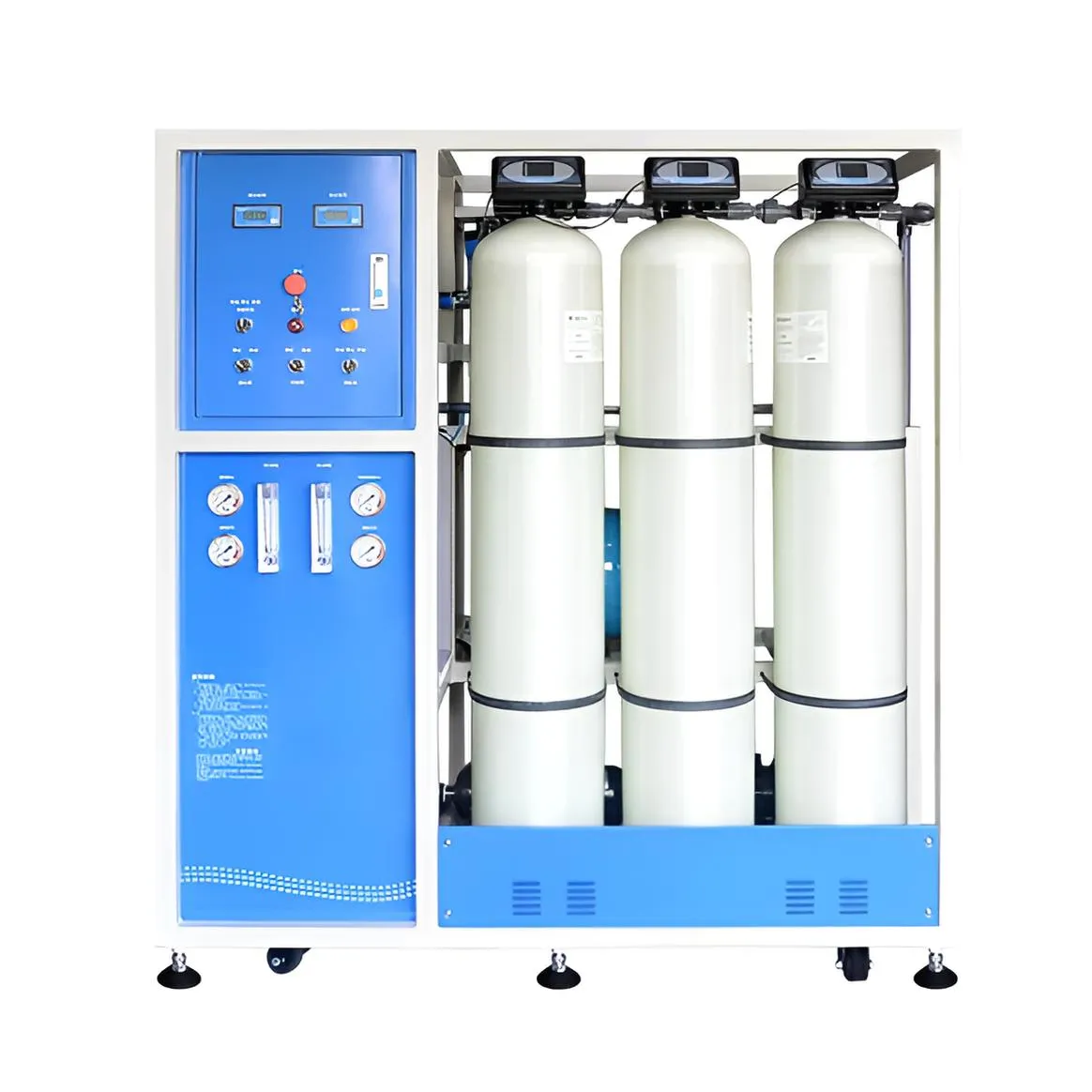
RO (Reverse Osmosis) water purification equipment is used to produce pure water. It employs reverse osmosis technology to remove impurities, organic matter, and substances invisible to the naked eye from the water. This technology is widely used in industries such as food, chemicals, electronics, and pharmaceuticals. This article introduces the commissioning and setup process for RO water purification equipment.
1. Valve Adjustment: After installation, open the electroplated ball valve on the faucet pipe, close the backflush ball valve, and then open the pressure tank ball valve.
2. Plug the transformer power cord into the power socket: At this time, the pump starts, and the pure water equipment begins producing water.
3. Check the discharge of pre-filtered water: During water production, filtered pure water enters the pressure tank. On the other hand, the pre-filtered water from the reverse osmosis membrane tube is discharged through the wastewater proportioner pipe. Open the backflush ball valve and check if a large amount of pre-filtered water is discharged before closing it.
4. Test automatic start and stop: Pure water production requires a relatively long time (approximately 90-120 minutes) to fill the pressure tank. To quickly confirm the operation, close the pressure tank ball valve after 5 minutes. At this time, the pressure in the pipeline increases to a certain value (approximately 3.5 kb/cm²), and the high-pressure switch should trip, stopping the high-pressure pump. Then open the gooseneck faucet to release water; the high-pressure pump should automatically start. Repeat this process several times to check whether the high-pressure pump starts and stops automatically.
5. Test the low-pressure switch operation: Close the electroplated ball valve on the tap water line. This indicates a preset state of no water or water shortage. The low-pressure switch should activate, automatically stopping the high-pressure pump to prevent it from running dry and being damaged. After confirming normal operation, open the electroplated ball valve on the water supply line.
6. Test that no water should flow from the primary filter outlet pipe when not in use after automatic stop: After running for 5-10 minutes, close the pressure tank ball valve. After the high-pressure pump automatically stops, check if water continuously flows from the primary filter outlet pipe. If water flows out, it indicates a fault in the four-way valve or check valve, which should be replaced or repaired.
7. Check for leaks in joints and connections: During the test run, after automatic start and stop, check all parts, components, and joints for leaks.
8. Check water quality: After everything is working normally, run the high-pressure pump to produce water and check if the water quality from the gooseneck faucet meets the standards. After installation and debugging, let the machine run normally for about ten minutes, then open the gooseneck faucet to let the initial water flow out completely (to clean the pressure tank), and then close the gooseneck faucet.





