





Phone:
0086 28 87573647
+86 19150187139

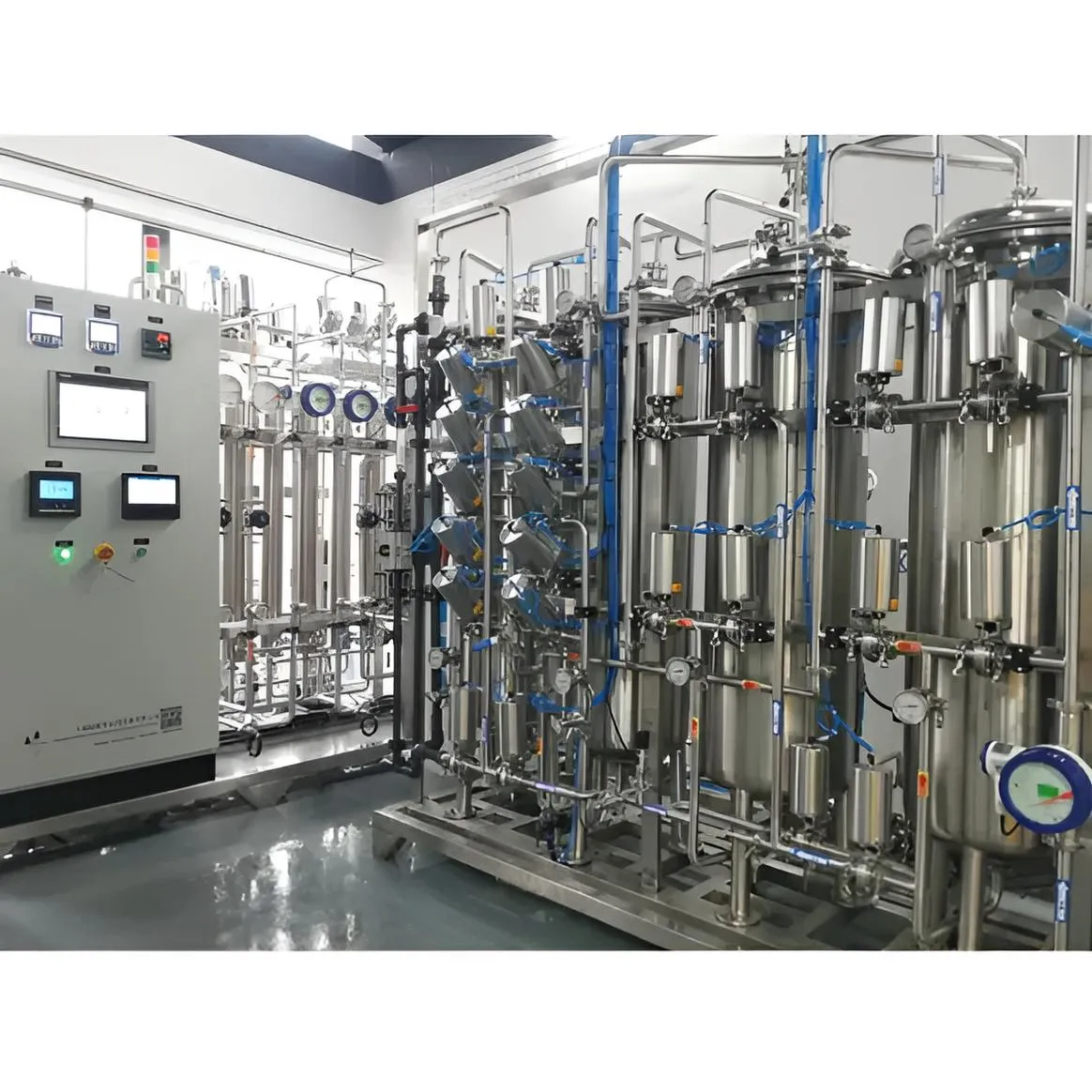
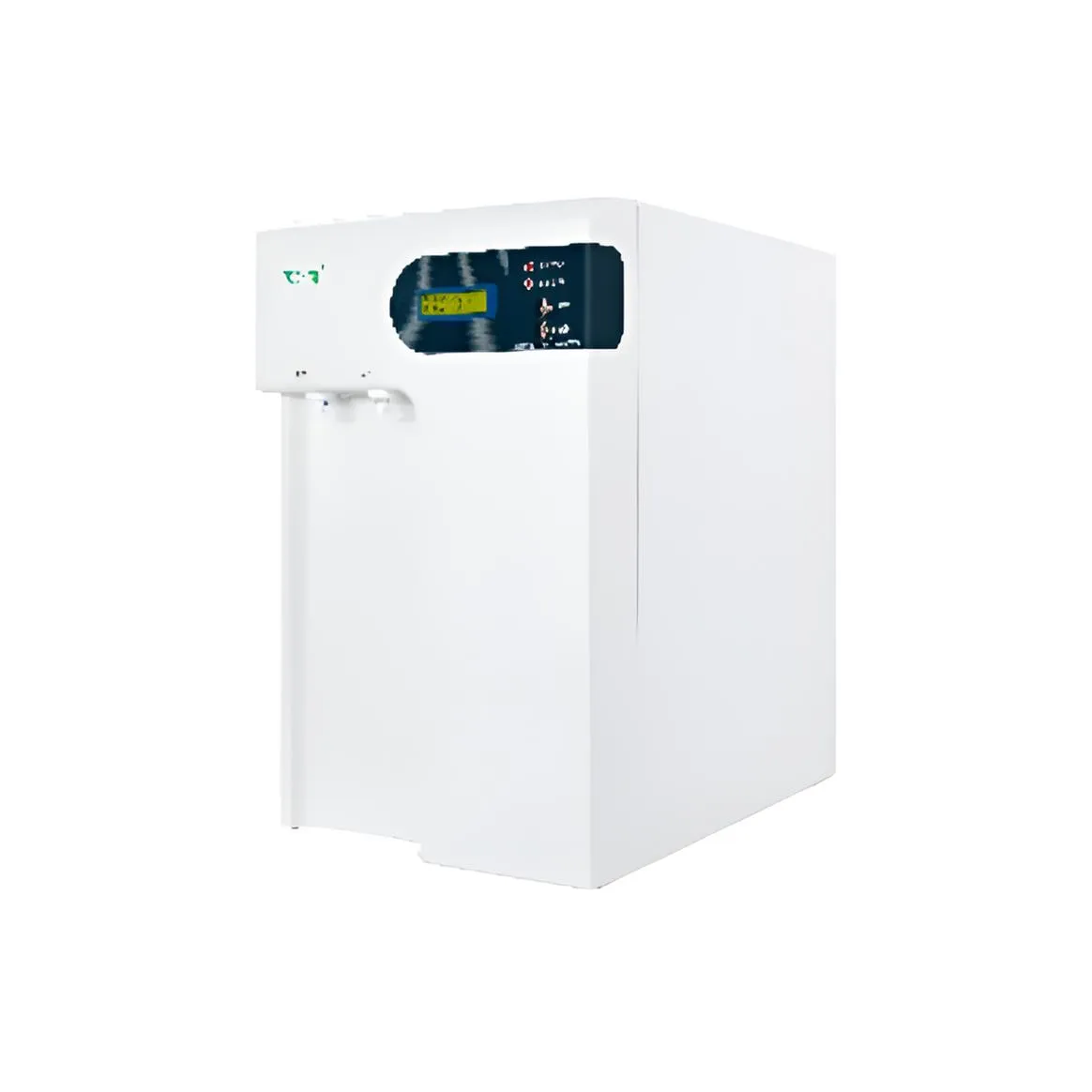
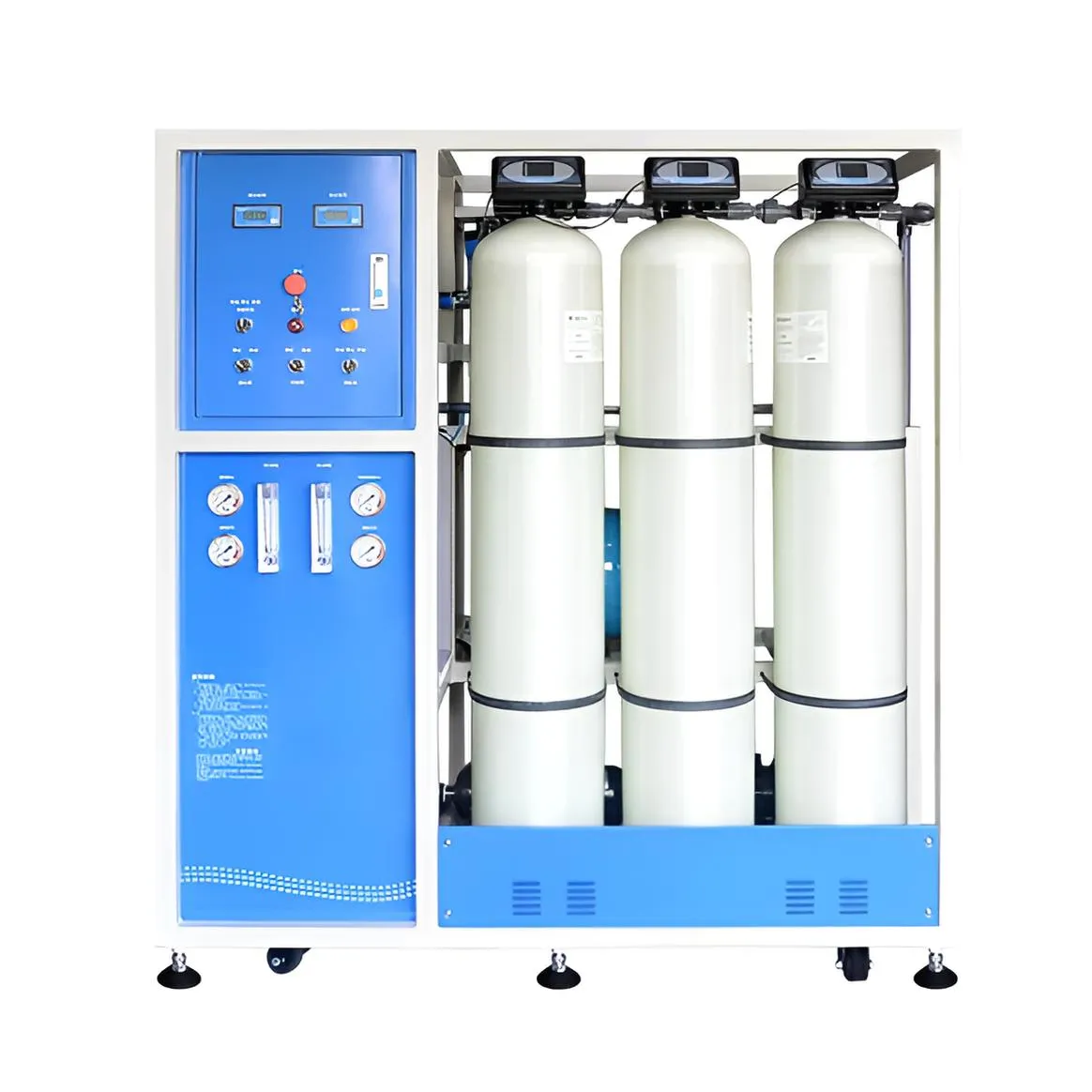
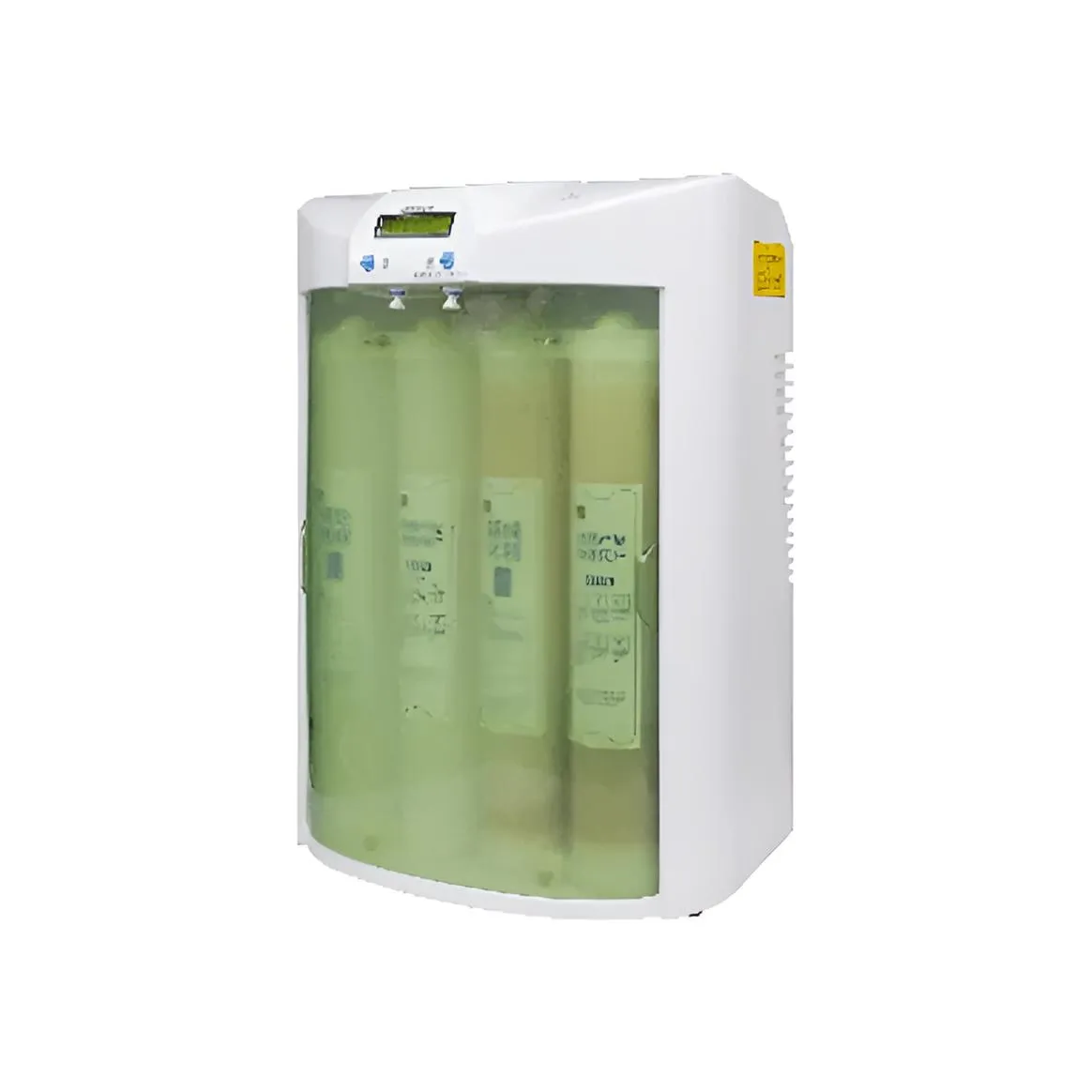
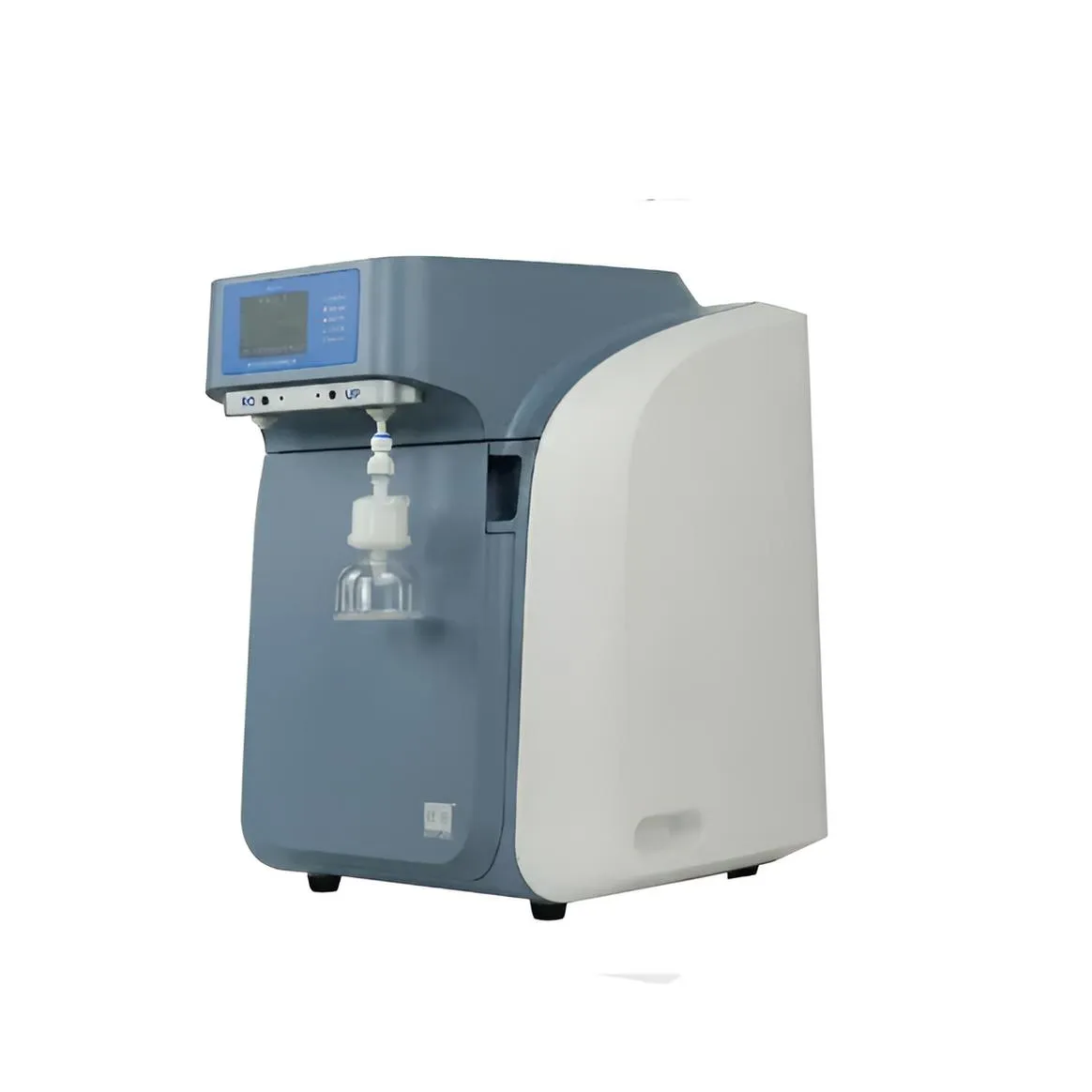
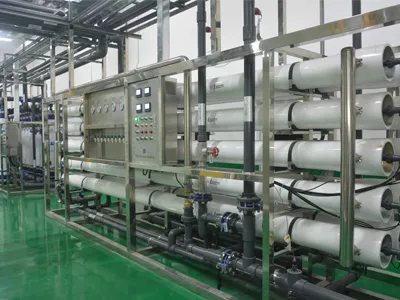
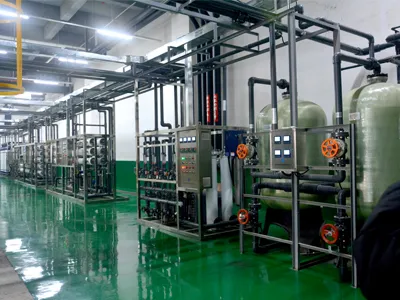
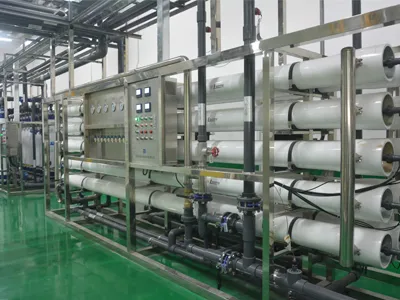
A reverse osmosis (RO) water purifier passes raw water through a fine filter, granular activated carbon filter, and compressed activated carbon filter. The water is then pressurized by a pump and passed through a reverse osmosis membrane with a pore size of 1/10000μm. This process transforms the high-concentration water into low-concentration water while simultaneously removing industrial pollutants, heavy metals, bacteria, viruses, and other impurities that are mixed into the water, thus meeting drinking water standards and producing exceptionally pure water.
The reverse osmosis membrane is the key component of the RO system. During prolonged continuous operation, calcium and magnesium ions in the water continuously precipitate and adhere to the membrane surface, forming scale that clogs the membrane pores. This affects the system's output efficiency and can damage the membrane. Because RO membranes are relatively expensive, a chemical dosing system is added during system operation to add antiscaling agents to the water, delaying the precipitation of calcium and magnesium ions and preventing membrane scaling.
The basic function of reverse osmosis antiscalants is solubilization. When dissolved in water, they ionize, forming negatively charged molecular chains. These chains form water-soluble complexes or chelates with Ca2+, increasing the solubility of inorganic salts and thus inhibiting scale formation.
A reverse osmosis system passes raw water through fine filters, granular activated carbon filters, and compressed activated carbon filters, then pressurizes it using a reverse osmosis membrane with a pore size of 1/10000μm. This process reduces the concentration of the water from high concentration to low concentration, while simultaneously removing industrial pollutants, heavy metals, bacteria, viruses, and other impurities, ensuring the water meets drinking water standards and producing crystal-clear water.
The reverse osmosis membrane is the key component of a reverse osmosis system. During prolonged continuous operation, calcium and magnesium ions in the water continuously precipitate and adhere to the membrane surface, forming scale that clogs the membrane pores. This affects the system's output efficiency and can damage the membrane. Because reverse osmosis membranes are relatively expensive, a chemical dosing system is added during system operation to add reverse osmosis antiscalants to the water, delaying the precipitation of calcium and magnesium ions and the formation of scale on the membrane surface.
The basic function of reverse osmosis antiscalants is solubilization. After dissolving in water, the antiscalant ionizes, generating negatively charged molecular chains. These chains form water-soluble complexes or chelates with Ca²⁺, thereby increasing the solubility of inorganic salts and inhibiting scale formation.
Antiscalants prevent the precipitation of impurities and the formation of scale in reverse osmosis equipment, greatly improving the filtration system, increasing water quality and yield, and making a significant contribution to water and energy conservation.





