







Phone:
0086 28 87573647
+86 19150187139

With the increasing emphasis placed on scientific research by the nation and the successive promulgation of various policies and regulations (such as the new edition of the Pharmacopoeia), the requirements for water quality in major testing and R&D laboratories are becoming increasingly stringent and diverse. Consequently, the market share and demand for laboratory pure water products, such as pure water systems, ultrapure water systems, and central water supply systems, are also continuously rising.
New laboratory renovations require a complete overhaul of the pure water system, which presents numerous challenges and adjustments. This involves understanding the experimental applications, considering laboratory management, controlling system investment costs, operational and maintenance requirements, installation, and engineering implementation, among other factors. Users often find themselves investing significant effort with unsatisfactory results.
In today's laboratories, the water environment is the most fundamental and crucial element for most labs, playing a vital role in experiments. In laboratory scientific research, the starting point for purification is often tap water. If distilled water, deionized water, or reverse osmosis water is already available, the focus shifts to ultrapure water purification. Water quality often determines the accuracy and reproducibility of experimental results. Most experts require pure water to contain impurities and compounds at the ppb level or even lower. Therefore, the initial design of the pure water system is paramount, requiring consideration of any adverse effects from overall layout, material selection, installation, and maintenance, and the provision of comprehensive solutions.
Laboratory pure water supply models are divided into two types: centralized pure water supply and decentralized pure water supply.
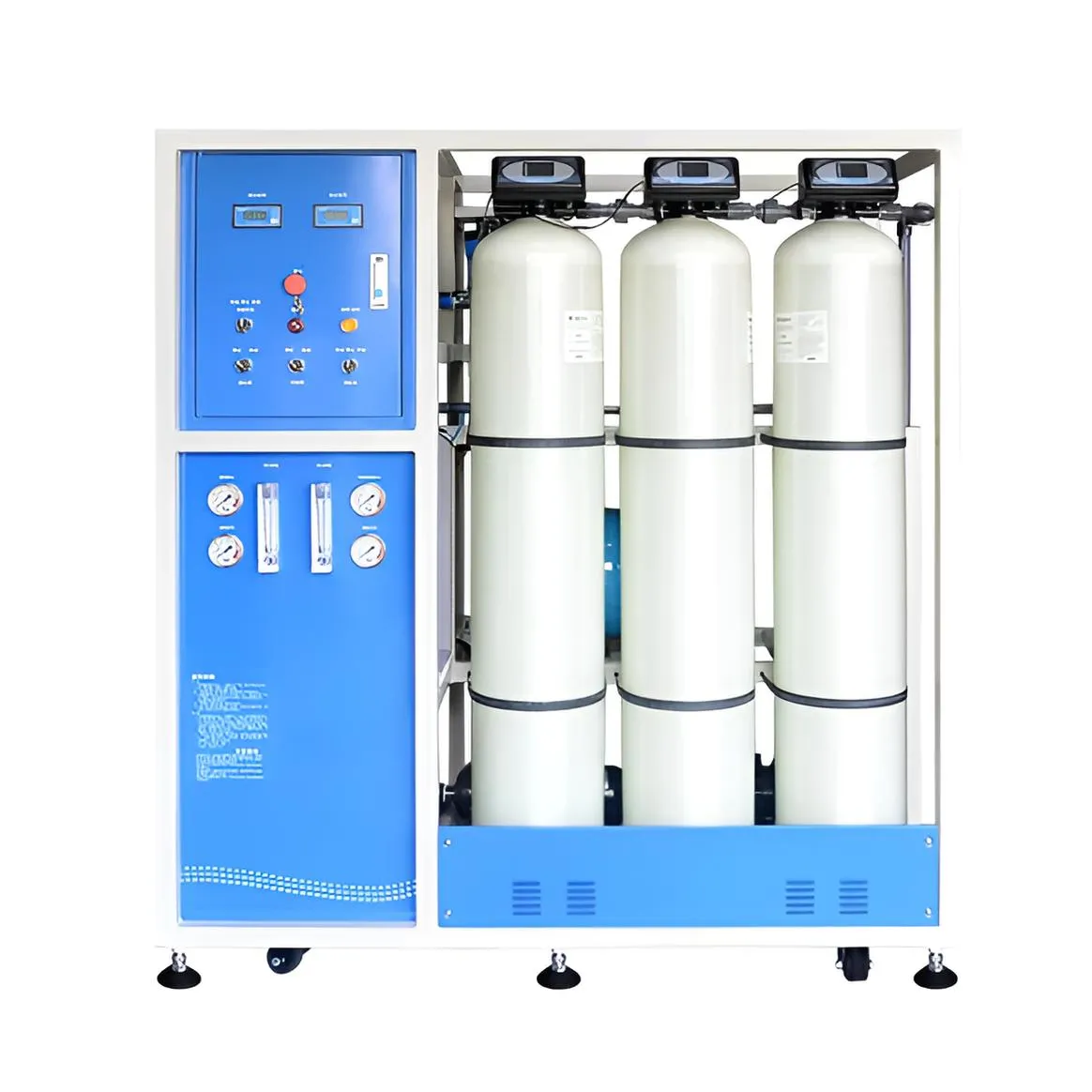
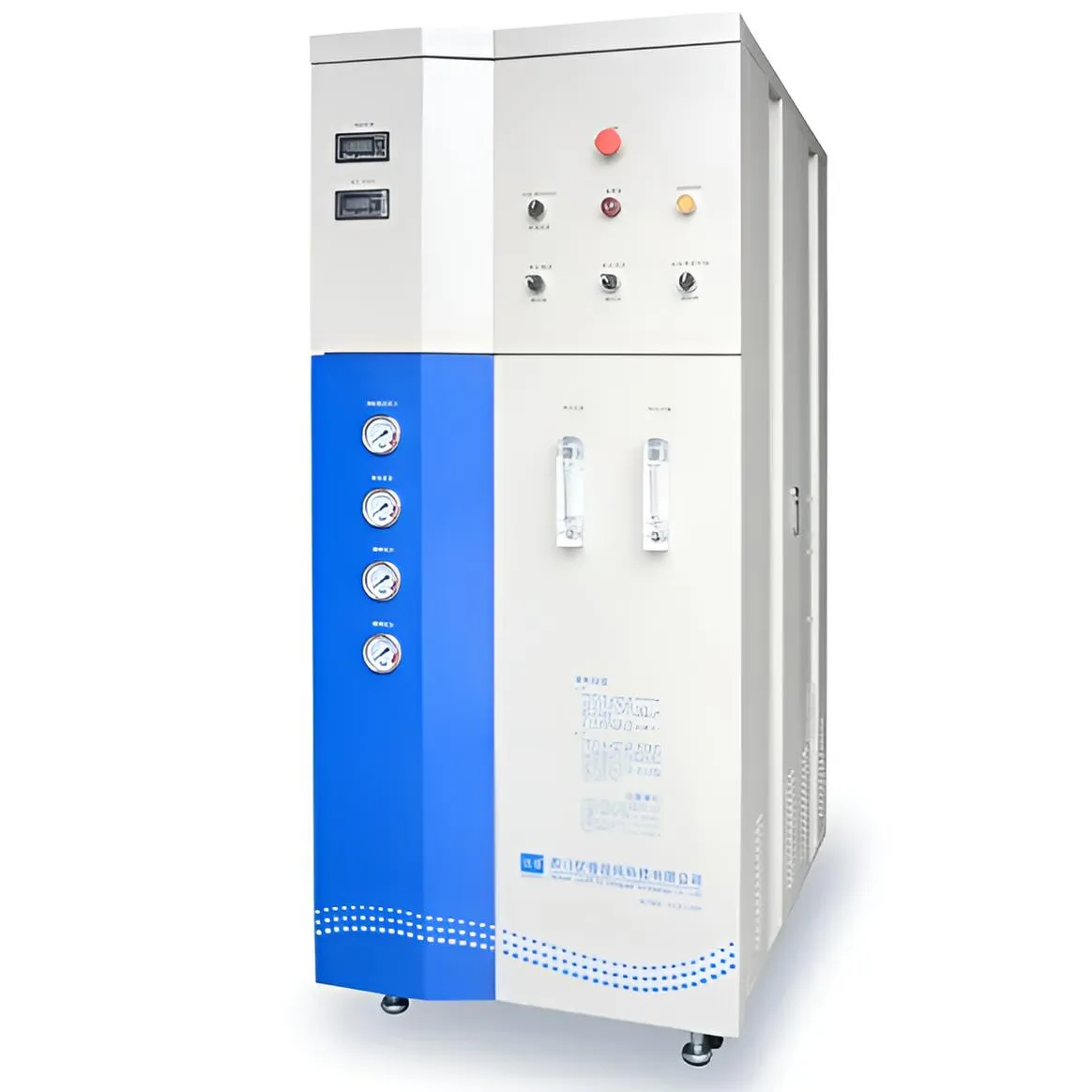
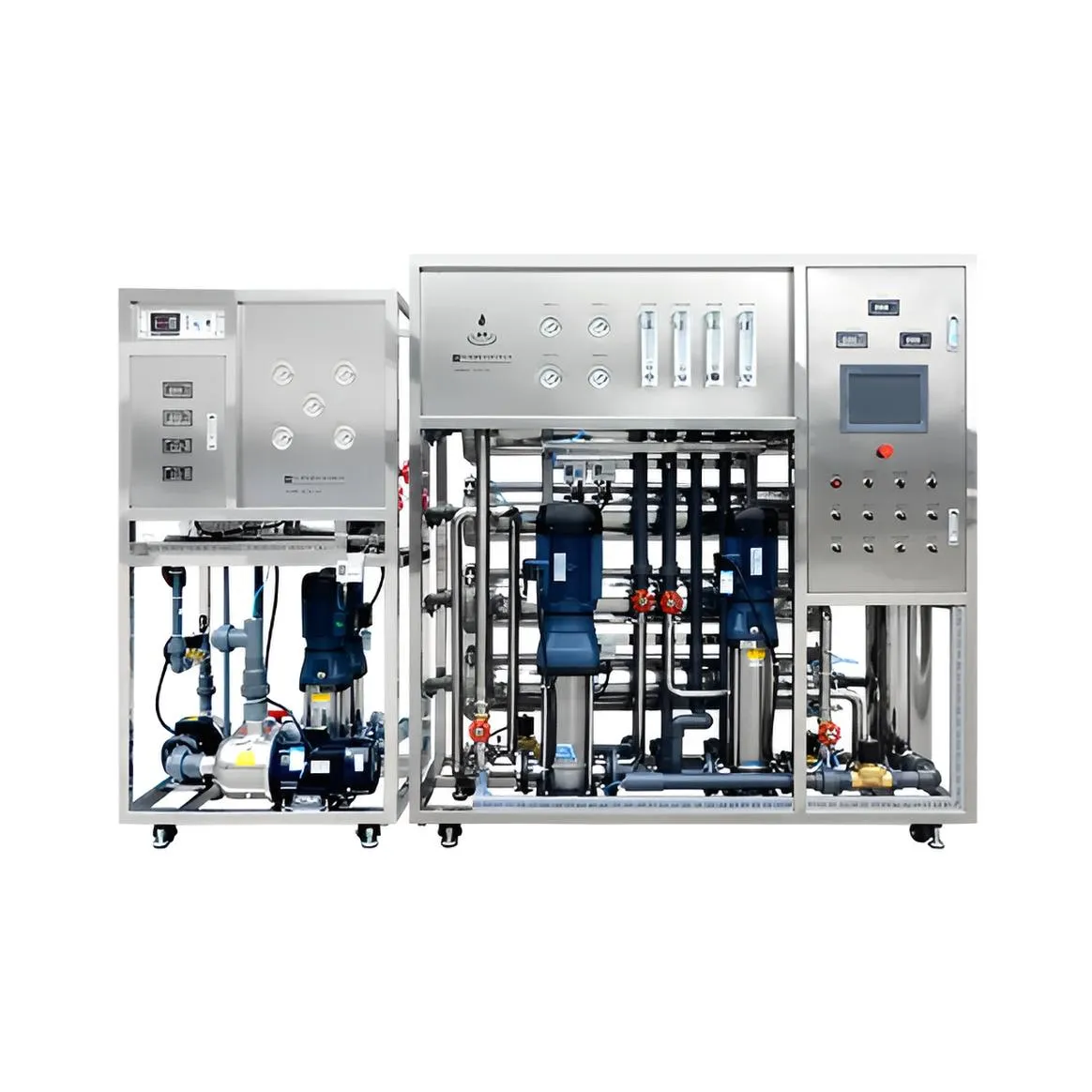
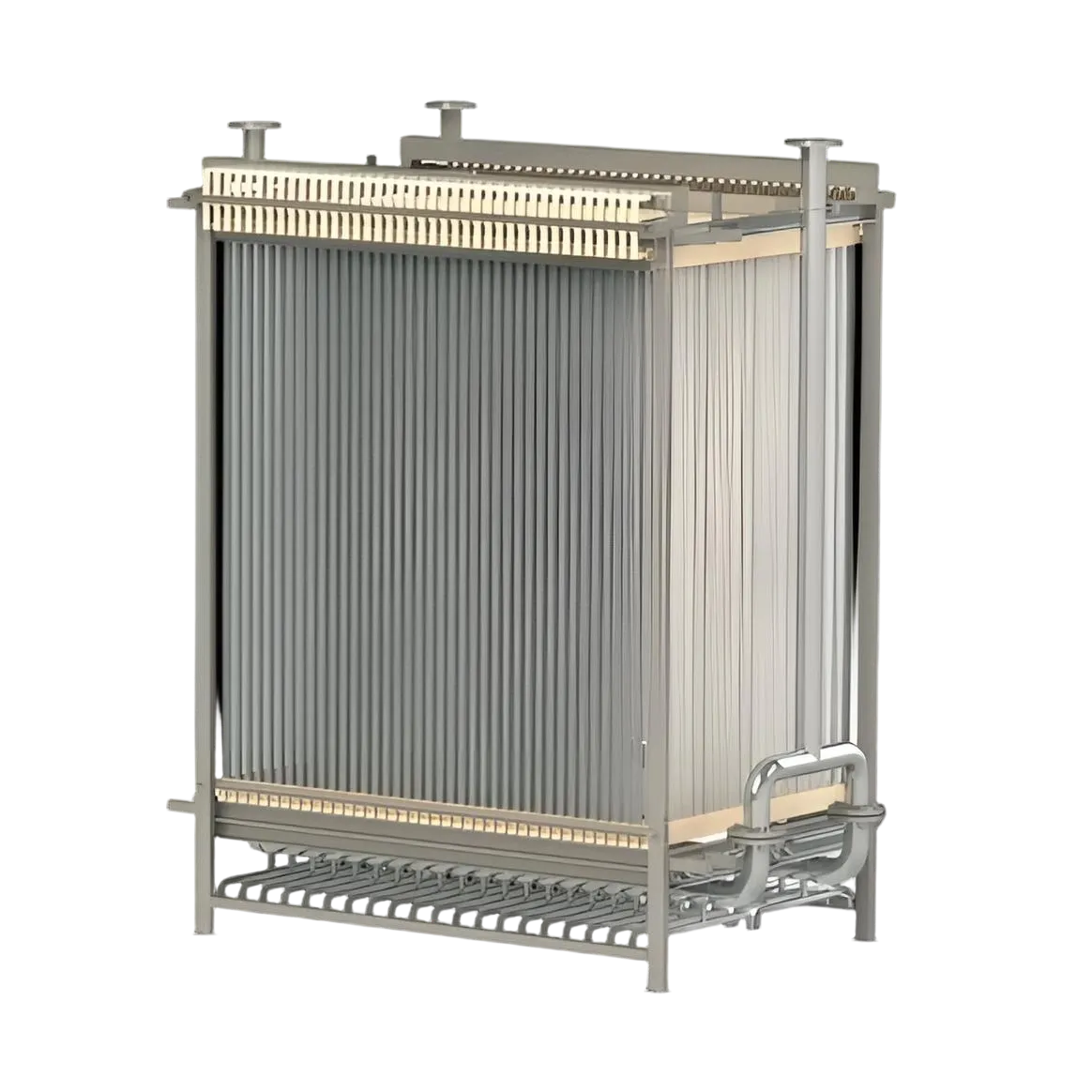
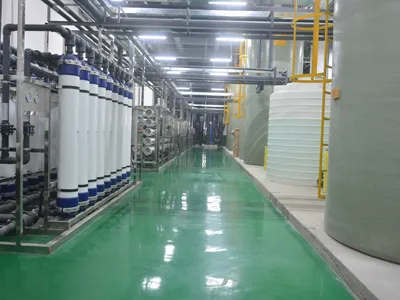
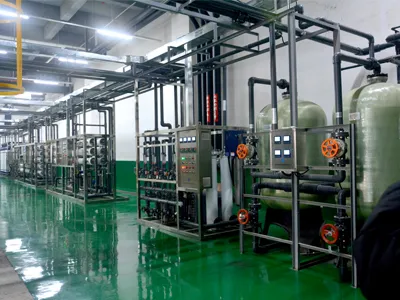
A centralized pure water supply model refers to setting up pure water production equipment, with laboratory water supplied to various laboratory water points via water supply pipelines. Whether it's a single laboratory or an entire laboratory building, pure or ultrapure water can be directly obtained from the pure water taps at the laboratory water points.
Advantages:
(1) Low operating costs and centralized management.
(2) Collective use, eliminating the possibility of idle machines.
(3) High output, with water used in a network, allowing multiple water points within the same laboratory.
Disadvantages: The system must ensure long-term safe operation; otherwise, there is a risk of water outages.
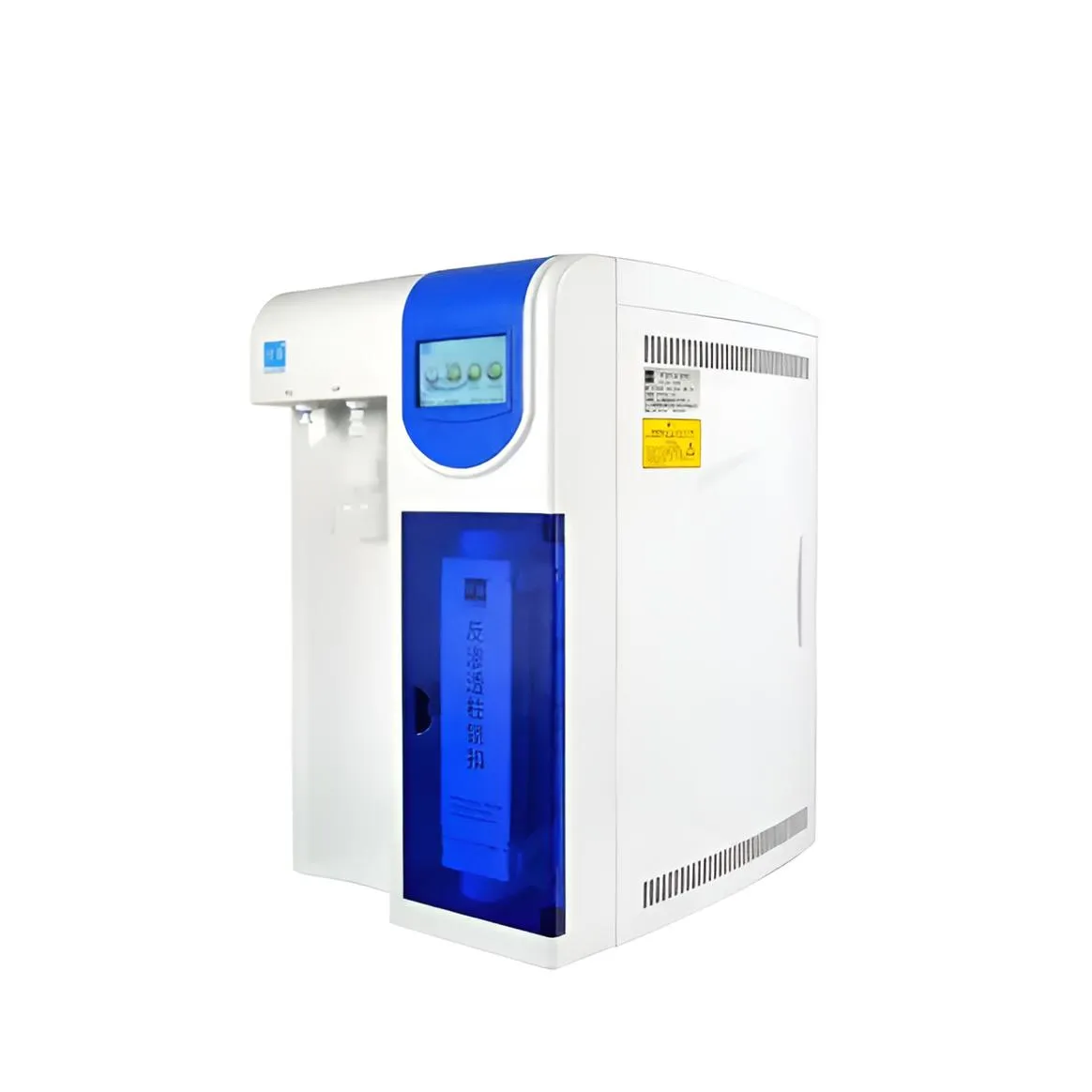
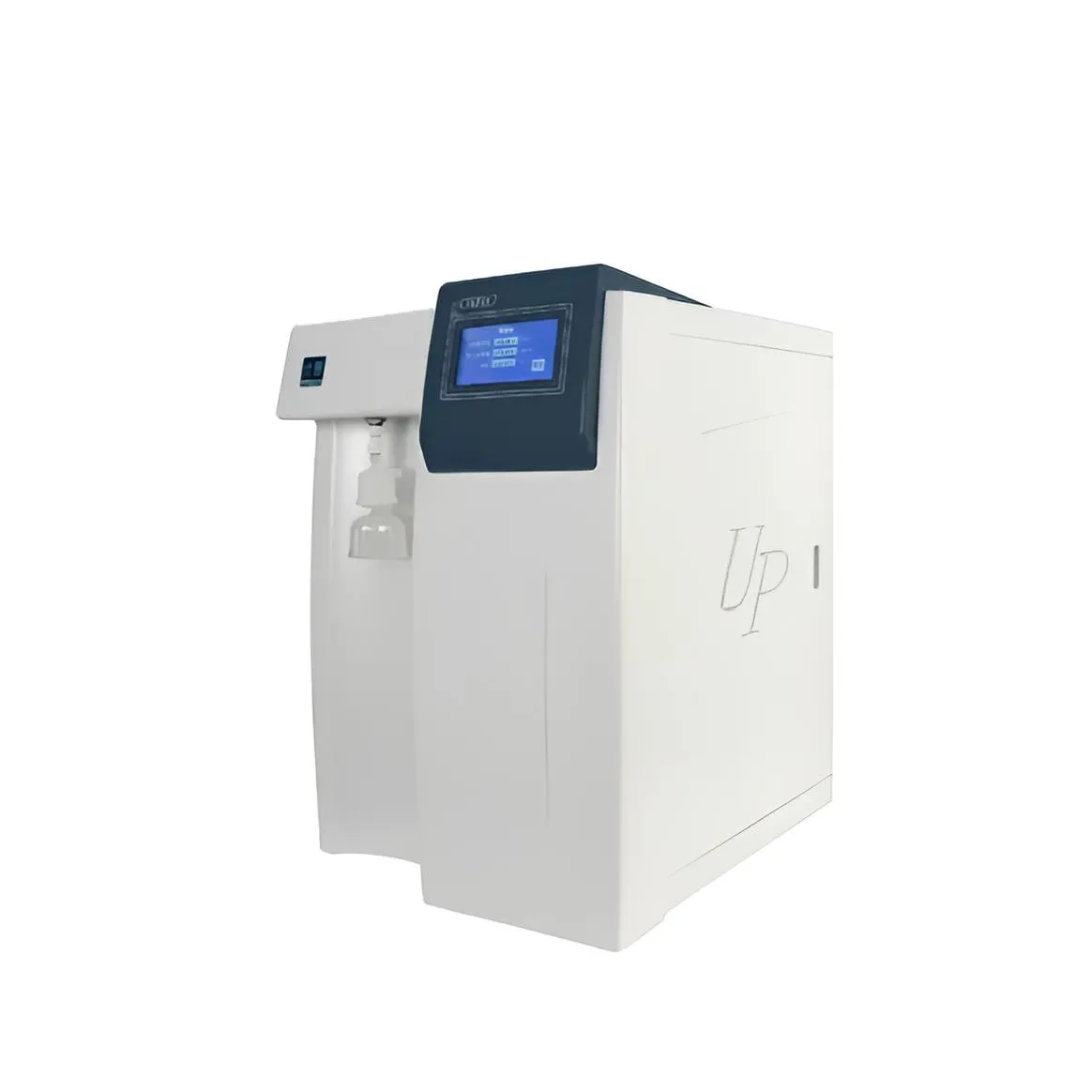
A decentralized pure water supply model refers to setting up pure water machines or finished water at various water points within the laboratory.
Advantages: Instruments have individual usage rights, resulting in high utilization rates.
Disadvantages:
(1) High operating costs, decentralized management, and relatively high consumption costs.
(2) Desktop installation, fixed-point water intake, small machine output, low flow rate, and low work efficiency.
(3) If each experimental group purchases separately, the total investment by the owner in this type of product is very high, which may lead to a higher vacancy rate due to different working conditions of each experimental group, which is not conducive to maximizing investment efficiency. With the development of laboratory equipment, the pipeline network and centralization of laboratory water supply have become the development direction of pure water supply for large laboratory buildings.
As the laboratory market continues to expand, the supply mode of laboratory pure water systems will also undergo new changes. As a laboratory expands in scale, the demand for pure water instruments and equipment will no longer be a single water purification instrument, but multiple instruments rationally distributed. The layout of pure water machines and pure water systems should be selected according to different usage needs, and the pure water system of the laboratory can be reasonably modified according to the actual situation.





