







Phone:
0086 28 87573647
+86 19150187139

In scientific research and experiments, water quality requirements are extremely stringent. As the technology of laboratory ultrapure water systems continues to be updated, the grades of pure water are becoming increasingly refined. Some applications have extremely high requirements for water quality. Let's take a look at some of these applications that have extremely high requirements for pure water.
Endotoxin Analysis: Endotoxin levels are required for water used in various applications, from isolation to cell culture, with maximum levels ranging from 0.25 IU/ml to 0.03 IU/ml. For endotoxin analysis, ultrapure water with low endotoxin levels is suitable, typically 0.05 IU/ml or less. Ultrafiltration is essential for producing ultrapure water with low endotoxin levels (internationally, ultrafiltration membranes with a MWCO of 5000 Daltons are commonly used), and it can be combined with photo-oxidation methods such as UV.
Electrophoresis: The most important requirement for water used in electrophoresis is the removal of bioactive substances such as endotoxins (typically less than 0.05 EU/ml), ribonucleases, and proteases (which are undetectable). Ideally, ultrapure water with a resistivity of 18.2 MΩ-cm, TOC <10 ppb, pore size of 0.1 μm or smaller, and bacterial content below 1 CFU/ml should be used as the supply water.
Stone furnace atomic absorption spectrometry (GF-AAS): Unlike other atomic absorption spectrometry methods, GF-AAS replaces the flame furnace with an electronically heated graphite tube or rod, achieving very high sensitivity in elemental analysis. GF-AAS requires a top-quality pure water system, providing ppt-level impurities, a resistivity of 18.2 MΩ-cm, and low TOC levels. Built-in monitoring ensures purity; the final water quality indicators are achieved through a good pretreatment system, continuous circulation, and ultrapurification of pure water.
Inductively coupled plasma mass spectrometry (ICP-MS): ICP-MS can be used to determine elements at the ppt level. For this sensitive ICP-MS analysis, water purity requirements are very stringent, requiring impurities at the ppt level, a resistivity of 18.2 MΩ-cm, and low TOC. The final water quality indicators are achieved through a good pretreatment system, continuous circulation, and ultrapurification of pure water.
Inductively coupled plasma spectrometry (ICP-AES): In ICP-AES applications, sensitivity varies significantly for different elements, but the detection limits for metals, transition metals, phosphorus, and sulfur are all within the ppb range. ICP-AES has very strict requirements for water purity. Ultrapure water with a resistivity greater than 18 MΩ-cm is essential, while TOC requirements are generally less important. Pretreatment typically requires reverse osmosis or ion exchange.
Mass Spectrometry (MS): Mass spectrometry enables trace analysis of mixtures. Due to its high sensitivity, it requires water of the highest purity. All sample preparation and pretreatment, such as solid-phase extraction, require ultrapure water. Impurities in the water must be at the ppt level. For organic analysis, a resistivity of 18.2 MΩ-cm and very low TOC (generally less than 3 ppb) are required.
Trace Metal Detection: Advanced modern analytical instruments continuously improve analytical sensitivity. Trace elements can now be determined at ppt and sub-ppt levels using techniques such as ICP-MS. Trace analysis requires pure water free of measurable components, and the water quality requirements must be suitable for the most stringent and sensitive ICP-MS operations. Therefore, blank reagents, standard dilutions, and sample preparation all require ultrapure water of the highest purity, and may even necessitate operation in a cleanroom.
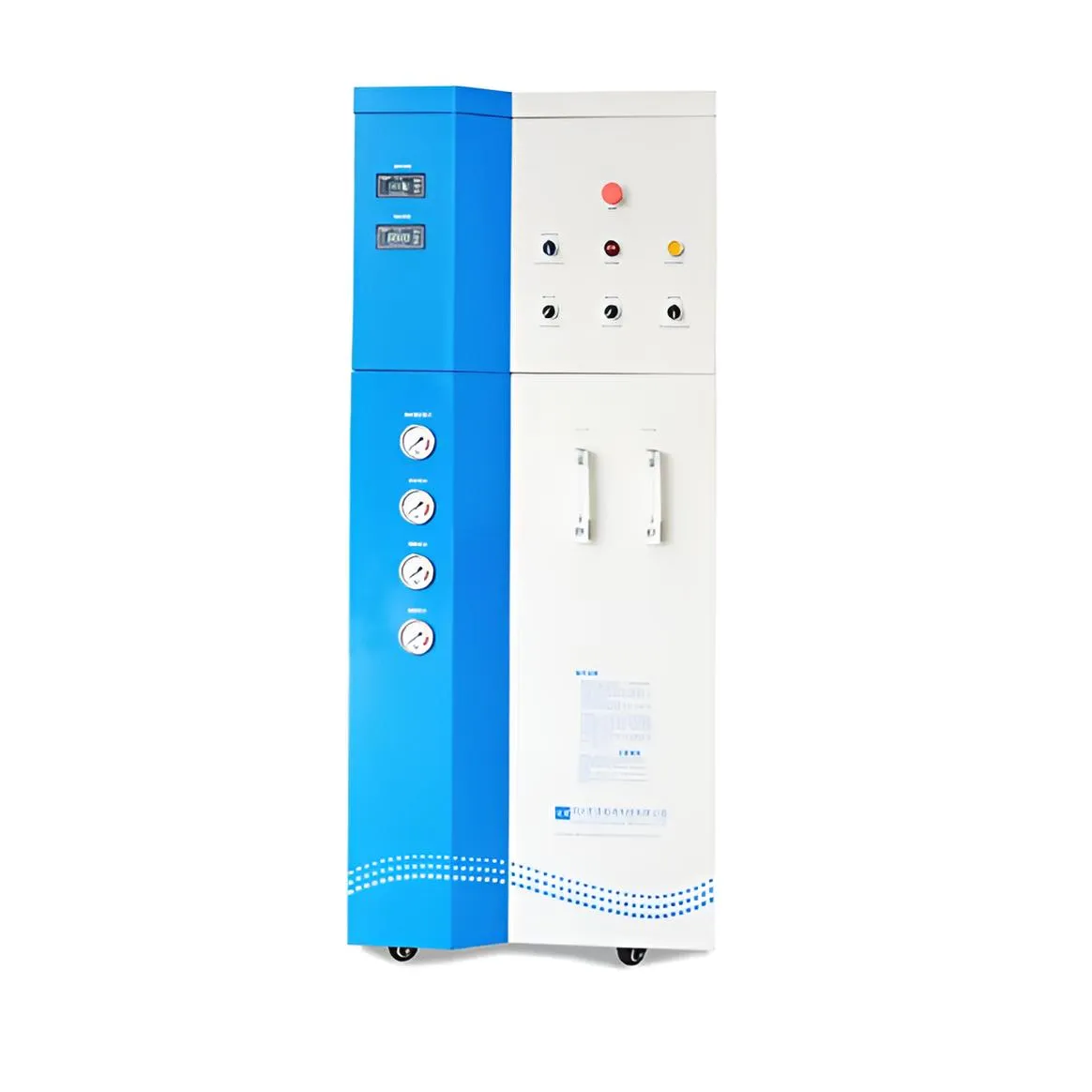
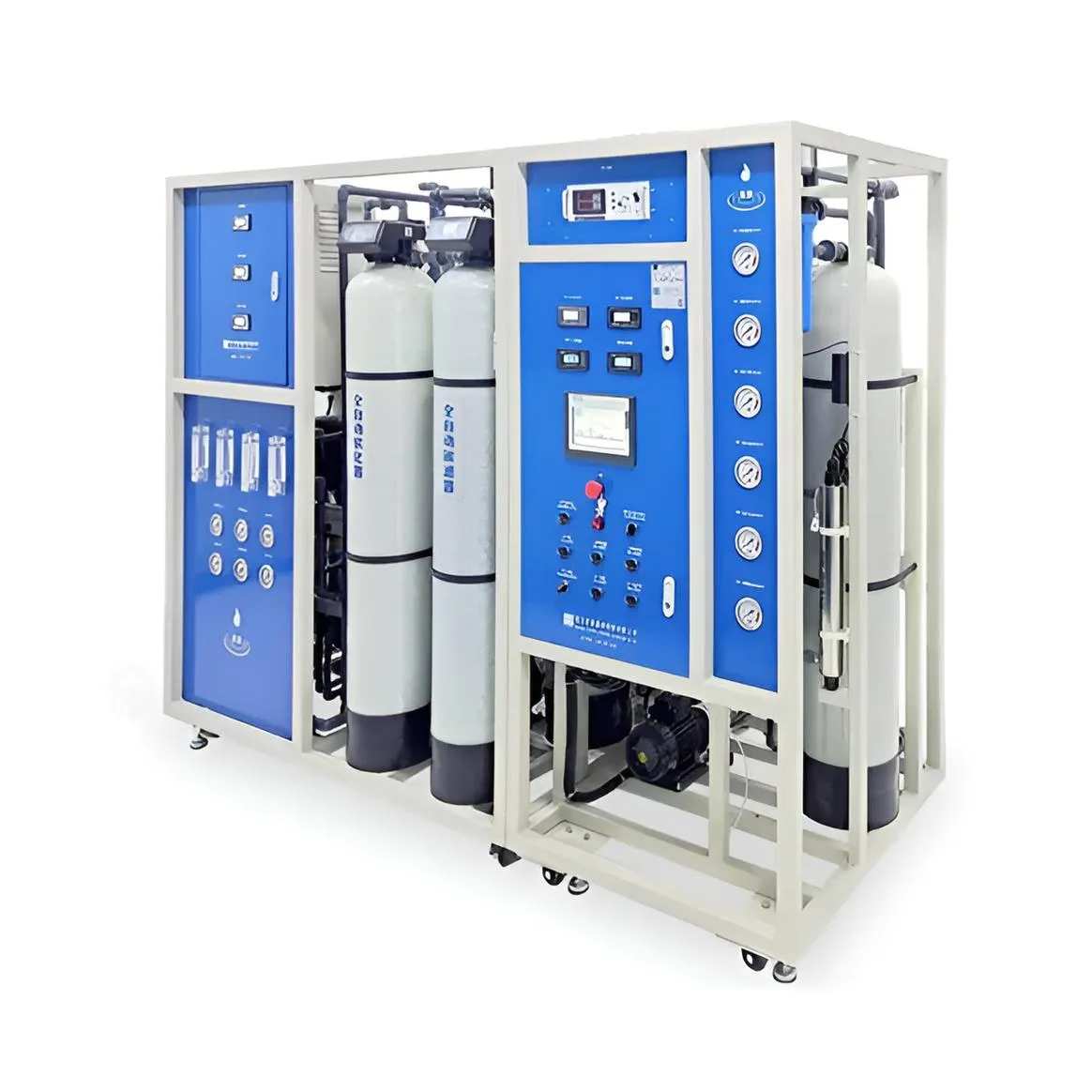
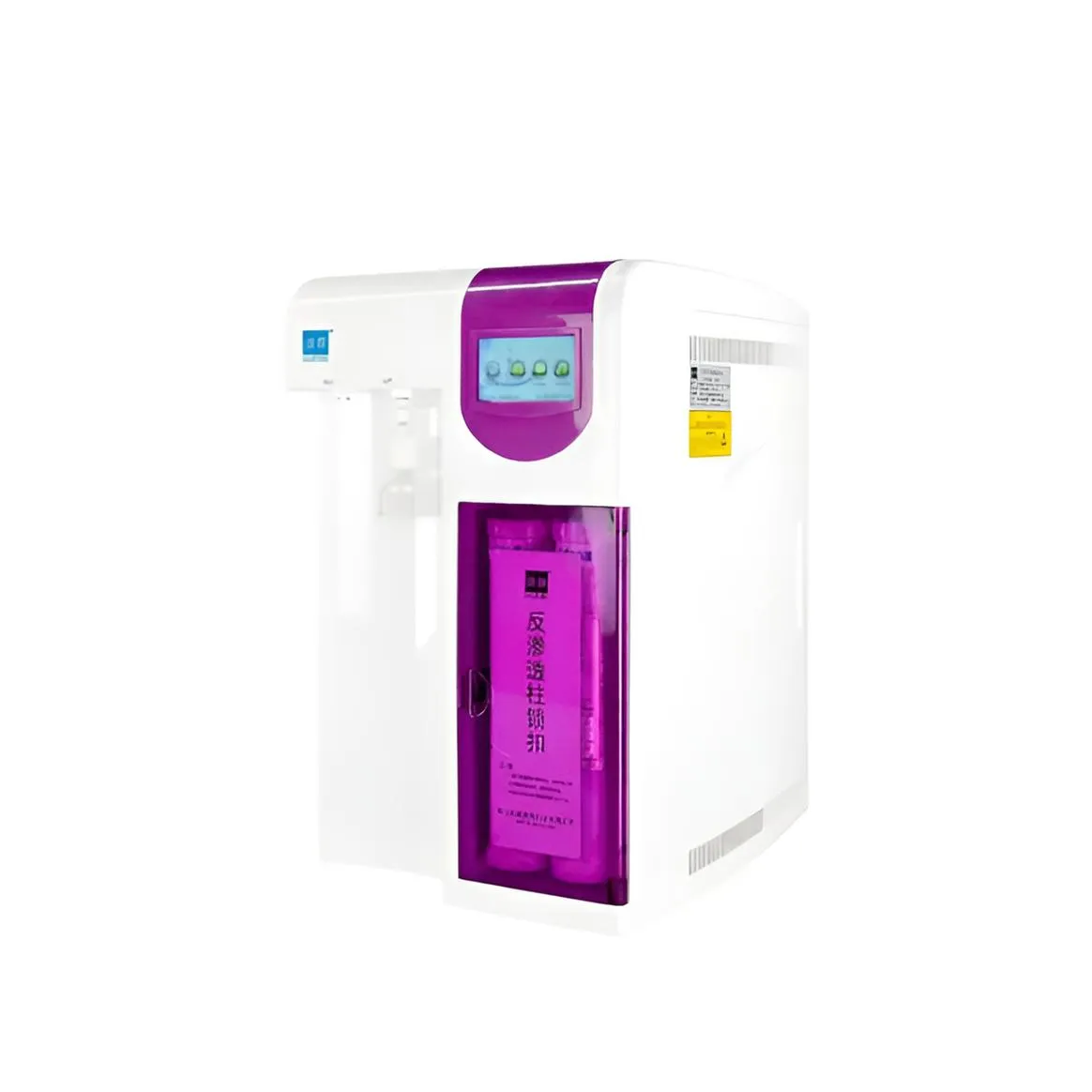
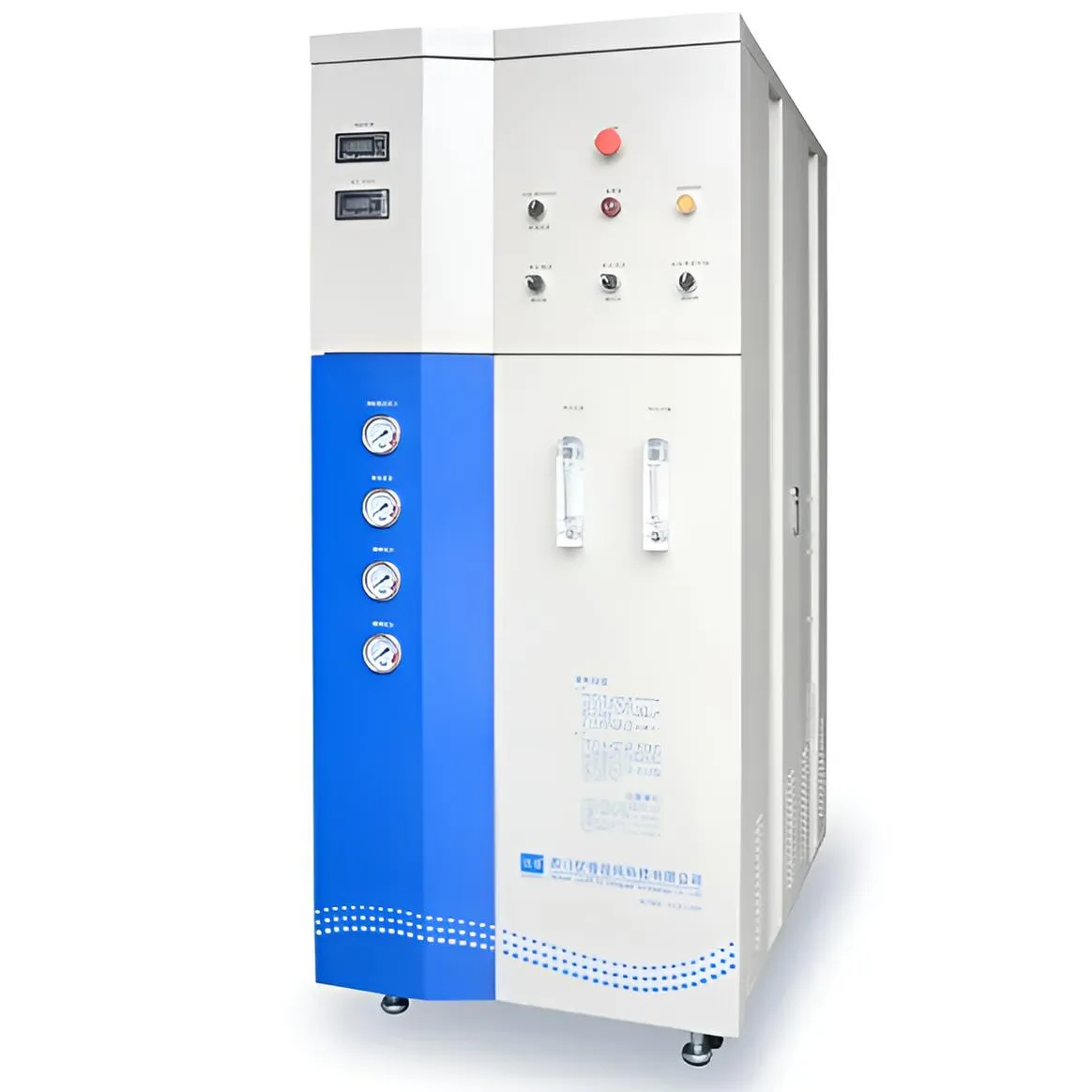
Laboratory-grade pure water systems are the main products of Sichuan UPT Ultrapure Technology Co., Ltd., and are divided into UPT series, ULUP series, UPR series, UPWH series, etc. The water produced is ultrapure water with a resistivity of 18.2MΩ-cm, which meets the national standard GB6682-92. It adopts pretreatment and testing devices for ultrapure water production and advanced American reverse osmosis membrane technology to meet the needs of different experiments.





