

Phone:
0086 28 87573647
+86 19150187139

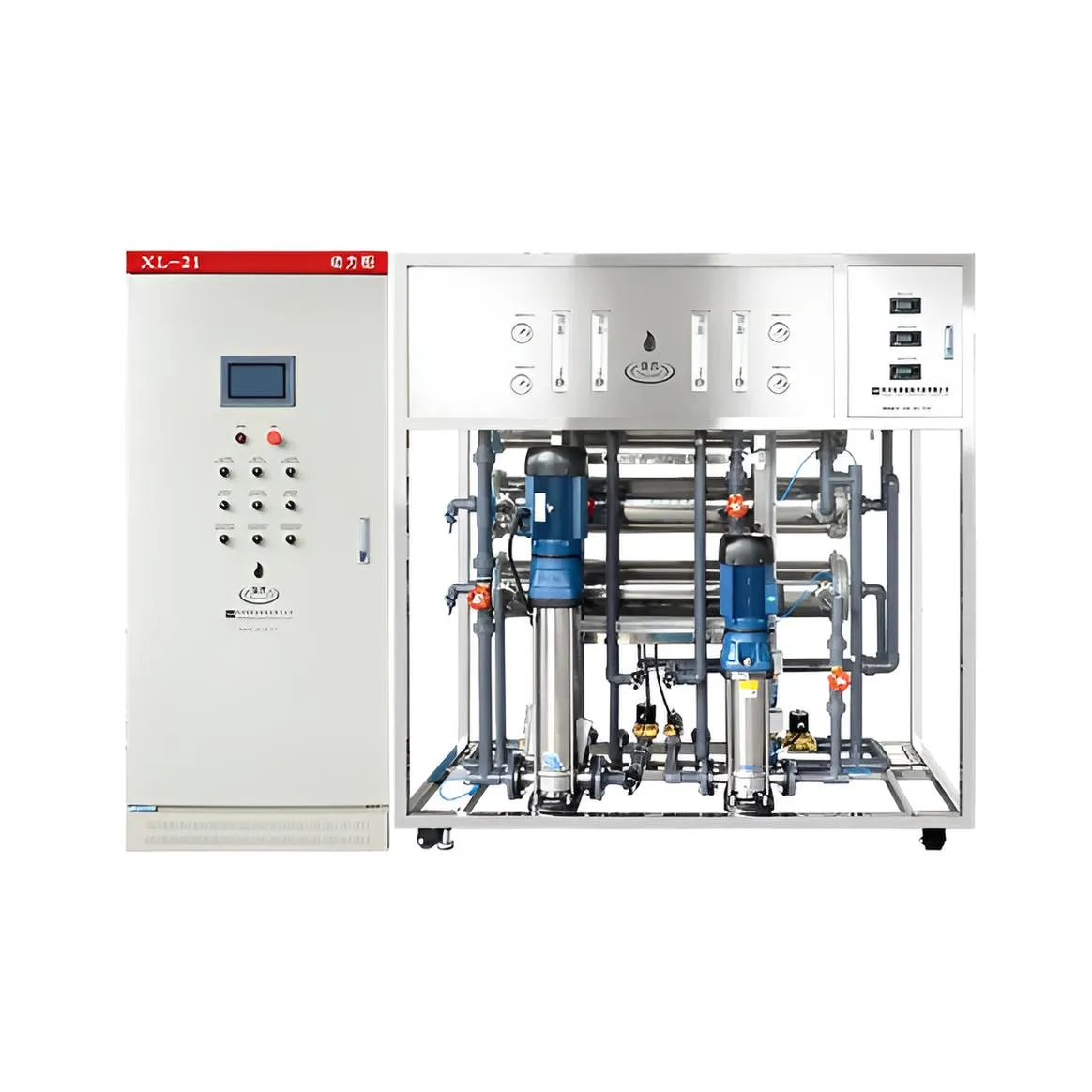
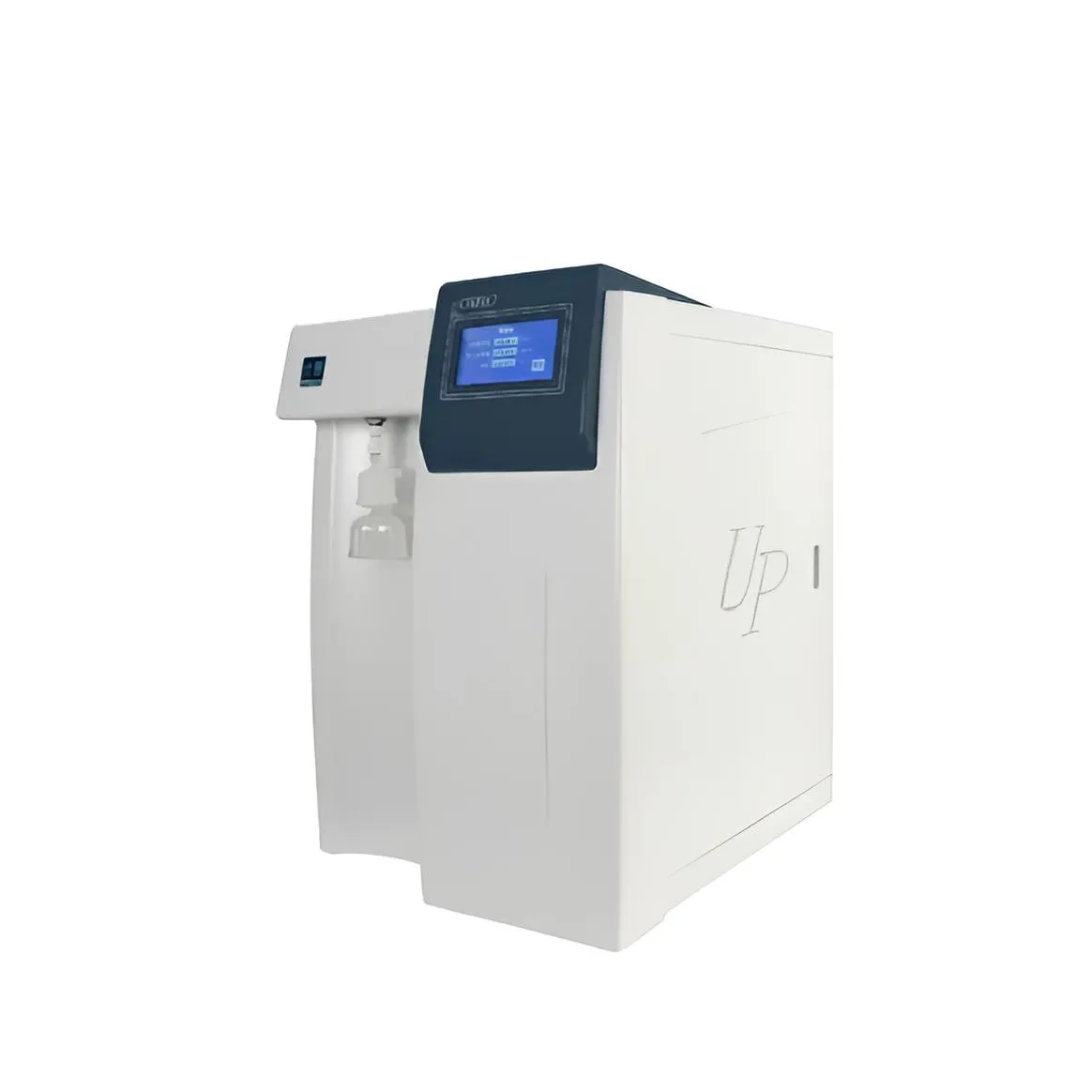
Laboratory ultrapure water and the pure and ultrapure water used in production processes are almost all produced based on drinking water from waterworks. However, drinking water from waterworks contains not only suspended solids but also impurities such as ions and organic components. Dissolved gases in the water must also be removed from the pure and ultrapure water. Only in this way can stable, highly pure water be obtained. Before the raw water enters the ultrapure water system, it must undergo pretreatment filtration to remove ions that are sensitive to the reverse osmosis membrane elements, preventing contamination of the RO membrane and ensuring its operating speed and lifespan.
Below, we will introduce some raw water pretreatment systems and related pure water system preparation principles for in-depth understanding, as well as the role of the pretreatment system.
1. Raw Water Pretreatment System
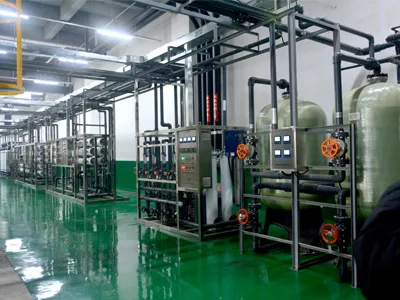
The pretreatment system typically consists of a polypropylene fiber (PP) filter and an activated carbon (AC) filter. For raw water with high hardness, a softening resin filter is also required. PP filter cartridges can efficiently remove mechanical particulate impurities larger than 5μm, rust, and large colloidal contaminants from the raw water, protecting subsequent filters. Its advantages include high dirt-holding capacity and low price. AC activated carbon filter cartridges can efficiently adsorb residual chlorine and some organic matter and colloids from the raw water, protecting the polyamide reverse osmosis composite membrane from oxidation by residual chlorine. In domestically produced laboratory ultrapure water equipment, softening resin can remove most of the calcium and magnesium ions from the raw water, preventing scaling and clogging on the surface of the subsequent RO membrane and improving water recovery rate.
2. Ultrapure Water System Preparation Principle
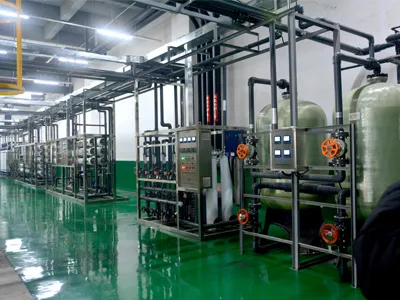
An ultrapure water system typically consists of three parts: a raw water pretreatment system, a reverse osmosis purification system, and an ultrapure post-treatment system. The purpose of pretreatment is primarily to ensure that the raw water meets the feed water requirements of the reverse osmosis membrane separation unit, guaranteeing the stable operation of the reverse osmosis purification system. The reverse osmosis membrane system is theoretically the most economical and efficient purification method, removing over 98% of ions, organic matter, and 100% of microorganisms from raw water in a single pass. The ultrapure water post-treatment system further removes remaining trace ions, organic matter, and other impurities from the reverse osmosis pure water through various integrated technologies to meet the final water quality requirements for different applications.
3. Ultrapure Water Purification System Reverse osmosis is a high-tech membrane separation technology driven by pressure difference, characterized by high single-pass separation, no phase change, and simplicity and efficiency. The pore size of the reverse osmosis membrane is as small as nanometers (1nm = 10⁻⁹m), and no "filtering" pores are visible on the surface under a scanning electron microscope. Under an operating pressure higher than the osmotic pressure of the raw water, water molecules can reverse osmosis through the RO semi-permeable membrane to produce pure water, while a large number of inorganic ions, organic matter, colloids, microorganisms, pyrogens, etc., in the raw water are retained by the RO membrane. During the use of pure water and laboratory ultrapure water production equipment, attention must be paid to various production issues: pretreatment, production, disinfection, storage, and transportation—all stages that significantly impact the quality of the final product.
The primary function of the ultrapure water system's raw water pretreatment system is to reduce the raw water's pollution index, residual chlorine, sediment, and large particulate impurities to meet the requirements of the pure water equipment and achieve different water quality standards. Of course, if the water quality is poor, a superimposed filtration system can be used. Different pretreatment systems can be employed depending on the water source to meet the needs of different laboratory projects.