


Phone:
0086 28 87573647
+86 19150187139

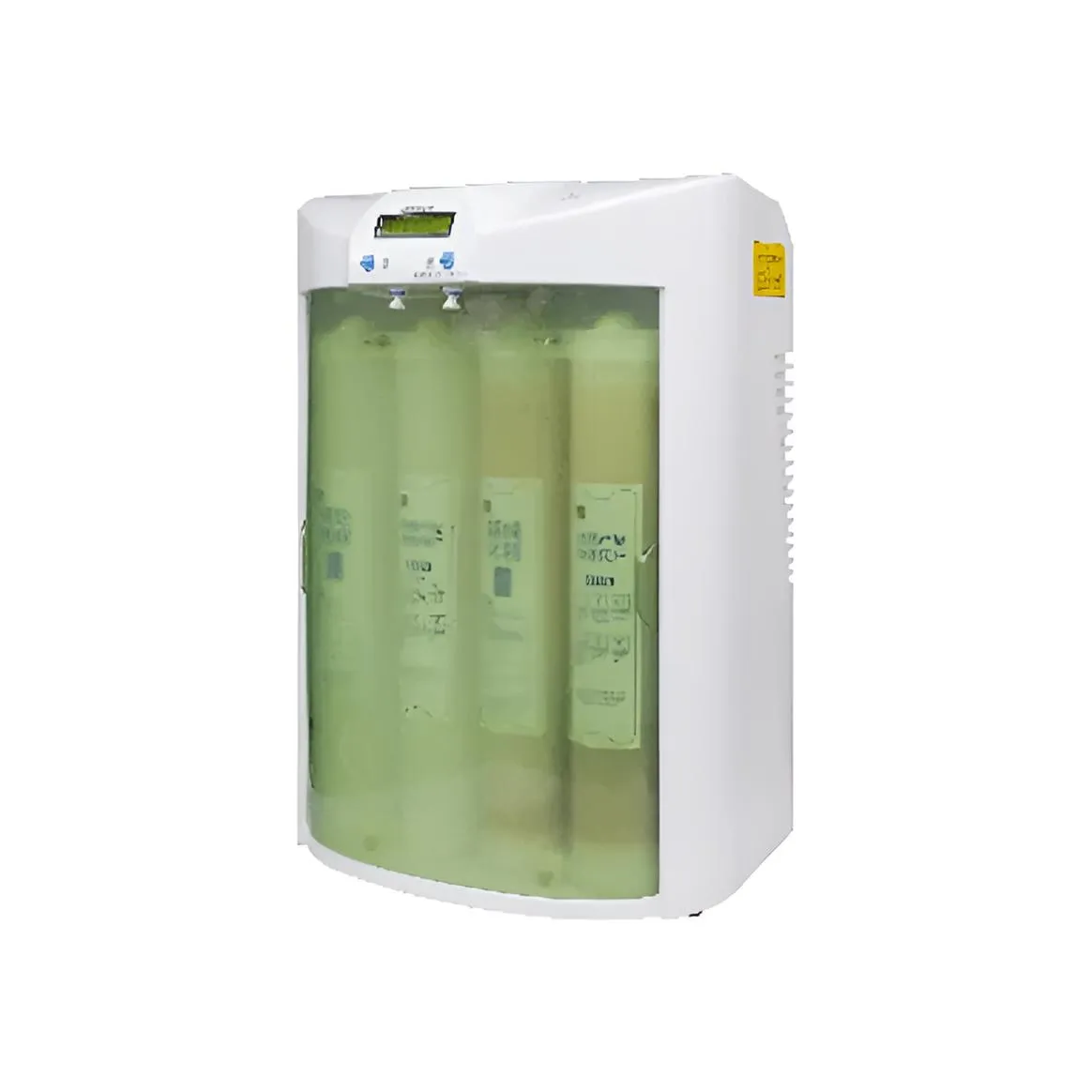
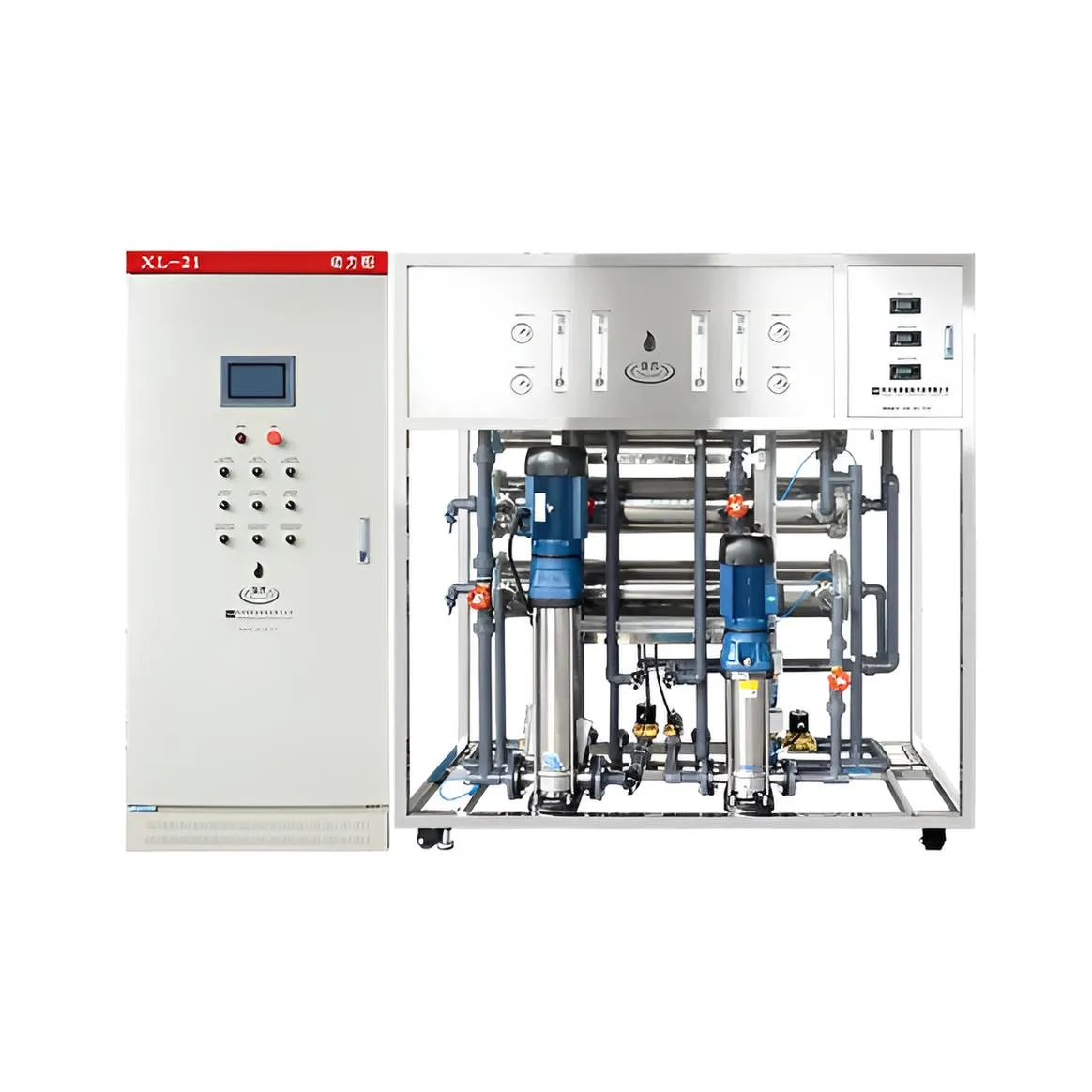
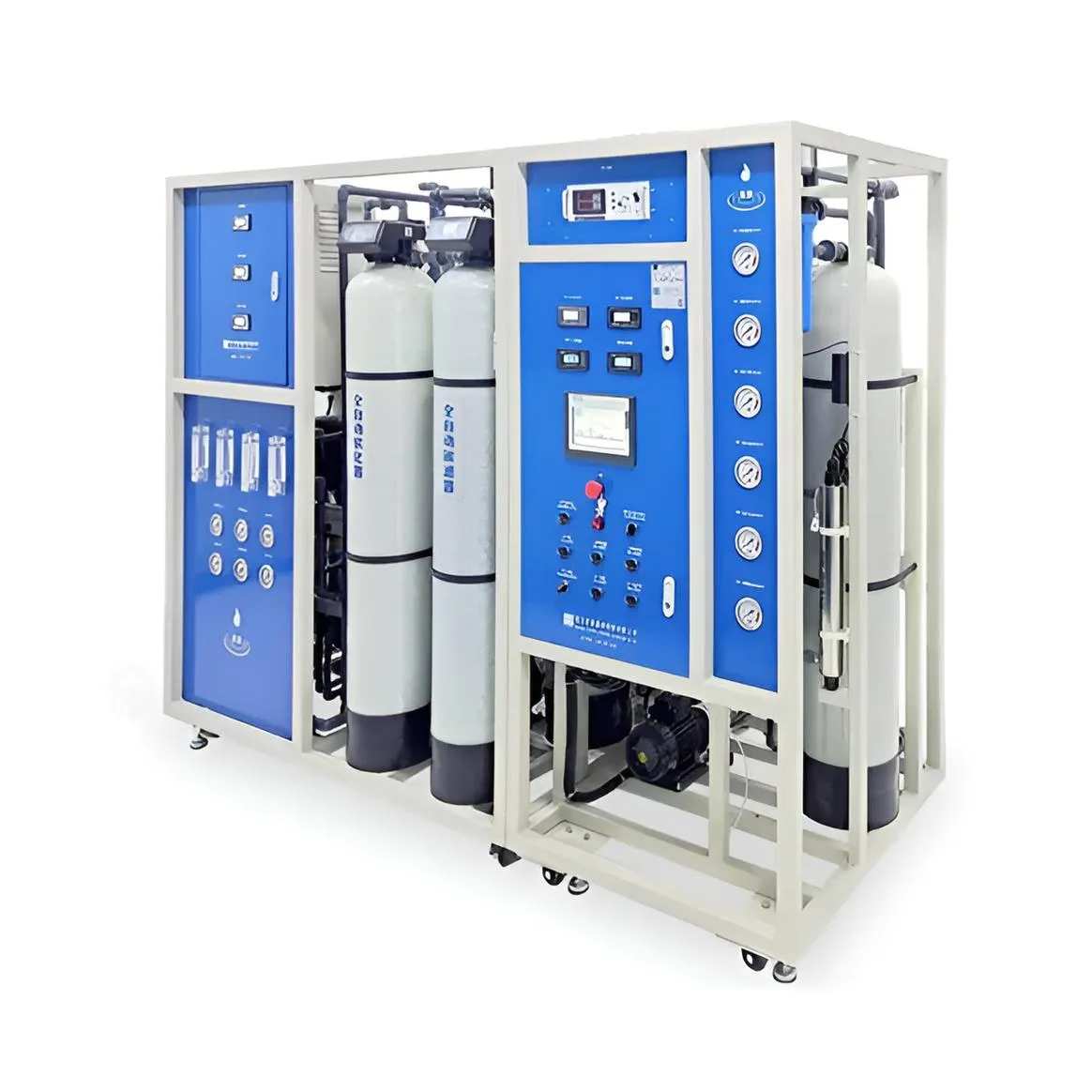
EDI (Electrodeionization), also known as electro-desalination, is a novel pure and ultrapure water production technology that began to develop internationally in the 1990s, representing a revolutionary advancement in the history of pure water production technology. This technology ingeniously integrates electrodialysis and ion exchange technologies. Through the selective permeation of anions and cations by anion and cation exchange membranes and the ion exchange activity of ion exchange resins, ions migrate directionally under the influence of a direct current electric field, thus achieving deep desalination of water. Simultaneously, the hydrogen and hydroxide ions generated by water electrolysis regenerate the ion exchange resins, enabling continuous production of ultrapure water without the need for acid-base chemical regeneration. It boasts advanced technology, simple operation, and excellent environmental characteristics, making it a clean production technology increasingly widely used in electronics, power, pharmaceuticals, chemicals, and laboratories.
Electropure EDI Equipment (Imported from the USA)
For decades, the production of pure water has come at the cost of consuming large amounts of acids and alkalis. These acids and alkalis inevitably cause environmental pollution, equipment corrosion, potential harm to human health, and high maintenance costs during production, transportation, storage, and use. Reverse osmosis has significantly reduced the amount of acids and alkalis used, but some issues remain. The widespread use of reverse osmosis and electro-desalination will bring about an industrial revolution in pure water production.
After years of experimentation, Electropure has developed a patented membrane that is superior to similar products in both physical strength and electrical properties, making it more suitable for EDI systems. Electropure's EDI modules are also relatively inexpensive. This makes it possible to use EDI to replace traditional mixed-bed water treatment for ultrapure water production. This further promotes the development of water treatment towards low-cost, pollution-free, continuous production, high output, and easy operation, ultimately making the water treatment industry a green and environmentally friendly industry. It provides a better option for industries requiring ultrapure water.
How EDI Works
Tap water often contains dissolved salts such as sodium, calcium, magnesium, chloride, nitrates, and silicon. These salts are composed of negatively charged ions (ACs) and positively charged ions (Cs). Reverse osmosis can remove more than 99% of these ions. Tap water also contains trace metals, dissolved gases (such as CO2), and other weakly ionized compounds (such as silicon and boron) that must be removed in industrial treatment.
RO effluent (EDI feed water) typically has a conductivity of 4–30 μ/cm, which is equivalent to a resistivity of 50–250 KΩ·cm. Depending on the specific requirements, ultrapure water or deionized water typically has a conductivity of 2–18.2 MΩ·cm.
Electropure's EDI removes these ions by exchanging them with hydrogen or hydroxide ions and then sending them to the concentrate stream.
The exchange reaction takes place in the module's purification chemical chamber, where anion exchange resins exchange their hydroxide ions (OH) for anions (such as chloride ions, Cl). Accordingly, cation exchange resins use their hydrogen ions (H) to exchange cations (such as Na) in dissolved salts.
A DC electric field is applied between the anode (+) and cathode (-) at both ends of the module. This potential causes the ions exchanged onto the resin to migrate along the surface of the resin particles and through the membrane into the concentrate chamber. The anode attracts negatively charged ions (such as OH-, Cl-). These ions pass through the anion exchange membrane into the adjacent concentrate stream but are blocked by the cation-selective membrane, thus remaining in the concentrate stream. The cathode attracts cations (such as H+, Na) from the pure water stream. These ions pass through the cation-selective membrane into the adjacent concentrate stream but are blocked by the anion exchange membrane, thus remaining in the concentrate stream. As water flows through these two parallel chambers, ions are removed in the pure water chamber and accumulate in the adjacent concentrate stream, then carried away from the module by the concentrate stream. The use of ion exchange resins in both pure and concentrated water is key to ElectroupreEDI technology and its patents. An important phenomenon occurs in the ion exchange resin in the pure water chamber. In localized areas of high potential difference, the electrochemical reaction decomposes water, producing large amounts of H₂ and OH₂. The localized generation of H₂ and OH₂ in the mixed-bed ion exchange resin allows for continuous regeneration of the resin and membrane without the need for chemical additives.
To ensure optimal EDI operation and prevent malfunctions, proper pretreatment of the EDI feed water is essential. Impurities in the feed water significantly impact the deionization module and may shorten its lifespan.
EDI Feed Water Conditions:
EDI module performance depends on a wide range of operating conditions.
The following are the minimum conditions for ensuring normal EDI operation. To improve system performance,
these conditions should be appropriately increased during system design.
Advantages of EDI (Electrodeionization):
1. No acid/alkali regeneration required. Electrodeionization is safe, and wastewater treatment is simplified.
2. Continuous production is possible. Electrodeionization production is continuous, eliminating the complex regeneration operations required in mixed-bed systems and reducing the need for backup equipment.
3. No waste acid/alkali treatment required. There is no waste acid/alkali neutralization and discharge treatment system. 4. **Simple Installation:** Electrostatic precipitators require minimal floor space, accommodating most standard plant buildings. For lower-cement plants, horizontal configuration of the electrostatic precipitator modules can be used.
5. Simple System Design: Electrostatic precipitator modules are easily designed to achieve flow rates of 450 tons/hour or higher.
6. Low Operating Costs: Electrostatic precipitator systems are competitively priced compared to mixed-bed systems.
7. Practical Design: Maintenance and capacity adjustments for electrostatic precipitator systems are straightforward. Membrane stack replacements can be completed on-site with minimal downtime.
8. Easy Installation and Maintenance: Electrostatic precipitators allow for maintenance of individual membrane stacks by redistributing flow rates from other stacks without altering system performance.
9. Stable Water Quality: Electrostatic precipitator effluent quality is consistently high, unlike the fluctuating water quality of conventional mixed-bed systems. 10. Standard Design. Utilizing standard units, which can be combined like building blocks, it can meet the needs of users with different water production capacities.