


Phone:
0086 28 87573647
+86 19150187139

I worked in a thermal power plant for several years, spending about a month and a half in the water treatment workshop learning about water softening. Sometimes I even used resin to soften the water in my fish tank before use. Therefore, I'd like to introduce the water softening method to everyone here:
Water softening resins are generally divided into two types: cation exchange resins and anion exchange resins. As the names suggest, these two types of resins are used to adsorb (exchange) cations such as Ca and Mg, and anions such as NO3 and SO4, respectively. Water treated with cation exchange resins is alkaline, while water treated with anion exchange resins is acidic, depending on the type of ions they adsorb. The two types of resins are basically indistinguishable in appearance; both are yellowish-brown, slightly larger than millet grains, and very light.
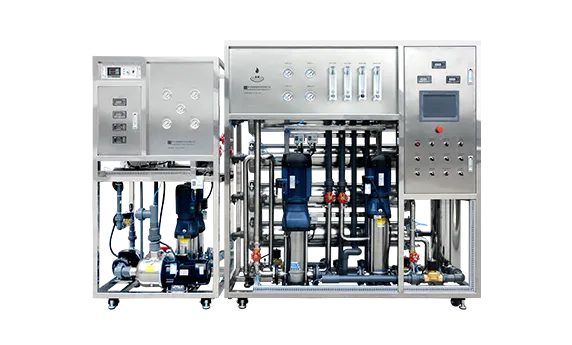
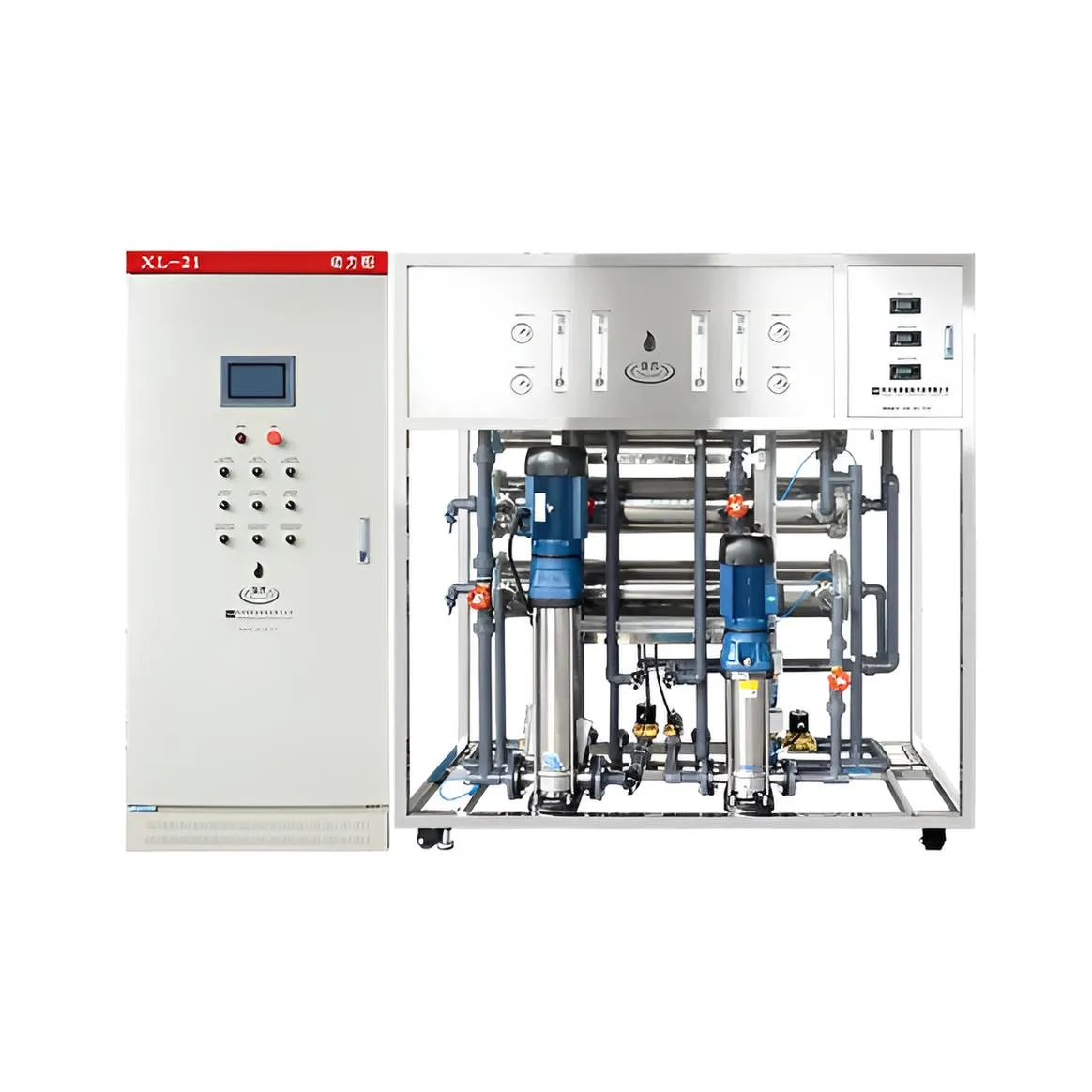
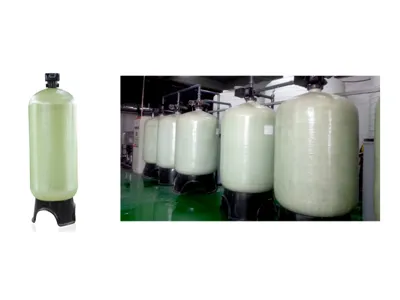
In the chemical water treatment workshop of the power plant, after water passes through a cation exchange bed (filled with cation exchange resin) and an anion exchange bed (anion exchange resin), the hardness can reach zero, and the conductivity is also very low. This is softened water. A cation exchange resin bed or anion exchange resin bed is essentially a large tank where hard water is softened by passing through resin. Because of the pressure and flow rate of the water, the resin churns within the tank; hence, some places call this a "boiling bed," all referring to the same type of system. The process in a purified water factory is roughly the same, except that the purified water undergoes sterilization. Large-scale production of softened water is not expensive.
Cation exchange resins and anion exchange resins can be regenerated and reused. To ensure the quality of demineralized water, power plants generally use periodic regeneration, rather than waiting until their effectiveness declines. Generally, regeneration is done about every two weeks. While brine can be used for resin regeneration, this is generally no longer used because its effectiveness is not as high as other methods. Cation exchange resins are generally regenerated with acid, with sulfuric acid being preferable; anion exchange resins are regenerated with alkali, with sodium hydroxide being preferable.
Knowing the factory's production process, when using resins, we can follow its methods and miniaturize the system.
The most common method is to place anion exchange resin and cation exchange resin separately in different compartments of an external filter. Because external filters have good sealing properties, allowing them to be placed loosely is also acceptable. This essentially increases the contact area and time, fully utilizing the resin and demonstrating the superiority of external filters.
When using a top filter, the resin can be wrapped in gauze, similar to how activated carbon is used. Place one type of resin on top, then another type in between, separated by a layer of filter cotton. This also works.
Some people, to enhance the ion softening effect, cause the resin particles to agitate (or at least have a certain flow rate) as they pass through water in the container, increasing the contact area and time. Those with the resources can try this; it's very effective. Such equipment has several key points: first, a water pump that generates sufficient pressure; second, two containers about the size of Coca-Cola bottles, with pipes at both ends; third, filters at both ends of the containers to prevent resin particle leakage; and fourth, the order and amount of resin added must be appropriate.
Resin can be regenerated using salt water; soaking for 24 hours allows it to be reused.
To achieve optimal results, use dilute acid or alkali solutions. Remember to use acid for cations and alkali for anions; do not mix them up. Also, be careful when using acids and alkalis. If acid or alkali gets on your skin, immediately rinse with plenty of water; do not rub.
All methods using resin simulate a factory water purification process. The key points are:
1. Do not mix the two;
2. Ensure full contact between water and resin;
3. Use the correct ratio;
4. Regenerate regularly.
As mentioned earlier, water softened by cation exchange resin is alkaline, while water softened by anion exchange resin is acidic. Therefore, using good resin can not only soften water but also adjust its pH. If you want the water to become acidic, pass it through cation exchange resin first, then through anion exchange resin (which has a higher proportion of cations). Generally, even if the ratio of the two ions is the same, the acidity or alkalinity of the water will vary depending on the order in which the ion passes through.
In addition, resin has a good adsorption effect on heavy metal ions and nitrate ions, which is very beneficial to improving the living environment of fish and can save a lot of trouble in changing water.
Finally, the slow, continuous flow of water for softening is more suitable for aquariums, as this method is helpful in maintaining a stable pH level in the aquarium.