

Phone:
0086 28 87573647
+86 19150187139

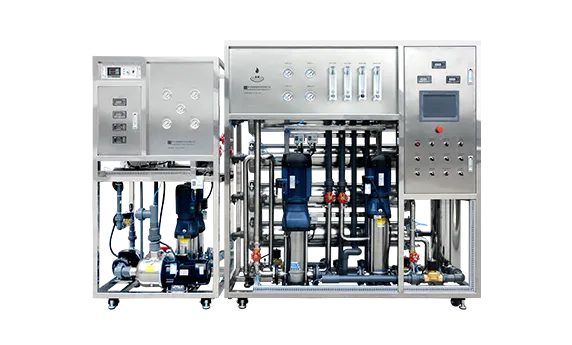
The design of a reverse osmosis desalination system involves selecting a suitable water treatment process, appropriate membrane elements, determining the number and arrangement of membrane elements, and choosing a high-pressure pump, based on raw water quality, product water quality and quantity requirements, discharge water requirements, and site conditions. This design work is a crucial step in the construction of a water treatment system, often playing a decisive role in project quality, investment, and water production cost control.
Currently, the design of reverse osmosis desalination processes by some domestic manufacturers is as follows:
I. Preparation of Design Basis Data
Source water quality analysis data (basis for selecting the pretreatment process required by the reverse osmosis system);
Possible trends in source water quality (basis for designing a reasonable water treatment system);
Product water quality requirements (basis for designing the membrane shape, module arrangement, and post-treatment system of the reverse osmosis desalination system);
II. Determination of Basic Process
Determination of Pretreatment Scheme
Design of Reverse Osmosis Unit, including: a: Determining the type of membrane element to be used based on the source water and water quality; b: Determining the number of membrane elements, the arrangement of membrane modules, and the recovery rate of the reverse osmosis unit based on the requirements for product water volume and quality; c: Selecting the high-pressure pump based on the calculated driving pressure required for the membrane modules; d: Configuring instruments, valves, and other accessories;
Setting up Post-treatment Processes
III. Design of Operation Monitoring System
IV. Determination of Membrane and Membrane Module Cleaning and Maintenance Scheme
V. Operational Experiment and Design Modification