


Phone:
0086 28 87573647
+86 19150187139

To prevent waterborne infectious diseases, it is essential to inactivate pathogenic microorganisms in the water. Chlorine, bleaching powder, or chlorine dioxide are used by over 95% of water treatment plants worldwide due to their cost-effectiveness. According to my country's GB5749-2006 Standard for Drinking Water Quality, the chlorination limit for tap water leaving the treatment plant is 4 mg/L, ensuring that the free residual chlorine content at the end user is 0.3-0.05 mg/L. Therefore, the closer to the water treatment plant, the higher the residual chlorine content; it is common to encounter users with residual chlorine levels exceeding 0.7 mg/L. Because chlorinators require maintenance, chlorination is often intermittent, and the residual chlorine in most users' tap water fluctuates between 0.05-1 mg/L.
1. Toxicological Side Effects: Chlorine added to water reacts with bacteria, microorganisms, organic matter, and inorganic matter to form bound chlorine compounds (NH₂Cl, NHCl₂, and NCl₃). In 1974, Rook of the Netherlands and Belier of the United States first discovered disinfection byproducts (DBPS) such as trihalomethanes (THMS) and chloroform (trichloromethane) in residual chlorine and chlorine-disinfected water, which have carcinogenic and mutagenic effects. In the mid-1980s, it was discovered that another class of haloacetic acids (HAAS) pose an even greater carcinogenic risk; for example, chloroacetic acid, dichloroacetic acid (DCH), and trichloroacetic acid (TCA) have carcinogenic risks that are 50 times and 100 times greater than those of trichloromethane, respectively.
2. Damaging effects on ultrapure water systems: After disinfection, some chlorine is consumed, leaving behind some free chlorine (HClO, Cl2), which will directly enter the ultrapure water system as raw water: ① HClO and Cl2 exist in water in the reactions Cl₂ + H₂O = HCl + HClO (reversible reaction) and HClO = H⁺ + HClO⁻ (reversible reaction). Since Cl2 is a small, uncharged molecule, the reverse osmosis membrane cannot remove it; ② On the other hand, the concentration of ClO⁻ and Cl2 far exceeds the long-term tolerance of the reverse osmosis membrane to residual chlorine (less than 0.01 mg/L), easily oxidizing, decomposing, and perforating the reverse osmosis membrane, causing a rapid decrease in desalination rate.
The above reasons result in a relatively high residual chlorine content in the purified water produced by reverse osmosis (RO). This residual chlorine can cause oxidation reactions in the pipelines and various filter media used in both purified and ultrapure water systems. Customers using UP water may also find excessive levels of organic compounds such as trihalomethanes and chloride ions, meaning the ultrapure water's chlorine blank value fails to meet standards. Furthermore, the strong oxidizing effect of residual chlorine on ion exchange resins damages their functional groups, leading to a decrease in ion exchange performance and accelerated resin breakage, resulting in evaporation residue and absorbance that do not meet national standards.
3. Environmental monitoring departments strictly monitor chlorine levels: Because organic derivatives of chlorine pose a carcinogenic risk to humans, the state controls this indicator. Ion chromatography and other instruments are typically used for detection. If the ultrapure water used to dilute the sample has an excessive blank value, and its chlorine level is not orders of magnitude different from the sample being tested, how can a scientific assessment of the sample be made?
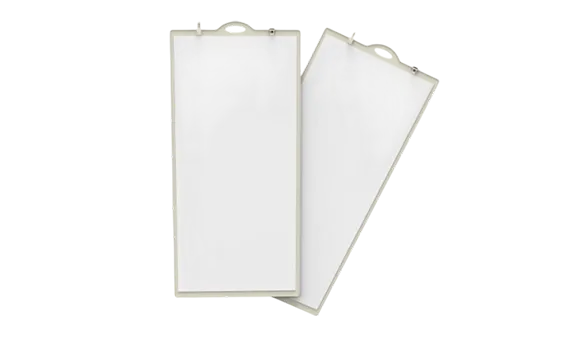
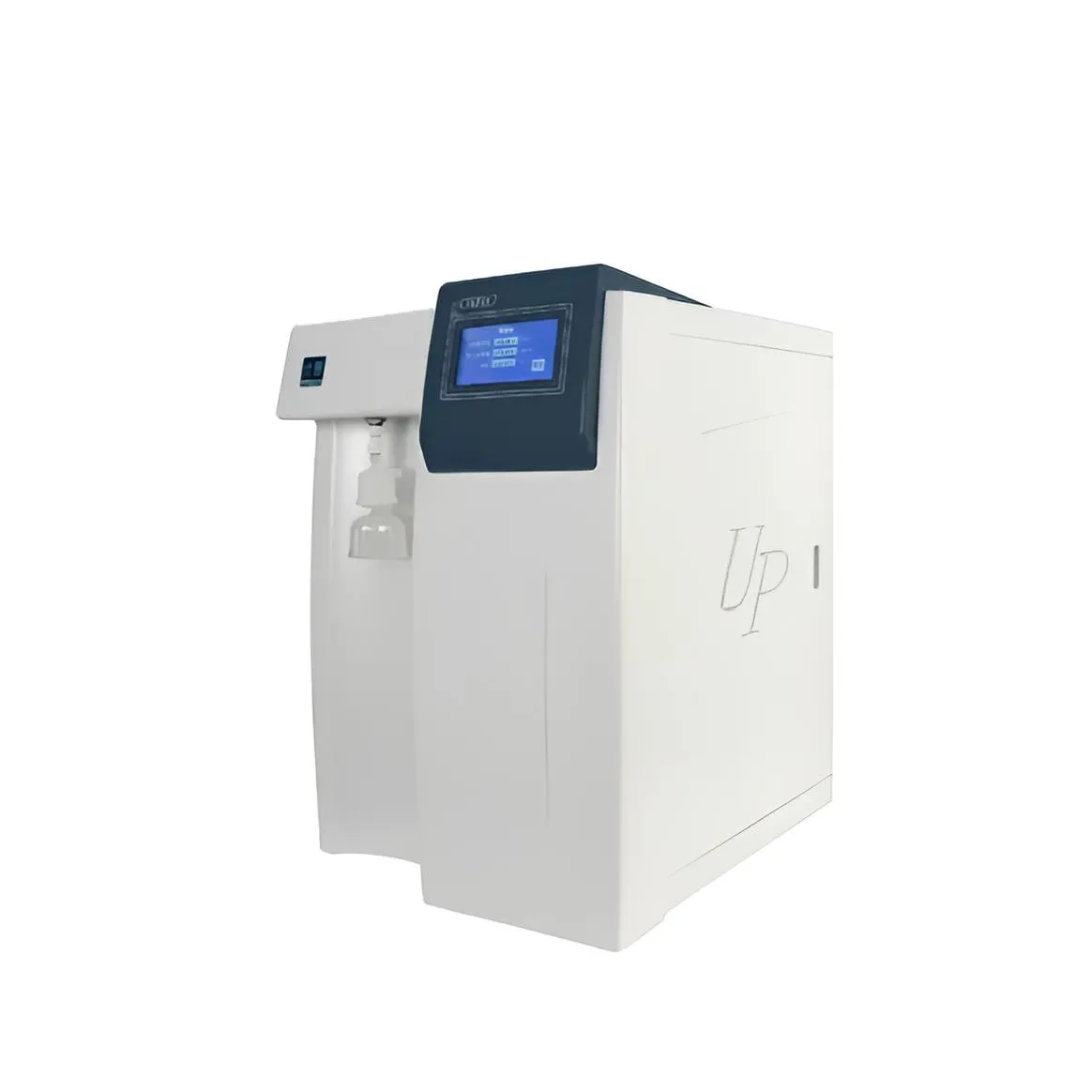
1. High efficiency: The filter media in the unit rapidly and efficiently reduces residual chlorine, converting it into ions that can be removed by the reverse osmosis column, thus improving the stability of the reverse osmosis column.
2. Adsorption and stability: It can adsorb organic matter in water, remove odors and discoloration, and also has the effect of activated carbon; there is no release of heavy metals or organic impurities, and its performance is stable.
3. Scale inhibition: While removing residual chlorine, it can appropriately lower the pH value of the raw water, preventing the combination and sedimentation of calcium and magnesium ions with carbonate ions, thus extending the life of the reverse osmosis column.
4. High filter media utilization rate: Unlike ordinary filter cartridges that only replace the surface of the filter media, ULU filter cartridges perform a deep replacement action, making them a high-performance filter cartridge at a high cost.
Frequent replacement of pretreatment materials such as ULU-A can remove most of the impurities in the water at the source, protecting the high-quality pure water produced by the subsequent reverse osmosis column. Only through subsequent ultrapure water treatment can laboratory ultrapure water with extremely low blank values be obtained.