





Phone:
0086 28 87573647
+86 19150187139

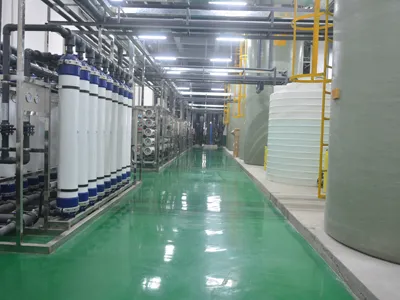
There are certain rules to follow when using an ultrapure water system. First, do not immediately put the equipment into operation; allow it to preheat for ten minutes before starting.
After running for a period of time, the equipment will heat up, which is normal. However, after a period of operation, allow the equipment to rest temporarily.
Second, the ultrapure water system should be used for eight to ten hours a day, but eight hours is preferable. Then, after a period of use, the user should clean the equipment to restore its original performance. While restoring performance, it is important to ensure safety during cleaning and avoid damaging the ultrapure water system.
During daily operation, the ultrapure water system requires regular backwashing. Backwashing involves compressed air friction. After a successful backwash, let it stand for about 10 minutes before performing a forward wash. The reverse osmosis system can only be used after the effluent from the forward wash meets the required standards. Avoid introducing air into the reverse osmosis system. Furthermore, regularly inspect and replace the precision filter promptly to prevent particulate contamination of the reverse osmosis membrane caused by leaks due to installation or quality issues.
Generally, check the filter monthly and replace the filter cartridge every 2-3 months. During operation, frequently check the precision filter for air to prevent it from entering the reverse osmosis membrane. For precision filters that are on standby or shut down for extended periods, take protective measures to prevent bacterial growth.
When the equipment is shut down for an extended period and the user is away from the site, the following steps should be taken: First, drain the water from the ultrapure water system; second, soak the reverse osmosis membrane using the manufacturer's recommended reagent formula (for equipment with an online cleaning system, the protective solution can be injected into the reverse osmosis membrane online; for pure water equipment without this function, the reverse osmosis membrane needs to be removed and soaked in a suitable container); third, ensure proper ventilation in the equipment room.
In addition, when the permeate output of a standardized reverse osmosis unit decreases by 10% compared to its initial commissioning state, or the salinity of the permeate increases significantly under specific conditions, or the pressure differential increases by 15%, the reverse osmosis membrane should be cleaned in a timely manner.





