





Phone:
0086 28 87573647
+86 19150187139

The treatment of hard water to become soft water by reducing the calcium and magnesium ion content is called water softening. The main methods are as follows:
Boiling Method (only applicable to temporarily hard water)
The reaction when boiling temporarily hard water:
Ca(HCO3)2 = CaCO3↓ + H2O + CO2↑
Mg(HCO3)2 = MgCO3↓ + H2O + CO2↑
Since CaCO3 is insoluble and MgCO3 is slightly soluble, magnesium carbonate can react with water under further heating to form even less soluble magnesium hydroxide:
MgCO3 + H2O = Mg(OH)2↓ + CO2↑
Therefore, the main components of scale are CaCO3 and Mg(OH)2.
Chemical Softening Method
The classic industrial water treatment method is chemical softening, such as adding lime (CaO) or sodium phosphate. Adding lime causes carbon dioxide, calcium bicarbonate, and magnesium bicarbonate in the water to precipitate as calcium carbonate and magnesium hydroxide. For hard water with high permanent hardness, an appropriate amount of soda ash can be added. Based on experience, the amount of lime added during softening is approximately 10 grams of pure calcium oxide for every one-degree reduction in temporary hardness per 1000 liters of water.
During the reaction, magnesium precipitates as magnesium hydroxide, while calcium precipitates as calcium carbonate.
Ca2+(aq) -- Lime-Soda method ---> CaCO3(s)
Mg2+(aq) -- Lime-Soda method ---> Mg(OH)2(s)
Ion Exchange Method
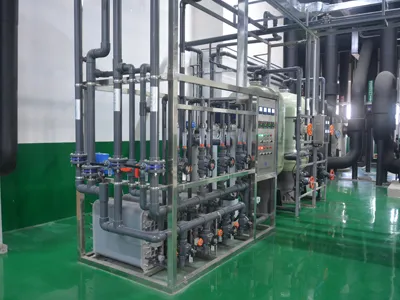
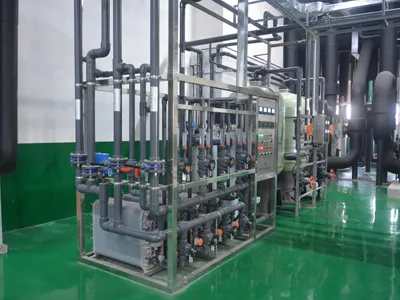
This method utilizes ion exchangers to exchange diffusible ions in water with those in the ion exchanger, thus softening the water. Most beverage water uses organic synthetic ion exchange resins as the ion exchanger.
In water treatment, water first passes through a cation exchange column from top to bottom, allowing metal ions in the water to be adsorbed by the cation exchange resin, while hydrogen ions from the cation exchange resin are exchanged into the water. Then, the water passes through an anion exchange column, allowing anions in the water to be adsorbed by the anion exchange resin, which exchanges hydroxide ions into the water, combining with hydrogen ions to form water, thus purifying the water.
Electrodialysis and Ultrafiltration Technology: Electrodialysis, under the influence of an applied DC electric field, utilizes the selective permeability of anion and cation exchange membranes to allow ions in the water to move towards the anode and cathode, respectively, thus achieving purification. This technology is commonly used to produce primary pure water from tap water.
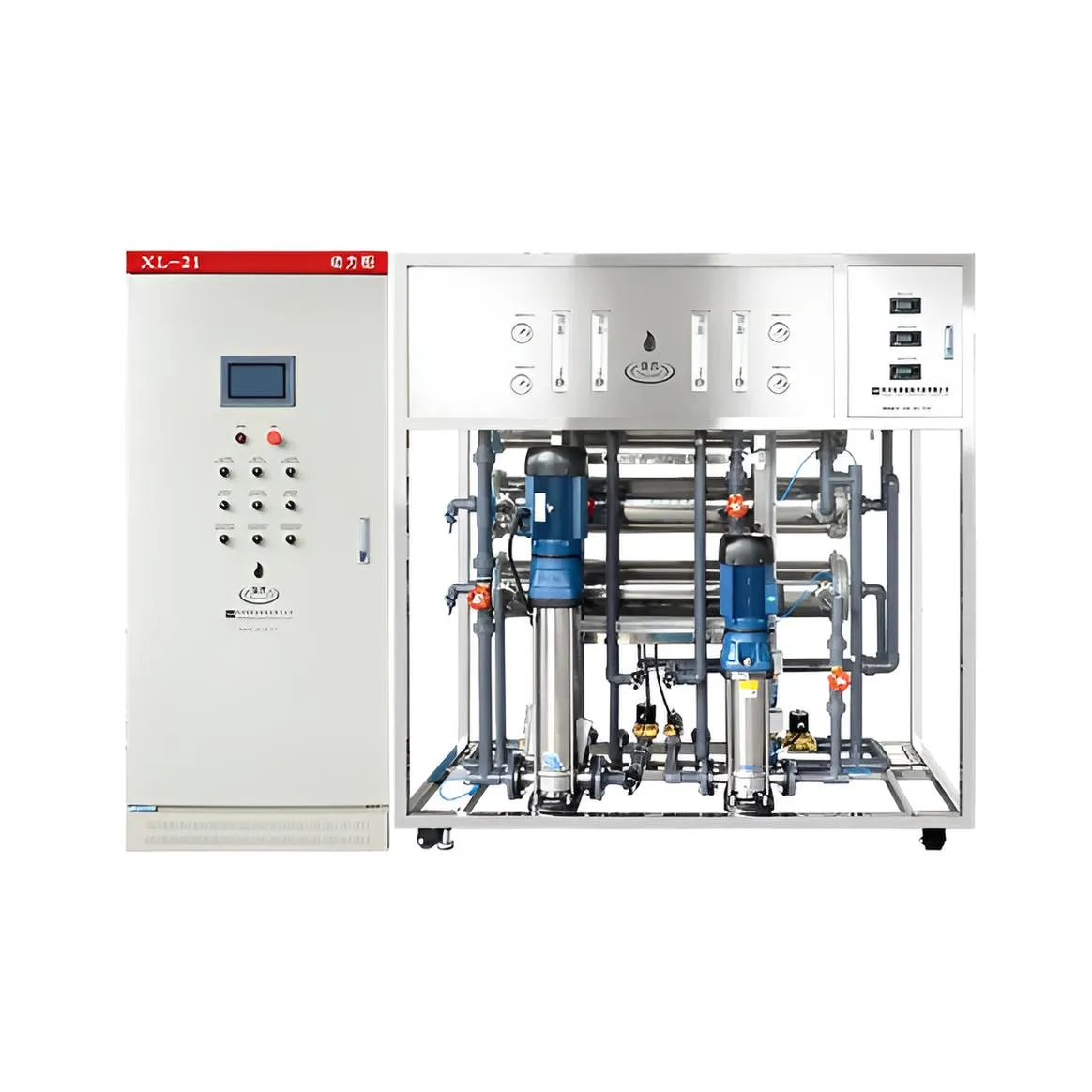
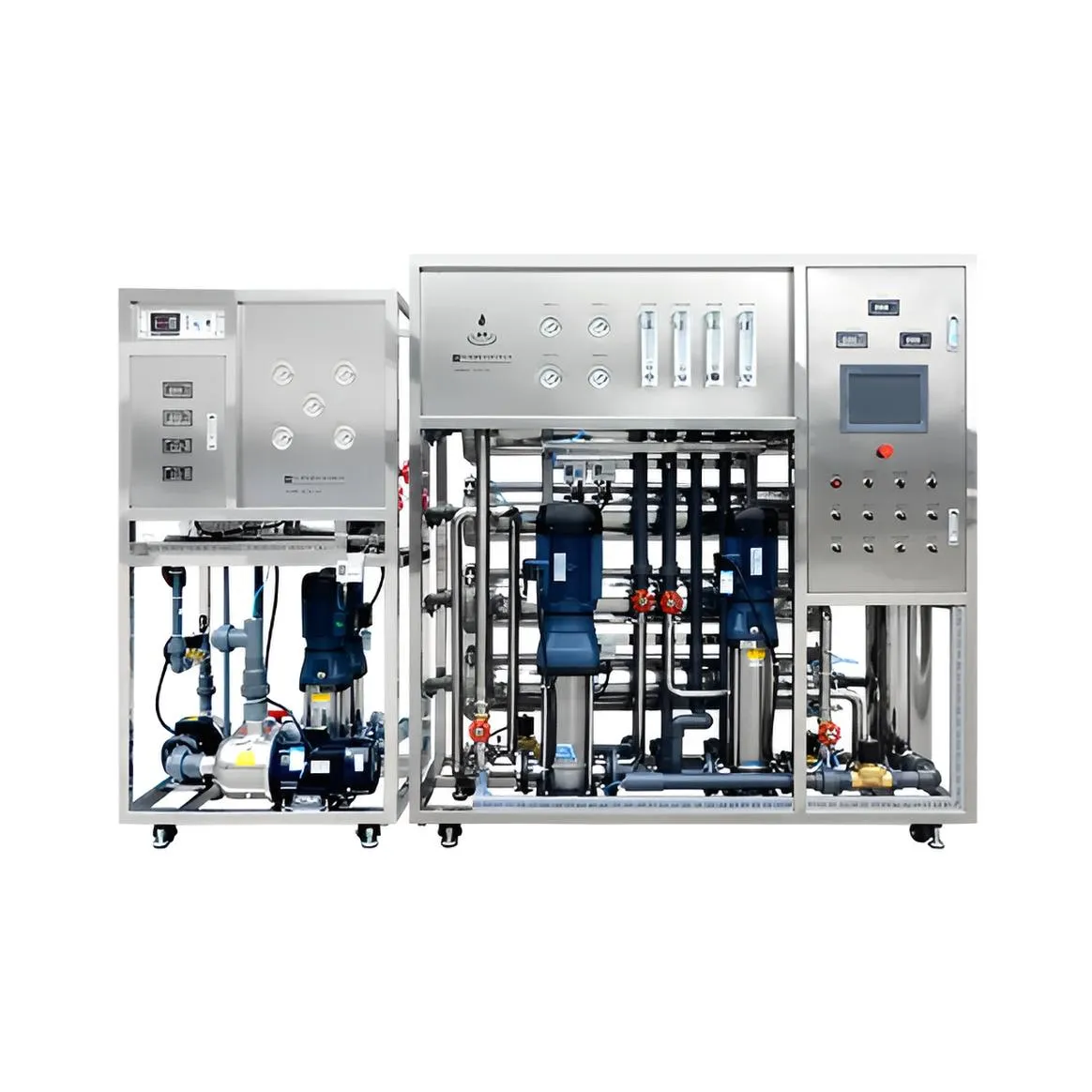
Reverse Osmosis (Ultrafiltration Technology): Reverse osmosis uses pressure as the driving force, increasing the water pressure to overcome osmotic pressure, forcing water through a functional semi-permeable membrane for desalination and purification. Reverse osmosis can also remove colloidal substances, achieving a water utilization rate of over 75%. It boasts a large water production capacity, is easy to operate, and effectively purifies water to meet national standards.





