

Phone:
0086 28 87573647
+86 19150187139
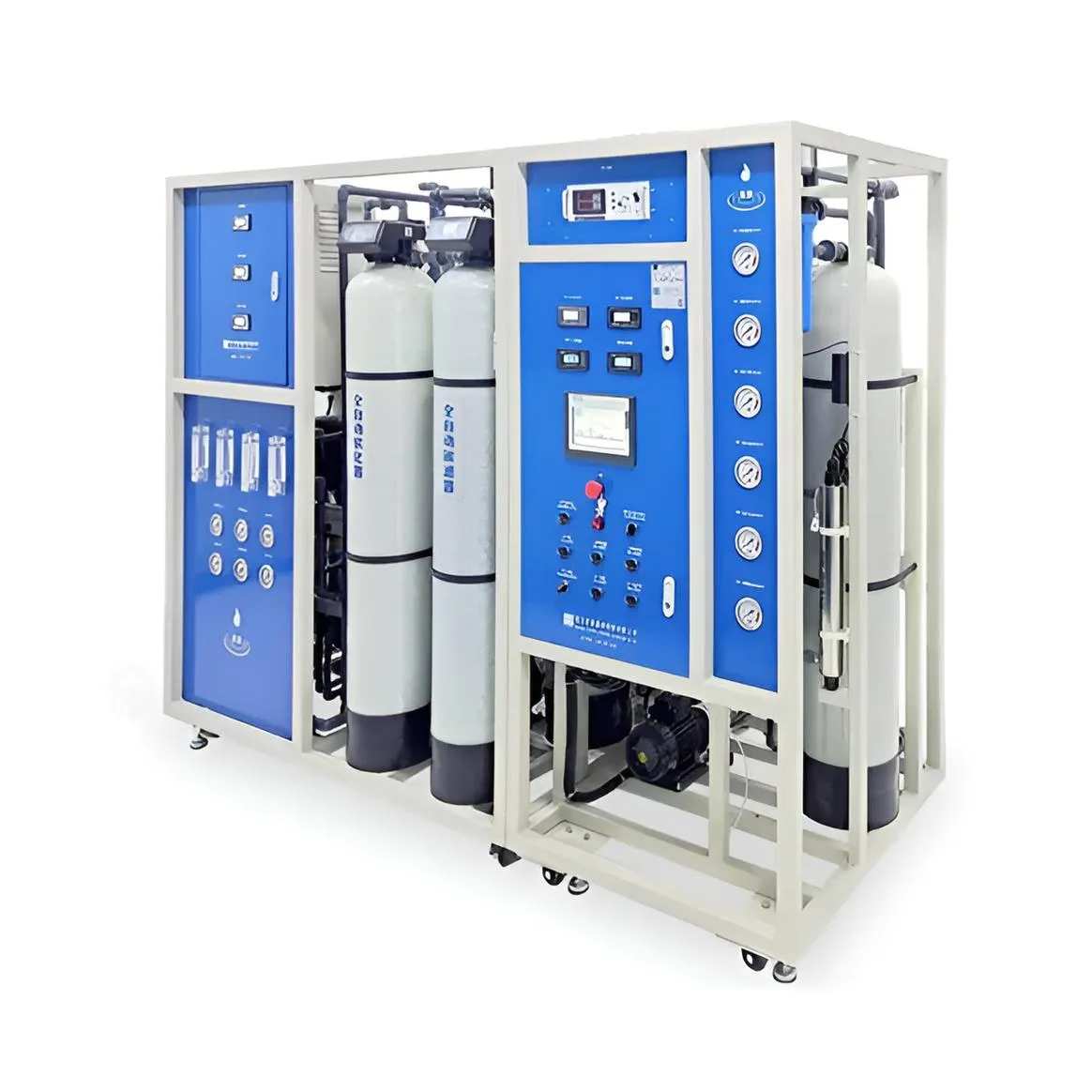
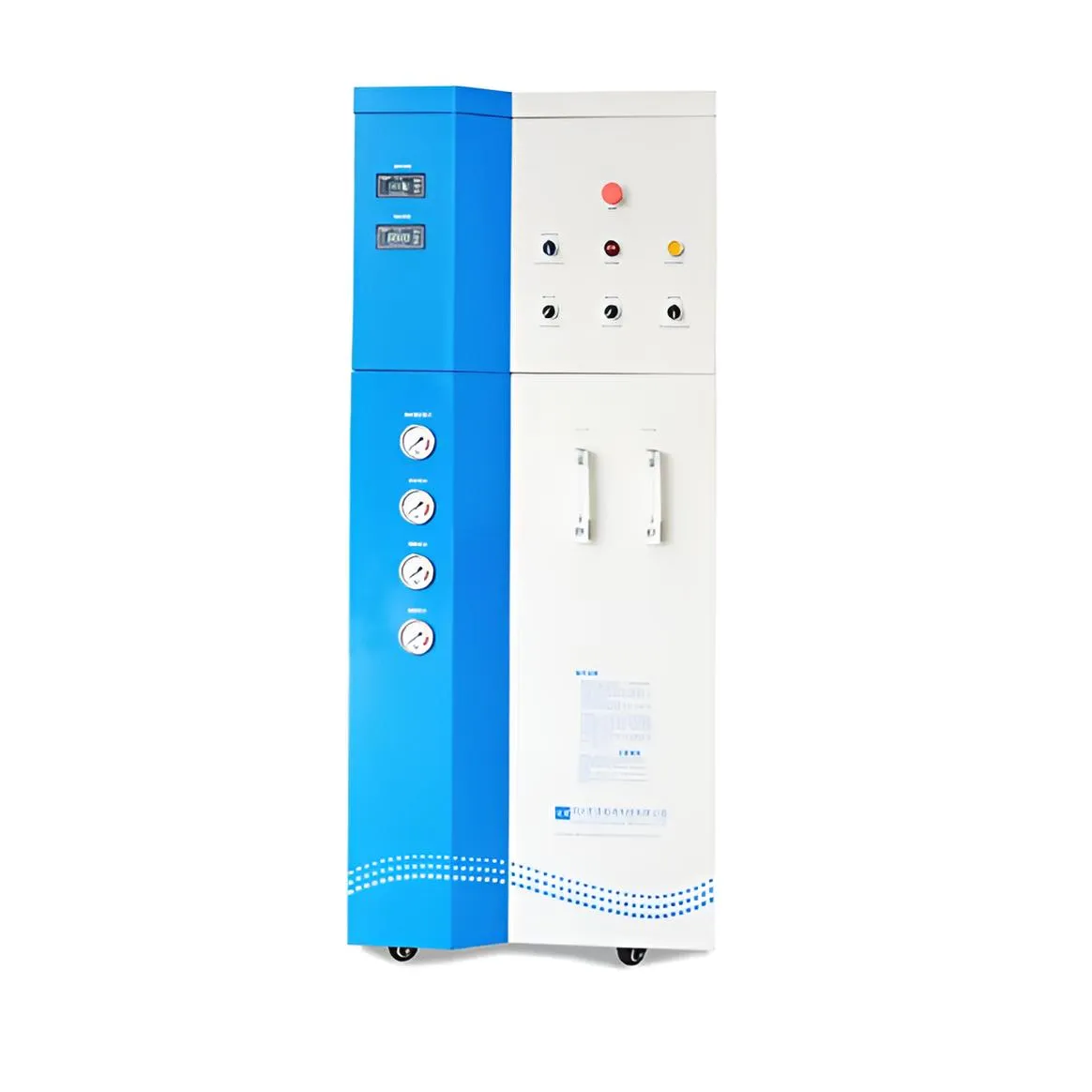
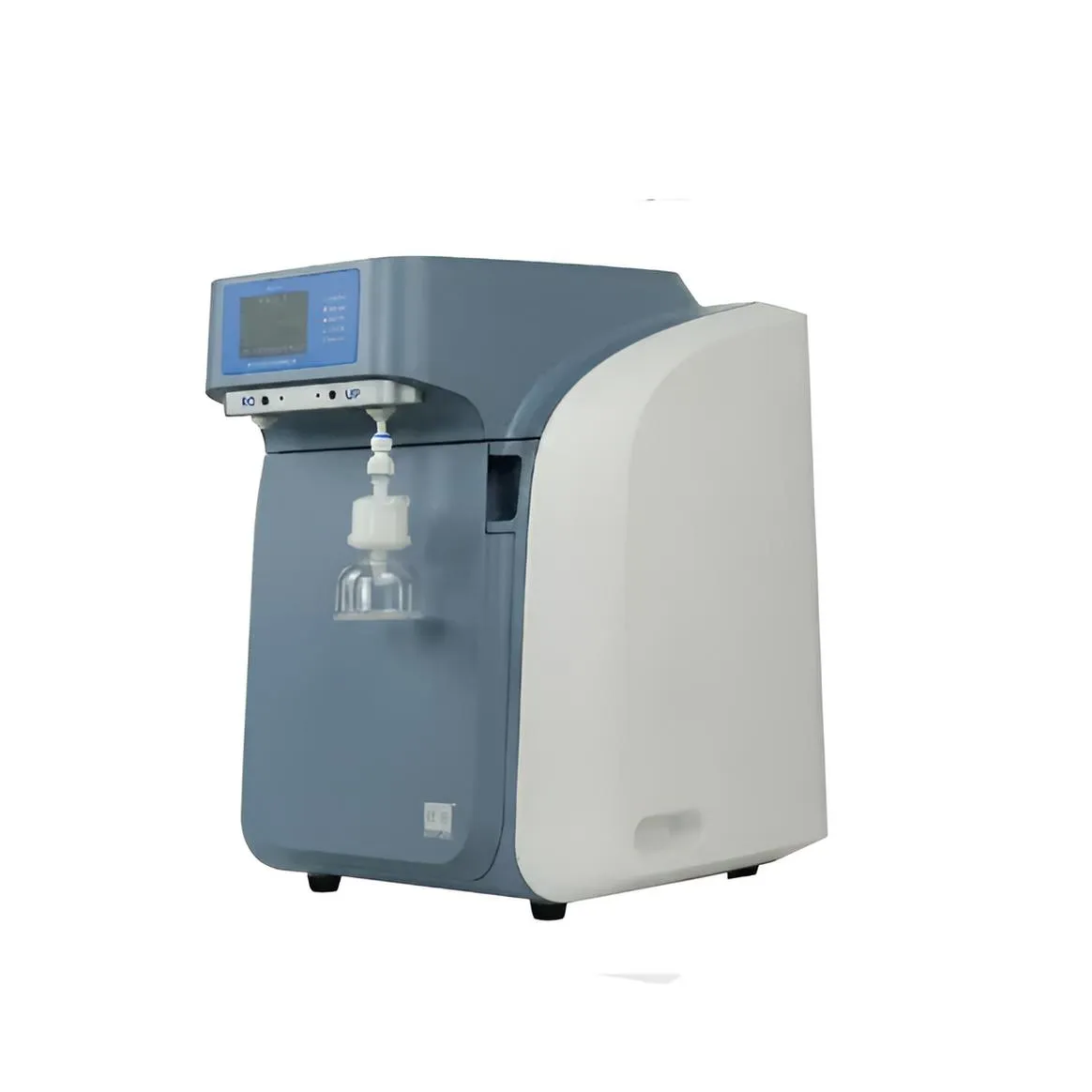
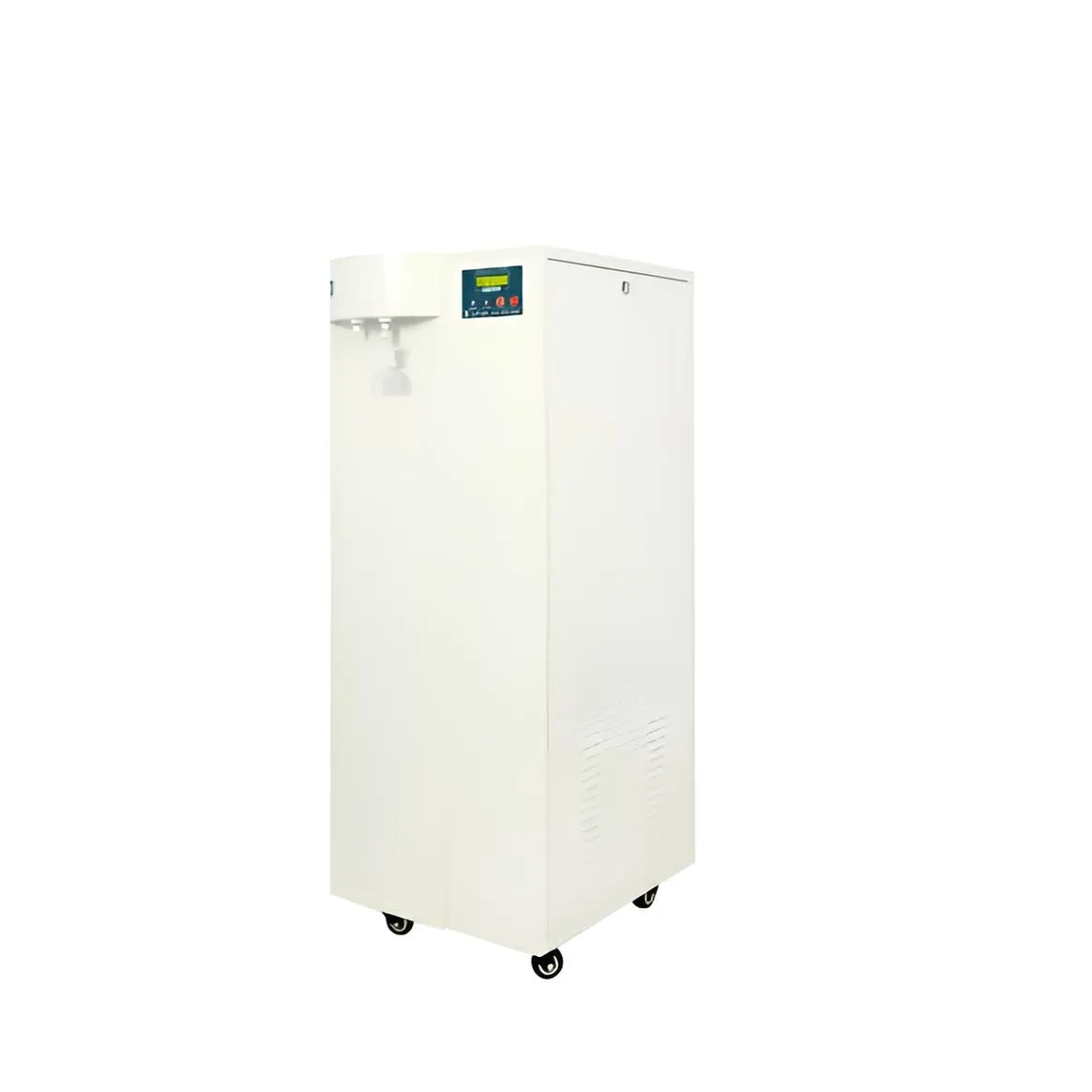
When using an ultrapure water system or ultrapure water purifier, we need to understand its purpose, which is crucial for determining the required water quality standards. Today, we'll outline the relevant water quality standards for medical use:
Project | Chinese Pharmacopoeia (2016 Edition) Purified Water: | |
Source | This product is prepared by distillation, ion exchange, reverse osmosis, or other suitable methods. | |
Properties | Colorless, clear liquid; odorless and tasteless. | |
PH | 5.0-7.0 | |
Oxides, sulfates and calcium salts, carbon dioxide | Qualitative testing | |
Nitrates | <0.06ppm | <0.06ppm |
Ammonia | <0.3ppm | <0.2ppm |
Heavy metal | <0.5ppm | <0.5ppm |
Total microbial count | No more than 100 per 1ml | No more than 100 per 1ml |
Bacterial endotoxins | —— | <0.25 EU/ml |
Electrical conductivity (25 degrees Celsius) | <5.1μS/cm | <1.3μS/cm |
Total organic carbon | <0.50mg/l | <0.50mg/l |
CAP | ASTM | NCCLS | |||||
Type I | Type II | Type III | Type I | Type II | Type III | Type I | |
Resistance (MΩ.cm.25C) | ≥10 | 0.5 | 0.2 | ≥16.66 | 1.0 | 1.0 | ≥10 |
Silicon (mg/L max) | 0.01 | 0.01 | 0.01 | —— | —— | —— | 0.05 |
Heavy metal (mg/L max) | 0.01 | 0.01 | 0.01 | —— | —— | —— | —— |
Potassium permanganate disinfection (min.min) | 60 | 60 | 60 | 60 | 60 | 60 | —— |
Sodium (mg/L max) | 0.01 | 0.01 | 0.01 | —— | —— | —— | —— |
Ammonia (mg/L max) | 0.01 | 0.01 | 0.01 | —— | —— | —— | 10 |
Microorganism | Slightly | Slightly | Slightly | —— | —— | —— | 10 |
PH value | 6.0-7.0 | 6.0-7.0 | 6.0-7.0 | —— | —— | 6.2-7.5 | —— |
Types of pollutants | Maximum limit | Types of pollutants | Maximum limit |
Gasification residue | 10mg/l | Chloride ions (cl-) | 2mg/l |
Silicon dioxide (SiO₂) | 1mg/l | Phosphorus pentoxide (P₂O₅) | 0.5mg/l |
Iron | 0.2mg/l | Electrical conductivity (25℃) | 5μS/cm |
Calcium | 0.005mg/l | pH value | 5-7.5 |
Lead | 0.05mg/l | Appearance | Colorless, clean, and free of sediment |
Heavy metals other than iron, calcium, and lead | 0.1 mg/L | Hardness (alkaline earth metal ions) | 0.02 nmol/l |
Note: Samples should be taken at the sterilizer inlet. | Note: Samples should be taken at the sterilizer inlet. | ||
Note: The purified water source is tap water, and the water quality should meet the requirements of GB5749-2006; the conductivity of the purified water is ≤15μS/cm (25℃).
The system should include tap water, purified water, and sterile water. Tap water quality should comply with GB 5749. Purified water should also comply with GB 5749 and have a total bacterial count ≤10 CFU/100ml; the filter membrane used in the production of purified water should have a pore size ≤0.2μm and be replaced regularly. Sterile water is water that has undergone sterilization. Microbiological testing of purified water and sterile water should be performed when necessary.