






Phone:
0086 28 87573647
+86 19150187139

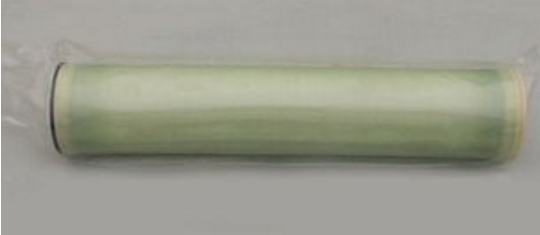
As we all know, the reverse osmosis membrane plays a crucial role in ensuring the quality of ultrapure water equipment. However, after a period of use, ultrapure water equipment accumulates contaminants, affecting the quality of the output water. These contaminants mainly include calcium carbonate scale, calcium sulfate scale, metal oxide scale, silica deposits, and organic or biological deposits. They contaminate the ultrapure water equipment through external fouling or their own proliferation. However, the reverse osmosis membrane of ultrapure water equipment often has its own fouling resistance mechanisms. Today, let's look at how to deal with contaminants on the membrane of ultrapure water equipment.
First, reduce the retention of contaminants and debris in the recesses on the membrane surface, reducing the surface roughness of the reverse osmosis membrane.
Second, enhance the membrane's ability to repel impurities such as salts, increasing its hydrophilicity.
Furthermore, ensure that the reverse osmosis membrane and the contaminants in the water have the same charge sign, preventing the membrane from attracting impurities through electrostatic attraction. For example, make the membrane surface positively charged to prevent Fe3+, Al3+, and cationic flocculants from fouling the membrane. By altering the membrane charge, fouling of the membrane by organic matter, microorganisms, cationic polymers, surfactants, and colloids can be reduced.
Finally, improving the water flow channels in the membrane element and eliminating dead zones involves three aspects: first, increasing water flow turbulence to weaken concentration polarization; second, preventing the retention of impurities by the concentrate filter; and third, facilitating the elution of contaminants during cleaning.
This concludes the introduction to the main contaminants and fouling pathways in ultrapure water equipment. We hope this information is helpful in effectively removing contaminants from the membrane.





