

Phone:
0086 28 87573647
+86 19150187139

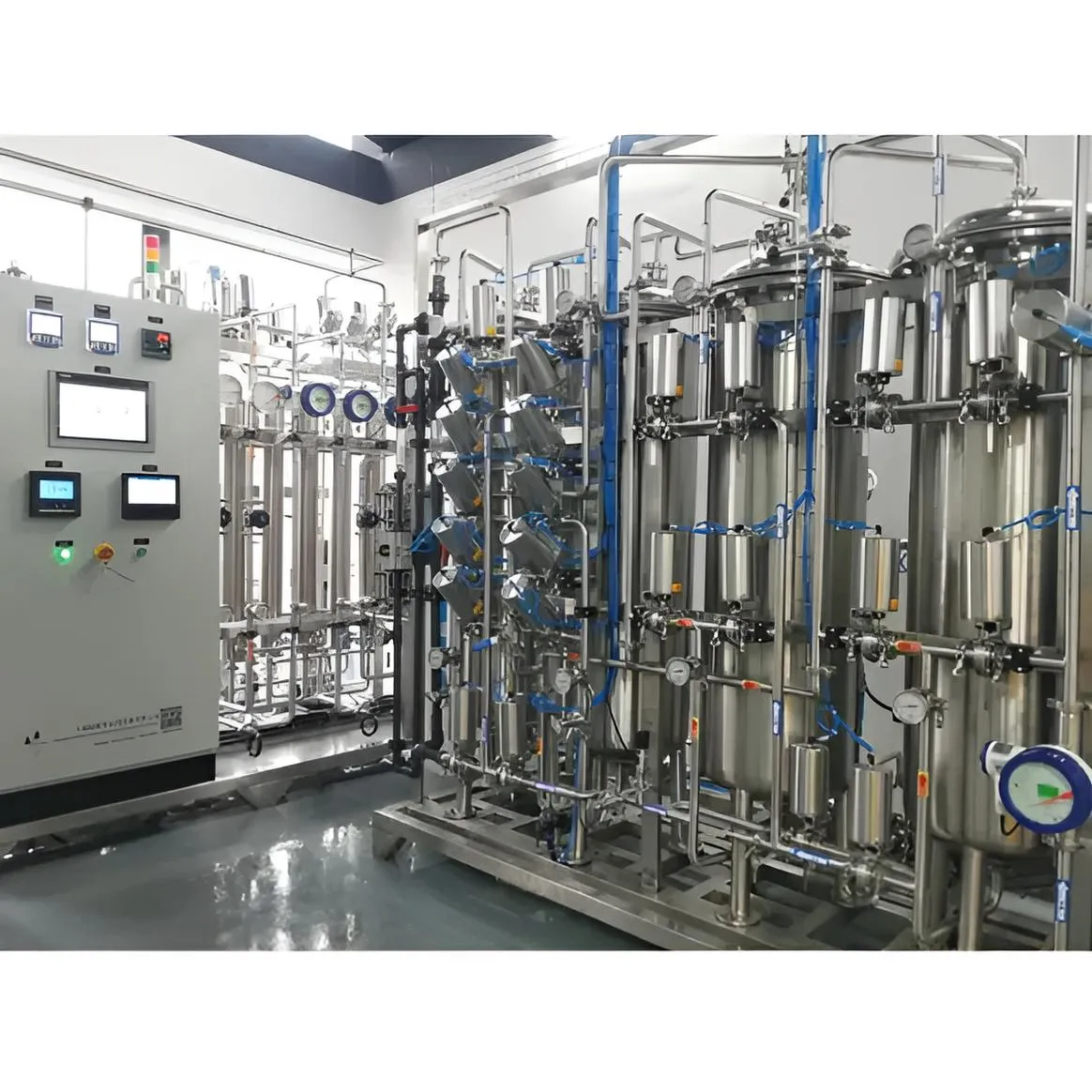
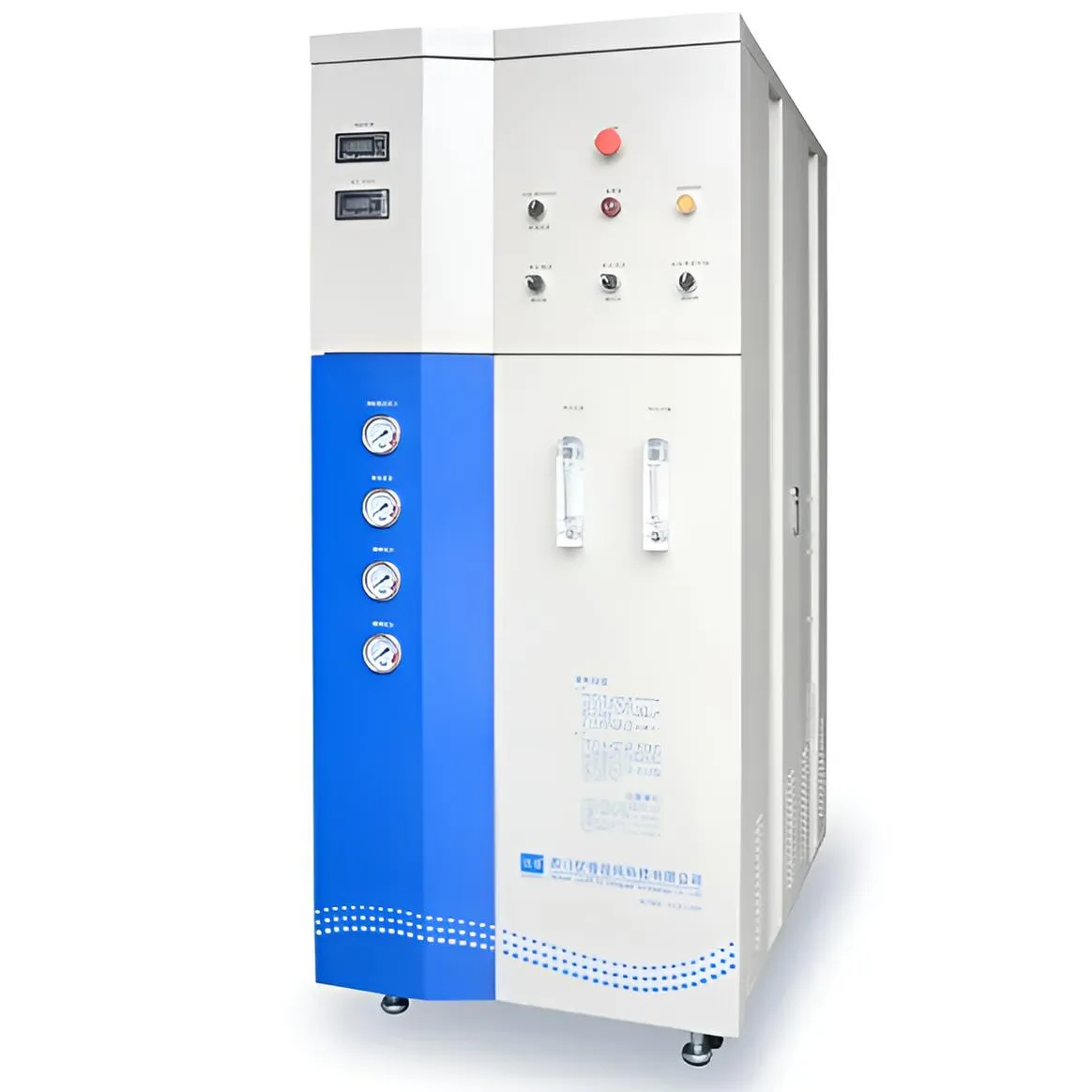
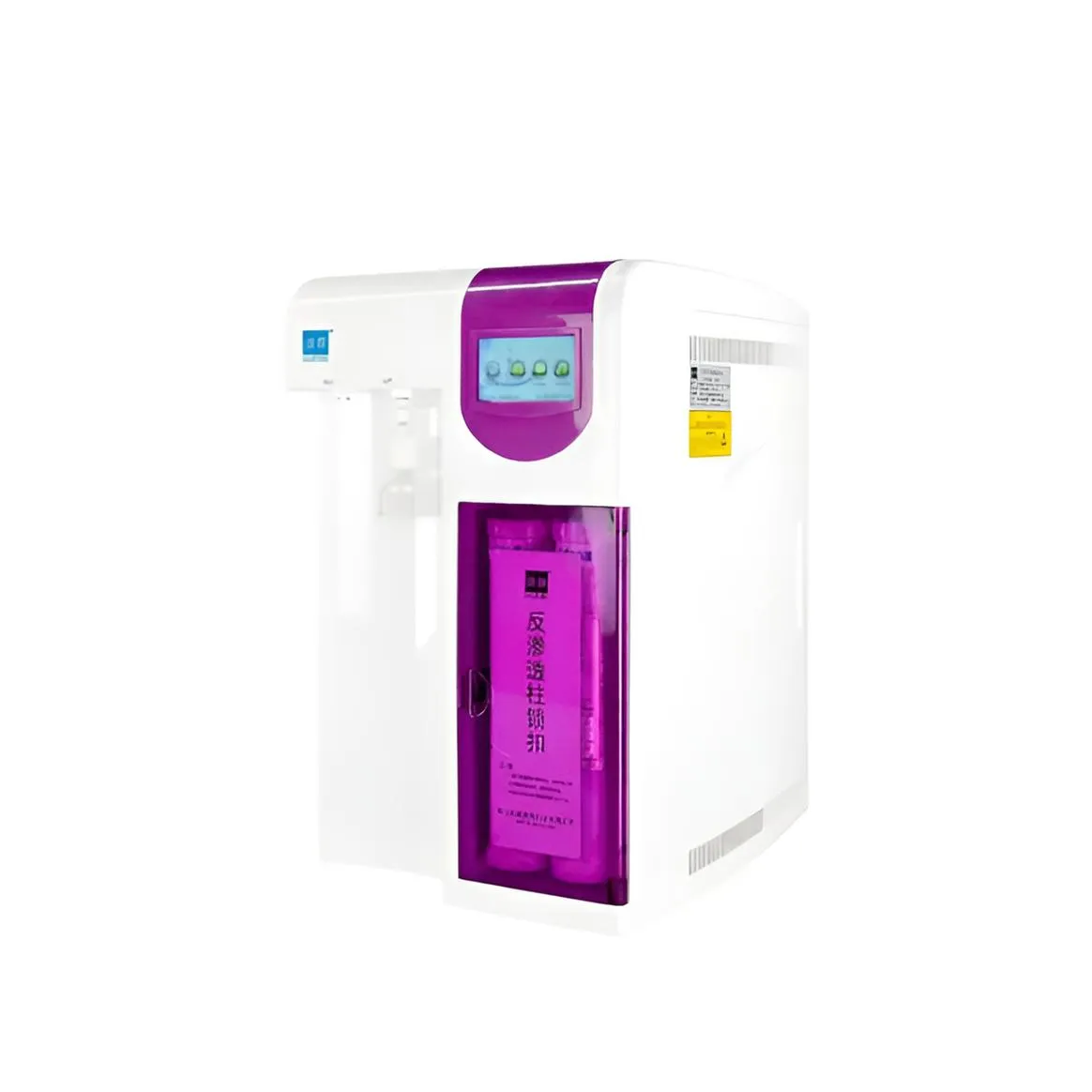
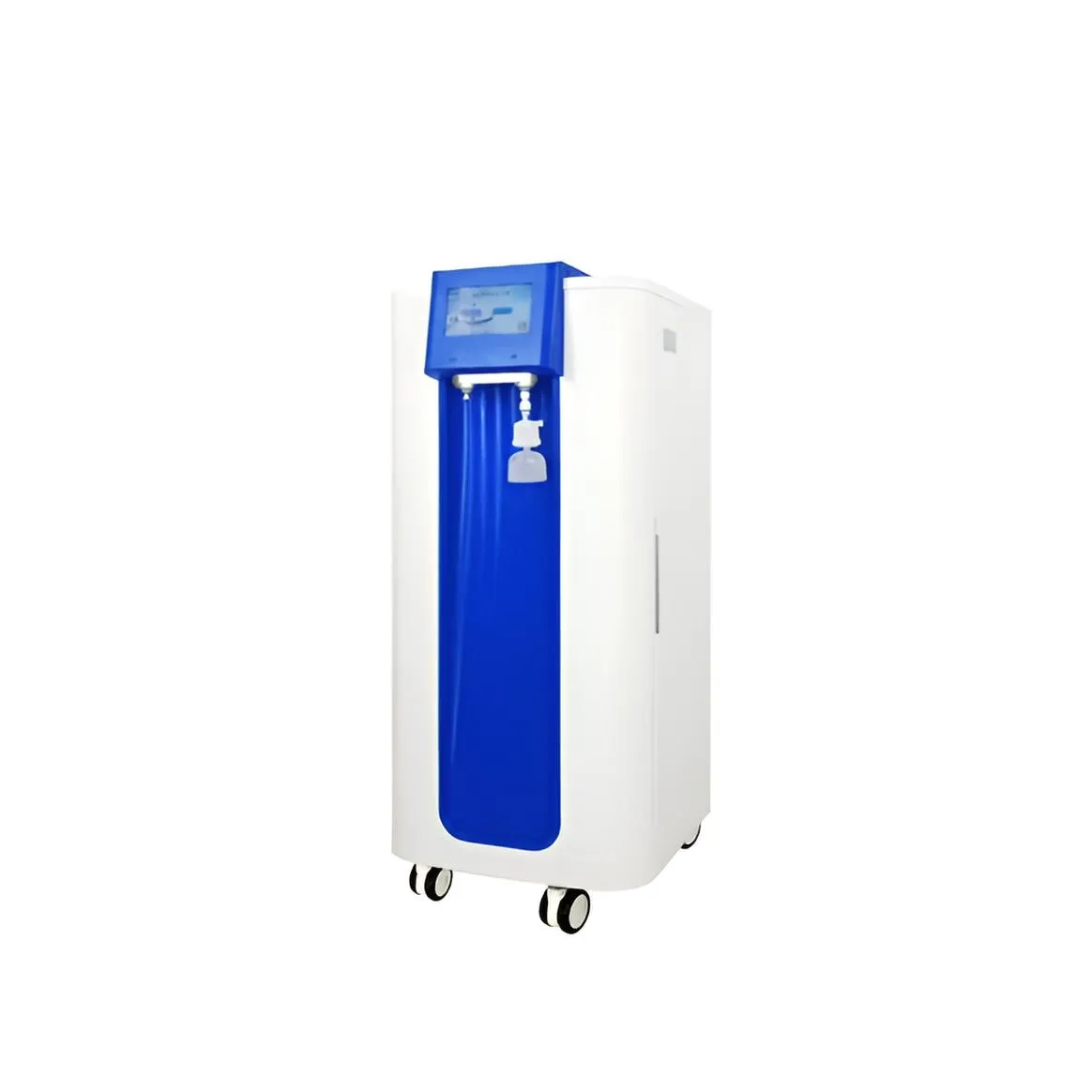
Ion exchange involves continuously passing water through a cation exchanger, where calcium and magnesium ions, which contribute to water hardness, exchange with sodium or hydrogen ions in the ion exchanger. The calcium and magnesium ions are replaced by sodium or hydrogen ions, thus softening the water. Commonly used ion exchangers include cation exchange resins and sulfonated coal. The working exchange capacity of an ion exchanger is limited; when it loses its exchange capacity, it must be regenerated. Factors affecting the actual working exchange capacity of the ion exchange resin during operation include the total salt content and composition of the raw water, the resin bed height, the operating flow rate, the water temperature, the regeneration method, the type and purity of the regenerant, the concentration and temperature of the regenerant solution, the regeneration flow rate, and the amount of regenerant used. Ion exchange can produce corrosive substances in water, affecting it in three ways: firstly, it can generate metal corrosion byproducts; secondly, it can alter the chemical properties of the water; and thirdly, it can damage the passivation film on the surface of the water supply network, thus corroding the network. Therefore, controlling the corrosiveness of water is crucial.