






Phone:
0086 28 87573647
+86 19150187139

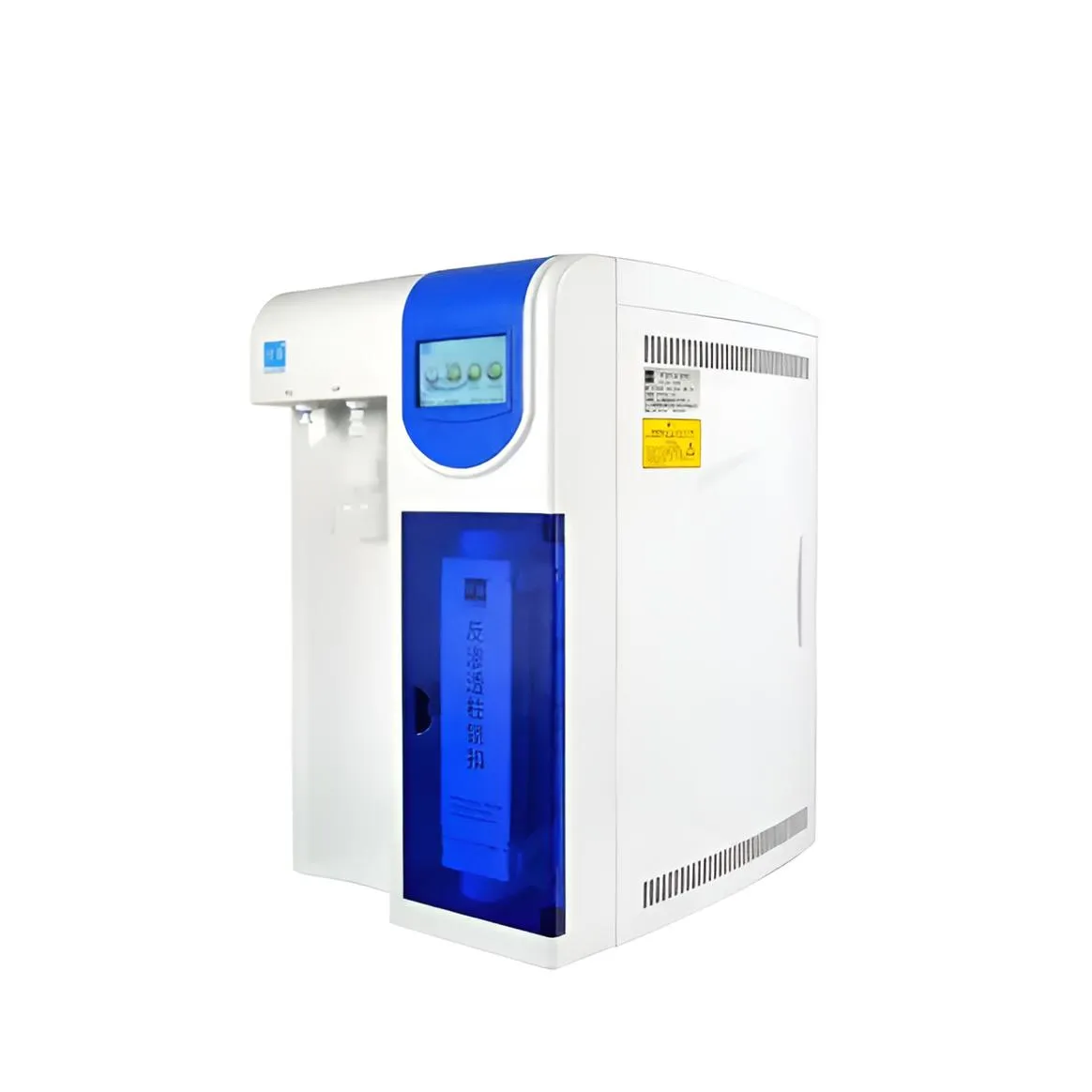
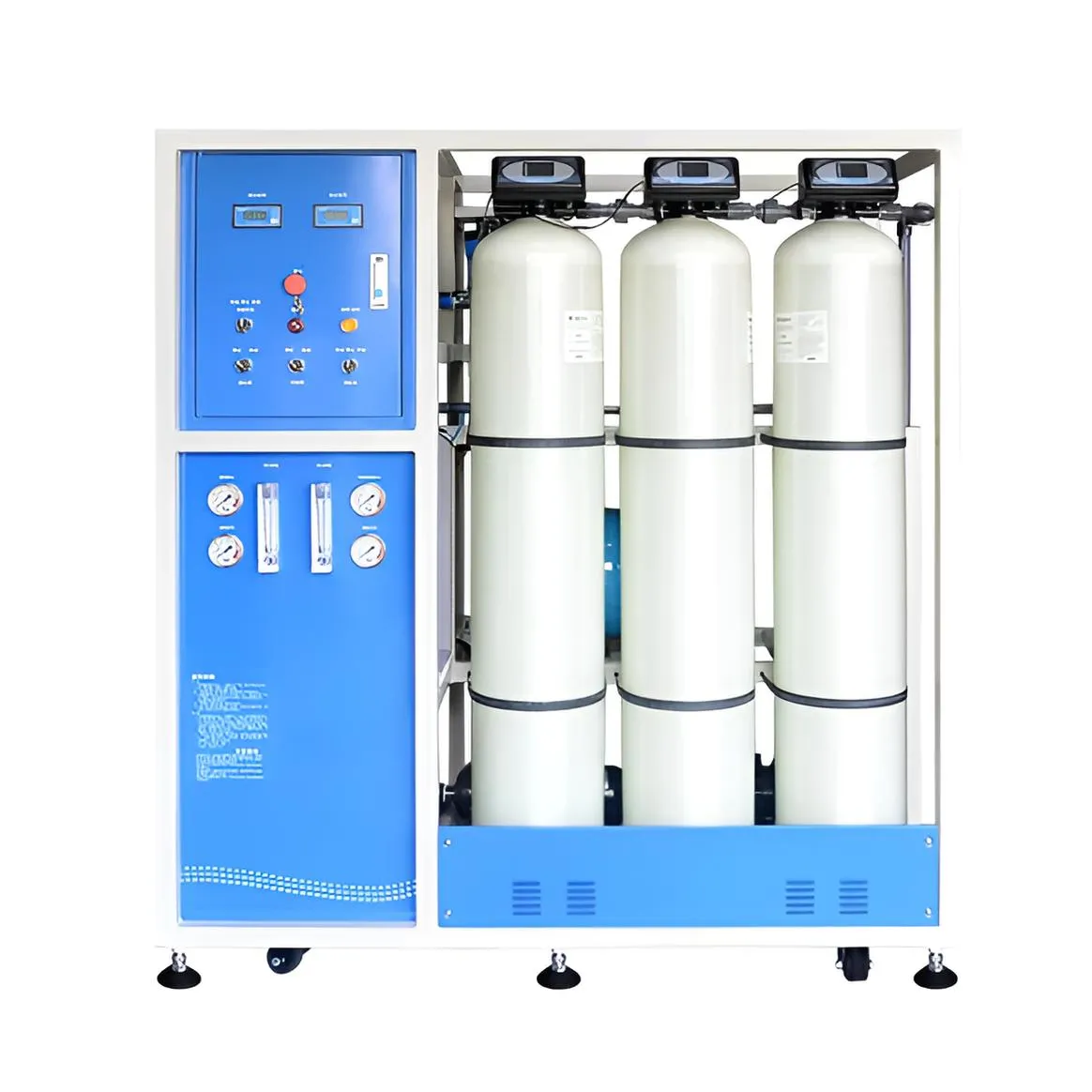
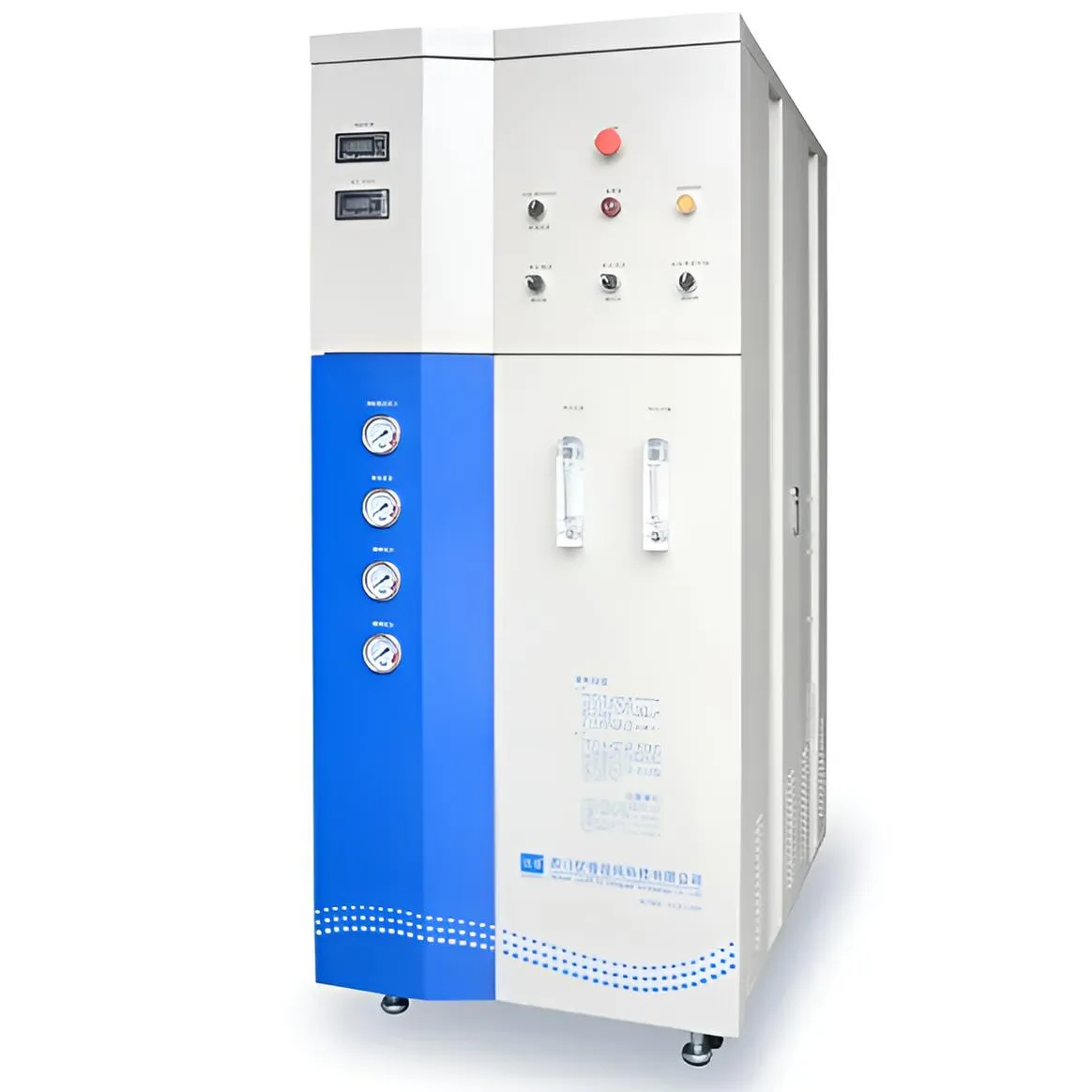
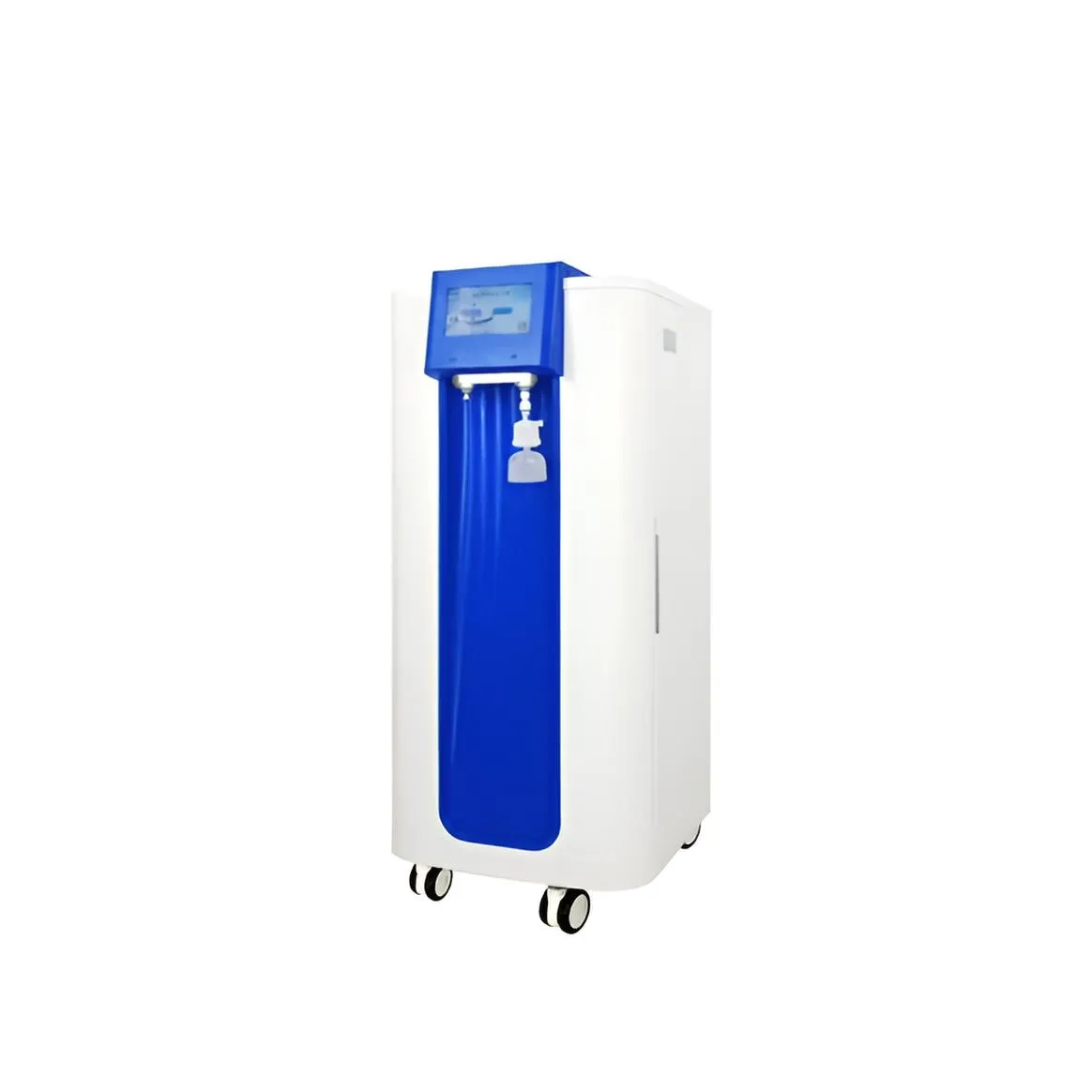
Now that work has resumed, everyone is getting back to their busy schedules. The water purifier in the lab has been sitting idle for so long, so what kind of maintenance should we do for it?
1. Prolonged storage of the pure water system may lead to microbial contamination. Before use, completely drain the water from the tank and allow the system to refill it. If severe contamination is detected, the tank needs cleaning and disinfection.
2. The water tank should be equipped with a UV lamp and air filter, and ideally, it should be protected from direct sunlight.
3. Clean the water tank regularly (e.g., every six months or one year).
4. Replace consumables on time, regardless of water usage, as any consumables submerged in water will inevitably develop a biofilm.
5. Appropriate water usage ensures the stability of the pure water system.
6. Tank cleaning: Prepare the cleaning agent by dissolving 4 g/L analytical grade NaOH in a beaker and pouring it into the water tank. For example, a 30-liter tank requires 120 g of NaOH. Take necessary safety precautions. (Note: Do not use brushes or cloths to touch the inside of the water tank, as this may damage the surface and promote bacterial growth.)
7. Preparation Time: The NaOH solution needs to be soaked in the water tank for at least 1 hour. After draining all waste liquid, rinse the tank with water produced by the pure water system (fill the tank with water) until the pH value of the water in the tank is neutral. Generally, the pH value will return to normal after rinsing three tanks.
8. Waste Liquid Discharge: If environmental protection requirements exist, an equivalent amount of HCl can be used to neutralize the NaOH before discharge.





