






Phone:
0086 28 87573647
+86 19150187139

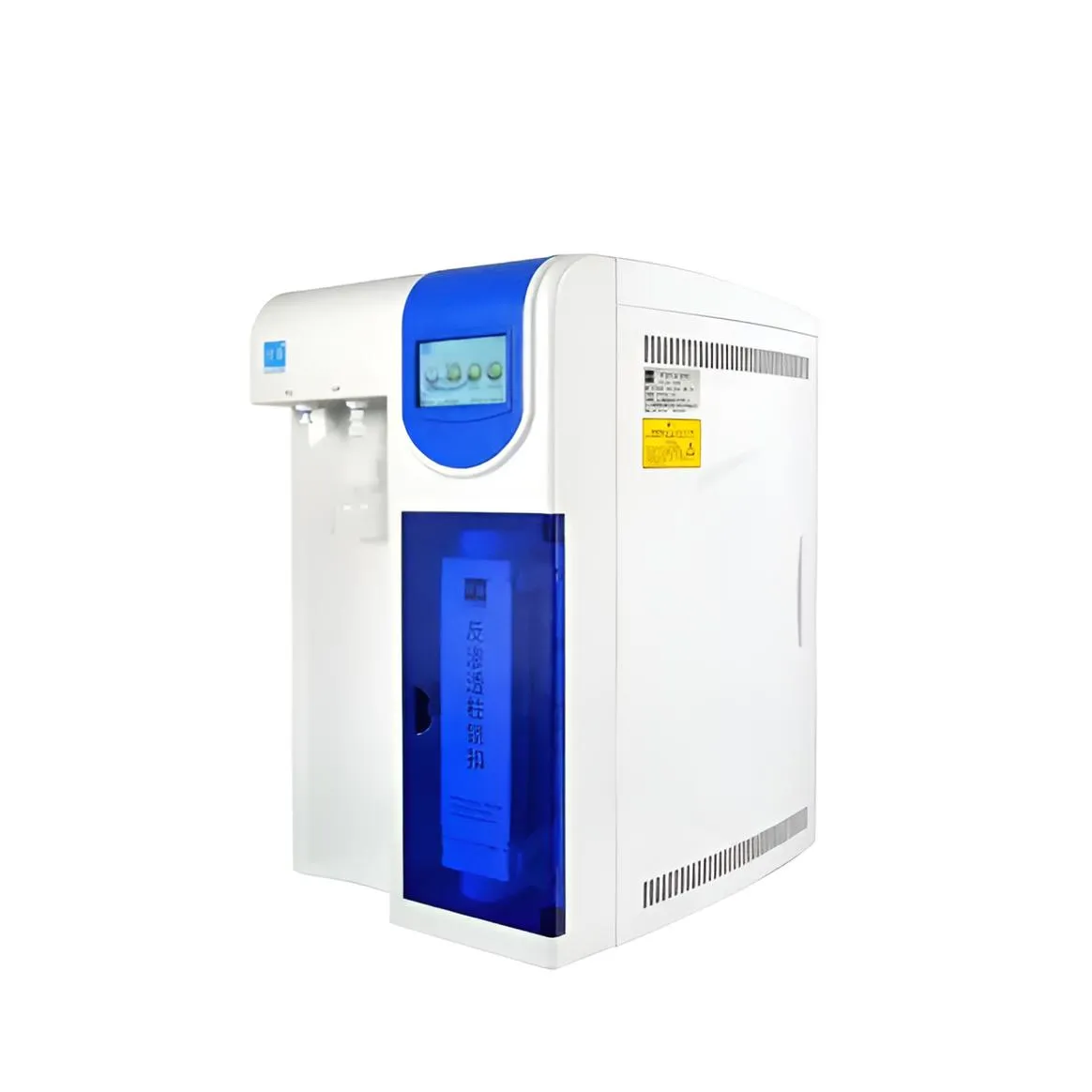
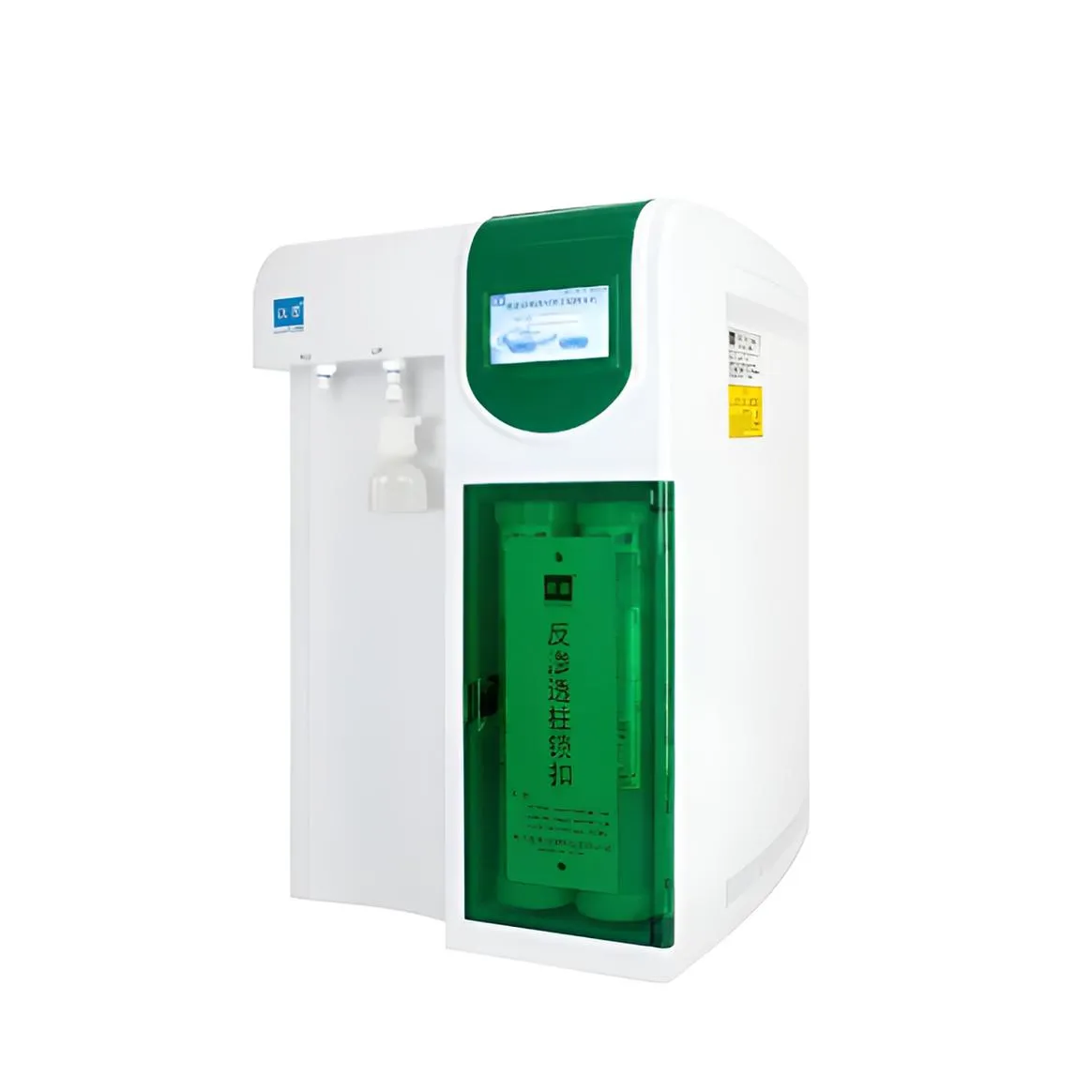
Pure water and ultrapure water require careful control of secondary contamination from various sources during use, depending on the application requirements. The water intake process is also crucial. Today, we'll discuss the correct way to take water from an ultrapure water system.
1. Water Intake Environment
Water intake should be conducted in the cleanest possible area to minimize contamination from airborne ions, organic matter, microorganisms, and particulate matter. The water system should be placed away from cleaning rooms if possible. If placed in a general laboratory, the laboratory's chemical storage should be in a chemical storage cabinet; internal or external drainage is preferable, otherwise, the possibility of increased TOC in the ultrapure water will increase.
For specific applications, such as trace element analysis like ICP-MS, the recommended water intake area should be a clean area, such as a laminar flow hood or clean bench, to minimize airborne element contamination.
2. Water Intake Containers
Different materials are used for water intake containers depending on the application. Low-leaching plastics should be used for inorganic analysis, preferably fluoroplastics, but polypropylene is also acceptable. Glass containers should be used for organic analysis. The selection of containers should follow the principles of small opening, cap, and appropriate volume (minimizing airflow at the top). Containers should be thoroughly cleaned, and before filling with ultrapure water, they should be appropriately rinsed with qualified pure or ultrapure water.
3. Water Dispensing Operation
When dispensing water, the container opening should be as close as possible to the water inlet, preferably inside the protective cover of the water purifier's terminal filter to avoid contamination caused by airflow. The container should be tilted slightly to the side to minimize air bubble formation. At low temperatures, the flow rate should be adjusted to a low setting to reduce the number of microbubbles suspended in the water.
For critical applications, at least 500ml of ultrapure water should be dispensed during dispensing to remove residual water from the terminal filter (this water does not participate in the circulation and is subject to backflow contamination from the air). For ultra-trace organic analysis, the terminal filter should be removed, and water should be dispensed using a PVDF pipeline. After dispensing, the protective cover of the terminal filter should be replaced.
In addition, the water purifier should be kept powered and supplied with water daily, avoiding shutdown to ensure water circulation. For long-term shutdown, the purification elements must be removed, the interfaces sealed with the provided stoppers, and stored in a 4°C refrigerator to reduce bacterial growth. The water tank must be completely drained. A thorough cleaning of the piping and water tank should be performed before resuming use.
To ensure normal operation and achieve optimal purification results, consumables should be replaced and equipment maintained according to actual usage and the manufacturer's recommendations.





