

Phone:
0086 28 87573647
+86 19150187139

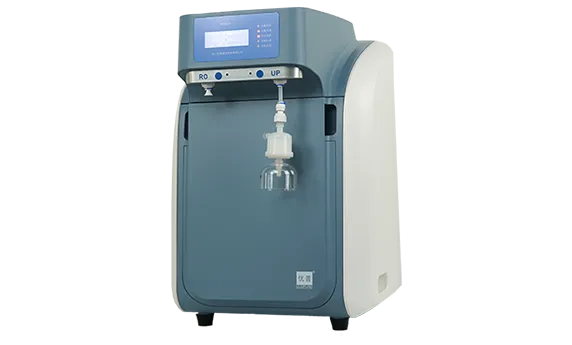
If a laboratory ultrapure water system is shut down for an extended period and then restarted, these contaminants will inevitably be carried into the filtration system. Although reverse osmosis membranes can remove over 90% of impurities, a small percentage will still enter the next stage. Furthermore, ion exchange resins can become contaminated with microorganisms if left unused for a long time. This is because the resin becomes a culture medium for microorganisms when the instrument is not in use for an extended period. If this happens, and ultrapure water is then used, the contaminated water will not meet the requirements for analytical testing, interfering with experimental data and causing unnecessary trouble for the client.
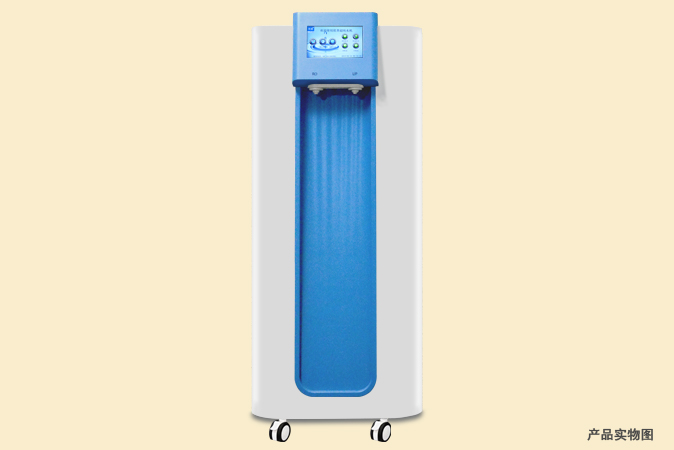
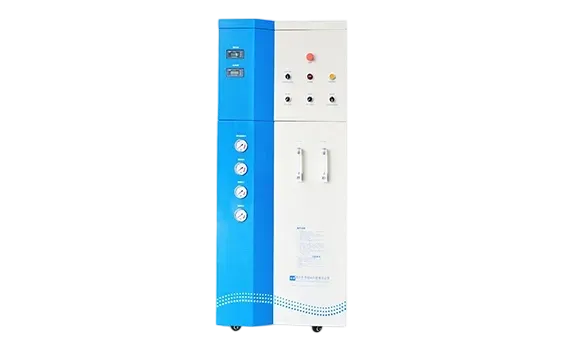
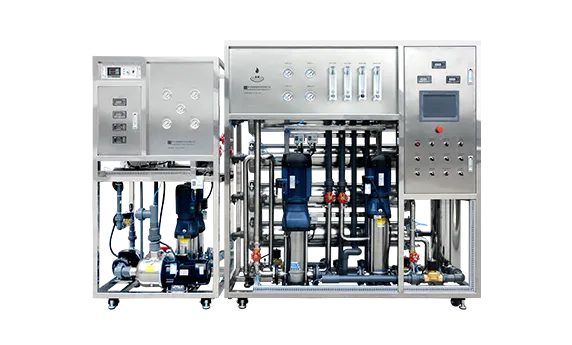
Laboratory ultrapure water systems will be shut down during holidays. To ensure the normal operation of ultrapure water systems that will be out of service for extended periods, the following maintenance measures should be taken:
1. First, clean the membrane elements in the reverse osmosis system;
2. Prepare a disinfectant solution using water produced by reverse osmosis and flush the reverse osmosis system with the solution;
3. After filling the reverse osmosis system with the disinfectant solution, close the relevant valves to retain the solution within the system. Ensure the system is completely filled;
4. If the system temperature is below 27°C, repeat the first two steps with a fresh disinfectant solution every month. If the system temperature is above 27°C, replace the disinfectant solution every two weeks;
5. Before restarting the single-stage reverse osmosis water system, flush the system with low-pressure feed water for one hour, then flush with high-pressure feed water for 5 minutes. During both low-pressure and high-pressure flushing, the system's product water discharge valves should be fully open. Before resuming normal system operation, check and confirm that the product water does not contain any disinfectant. This concludes our discussion on the impact of prolonged disuse on the quality of water from a laboratory ultrapure water system. If a laboratory ultrapure water system is not used for an extended period, or if a particular water inlet is rarely used, it is recommended to release some water every few days. This allows contaminants to be discharged promptly. Furthermore, ultrapure water equipment should not be left idle for too long; releasing some ultrapure water daily is beneficial for extending the lifespan of consumables. To ensure the smooth operation of experiments in the future, certain measures must be taken.