Phone:
0086 28 87573647
+86 19150187139

One reality is that statistics from 500 cities nationwide show an average urban sewage treatment rate of only 32.33%, with 193 cities having a zero centralized sewage treatment rate.
One goal is clear: at the "21st Century International Symposium on Urban Sewage Treatment and Resource Utilization Development Strategies" held at the end of 2001, the Ministry of Construction clearly stated that by 2005, the centralized sewage treatment rate in large and medium-sized cities nationwide would reach over 45%, with most of it undergoing advanced treatment and reuse.
Taiyuan Iron & Steel Company, China's largest stainless steel producer, planned a 500,000-ton capacity expansion project in 2001. However, Taiyuan Iron & Steel uses 170,000 tons of water daily, already accounting for a quarter of Taiyuan's urban domestic water consumption. Taiyuan is one of the most water-scarce cities, and increasing steel production without increasing water consumption is the only solution. Taiyuan Iron & Steel invested 47 million yuan to upgrade its 72,000-ton/day circulating water softening station using high-tech reverse osmosis membrane separation technology, saving 72,000 tons of fresh water daily and reducing water consumption by over 14 million tons annually.
The Development Path of the Water Treatment Industry
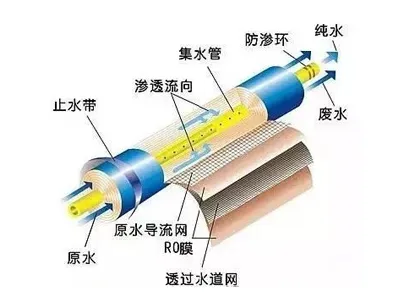
Membrane, as a high-molecular chemical material, is a key material in water treatment processes. Due to its functions of separation, concentration, purification, and refining, it is widely used in various industrial and domestic fields, such as seawater desalination, brackish water desalination, ultrapure water for electronics and medical use, purified drinking water, and municipal wastewater reuse. As a result, membranes have become a core technology of concern in the global water treatment field, and the global demand for membranes and membrane modules is growing rapidly, with annual sales exceeding $8 billion. Some scholars believe that whoever masters membrane technology controls the future of the chemical industry.
As a visionary, Bluestar Cleaning Company laid the groundwork 12 years ago with the following:
In 1993, when the Chinese water treatment market was still relatively inactive, Bluestar began its foray into the field. During this period, Bluestar acquired the Gansu Provincial Institute of Membrane Science and Technology, which boasted a large pool of membrane material research talent and membrane equipment manufacturing capabilities, specializing in the research and development of membrane material technologies. Simultaneously, it imported and developed over 30 patented water treatment agents from a renowned Australian water treatment company, including boiler deaerators, scale inhibitors, and corrosion inhibitors for circulating cooling systems. Furthermore, it sent over 30 outstanding technical personnel to Australia for further training.
In 1995, the long-awaited China Membrane Industry Association was jointly established by the former Ministry of Chemical Industry, the State Oceanic Administration, and the Chinese Academy of Sciences. The association's offices were located at Bluestar, and its main staff were concurrently employees of the Institute of Membrane Science and Technology. The establishment of the Membrane Association ushered in a bright future for the development of China's membrane industry.
Recently, Bluestar and Aquabio Automation Technology Co., Ltd. of the United States signed a cooperation agreement on technological cooperation in the field of water treatment. Leveraging Bluestar's mature membrane technology advantages and Aquabio's biodegradation technology and products, the two parties will complement each other's technological and market strengths. The initial strategic goal is to capture 25% of the Chinese industrial wastewater market. This move opens up promising prospects for improving wastewater resource utilization and the wider application of membrane technology in the water treatment field.
Practical Applications in the Water Treatment Industry
Currently, my country's water treatment industry is completing the framework of two areas: water purification and wastewater treatment.
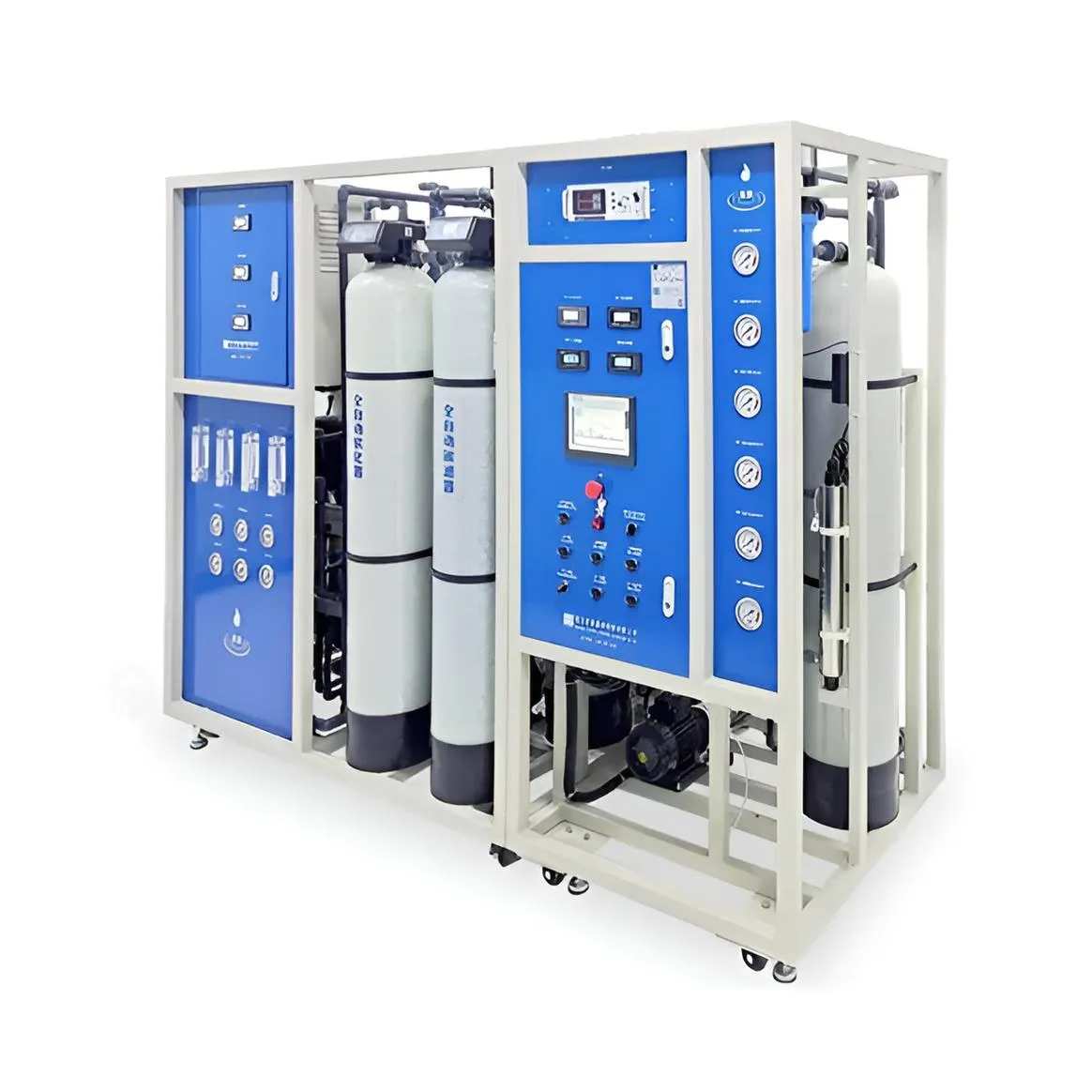
In water purification projects, membrane technology has been applied in over 1,000 water treatment projects, including brackish water desalination, medical ultrapure water projects, and purified water projects for the catering industry. In industrial wastewater treatment, membrane technology is being promoted and applied in the four major water-consuming industries of power, petrochemical, papermaking, and textiles for wastewater reuse, showing initial promise in improving my country's water scarcity and water pollution situation.
After several years of development, a complete water treatment industry chain is taking shape, encompassing design, research, construction, equipment, and trade, as well as water purification, reclaimed water treatment, and wastewater treatment.
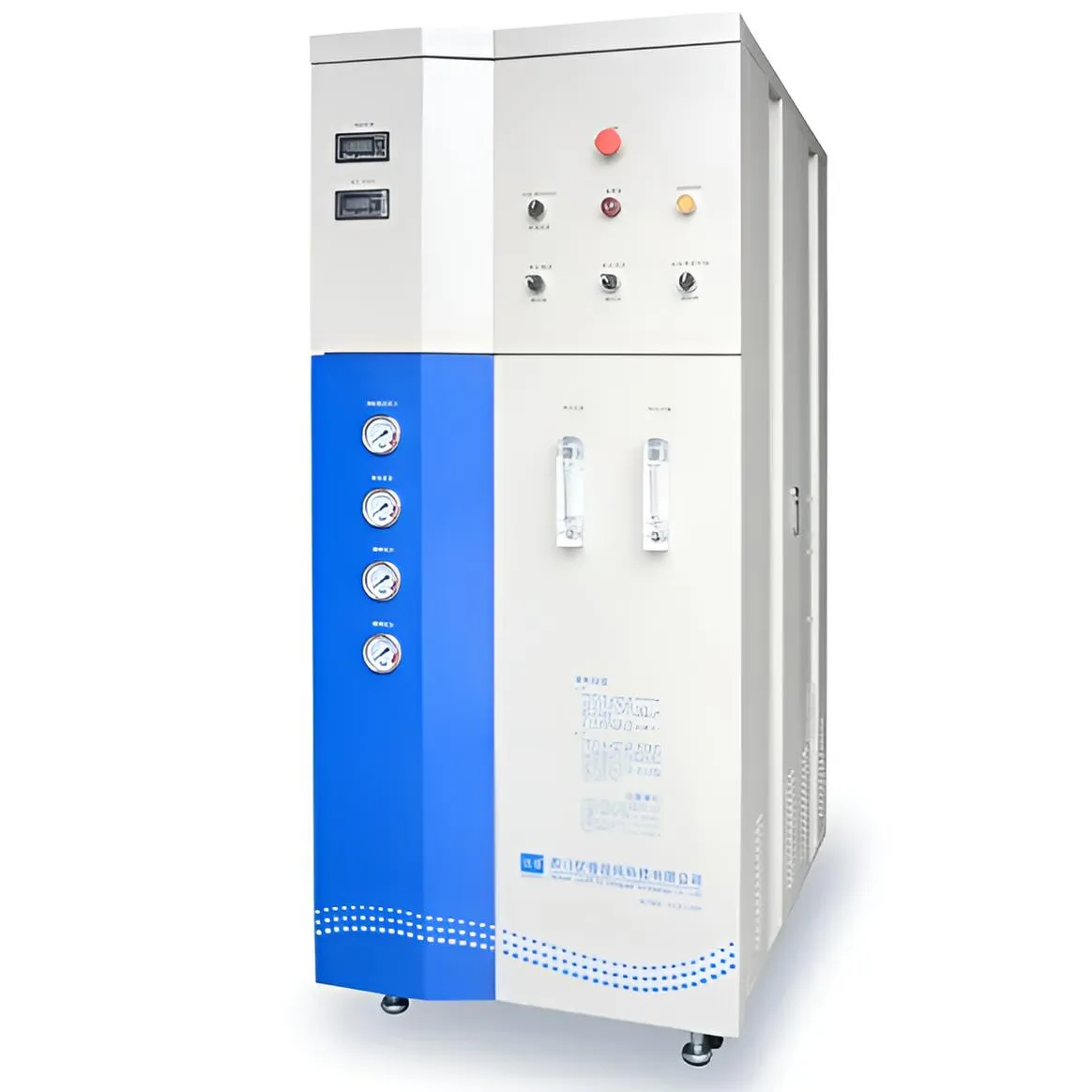
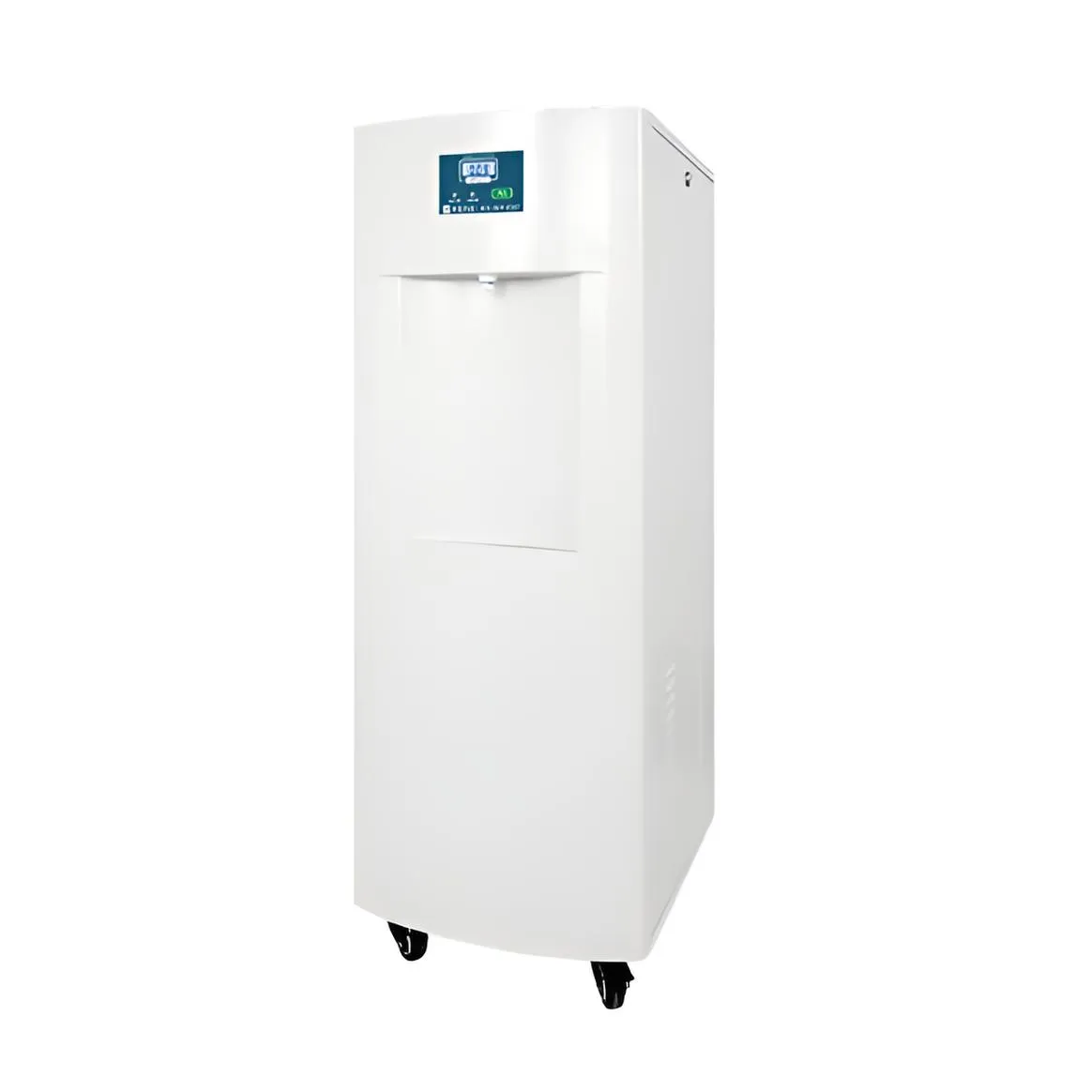
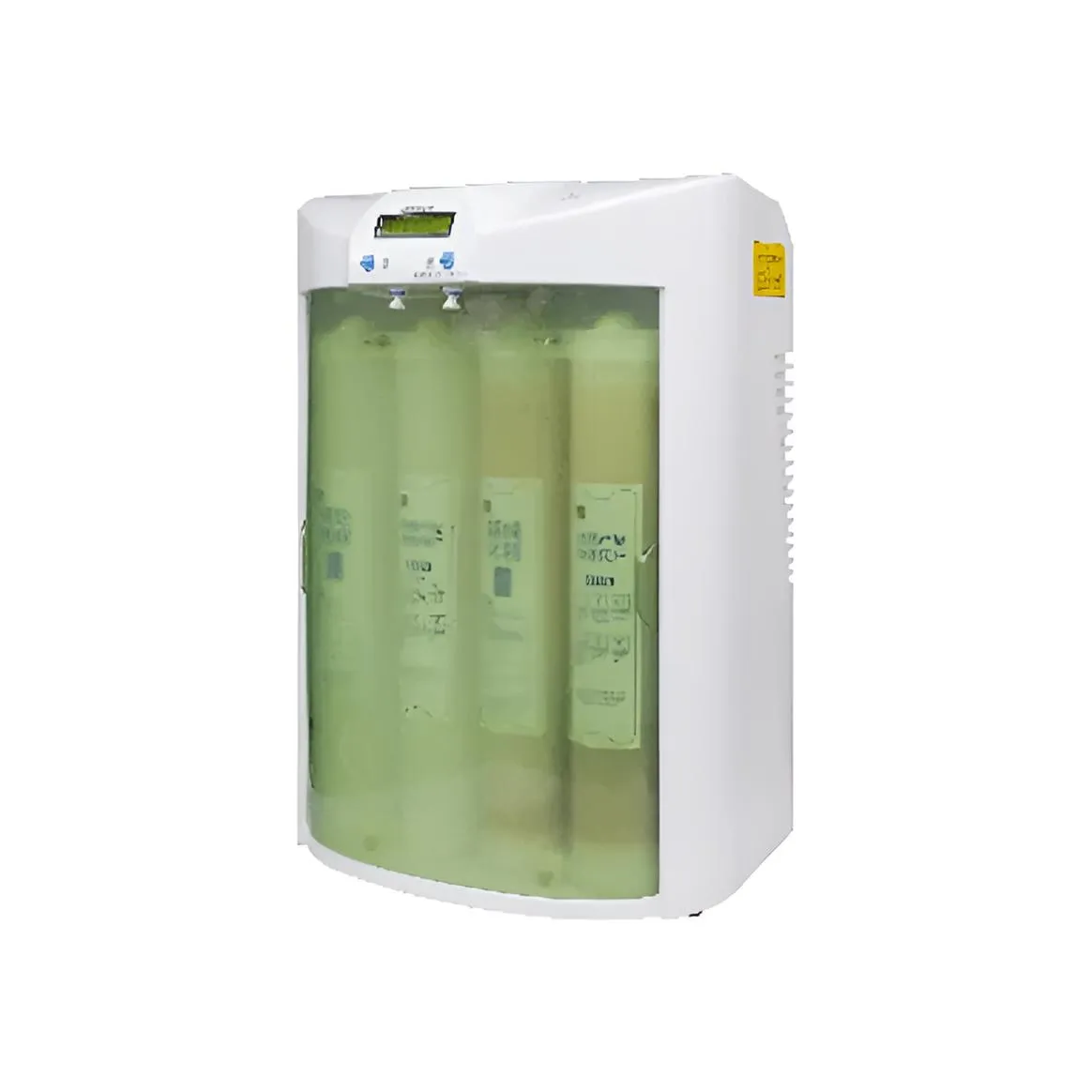
According to Lanxing Company, Lanxing currently possesses several Class A environmental design qualifications; it holds general contracting qualifications for water treatment engineering projects; six out of eight national membrane and water treatment projects are undertaken by Lanxing, with its online water quality monitoring instruments widely used in the Liaohe, Huaihe, and Songhua River basins; Lanxing led the formulation of national and industry standards such as "Reverse Osmosis Water Treatment Equipment," "Ultrafiltration Water Treatment Equipment," "Microfiltration Water Treatment Equipment," and "Household Pure Water Machines"; Lanxing has independently developed microbial environmental protection engineering technology and a series of products: continuous microfiltration equipment, reverse osmosis equipment, small-scale reverse osmosis seawater desalination equipment, ultrafiltration water treatment equipment, pure water machines, softening water treatment equipment, membrane bioreactors, and water treatment chemicals; furthermore, Lanxing owns a renowned membrane supermarket selling world-famous brand membranes and membrane modules, water treatment devices, and is the sole distributor in China for membrane companies such as Dow Chemical. The water treatment market is poised for continued growth as water scarcity and the water crisis intensify, and China's water treatment market is increasingly attracting visionary companies.