





Phone:
0086 28 87573647
+86 19150187139

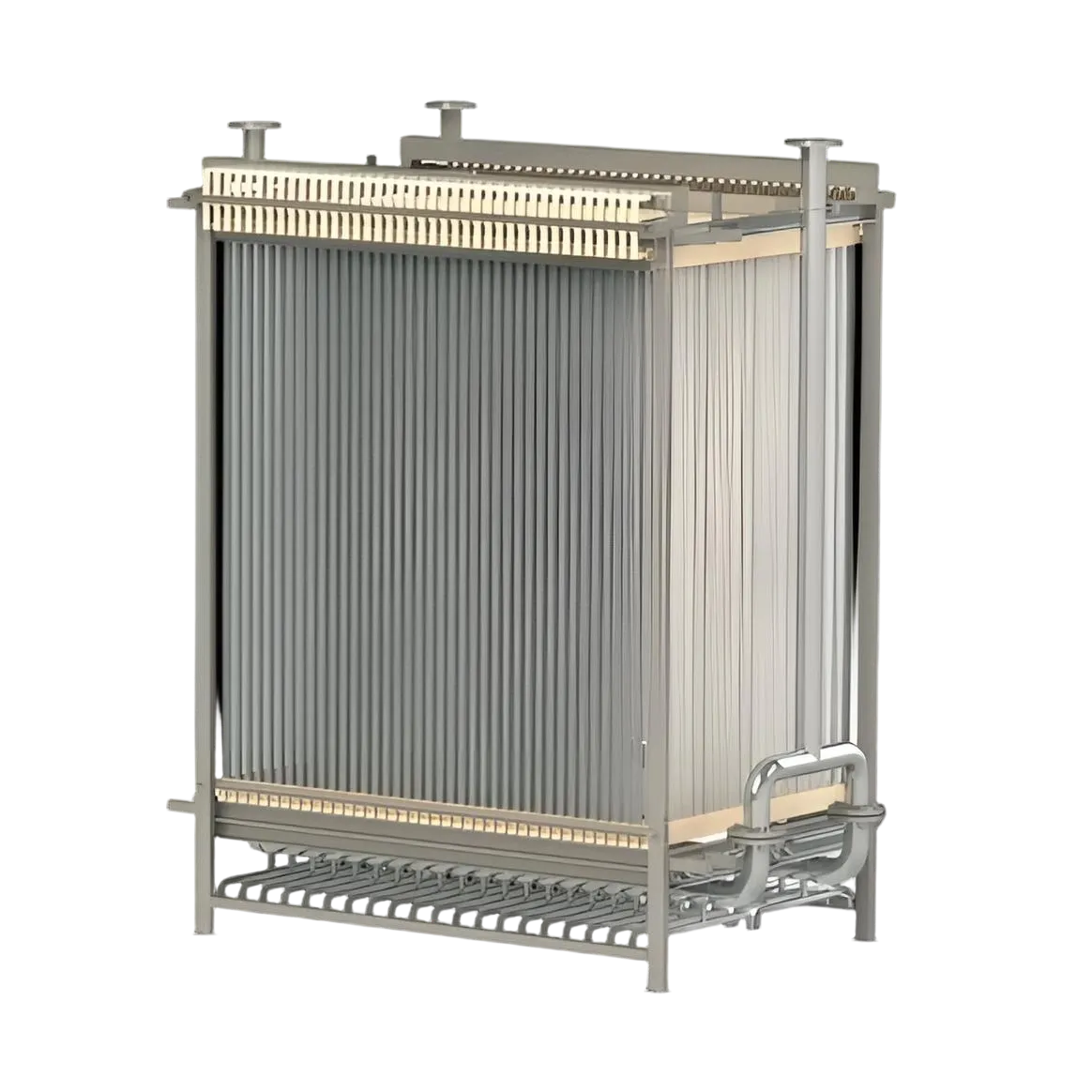
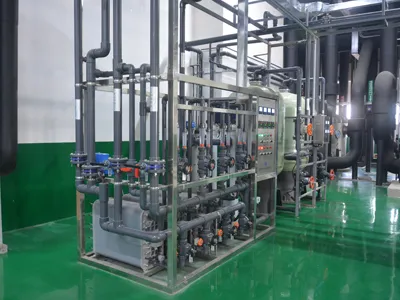
Microfiltration methods include three types: depth filtration, screen filtration, and surface filtration. Depth filtration membranes use a matrix made of woven fibers or compressed materials to retain particles through random adsorption or trapping. Screen membranes have a uniform structure, like a sieve, retaining particles larger than the pore size on the surface (the pore size of these membranes is very precise). Surface filtration has a multi-layered structure; when the solution passes through the membrane, particles larger than the internal pores are retained and mainly accumulate on the surface.
Because these three types of membranes have different functions, distinguishing between them is crucial. Depth filtration is a more economical method, removing over 98% of suspended solids while protecting downstream purification units from spoilage or clogging, and is therefore often used as a pre-filtration process. Surface filtration removes over 99.99% of suspended solids and can also be used for pre-filtration or clarification. Microporous membranes (sieve filters) are generally placed at the final point of use in purification systems to remove residual trace amounts of resin debris, carbon deposits, colloidal particles, and microorganisms. For example, 0.22 μm microporous membranes can filter out all bacteria and are commonly used for sterilizing intravenous fluids, serums, and antibiotics.
Ultrafiltration:
While microporous membranes remove particles based on their pore size, ultrafiltration (UF) membranes act as molecular sieves, allowing solutions to pass through extremely fine membranes based on size, thus separating molecules of different sizes in the solution.
Ultrafiltration membranes are strong, thin, and selectively permeable membranes that can retain most molecules larger than a certain size, including colloids, microorganisms, and pyrogens. Smaller molecules, such as water and ions, can pass through the membrane. Therefore, ultrafiltration can concentrate large molecules in the retained solution; however, some large molecules will still leak into the filtrate. Ultrafiltration membranes come in several different ranges; in all cases, they retain most molecules larger than the molecular weight defined by their molecular sieve.
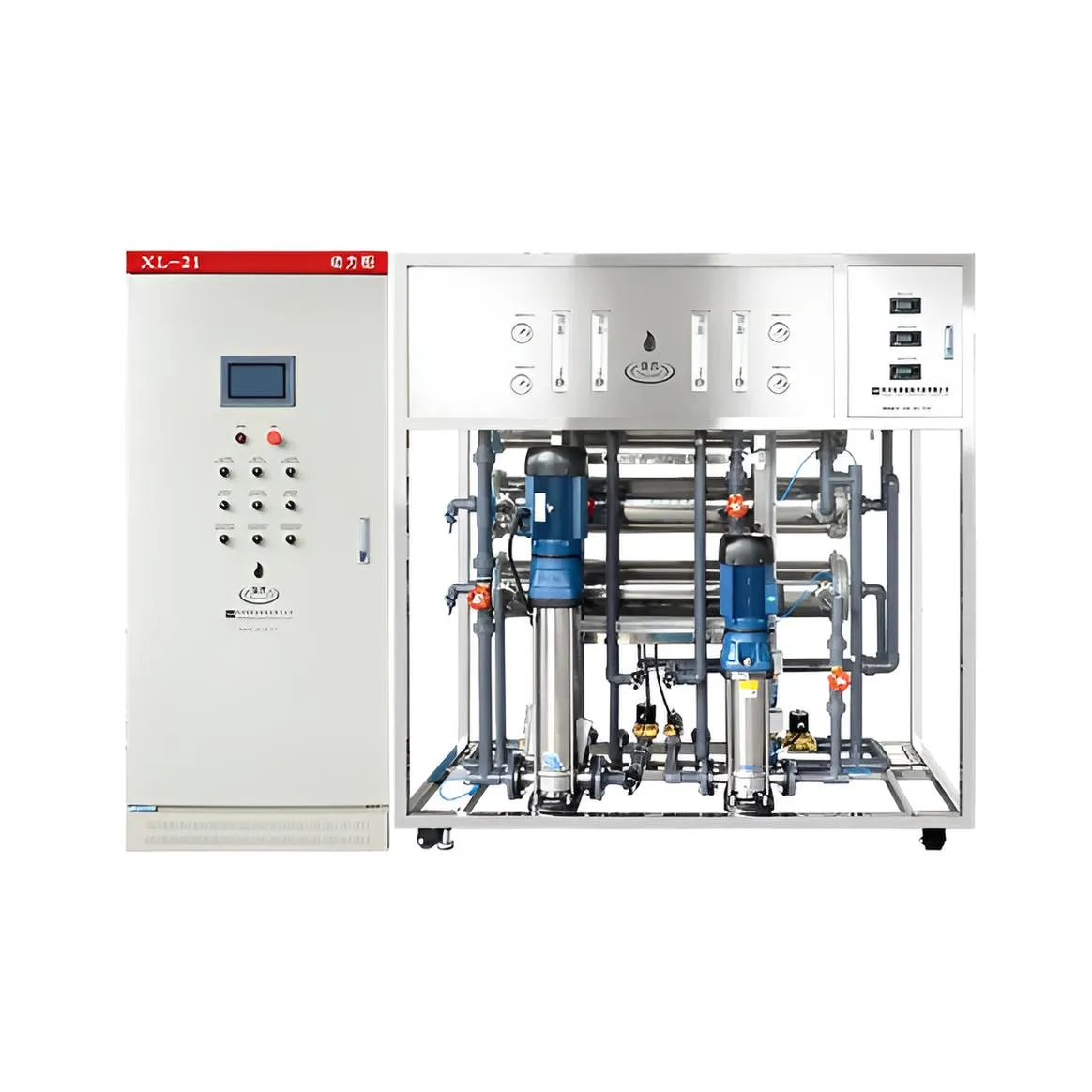
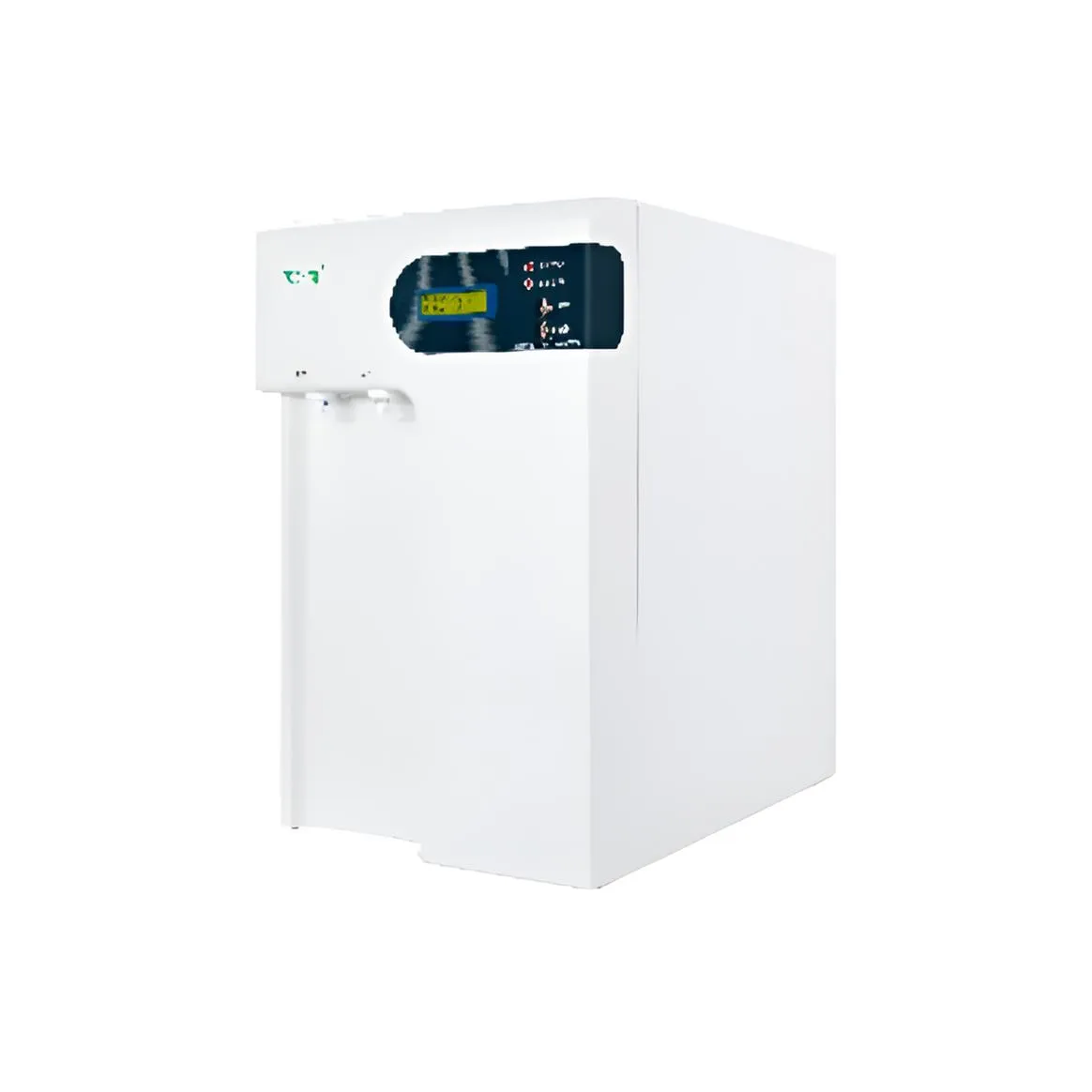
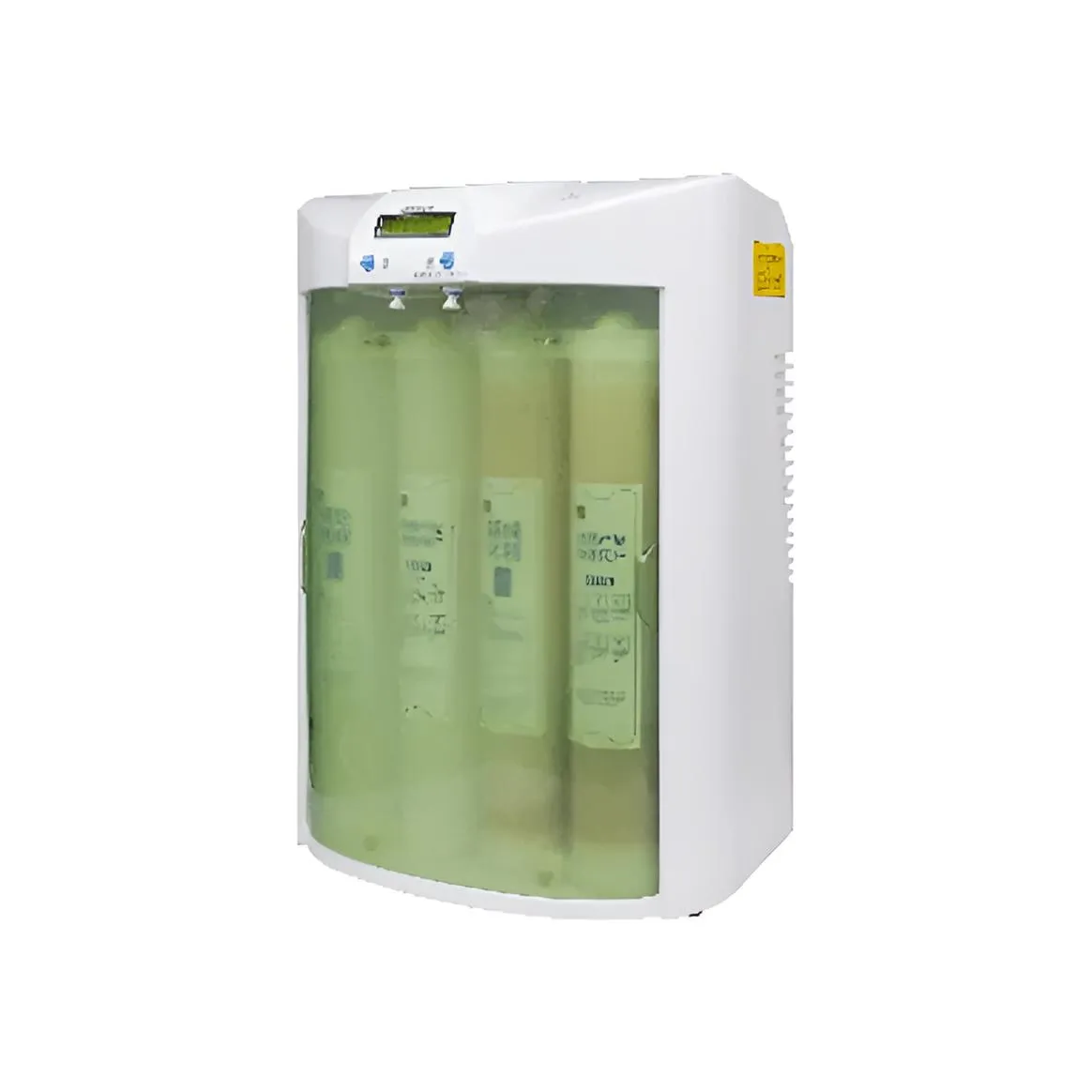
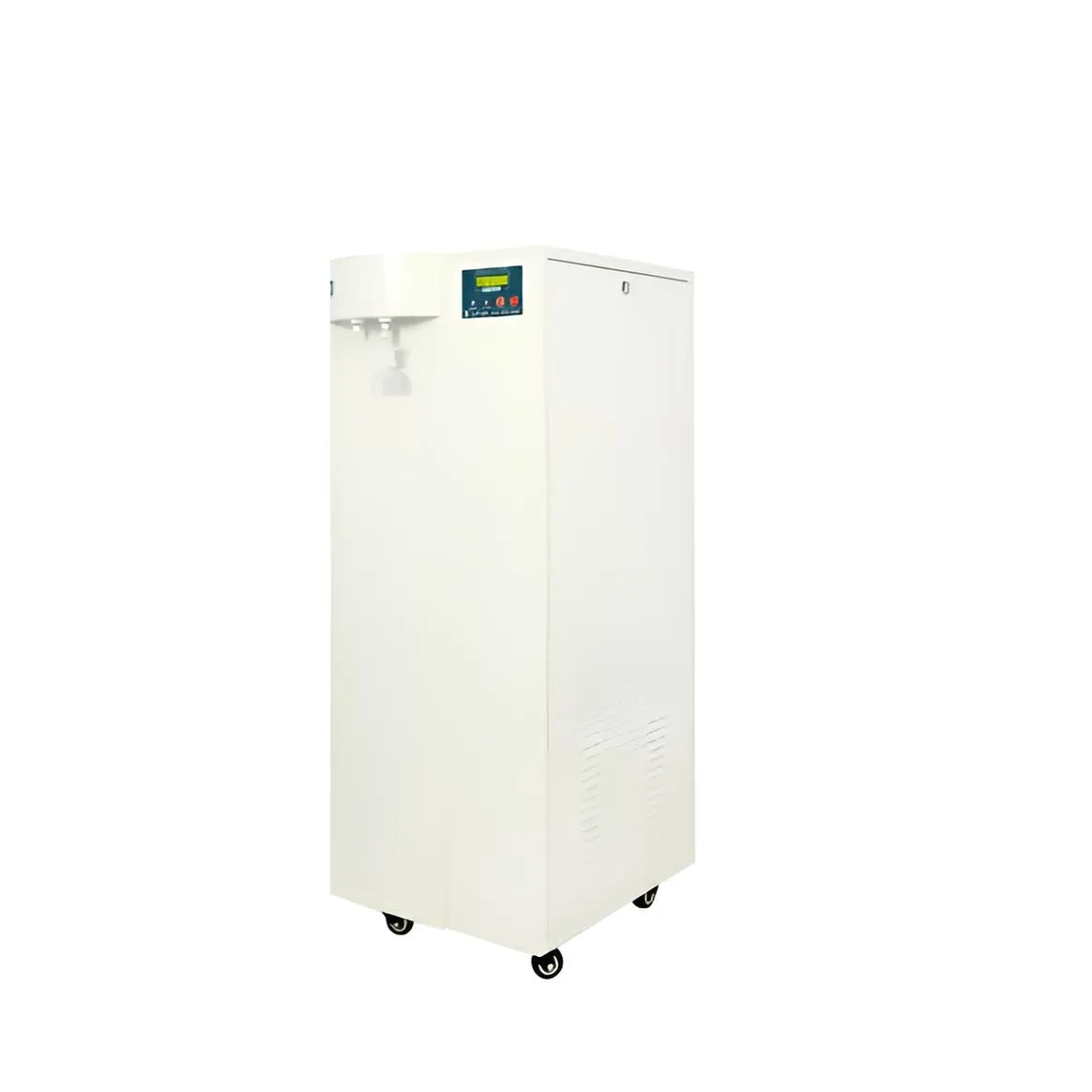
Water purifiers are divided into manual (also known as economy models) and automatic types. The difference lies in the backwashing mechanism; economy models use a manual backwash valve. Water purifiers are also categorized as countertop or under-counter models, serving the same purpose. They are also available in separate and integrated models. Separate models have a larger footprint, with the storage tank and unit separate; integrated models combine the main unit and storage tank, taking up less space, facilitating cleaning, and offering a more aesthetically pleasing appearance. Different users can choose based on their specific needs.
Water purifiers require electricity and have a storage tank. They typically employ five stages of filtration: the first stage is a filter cartridge, the second and third are activated carbon, the fourth is an RO reverse osmosis membrane, and the fifth is refined activated carbon, primarily used to improve taste. A sixth stage can be added, containing zeolite (or similar minerals).
A water purifier can remove impurities, rust, colloids, bacteria, and viruses. It can also remove harmful radioactive particles, organic matter, fluorescent substances, and pesticides. In addition, it can remove limescale and heavy metals, ensuring that there is no limescale when you boil water and protecting the health of your family.





