
Phone:
0086 28 87573647
+86 19150187139

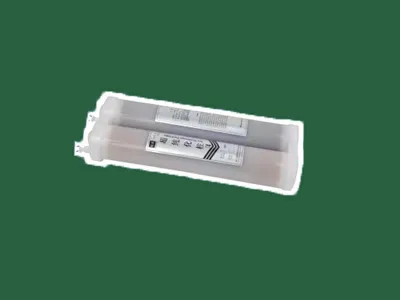
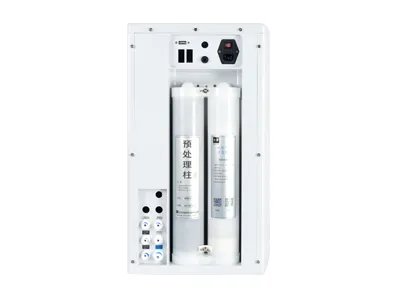
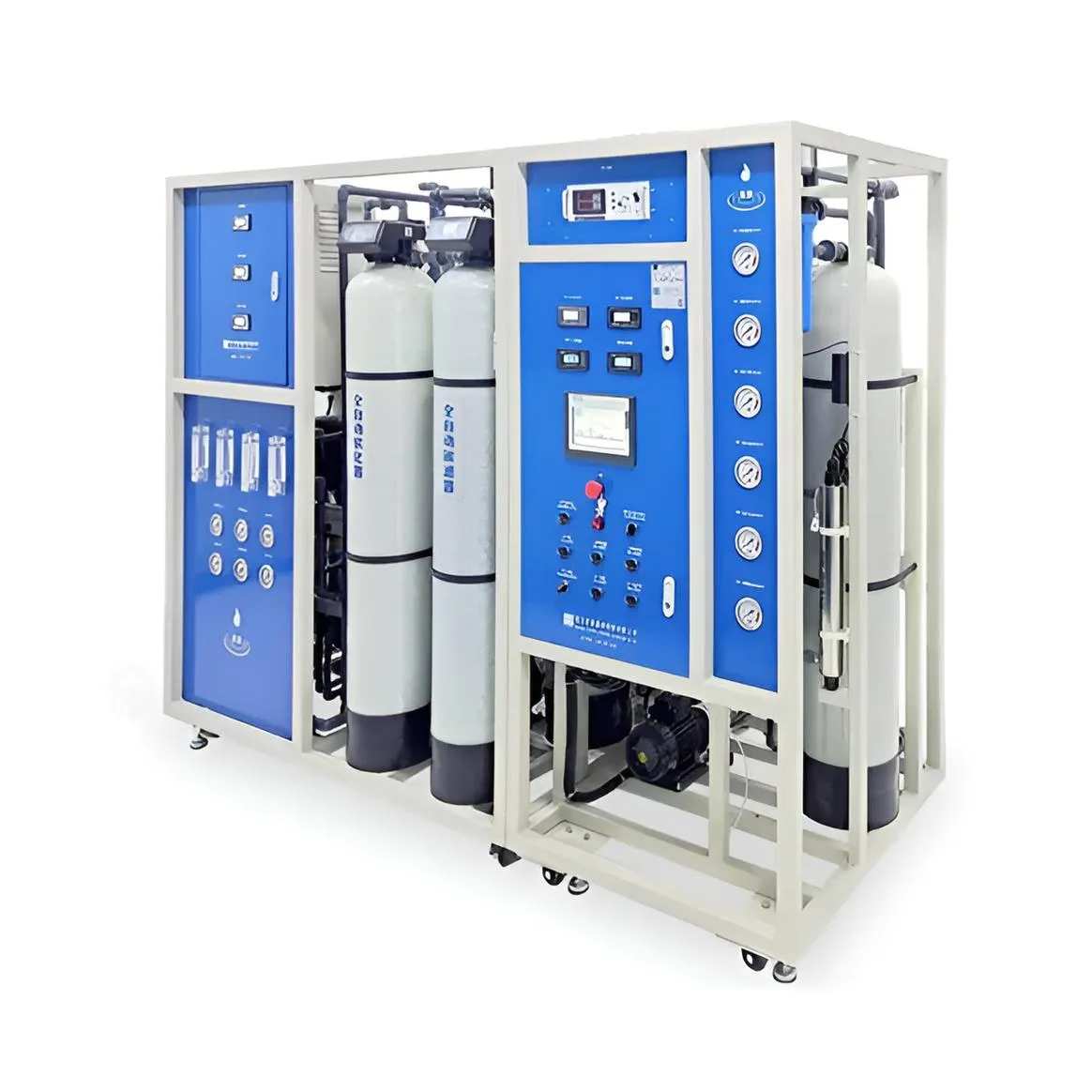
1. Filter Cartridge Clogging: The filter cartridge is one of the core components of an ultrapure water machine, and its function is to filter impurities and harmful microorganisms from the water. Filter cartridge clogging is one of the most common faults, especially PP cotton as a primary filter cartridge, which is easily clogged by suspended solids and particulate matter in the water, resulting in obstructed water flow.
2. Reverse Osmosis Membrane Clogging: The reverse osmosis membrane is a very important component in an ultrapure water machine. Its pore size is very small, which can effectively remove impurities from the water. However, due to its small pore size, bacteria and other small substances are easily deposited on its surface, resulting in a decrease in membrane flux and a reduction in water production capacity [11]. If the pre-filter cartridge is not replaced or cleaned for a long time, the water quality inside the machine will be much worse than the water quality before entering the machine, further aggravating the clogging of the reverse osmosis membrane.
3. Insufficient Water Pressure: Ultrapure water machines require a certain water pressure to work normally. If the tap water pressure is insufficient, or if the booster pump inside the machine malfunctions and cannot provide sufficient pressure, the water flow rate will slow down. For example, if the transformer malfunctions and cannot provide the voltage required for the pump to pressurize properly, the pump speed will be slow, resulting in lower pressure. Naturally, the pressure required for tap water to pass through the RO membrane will not be reached, leading to slower water production.
4. Check valve blockage: The check valve prevents water backflow. If the check valve is blocked, it will also cause poor water flow and slow down the water production speed.
5. Usage frequency and water quality: Usage frequency and water quality are also important factors affecting the lifespan and performance of the ultrapure water system. High usage frequency or poor water quality will shorten the lifespan of the filter cartridges and reverse osmosis membranes, requiring more frequent replacements.
1. Regular filter cartridge replacement: Regularly replacing filter cartridges is an important step in maintaining an ultrapure water system. Depending on different usage conditions and water quality requirements, the replacement cycle for pre-filtration systems is generally 3-6 months, and for reverse osmosis membranes, it is 1-2 years.
2. Cleaning the reverse osmosis membrane: Most ultrapure water systems have a backwashing function, which can clean away accumulated impurities and microorganisms. If not used for an extended period, remove the machine and soak it in disinfectant to prevent bacterial growth.
3. Check water pressure: Ensure sufficient water pressure entering the machine. If the water pressure is low, a booster pump may need to be installed or its proper function should be checked.
4. Check check valve: Regularly check the check valve for blockages and clean or replace it if necessary.
5. Regular maintenance and inspection: Maintenance of laboratory ultrapure water systems is relatively simple, mainly including regular replacement of consumables, keeping the machine clean, and checking for leaks. It is recommended to develop a regular maintenance plan, including checking the operating status of each component to ensure the machine is in optimal condition.
Regular maintenance and filter replacement can effectively extend the lifespan of the ultrapure water system and maintain its performance. Users should regularly inspect and maintain the ultrapure water system to ensure its normal operation. If the problem cannot be resolved by the user, contact a professional repair technician promptly.