


Phone:
0086 28 87573647
+86 19150187139

1. Water Supply Failure: Check if the inlet valve is open and if the tap water pressure is sufficient (usually 0.1-0.4 MPa). If using a storage-type water source, ensure the water tank is not interrupted.
2. Power Supply Abnormality: Observe if the indicator lights on the panel are lit and if the plug is loose. Some models will trigger low-pressure protection when there is a power outage, requiring a restart to reset the protection mechanism.
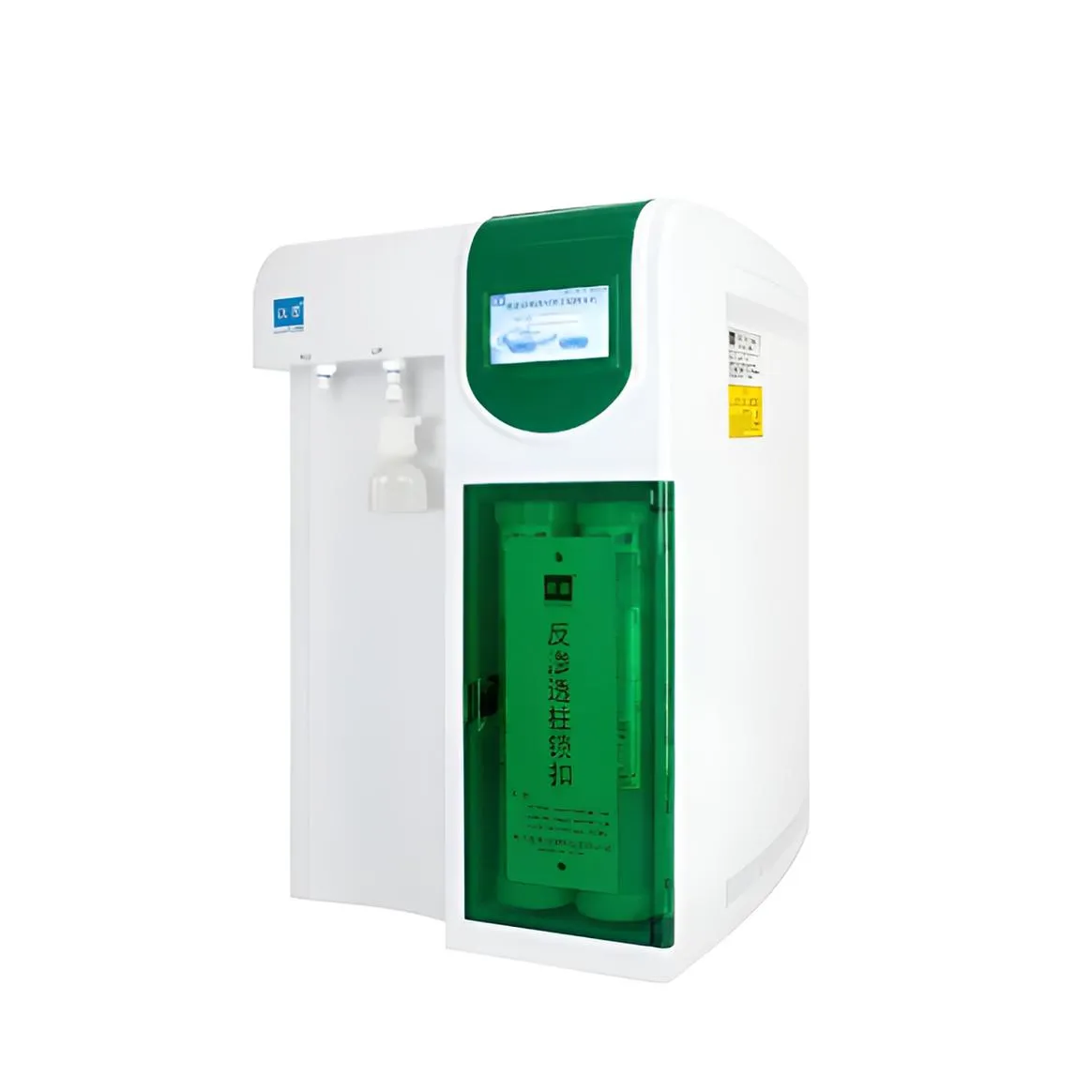
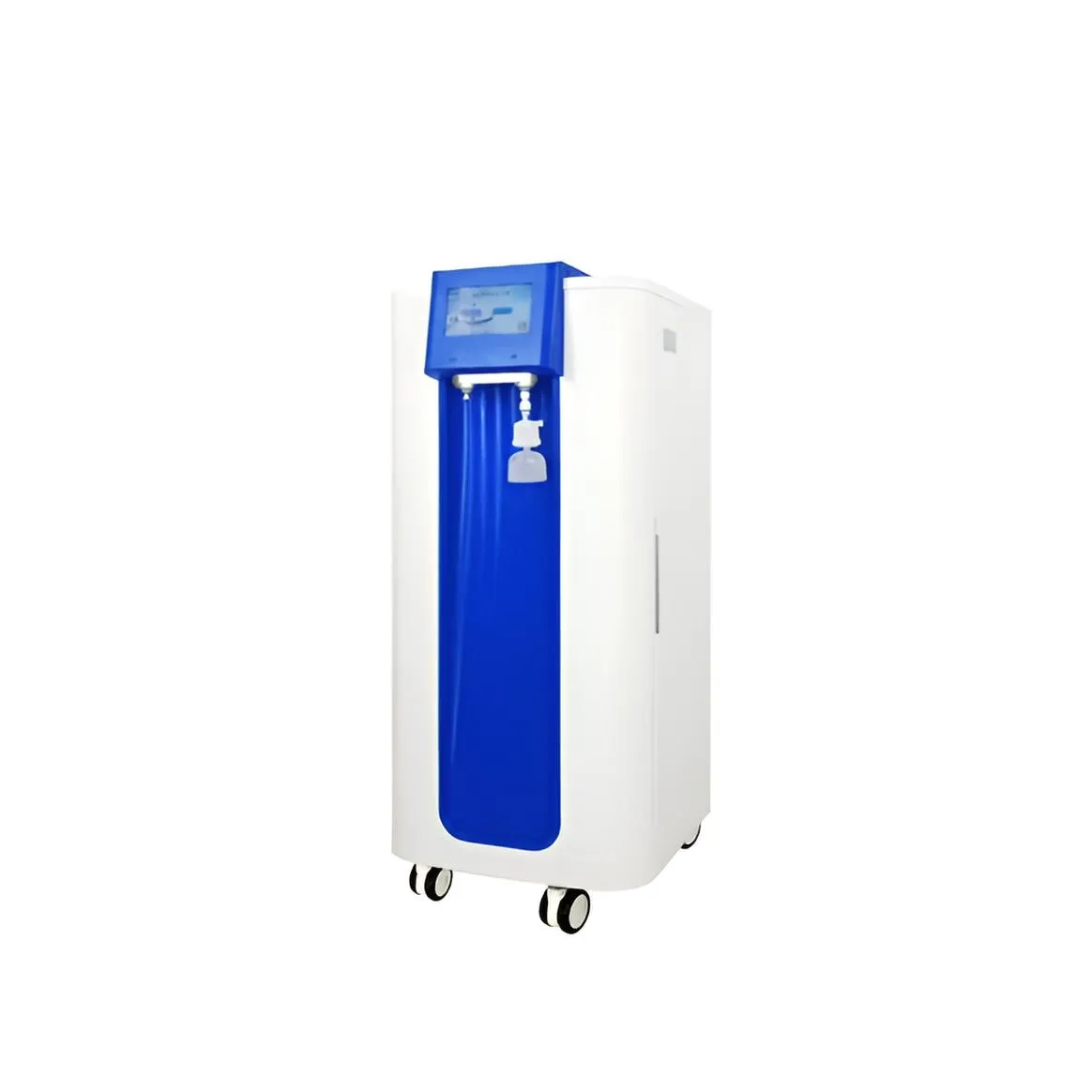
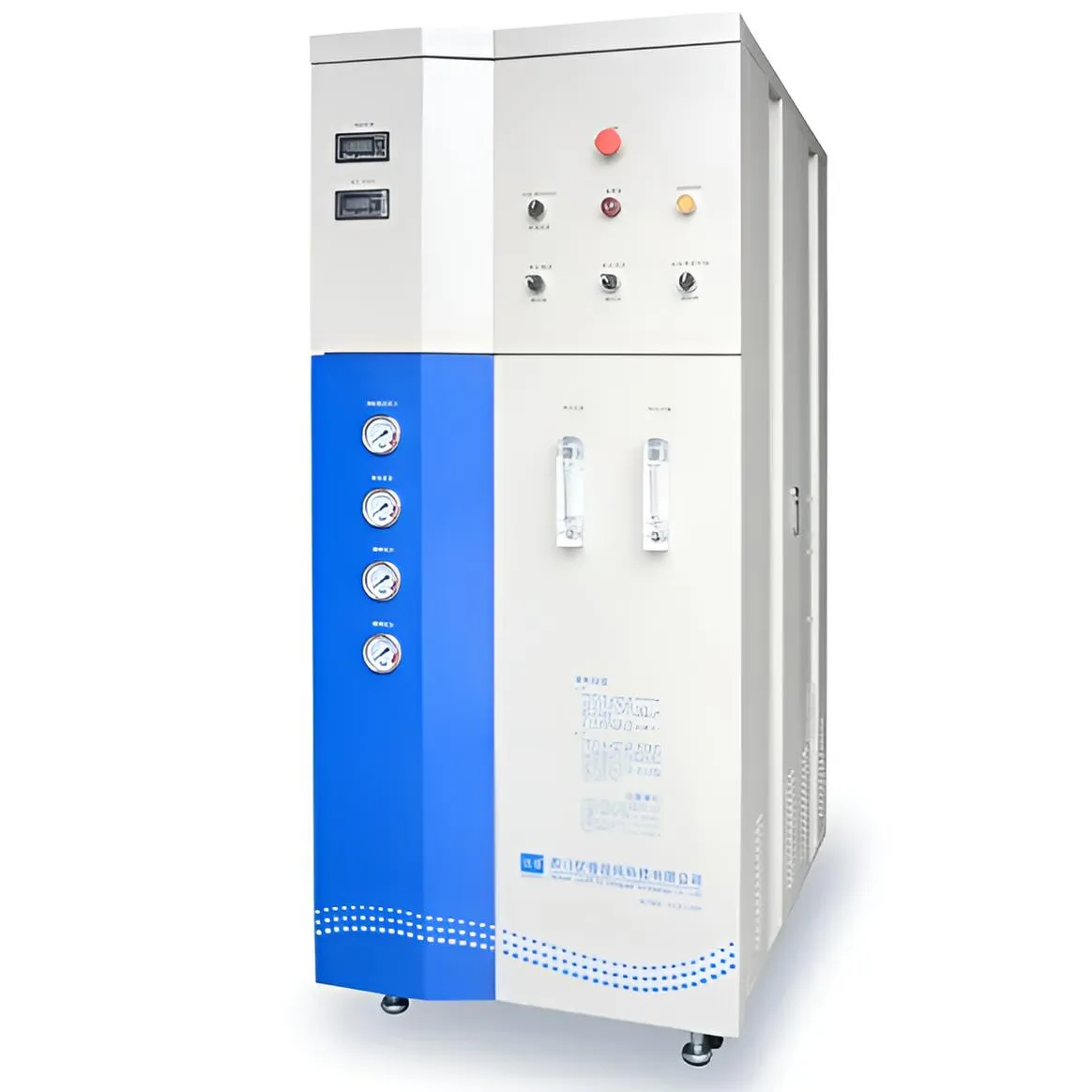
Filter clogging is the most common cause. Check in order from pre-treatment to post-treatment:
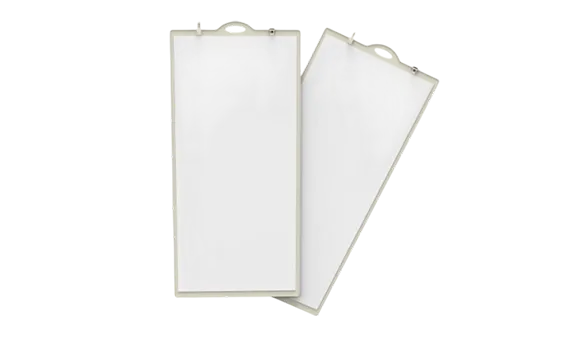
1. Pre-treatment Filters: PP cotton (replace every 3-6 months) and activated carbon (replace every 3-6 months) clogging will cause flow interruption. Replacing them can solve 80% of basic problems.
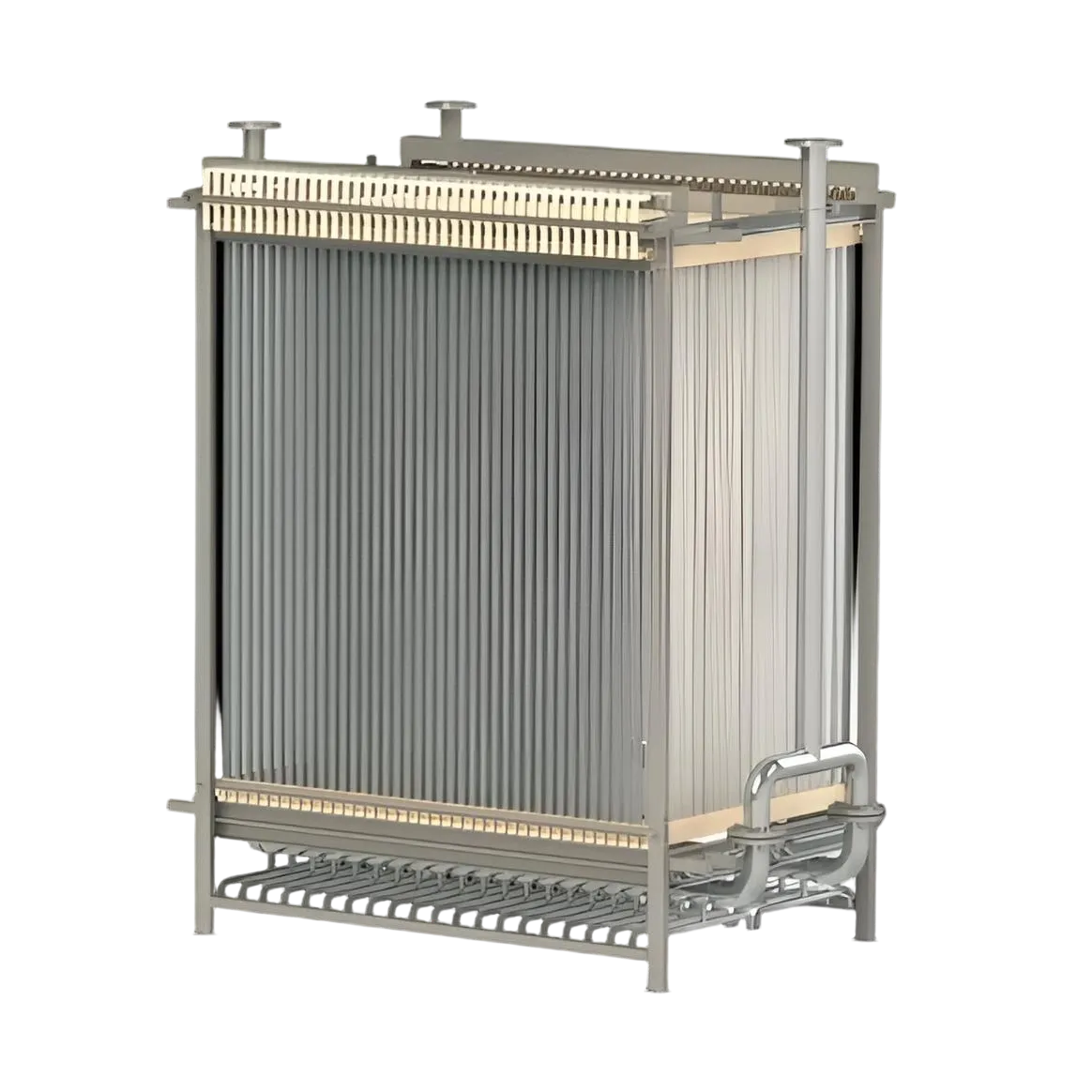
2. RO Membrane Failure: As a core component, the RO membrane is prone to scaling and clogging after 1-2 years of use. If the permeate flow rate drops by more than 50%, a new membrane needs to be replaced and the system flushed. 3. Purification Column Saturation: After producing 3-5 tons of water, the ion exchange capacity of the purification column will be exhausted, resulting in not only failure to produce water but also water contamination. It needs to be replaced promptly.
If consumables are normal, check the mechanical components:
1. Solenoid Valve/Pump Problems: A stuck inlet solenoid valve will block water flow. A pump running dry or with worn bearings will produce a harsh noise. The motor needs repair or the pump needs replacement.
2. Pressure Switch Malfunction: A malfunctioning low-pressure switch (monitoring inlet pressure) will trigger a shutdown. A damaged high-pressure switch will falsely indicate the tank is full. Disconnecting the connector and restarting the machine will confirm the fault.
3. Pressure Tank Malfunction: Insufficient pressure will cause water storage failure. If the tank is contaminated, it needs to be emptied and cleaned before use. IV. Routine Maintenance to Minimize Problems
1. Regular Consumable Replacement: Replace pretreatment columns every 3-6 months, reverse osmosis columns every 18-24 months, and ultrapure water columns when the conductivity is ≥0.2μS/cm.
2. Standard Operation: Check the water source before each startup, automatically flush the RO membrane, and shut off the power and water supply during long holidays to protect the equipment.
3. Professional Assistance: In case of circuit burnout, membrane shell rupture, or other problems, do not attempt to disassemble the equipment yourself. Contact after-sales service to avoid secondary damage.