



Phone:
0086 28 87573647
+86 19150187139
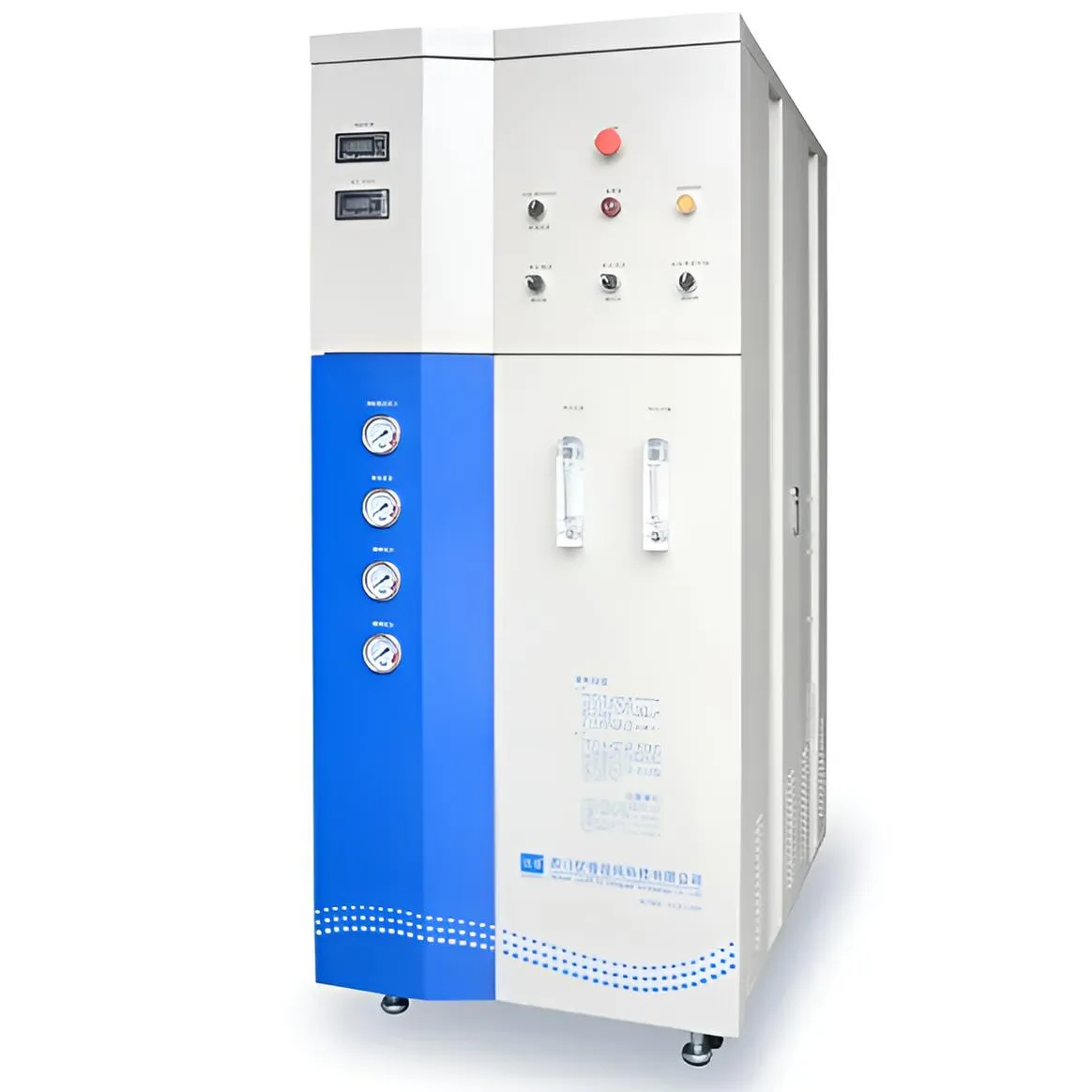
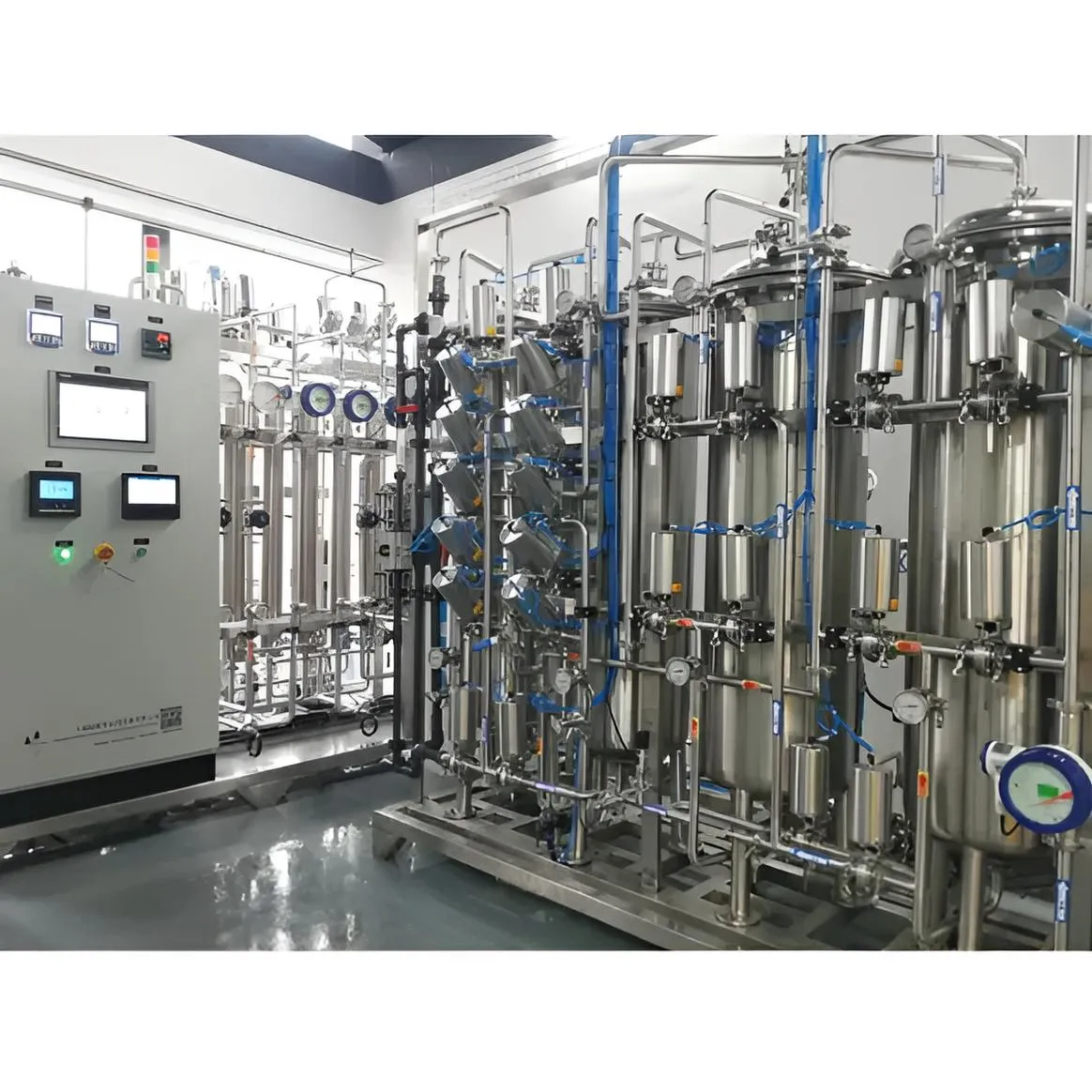
The operation of an ultrapure water system is a sophisticated purification process. Through multiple key steps, it transforms ordinary tap water into ultrapure water with a resistivity as high as 18.2 MΩ・cm, meeting the needs of various high-end scientific research and industrial production.
1. Pretreatment: Initial Purification
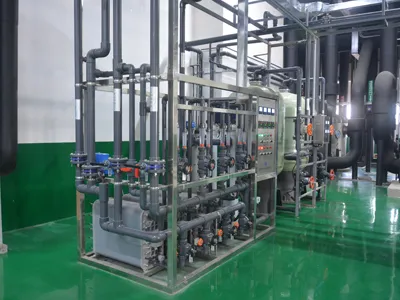
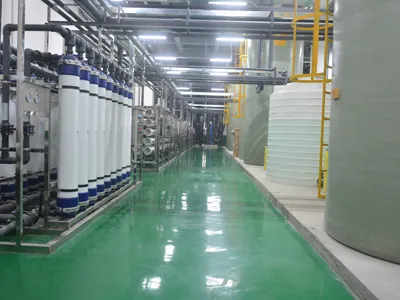
Pretreatment is the first step in ultrapure water preparation, primarily accomplished through precision filters and activated carbon filters. Precision filters act like loyal guardians, effectively intercepting large particulate impurities in the water, such as silt and rust. If these impurities are not removed beforehand, they will cause wear and blockage to subsequent treatment equipment. Activated carbon filters, on the other hand, act like powerful adsorption masters. Their rich microporous structure provides a strong adsorption capacity for chlorine, odors, and some organic matter in the water. After this pretreatment step, the tap water becomes clearer, laying a solid foundation for subsequent advanced treatment.
2. Reverse Osmosis: The Key Desalination Step
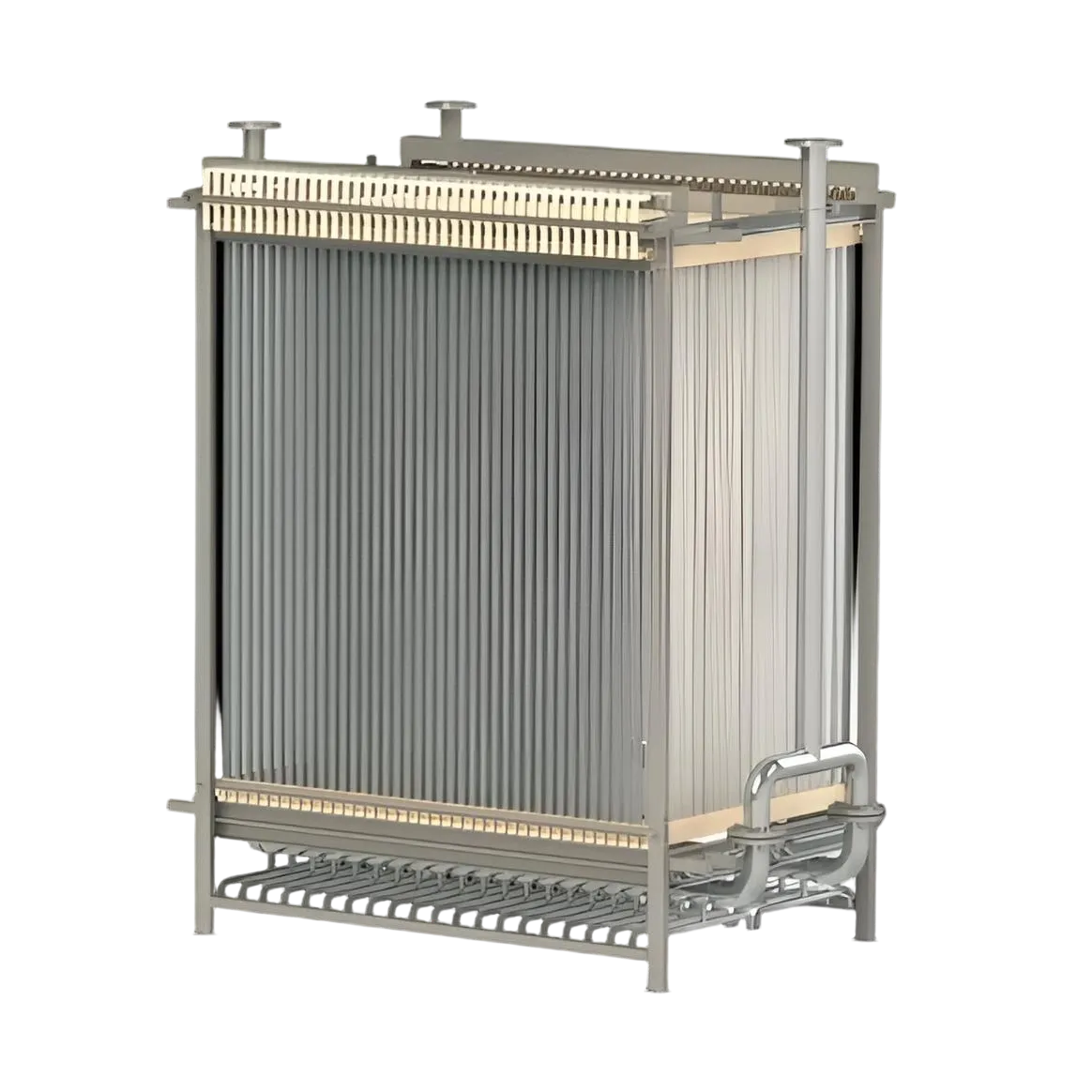
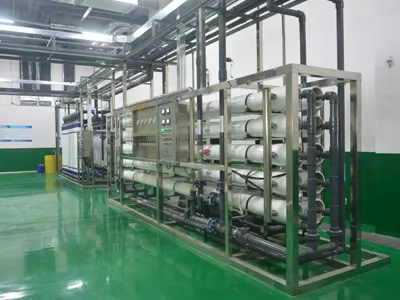
Reverse osmosis is the core component of an ultrapure water system. Under external pressure, water molecules overcome natural osmotic pressure and flow from the high-concentration solution side (i.e., water containing impurities) to the low-concentration solution side (i.e., pure water). Dissolved salts, heavy metals, bacteria, viruses, and other impurities are relentlessly blocked on one side of the membrane, thus achieving highly efficient separation of water molecules and impurities. This step significantly improves water purity, initially meeting the national Class III water standard, satisfying some usage scenarios where water quality requirements are not particularly stringent.
3. Deep Desalination: Towards Ultrapure Water
While water treated by reverse osmosis has removed most impurities, it still contains trace amounts of ions, falling short of the ultrapure water standard. At this point, purification columns or ion exchange resins come into play. They remove residual cations (such as sodium ions and calcium ions) and anions (such as chloride ions and sulfate ions) in the water through ion exchange. Taking ion exchange resins as an example, cation exchange resins use hydrogen ions (H+) to exchange cations, while anion exchange resins use hydroxide ions (OH-) to exchange anions. Hydrogen ions and hydroxide ions combine to form water, further reducing the ion concentration in the water and achieving a purity level equivalent to Grade I or even ultrapure water. This meets the demands of high-end scientific research, electronic chip manufacturing, and other fields with extremely high water quality requirements.
4. The Value of Ultrapure Water Systems
Ultrapure water systems transform ordinary tap water into ultrapure water that meets high-end requirements through a series of complex and sophisticated steps, including pretreatment, reverse osmosis, deep desalination, and special treatments. Their working principle embodies the wisdom of modern technology. In the scientific research field, it provides pure solvents for life science experiments, ensuring the accuracy and reliability of experimental results. In electronic chip manufacturing, ultrapure water participates in critical processes such as chip cleaning, ensuring the high performance and stability of the chips. In the biopharmaceutical industry, it is a crucial guarantee for drug production, affecting drug quality and patient safety. Ultrapure water systems have become an indispensable key piece of equipment for the development of many industries. With the continuous advancement of technology, they will play an even greater role in more fields, continuously driving innovation and development in various industries.