




Phone:
0086 28 87573647
+86 19150187139

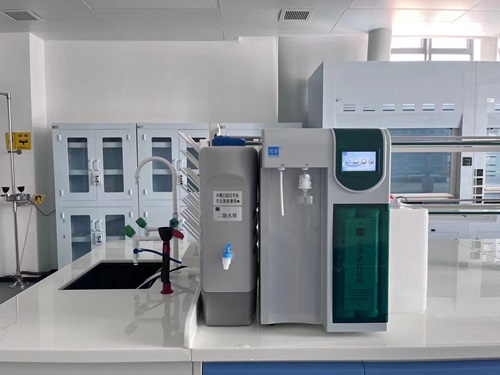
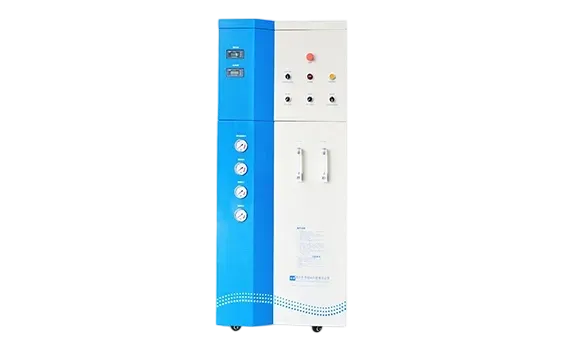
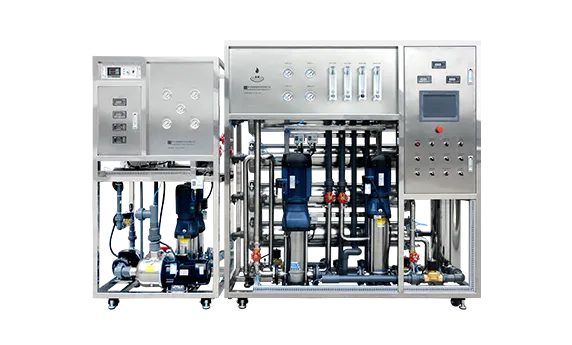
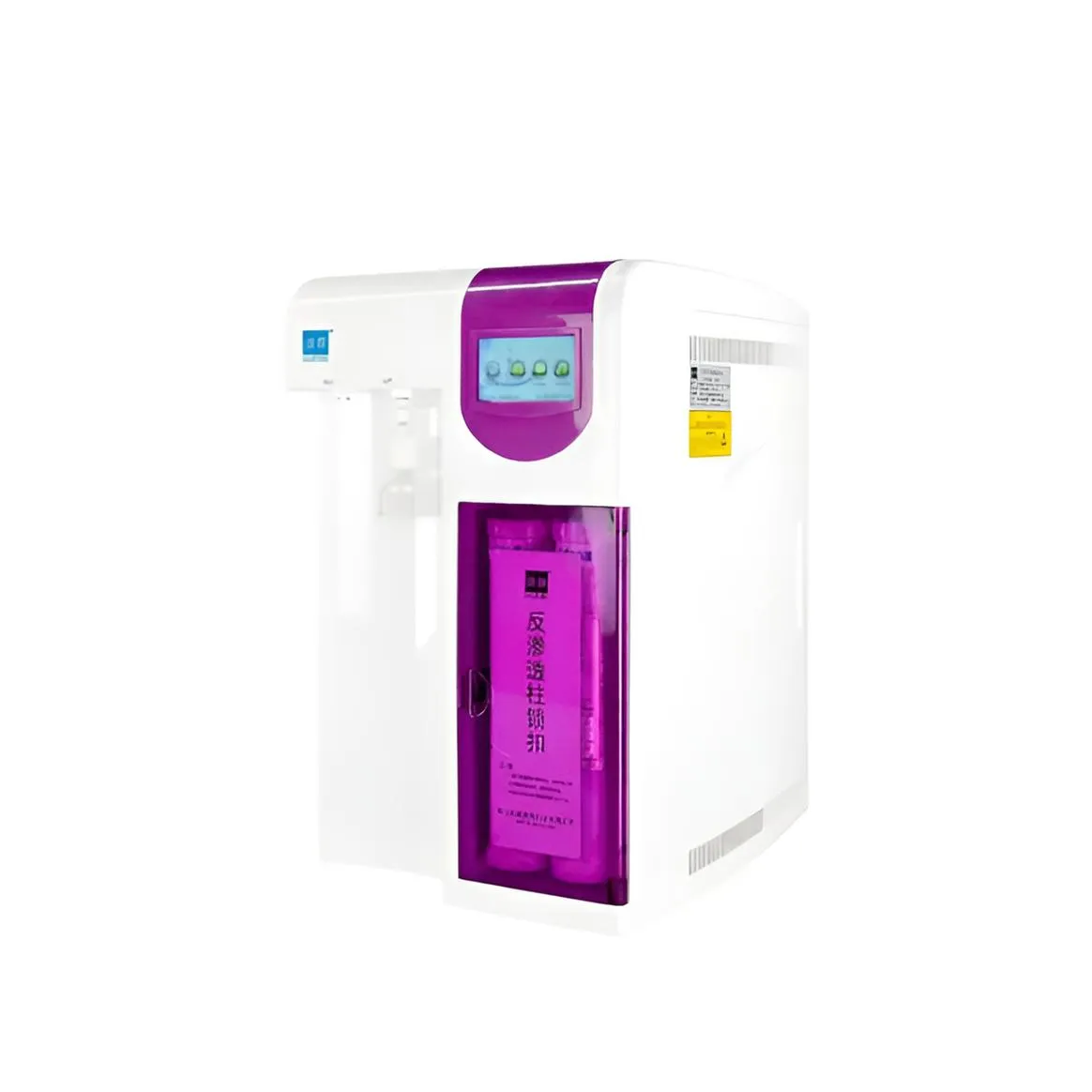
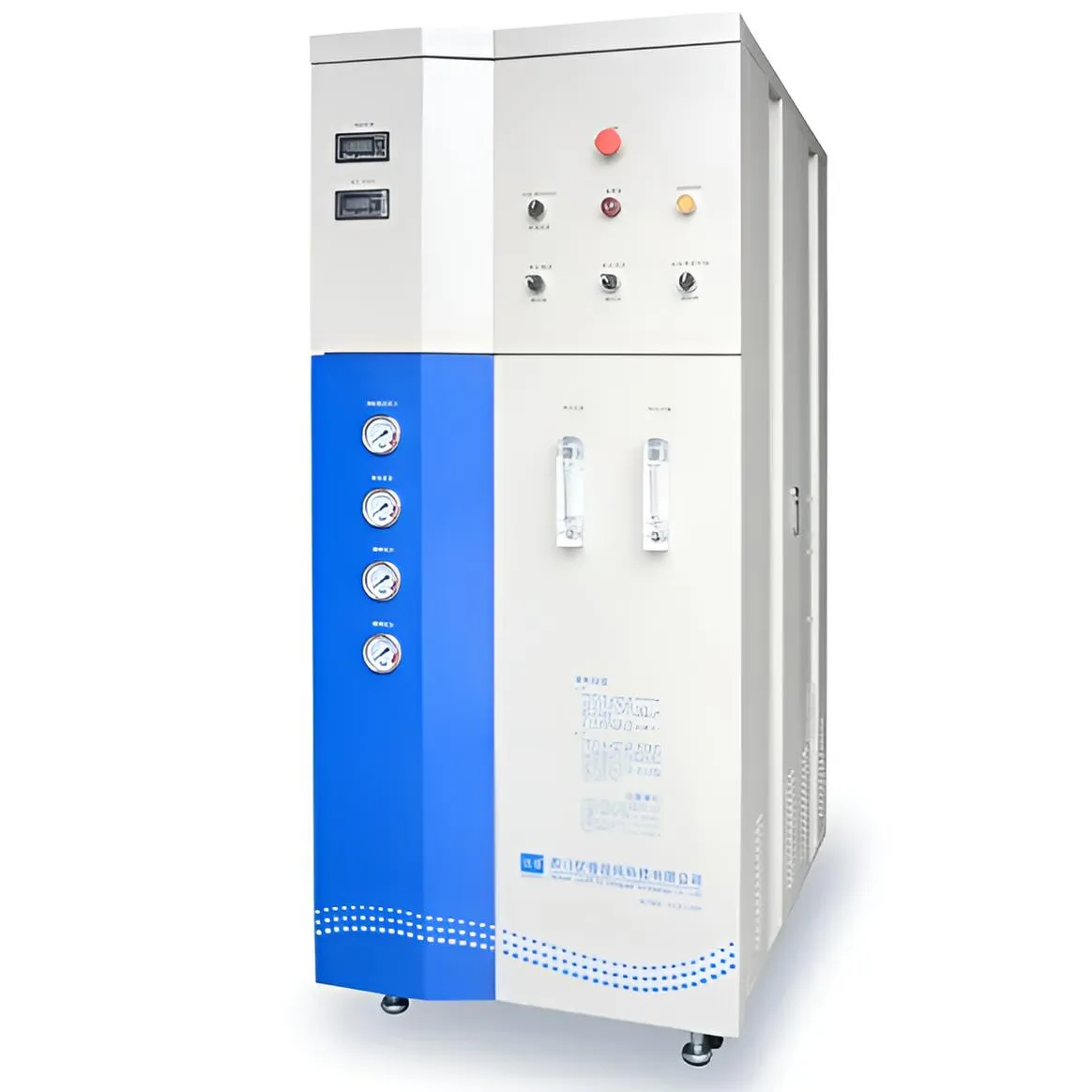
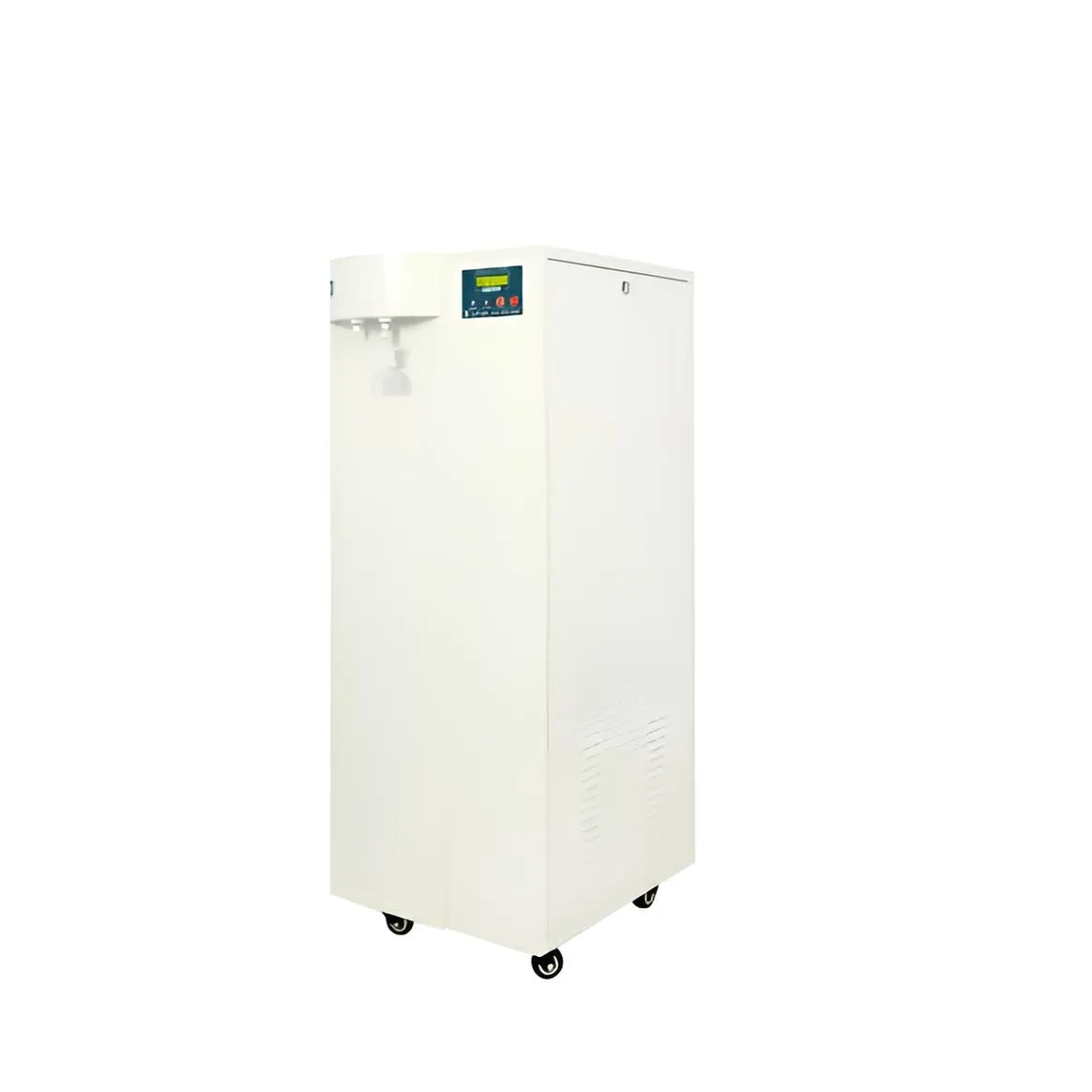
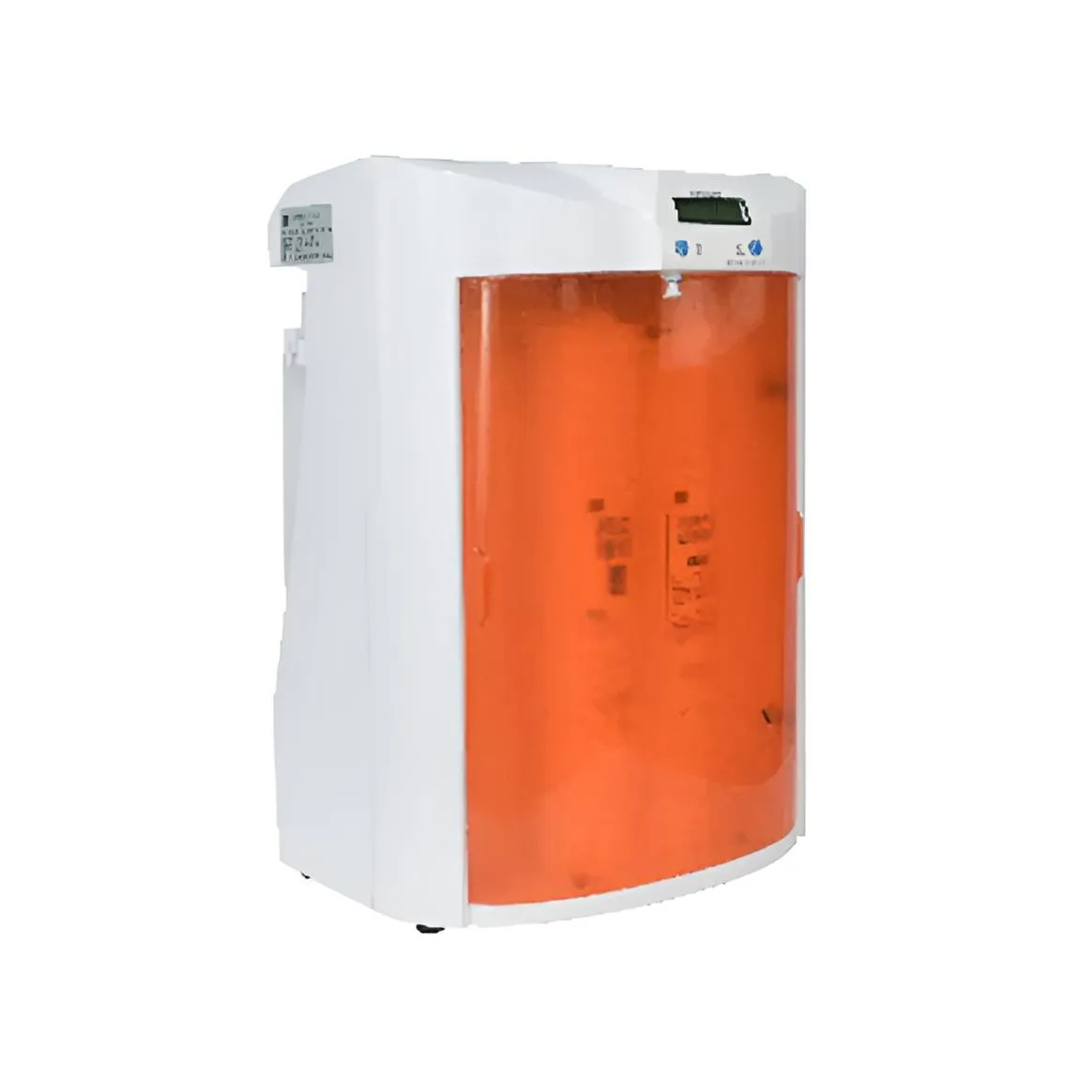
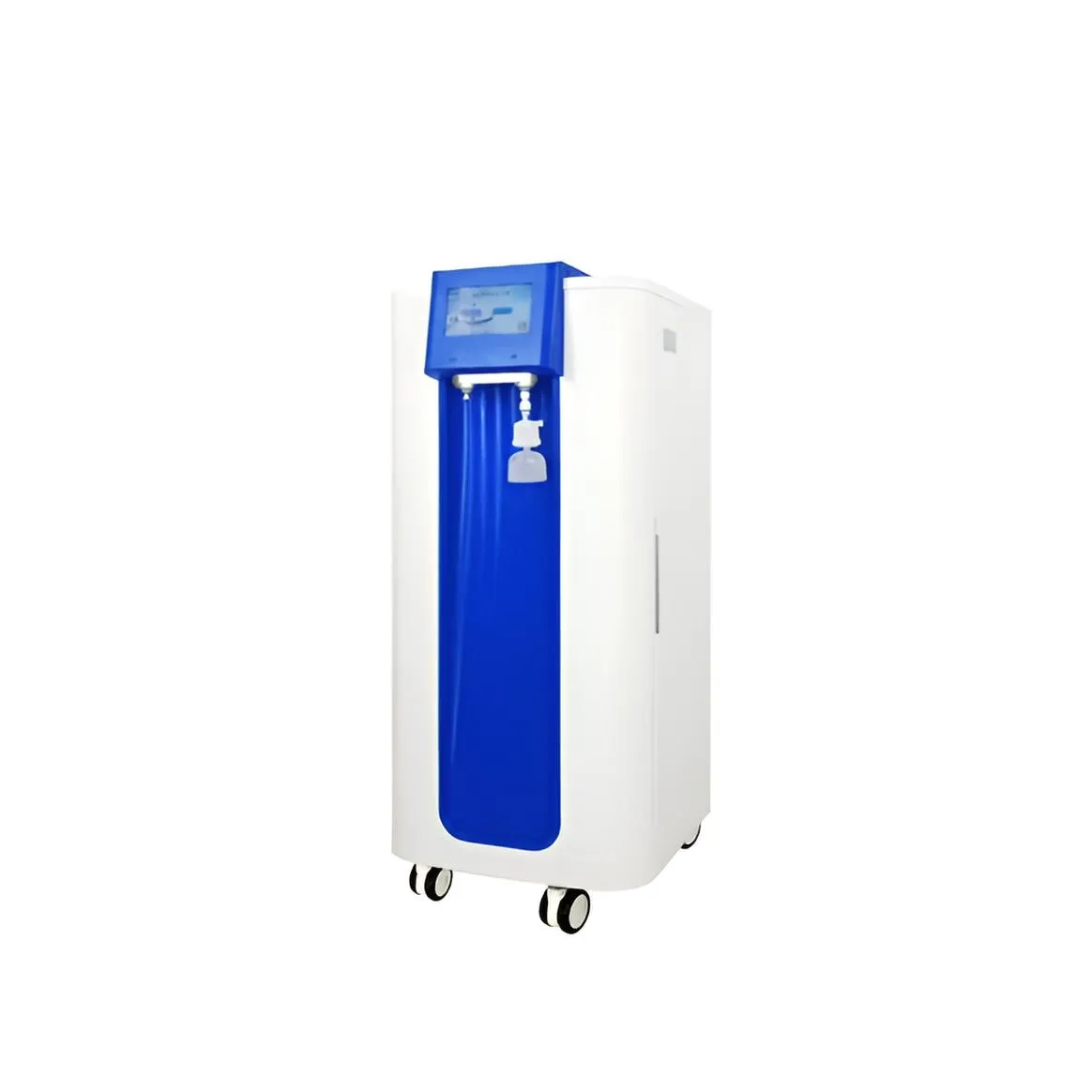
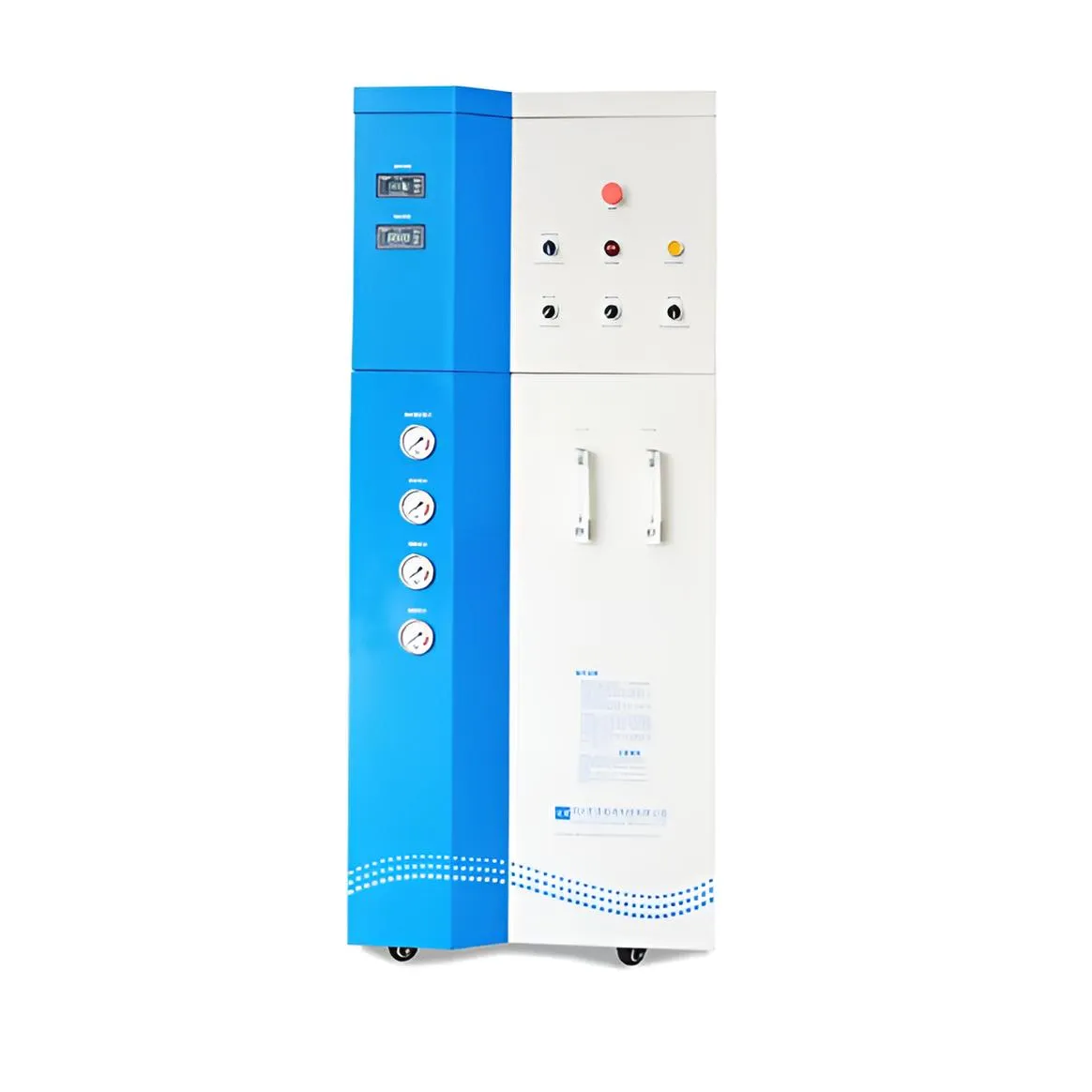
As an indispensable key piece of equipment in modern laboratories, laboratory pure water systems encompass multiple functions, including water purification, system monitoring, and safety assurance.
The core function of a laboratory pure water system lies in its highly efficient water purification capability. Through multi-stage filtration technology, it removes impurities, ions, organic matter, and microorganisms from water, resulting in high-purity water. This function is primarily achieved through the following systems:
1. Pretreatment System: The pretreatment system performs preliminary treatment on the raw water, including filtration, sedimentation, and adsorption steps. These steps remove large particulate impurities and suspended solids, protecting the normal operation of subsequent treatment systems. The presence of the pretreatment system ensures relatively stable water quality entering the reverse osmosis system, reducing the system's maintenance burden.
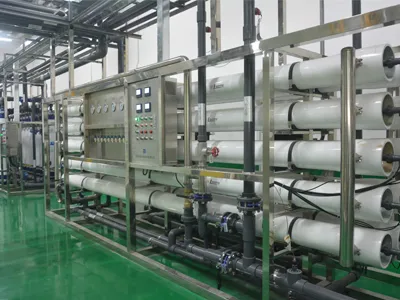
2. Reverse Osmosis System: The reverse osmosis system is the core component of the laboratory pure water system. Through the selective separation of semi-permeable membranes, the reverse osmosis system separates impurities such as ions, organic matter, and microorganisms from the water, resulting in high-purity water. Reverse osmosis membranes possess high selectivity and separation performance, effectively removing various contaminants from water to ensure the effluent meets laboratory standards.
3. Post-treatment System: The post-treatment system further processes the water produced by the reverse osmosis system to ensure purity and safety. This includes ultraviolet disinfection, ozone disinfection, and ultrafiltration. These steps kill microorganisms in the water, remove residual organic matter, and improve water purity and safety.
Laboratory pure water systems not only possess highly efficient water purification capabilities but also intelligent system monitoring functions. These functions allow users to monitor the equipment's operating status and water quality in real time, ensuring normal equipment operation and water quality stability.
1. Online Monitoring Function: Laboratory pure water systems are typically equipped with online monitoring instruments that can monitor parameters such as the resistivity of UP ultrapure water, the conductivity of RO pure water, and water temperature in real time. These parameters reflect water purity and equipment operating status, providing users with timely feedback.
2. Flow Monitoring Function: Laboratory pure water systems also have a flow monitoring function, which records and displays the filter replacement cycle. When the filter cartridge reaches its replacement cycle, the device will automatically issue a prompt reminding the user to replace it. This function ensures timely filter replacement and guarantees the stability of the output water quality.
3. Historical Database Query Function: The laboratory pure water system also features a historical database query function, which records data on water usage and volume for each transaction. This data is invaluable to users, helping them understand the equipment's usage and the stability of the output water quality, providing strong support for experimental work.
The laboratory pure water system is designed and manufactured with user safety needs fully considered, incorporating multiple safety assurance functions. These functions ensure that the equipment will not cause harm to users or the equipment during operation.
1. System Self-Control Protection Function: The laboratory pure water system has a system self-control protection function. When the equipment experiences abnormal conditions such as water shortage, low water pressure, or a full water tank, the system will automatically shut down to prevent damage to the equipment. This function ensures safe operation of the equipment under abnormal conditions.
2. Leakage Alarm Function: Laboratory pure water systems are typically also equipped with a leakage alarm device. When a leak occurs, the alarm device will sound, reminding the user to handle the situation promptly. This function helps prevent equipment damage and laboratory safety issues caused by leaks.
3. Automatic Shutdown Function: The laboratory pure water system also features an automatic shutdown function. When the equipment is not used for an extended period, the system will automatically shut down to save energy and extend the equipment's lifespan. This function not only reflects the intelligent design of the equipment but also aligns with the principles of energy conservation and environmental protection.
The intelligent design of the laboratory pure water system is another major highlight. Through microcomputer control, automated operation, and intelligent monitoring systems, the system can automatically adjust operating parameters and provide timely feedback on equipment status, making operation simpler and more efficient.
1. Microcomputer Control: The laboratory pure water system uses microcomputer control technology, enabling automated control and management of the entire device. Users can set and operate the equipment via a touchscreen or remote control, achieving one-button start and stop functions.
2. Automated Operation: The automated operation function of the laboratory pure water system allows users to complete water purification and treatment without manual intervention. The equipment can automatically perform reverse osmosis, disinfection, and other steps according to preset parameters, ensuring the stability and safety of the output water quality.
3. Intelligent Monitoring System: The intelligent monitoring system of the laboratory pure water system can monitor the equipment's operating status and water quality in real time, and display relevant information through devices such as a backlit LCD online resistivity meter. Users can use this information to understand the equipment's operating status and water quality, and adjust equipment parameters or perform maintenance operations in a timely manner.
V. Dual Inlet Design
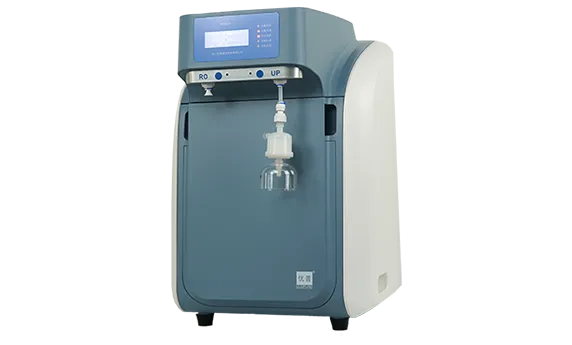
Laboratory pure water systems typically adopt a dual inlet design, which can simultaneously provide different levels of pure water to meet different experimental needs. This design allows users to select the appropriate water quality level according to their needs during experiments, improving the accuracy and reliability of the experiments.
1. RO Water Inlet: The RO water inlet provides pure water treated by the reverse osmosis system. This water has high purity but may contain some trace amounts of ions and organic matter. RO water is suitable for experimental occasions where water quality requirements are not particularly stringent.
2. UP Water Inlet: The UP water inlet provides ultrapure water that has undergone further treatment by the post-treatment system. This water boasts extremely high purity, virtually free of ions, organic matter, and microorganisms. UP water is suitable for experiments with stringent water quality requirements, such as cell culture and biomolecular experiments.
The laboratory pure water system is designed and manufactured with energy conservation and environmental protection in mind. By employing energy-saving technologies and optimizing equipment structure, the system effectively reduces energy consumption and water waste, while minimizing environmental pollution.
1. Energy-Saving Technologies: The laboratory pure water system utilizes energy-saving technologies such as low-pressure operation of the reverse osmosis membrane and intelligent equipment control. These technologies reduce energy consumption and operating costs, improving the equipment's energy efficiency ratio.
2. Optimized Equipment Structure: The laboratory pure water system features an optimized equipment structure, employing a compact design and reducing unnecessary pipes and valves. These optimizations reduce water waste and equipment footprint, improving overall equipment performance.
The laboratory pure water system has a wide range of applications, covering scientific research, medical and health care, environmental protection, and many other fields. In scientific research, laboratory pure water systems provide stable and high-purity water for the preparation of various chemical reagents and solutions, improving the accuracy and reliability of experiments. In the medical and health field, laboratory pure water systems provide high-quality water for medical equipment, ensuring the smooth operation of medical procedures. In the field of environmental protection, laboratory pure water systems provide accurate water quality data for environmental monitoring and pollution control, offering strong support for environmental protection efforts.