

Phone:
0086 28 87573647
+86 19150187139
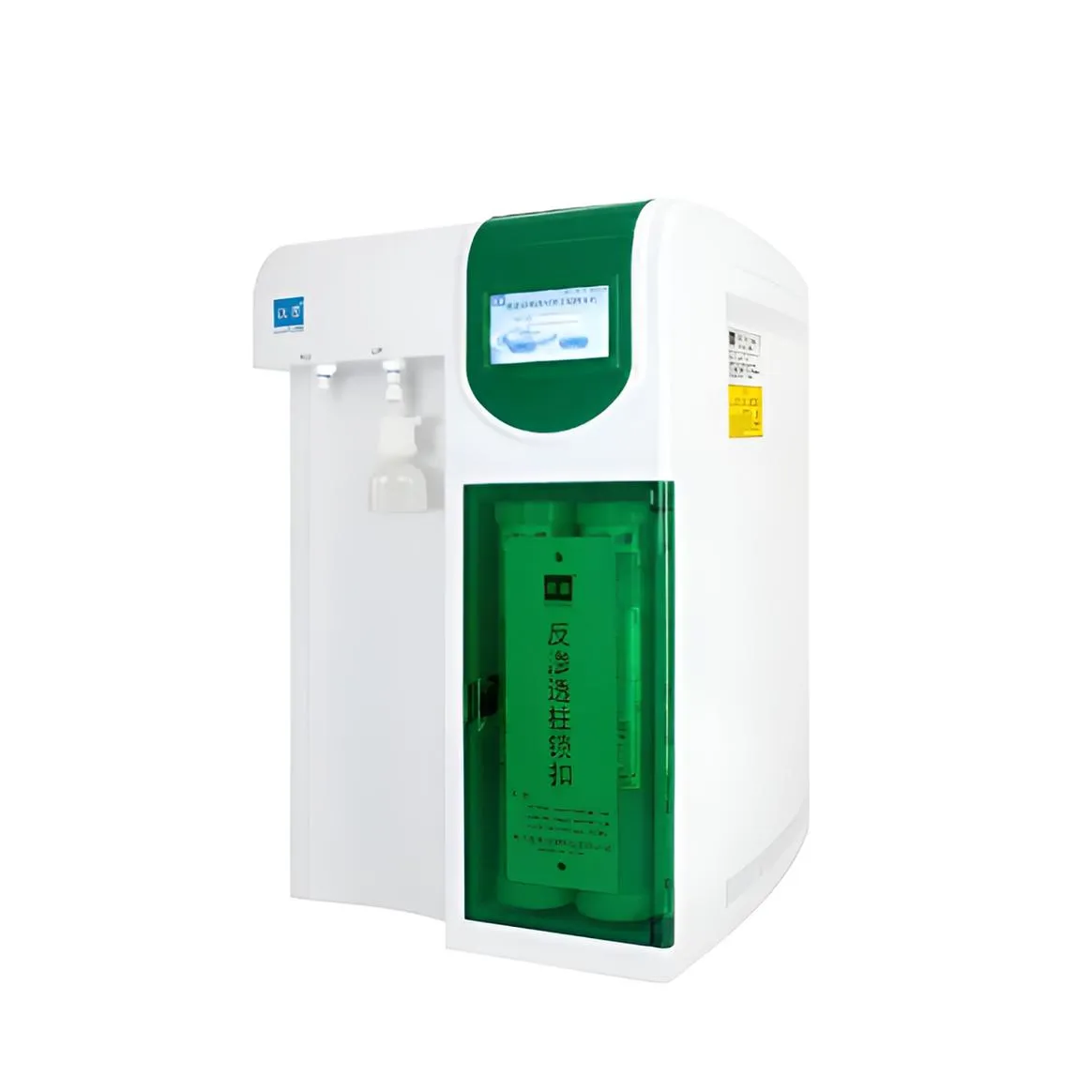
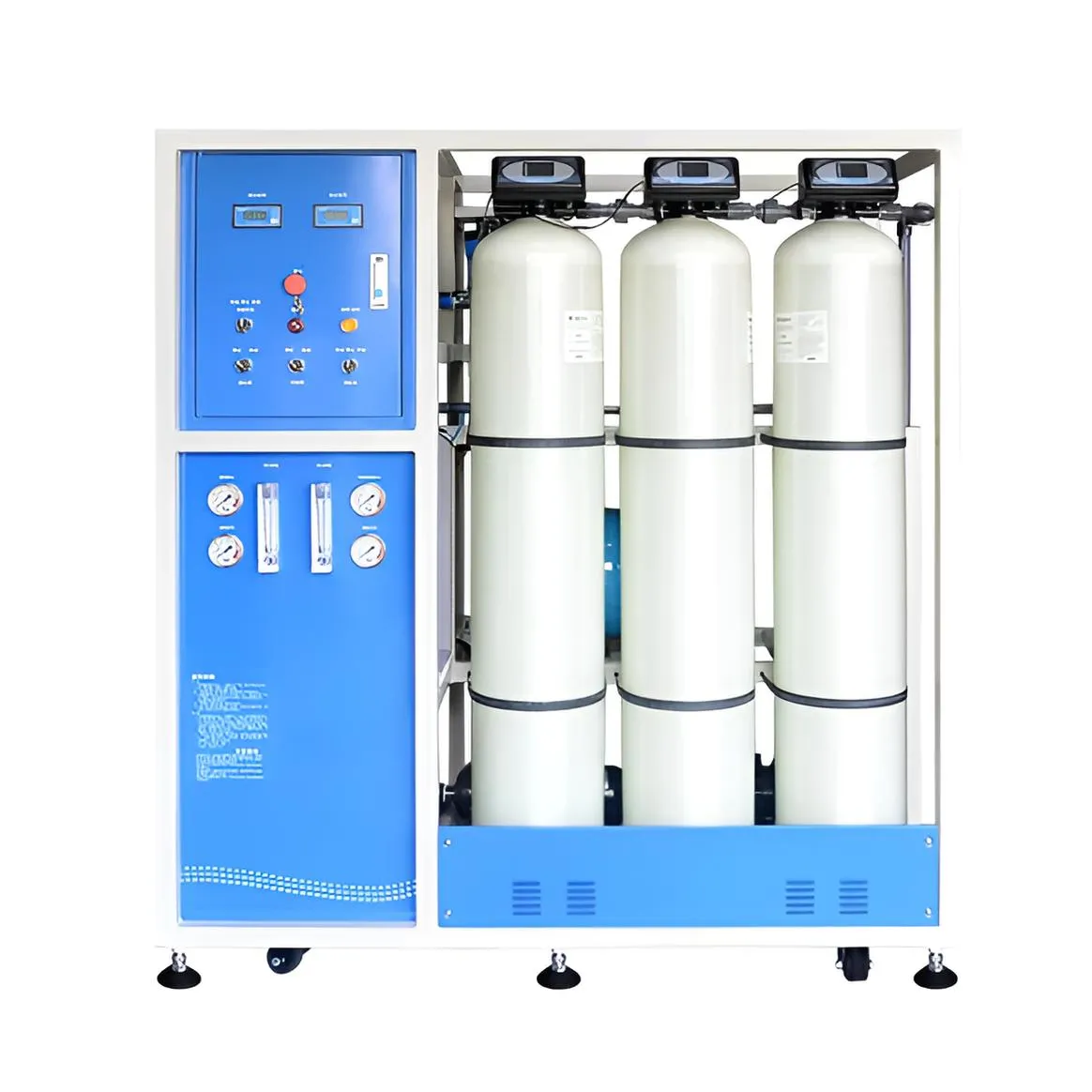
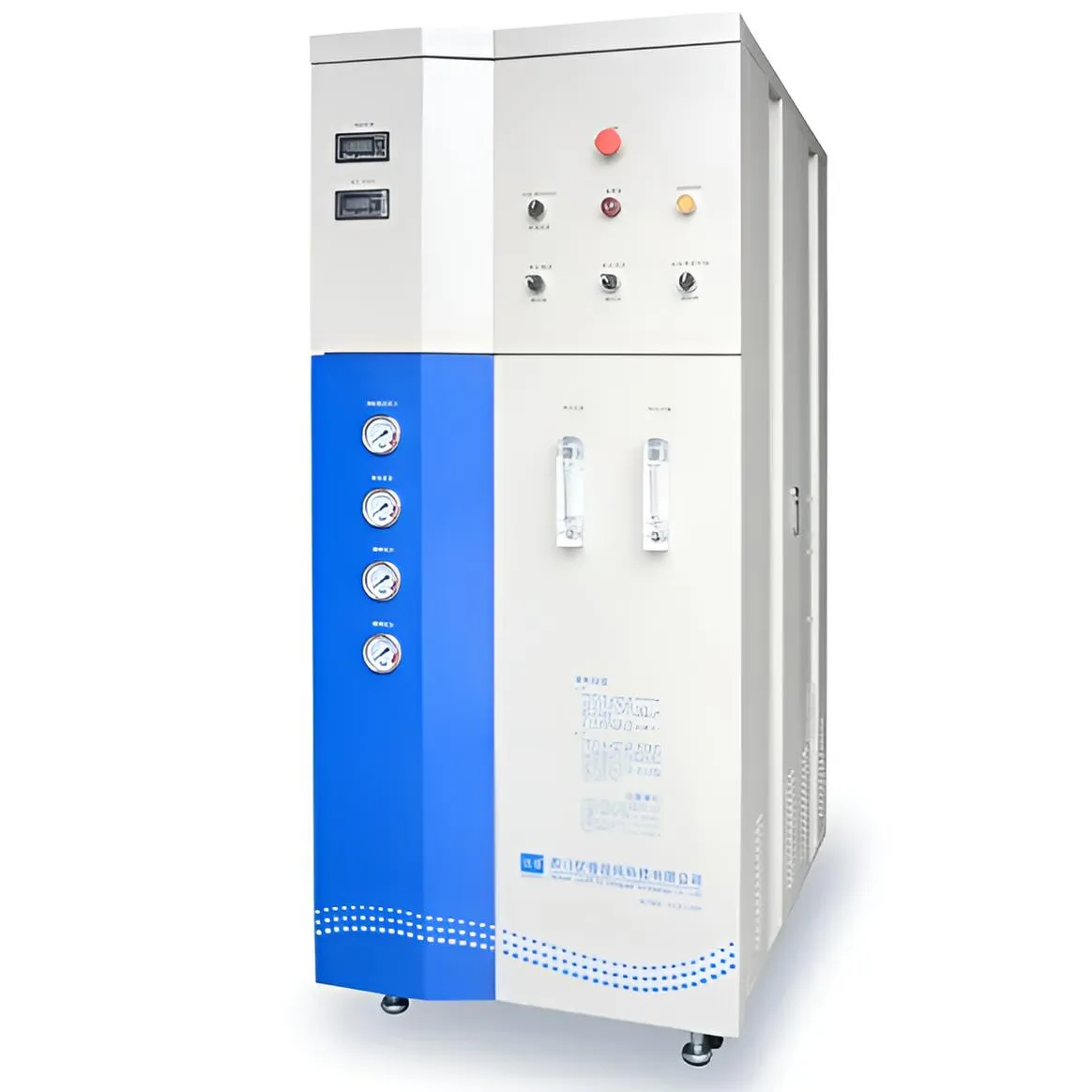
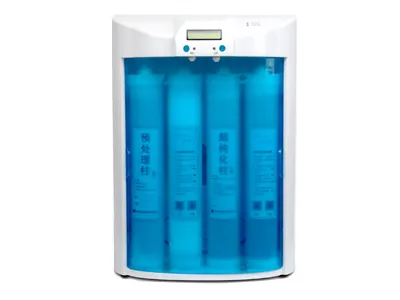
Up adheres to the development and design philosophy of "human-centered design and standardized products," and is committed to creating industry standards and product norms for laboratory pure water and ultrapure water systems. Up recognizes the fundamental differences between laboratory pure water systems and household RO pure water systems. From the development and selection of pretreatment filter cartridges to the customized selection of RO membranes and the development and selection of purification columns, Up is significantly different from many low-priced brands in the industry that rely on the same materials as household RO systems. Up understands the subtle needs of customers during use, and all products use imported PE/PVDF quick-connect tubing systems to quickly connect various purification and filtration components such as pretreatment columns, RO reverse osmosis columns, UP ultrapure water columns, and UF ultrafiltration columns. Modular technology makes the installation and maintenance of laboratory pure water systems more convenient.
PL Wire-Wound Filter Cartridge: Polypropylene fiber wound cartridge with a filtration accuracy of up to 5um, effectively removing particulate impurities such as sediment, rust, and algae from source water.
ULU Composite Filter Cartridge: Contains high-purity copper-zinc alloy filter media/activated carbon fiber and ULU slow-release scale-inhibiting crystals. The alloy filter media continuously removes residual chlorine and heavy metal ions such as iron and manganese from the source water, and also inhibits the growth of bacteria and other microorganisms. The activated carbon efficiently adsorbs most organic matter in the source water and strong oxidizing substances such as residual chlorine present in tap water. Compared to conventional three-channel filter cartridges, the ULU composite filter cartridge significantly improves water treatment efficiency, extending the replacement cycle to 6 months.
Note: In areas using high-hardness source water such as groundwater, a water softener should be selected.
In this field, ULU has applied for ZL protections such as "Pretreatment Testing Device for Ultrapure Water Production" and "Composite Encapsulated Preprocessor for Laboratory Pure Water Systems."
RO (Reverse Osmosis) technology is a membrane separation filtration technology powered by pressure difference, originating from research in American aerospace technology in the 1960s. RO (Reverse Osmosis) membranes have pores as small as nanometers (1 nanometer = 10⁻⁹ meters). Under certain pressure, H₂O molecules can pass through the RO membrane, while impurities such as inorganic salt ions, organic matter, colloids, bacteria, and pyrogens in the water cannot, thus strictly separating the permeable pure water from the non-permeable concentrated water.
RO membranes achieve a removal rate of over 99% for high-valence ions, colloids, bacteria, and organic matter (including pyrogens) with a molecular weight greater than 300 Dalton. For low-valence ions (Na⁺, K⁺), the removal rate reaches 90% to -95%. When the source water conductivity is <250 μS/cm, the conductivity of RO pure water is typically ≤5 μS/cm, meeting the national laboratory Class III water standard. Reverse osmosis is the most economical method to achieve a 90-99% impurity removal rate and is also the best pretreatment method for ultrapure water systems.
In this field, UPU has applied for ZL protection for "RO Pure Water Excessive Discharge Device for Reverse Osmosis Pure Water Machines."
Ion Exchange Purification Column:
Ion exchange resin uses H+ ions to filter out cations in the water and OH- ions to filter out anions in the feed water. The H+ and OH- ions displaced in the resin combine to form H2O. The UPP integrated injection-molded ultrapure water column is filled with Dow Chemical's DOM ultrapure water polishing resin, achieving a product water resistivity of up to 18.2 MΩ·cm.
Pyrogen-removing ultrafiltration membrane:
Ultrafiltration membranes have pore sizes between reverse osmosis and microfiltration (approximately 0.01-0.1 μm), capable of filtering out fine colloids, microorganisms, and pyrogens within their rated molecular weight cutoff range. The molecular weight cutoff of pyrogen-removing ultrafiltration membranes must be at least 5000 Daltons.
Dual-wavelength UV digester:
Simultaneously generates ultraviolet light at wavelengths of 185 nm and 254 nm. 254 nm UV light destroys bacterial cells, leading to their death, while 185 nm UV light generates hydroxyl groups in water, rapidly oxidizing and decomposing residual organic matter into CO2 and H2O.
Terminal microfilter:
A microporous membrane filter with a pore size of 0.22 μm, placed at the final effluent point of the ultrapure water system, used to remove residual resin debris and microorganisms from the ultrapure water.
In this field, UPP has applied for patent protection for "new type of ultrapure water machine," etc.