

Phone:
0086 28 87573647
+86 19150187139
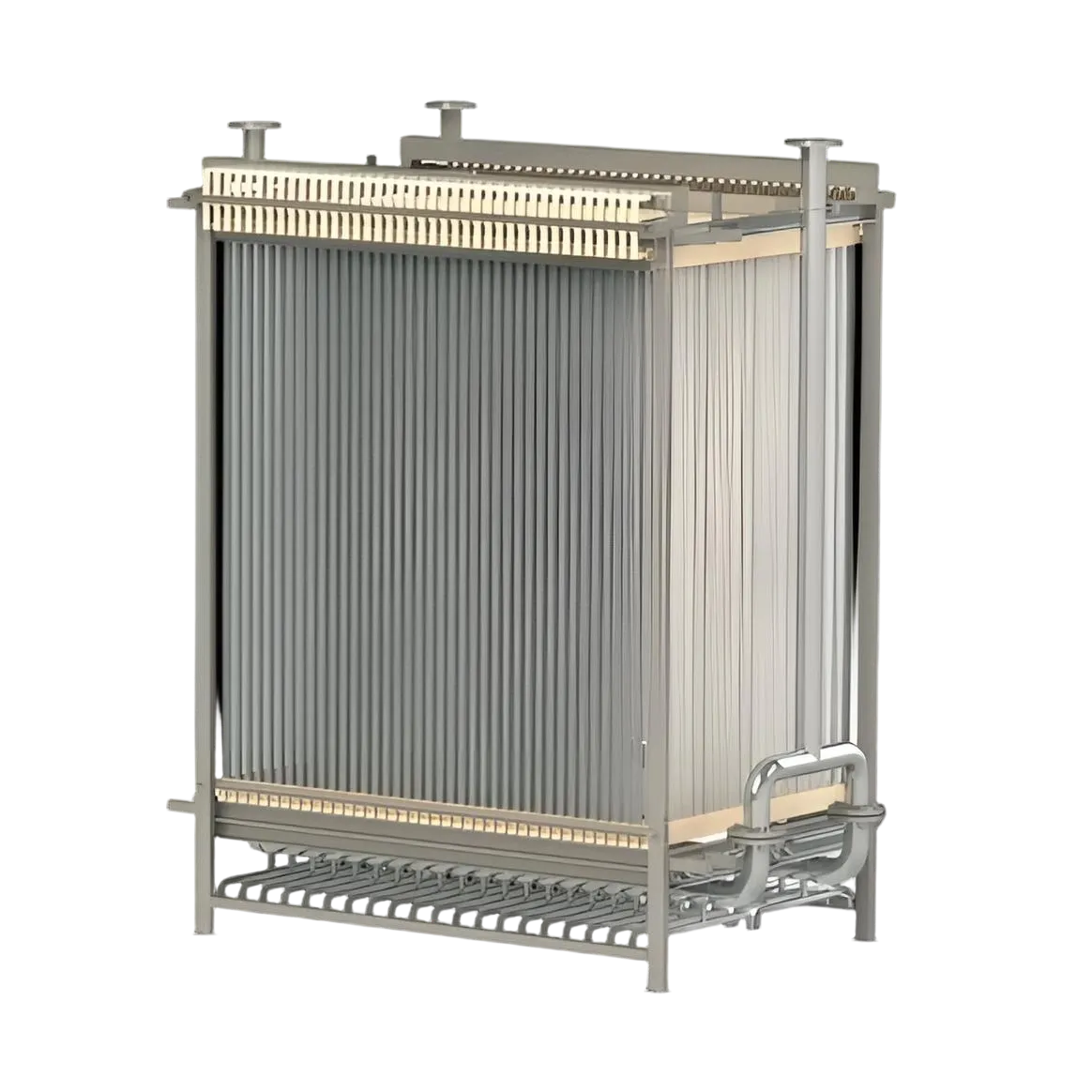
Ultrafiltration membranes are widely used in pure water systems and ultrapure water systems, primarily serving to remove pyrogens. The pore size of ultrafiltration membranes is between that of reverse osmosis and microfiltration (approximately 0.01-0.1 μm), enabling them to filter out fine colloids, microorganisms, and pyrogens within their rated molecular weight cutoff range. The required flow rate for pyrogen removal ultrafiltration membranes is at least 5000 Daltons.
After a considerable period of operation, under the influence of concentration polarization, ultrafiltration membranes gradually form a gel layer and a contaminant deposit layer. This layer is then slowly compacted under pressure differential, significantly increasing fluid resistance and drastically reducing permeate flux. When physical methods cannot restore the flux, chemical cleaning agents are necessary. However, two points should be noted when cleaning the membrane: First, the composition and nature of the contaminants must be clearly understood beforehand. This ensures the adoption of effective cleaning methods. Second, rinsing with clean water should be used whenever possible. Chemical cleaning should only be considered when rinsing with clean water is insufficient. Therefore, ultrafiltration membrane cleaning can be divided into two methods: physical cleaning and chemical cleaning.
The most common and widely used method in this area is hydraulic flushing. It can be further divided into reverse flushing, backwashing, and forward flushing, depending on the direction of the hydraulic flushing.
1. Reverse Flushing: Flushing the membrane interior and inlet face with raw water to remove impurities.
2. Forward Flushing: Flushing the membrane interior and end face with raw water to clean the ultrafiltration membrane according to its operating state.
Based on the type of fouling substances on the membrane surface, appropriate chemicals are selected to dissolve, oxidize, or otherwise chemically react with them to achieve removal. The selection of commonly used chemicals must be based on the properties of the membrane material, such as acids, alkalis, oxidants, bactericides, surfactants, and enzyme-added detergents. The method is the same as the normal ultrafiltration process. The cleaning solution enters through the raw solution inlet, and the concentrate and ultrafiltrate are all returned to the cleaning solution container, circulated, and then discharged. The membrane is then rinsed with clean water.
Commonly used acidic cleaning agents include 0.1N hydrochloric acid solution, 0.1M oxalic acid solution, 1-3% citric acid, citrate amine, EDTA, etc. These cleaning agents are relatively effective in removing metal ions such as calcium ions, magnesium ions, and fluoride ions and their hydroxides, as well as inorganic salt gel layers.
Alkaline cleaning agents are mainly 0.1-0.5% NaOH aqueous solution. It is effective in removing protein and oil contaminants.
Oxidizing cleaning agents such as 1-1.5% hydrogen peroxide, 0.5-1% NaOCl, and 0.05-0.1% sodium azide are significantly effective in removing organic matter contaminants.
Biological enzyme preparations such as 1% pepsin and trypsin are effective in removing protein, polysaccharide, and oil contaminants. It is also effective in removing organic contaminants. When using enzyme cleaning agents, the cleaning effect is better if carried out at 55-60℃. The cleaning time is related to the enzyme concentration.
While chemical cleaning of ultrafiltration membranes is necessary under certain conditions, it must be used with caution. Chemical cleaning agents should not damage the membrane's separation performance; they should not deform contaminants, thus worsening membrane fouling; and they should not damage the colloidal properties of contaminants, causing them to harden and become rigid. In food and pharmaceutical industries, cleaning agent residues must not affect product quality.