




Phone:
0086 28 87573647
+86 19150187139

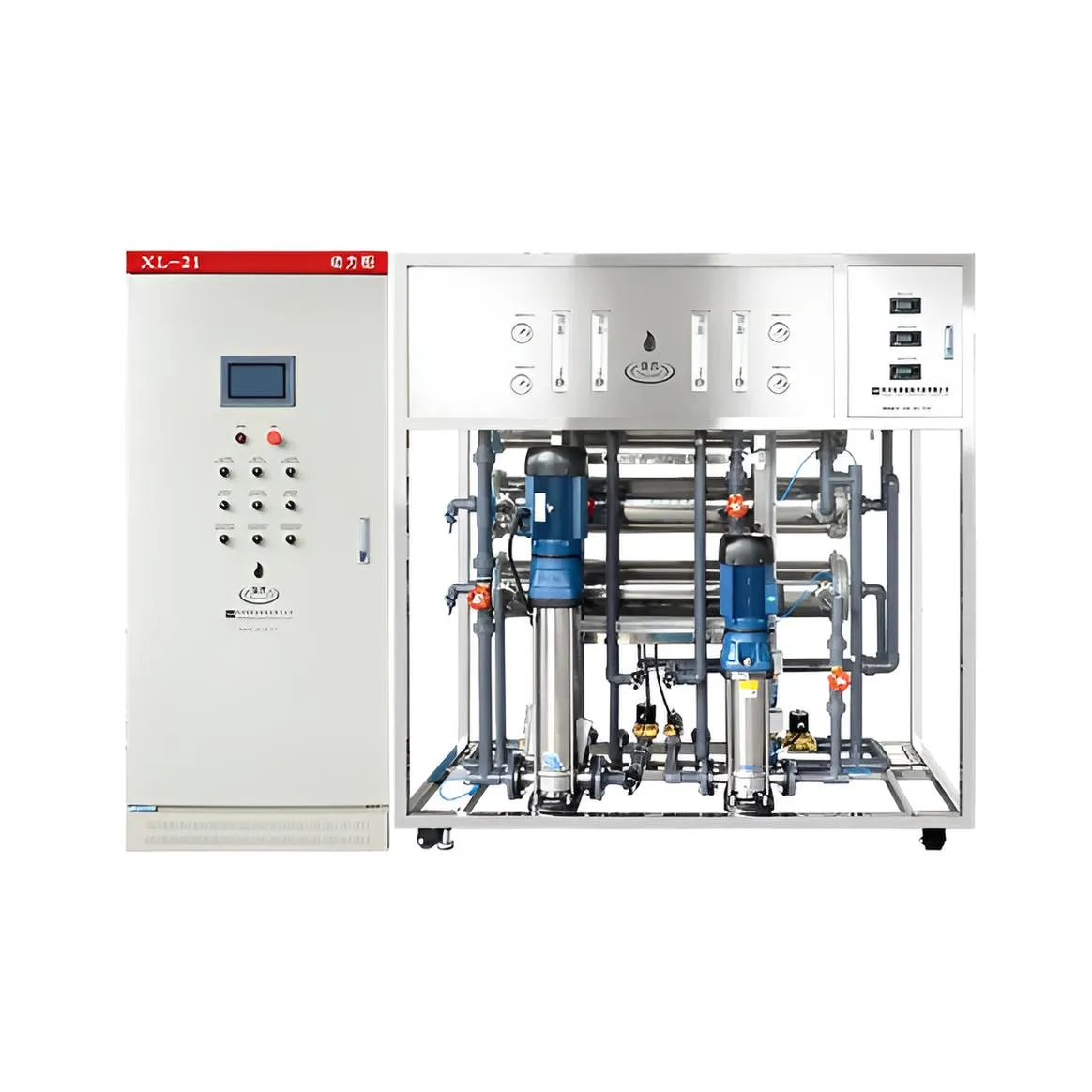
A two-stage reverse osmosis (RO) system, also known as a two-stage reverse osmosis system, involves pressurizing raw water and sending it to a pretreatment system for coarse filtration, followed by fine filtration. The water is then pressurized again by a first-stage high-pressure pump and sent to the first-stage RO system. The water produced in this first-stage system is then pressurized by a second-stage high-pressure pump and sent to the second-stage RO system to produce finished water. This process is called two-stage reverse osmosis.
I. Process Description of Two-Stage RO Reverse Osmosis: The raw water is well water with high suspended solids and hardness. To ensure the feed water meets the requirements for reverse osmosis, a machine filter containing fine quartz sand is installed to remove suspended solids, silt, and other impurities. A scale inhibitor system allows for the addition of scale inhibitors as needed to reduce the tendency for hardness ions to form scale and prevent concentrated water formation. The fine filter contains a 5-micron honeycomb wound filter element to further remove hard particles and prevent scratching the membrane surface. The reverse osmosis unit is the core desalination component of the equipment. Single-stage reverse osmosis can remove 98% of salt ions from the water, and the effluent from two-stage reverse osmosis meets user requirements.
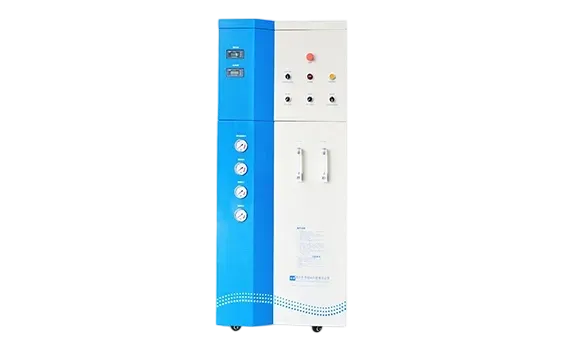
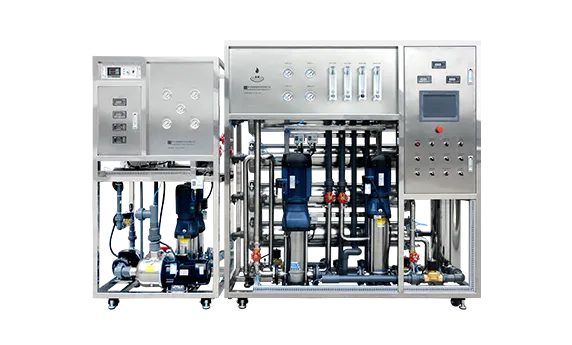
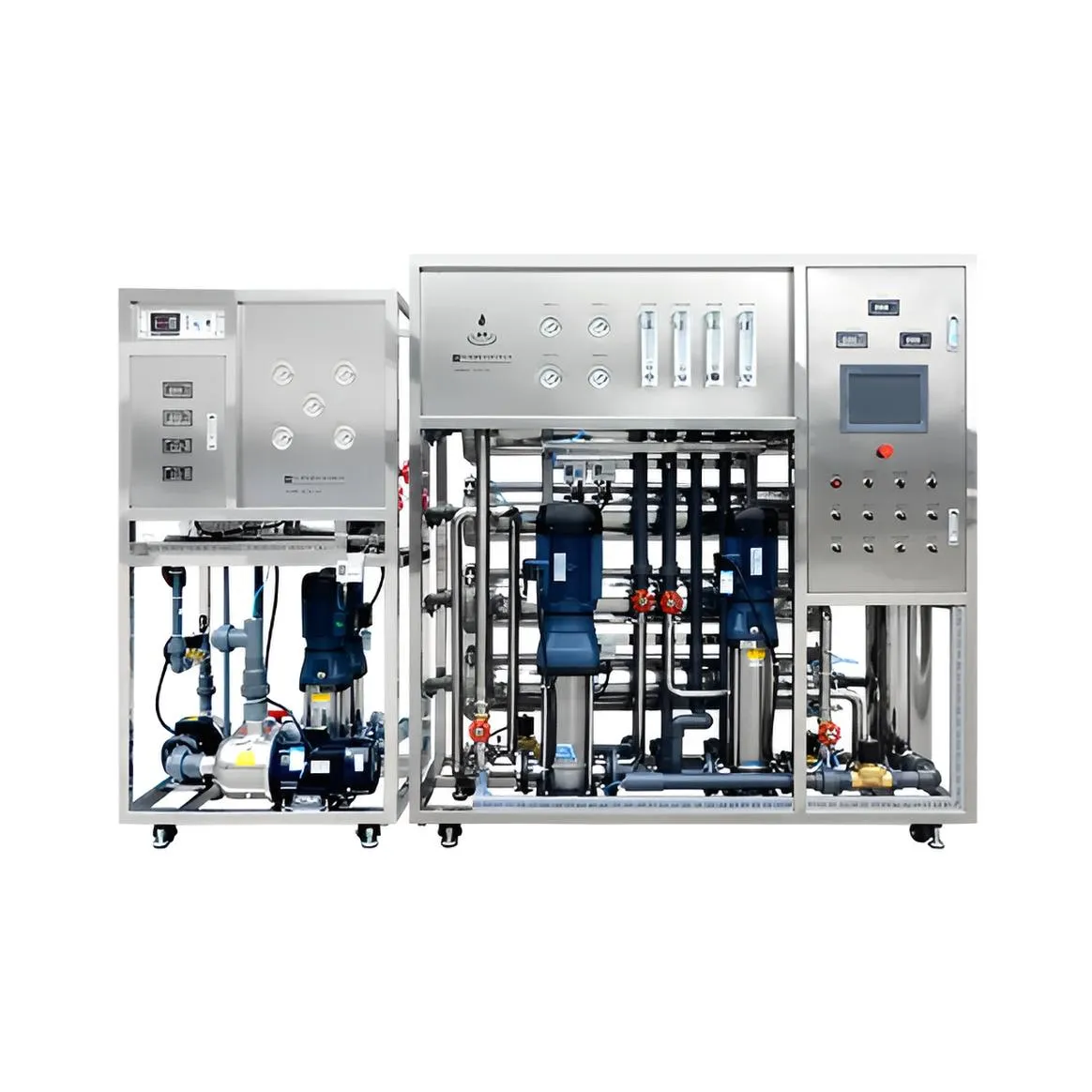
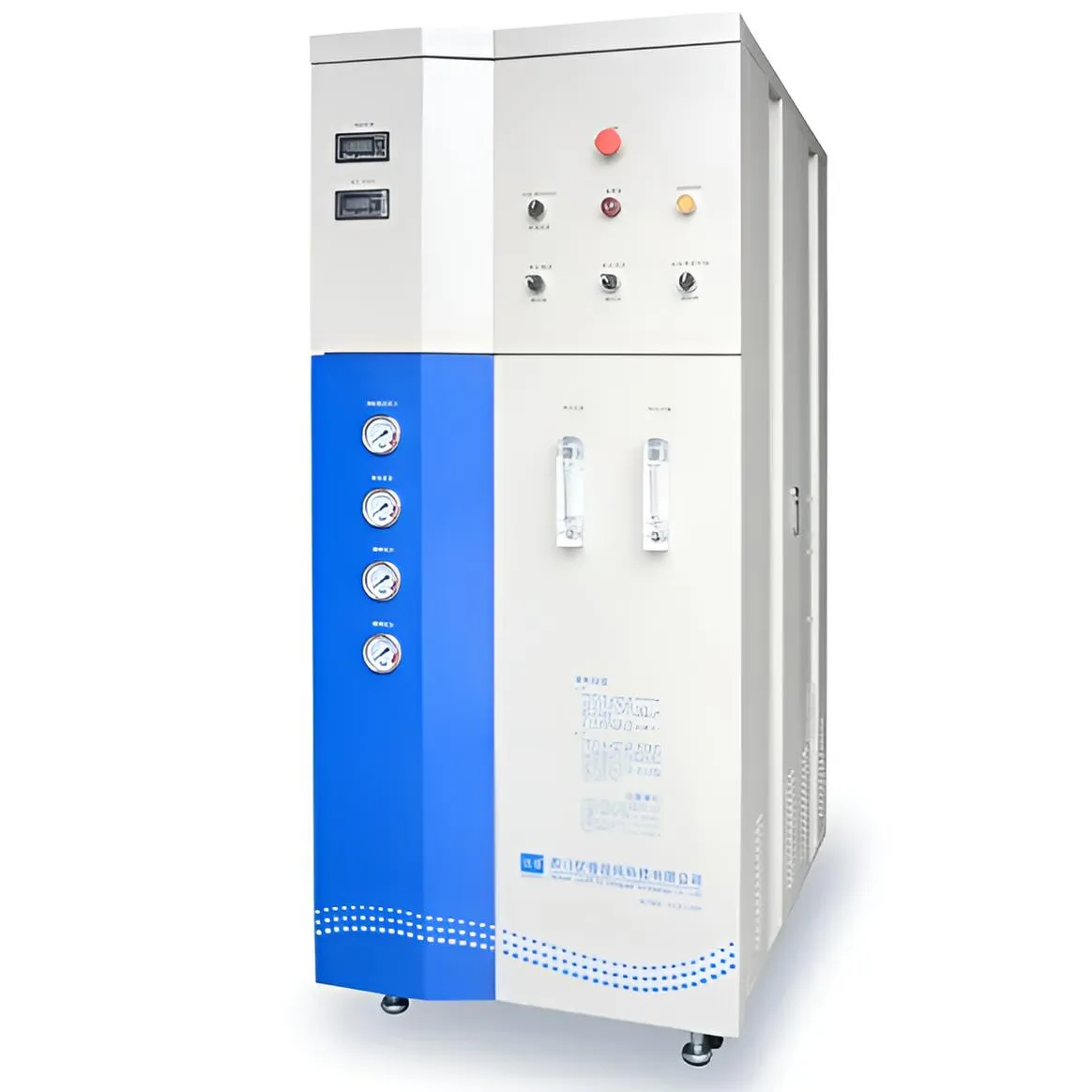
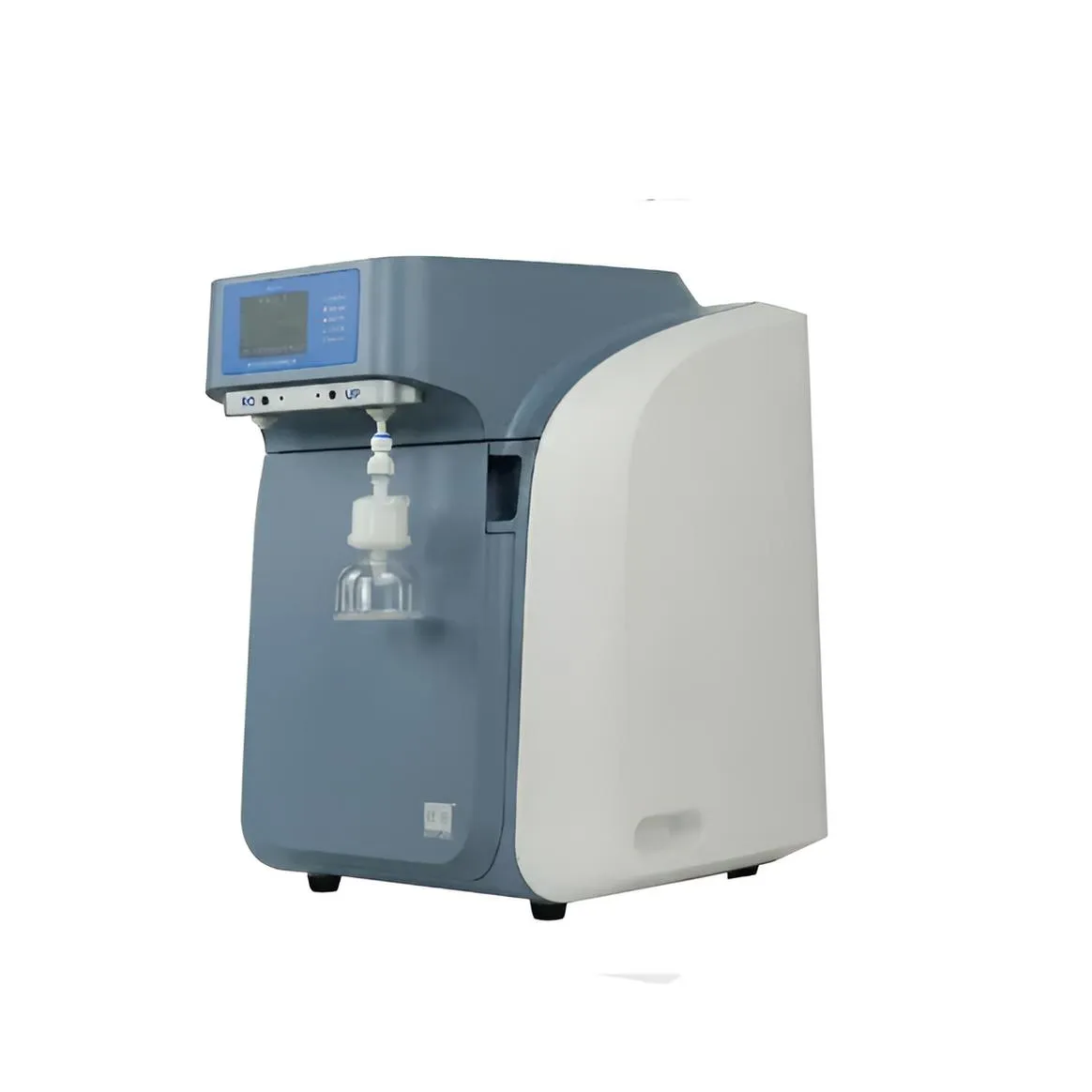
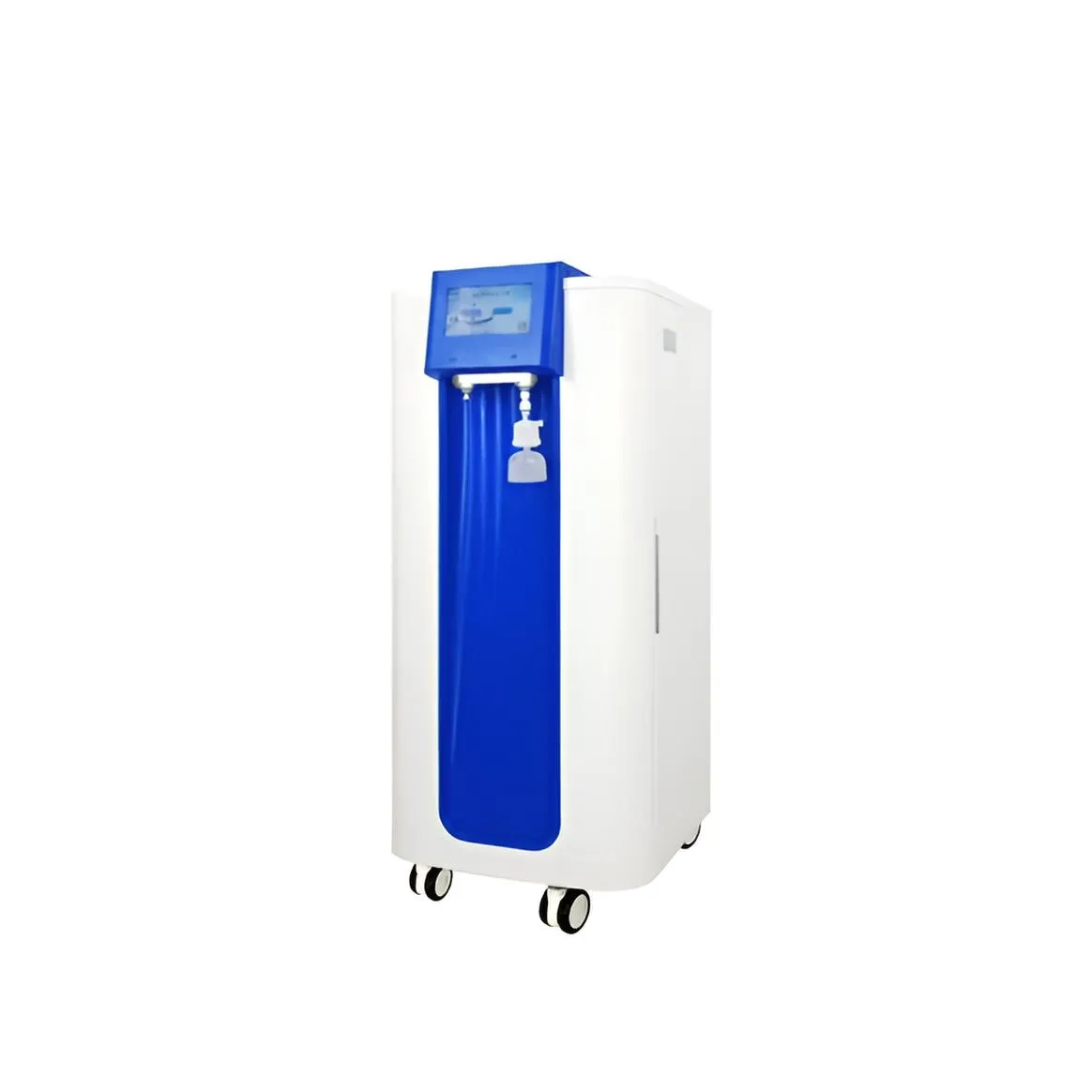
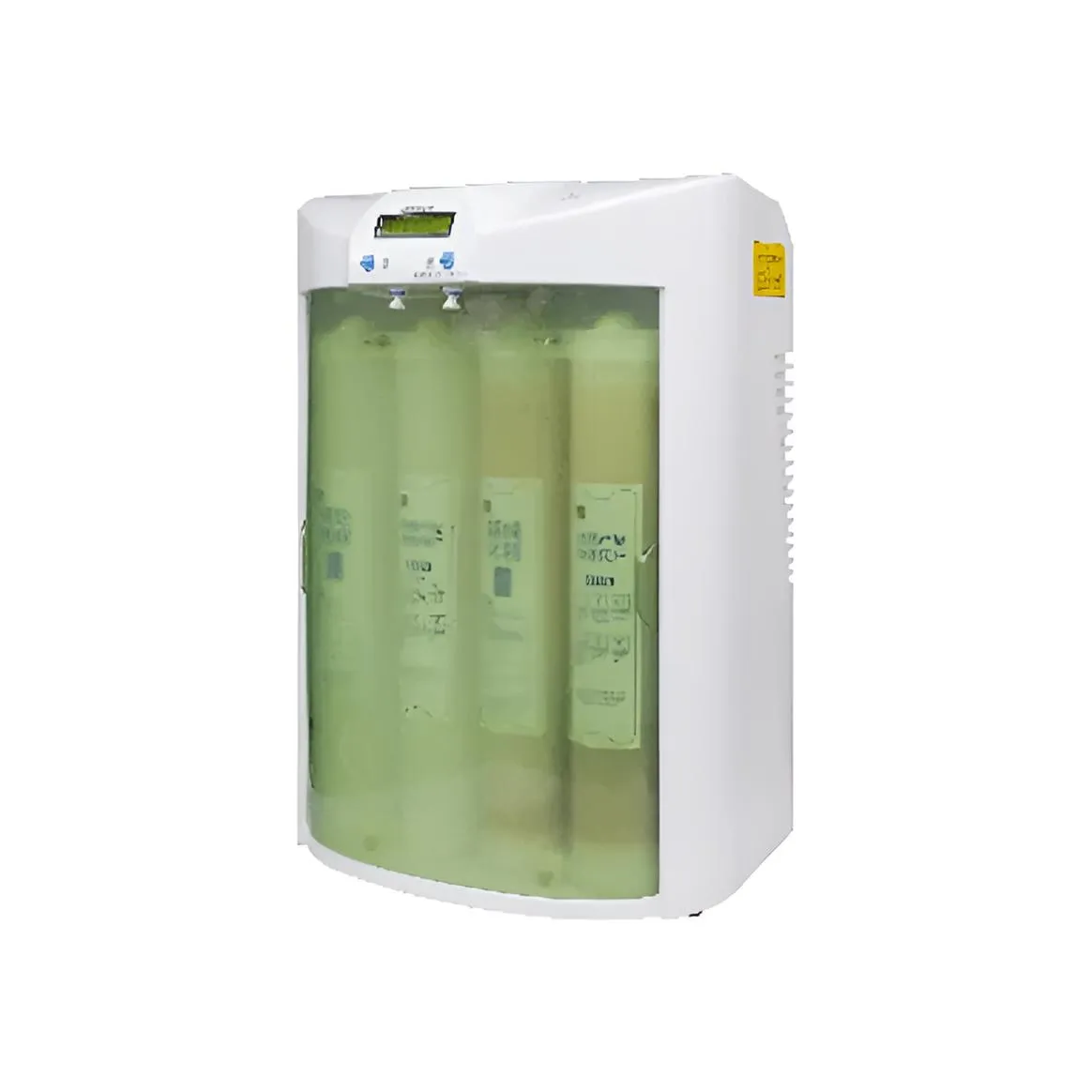
II. Two-Stage Reverse Osmosis Equipment
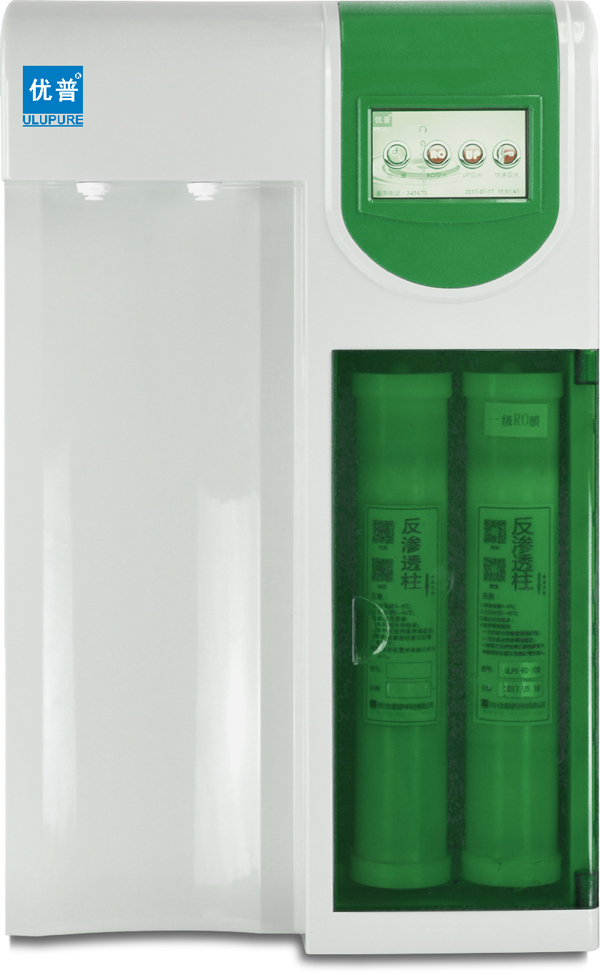
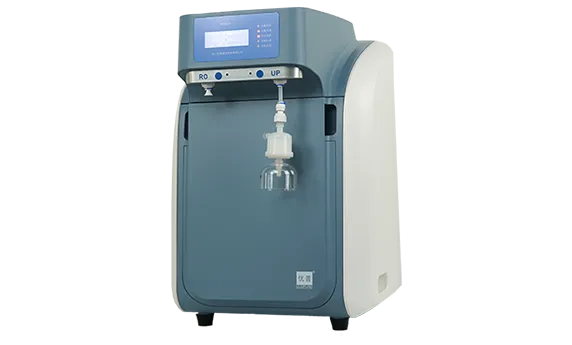
UPR-II Series Ultrapure Water System
III. Cleaning of Reverse Osmosis Membranes
Reverse osmosis membrane elements are prone to scaling due to the long-term accumulation of impurities in the water, leading to a decrease in permeate flow and a reduction in desalination rate. In such cases, chemical cleaning of the membrane elements is necessary.
The reverse osmosis membrane must be cleaned when any of the following conditions are met:
1. The product water flow rate drops to 10-15% of its normal value under normal pressure;
2. To maintain normal product water flow rate, the feed water pressure, after temperature correction, is increased by 10-15%;
3. Product water quality decreases by 10-15%; salt permeability increases by 10-15%;
4. Operating pressure increases by 10-15%;
5. The pressure difference between different sections of the RO system increases significantly.