





Phone:
0086 28 87573647
+86 19150187139

After a period of operation, various components of an ultrapure water system will experience wear and tear. In particular, during use, various contaminants, such as colloids, microorganisms, inorganic scale, and metal oxides, will gradually accumulate on the surface of the reverse osmosis membrane. These substances deposited on the membrane surface can cause a decline in the performance of the reverse osmosis unit, leading to unstable water quality and affecting test results. So how can we solve the problems with the reverse osmosis membrane? Below, engineers from Up will provide a detailed explanation:
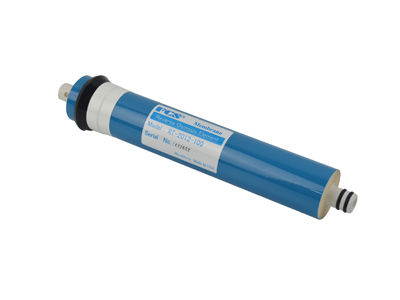
the operation of a reverse osmosis system, close monitoring of changes in the system's desalination rate, concentrate flow rate, permeate flow rate, and pressure differential between the inlet and outlet of the membrane module on the feed water side is crucial. Early detection of problems and prediction of potential fouling based on raw water analysis reports are essential for adjusting pretreatment methods and modifying operating conditions. Chemical cleaning of the membrane elements is required when any of the following conditions occur:
① The standardized salt permeate flow rate increases by 10%–15%;
② The standardized permeate flow rate decreases by 10%–15%;
③ The pressure differential Δp between the feed water and concentrate increases by 15% compared to baseline conditions (baseline conditions are the operating parameters of the reverse osmosis equipment for the first 24–48 hours or the operating parameters after the last cleaning), and the pressure differential between different sections increases by 15%;
④ As routine maintenance, generally after 3–6 months of normal operation;
⑤ Long-term shutdown is required before applying a protective solution.
(1) Membrane Fouling Characteristics
Common contaminants on reverse osmosis membranes include metal oxides, carbonates, sulfates, colloids, microorganisms, and organic matter. Different membrane contaminants exhibit different characteristics, as shown in Tables 4-5.
(2) Membrane Cleaning Agents
Different membrane manufacturers use different cleaning agents for the above contaminants. Refer to the membrane manufacturer's technical manual for specific cleaning methods or dedicated cleaning agents. Generally, acid cleaning removes inorganic precipitates such as metal oxides and carbonates, adjusting the pH to 2-4; alkaline cleaning removes organic matter and microorganisms, generally adjusting the pH to 10-12. Commonly used chemical cleaning agents are as follows:
① Acids: HCl, H2SO4, H3PO4, citric acid, oxalic acid, etc. Citric acid is commonly used, but its disadvantage is that it forms insoluble compounds with Fe2+, requiring ammonia to adjust the pH to 4, so that Fe2+ forms easily soluble ferric ammonium citrate. ② Alkalis, such as PO3-4, CO2-3, and OH-, have a relaxing, emulsifying, and dispersing effect on pollutants. Together with surfactants, they remove oil, grease, dirt, and biological substances; they also have some effect on SiO2-.
③ Chelating agents, the most commonly used being EDTA, which forms easily soluble complexes with Ca2+, Mg2-, Ba2+, Fe2+, etc., making it very effective against alkaline earth metal sulfates. Other chelating agents include phosphocarboxylic acid and gluconic acid.
④ Surfactants can reduce the surface tension of the membrane, acting as wetting, solubilizing, dispersing, and decontaminating agents. The most commonly used are nonionic surfactants, such as Triton X-100, but it should be noted that composite membranes are currently immiscible with Triton X-100.
⑤ Enzymes, mainly proteases, are beneficial for the decomposition of organic matter.
The above are cleaning precautions for reverse osmosis membranes compiled by engineers from Sichuan Youpu Ultrapure Technology Co., Ltd., hoping to provide assistance. Our professional sales and after-sales engineers are here to answer your questions in detail and fully understand your needs. Feel free to call our nationwide customer service hotline anytime: 400-884-6567!





