








Phone:
0086 28 87573647
+86 19150187139

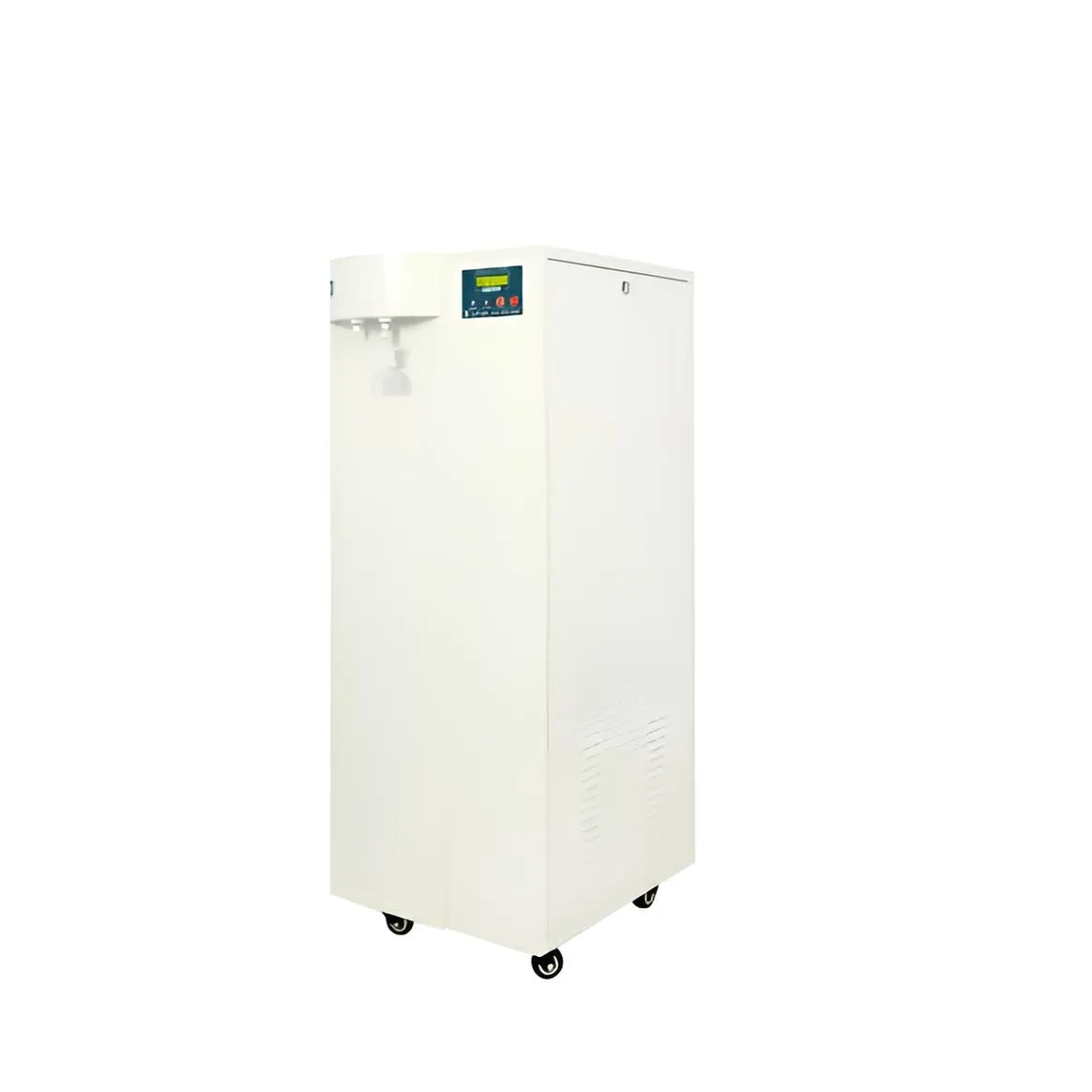
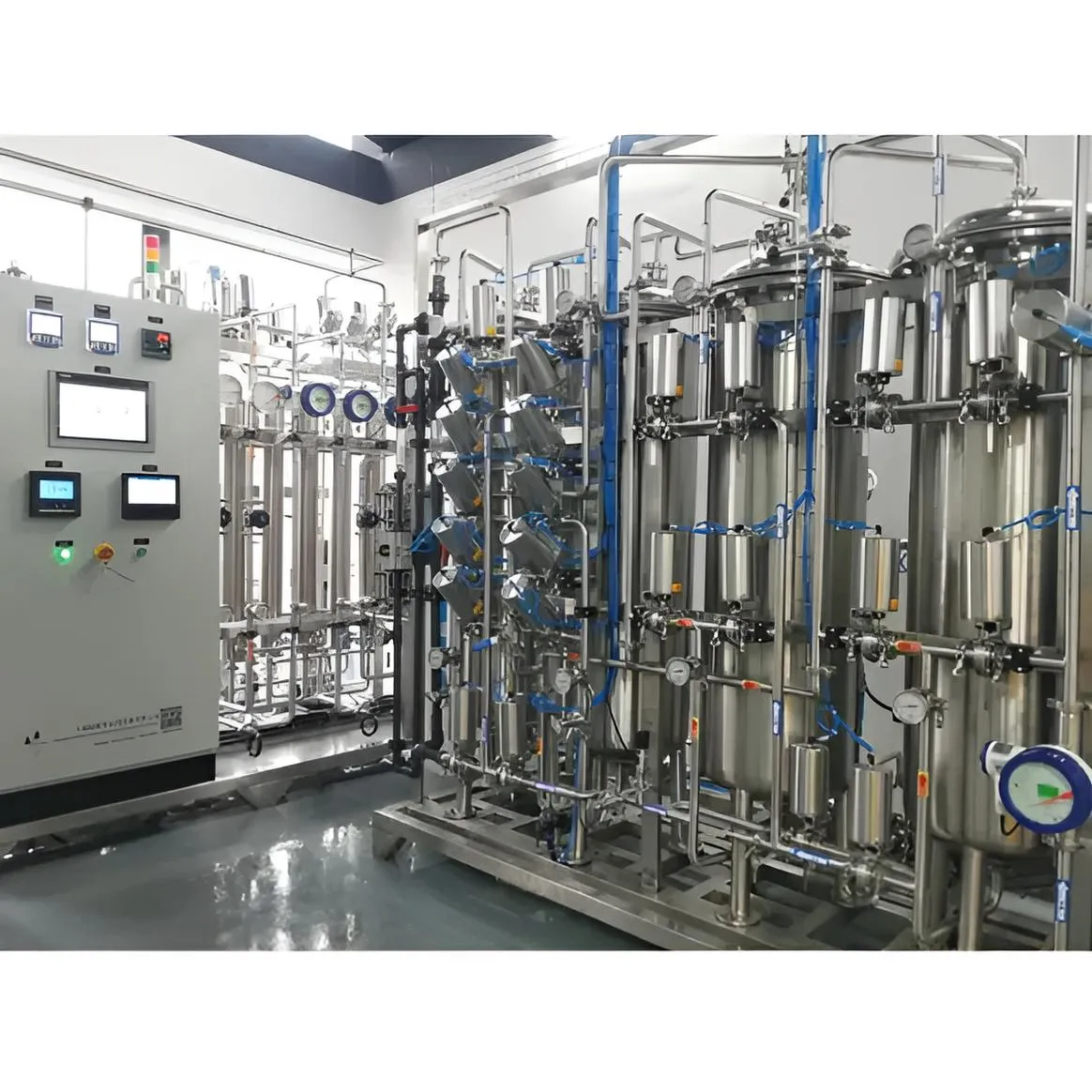
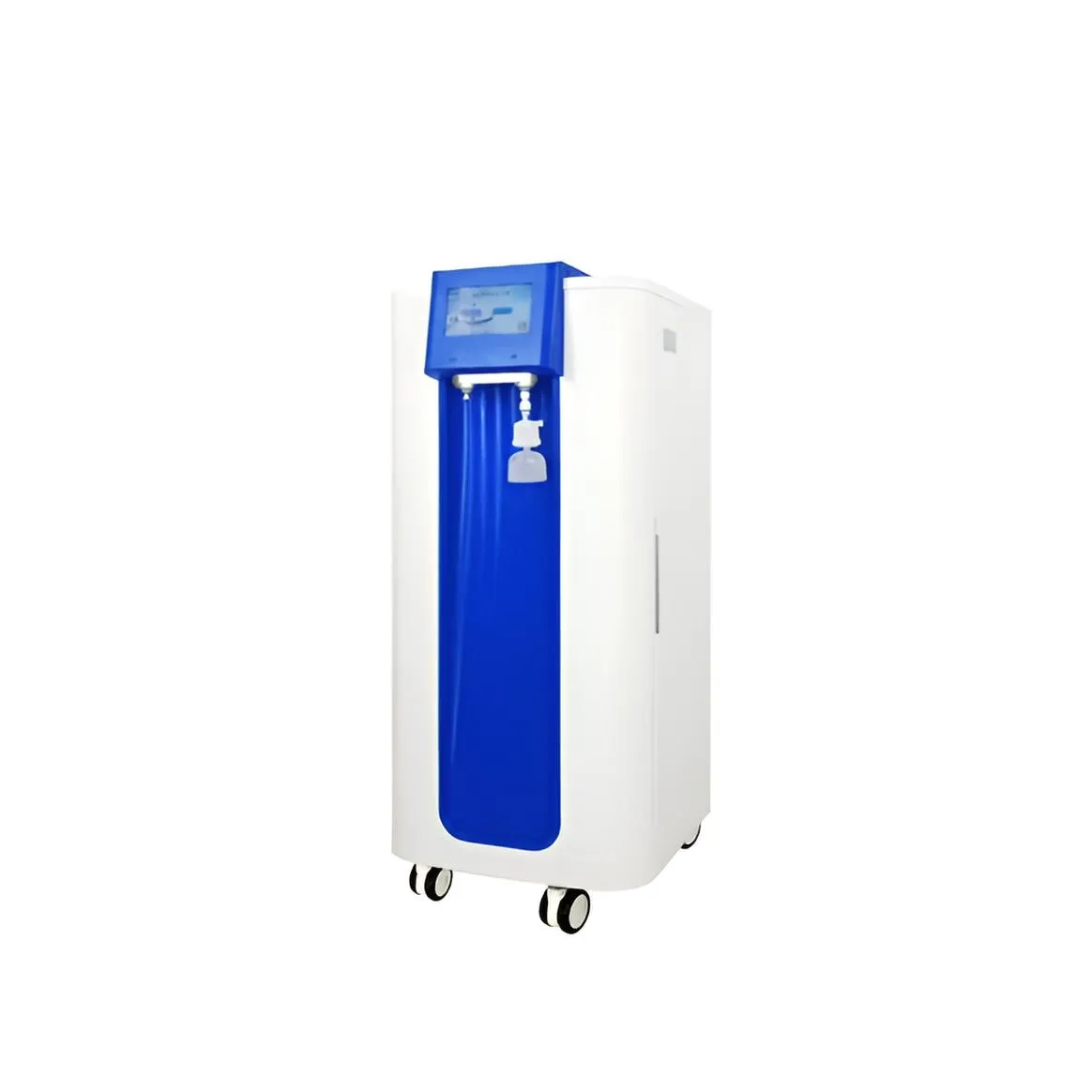
Ultrapure water systems thoroughly remove common impurities from natural water, including microorganisms, particulate matter, soluble gases, soluble inorganic matter, and organic matter. Currently, there are many water purification processes, but commonly used ones include reverse osmosis, filtration, adsorption, distillation, ion exchange, and ultraviolet oxidation.
When using an ultrapure water system, the following points should be noted:
1. Precision Filter Cartridges: Precision filter cartridges, also known as filtration cartridges, are divided into wound filter cartridges and PP melt-blown filter cartridges. They mainly filter large particles such as sediment in the raw water, with filtration precisions of 5 microns, 1 micron, etc. New filter cartridges are white. Over time, sediment will accumulate on the surface, turning it brown, indicating that the filter cartridge is unusable. After rinsing off the surface sediment with tap water, it can be used for another 1-2 weeks, but not for long-term use. The filter cartridge is placed in a filter bottle. Some filter bottles are transparent, allowing for direct observation of the color change of the filter cartridge; others are opaque and need to be unscrewed to observe the changes. Based on empirical data, the lifespan of a precision filter cartridge is generally 3-6 months. If the raw water contains a lot of sediment, its lifespan will be shorter; if there is less sediment or particulate matter, its lifespan will be slightly longer.
2. Activated Carbon Filter Cartridge: Activated carbon filters primarily remove odors and organic matter from water through adsorption. Tap water contains residual chlorine, which has a significant oxidizing effect on the reverse osmosis membrane, so it must be removed by activated carbon. There are no visible changes on the surface of the activated carbon filter cartridge. Based on experience, it generally reaches saturation adsorption in about one year and needs to be replaced.
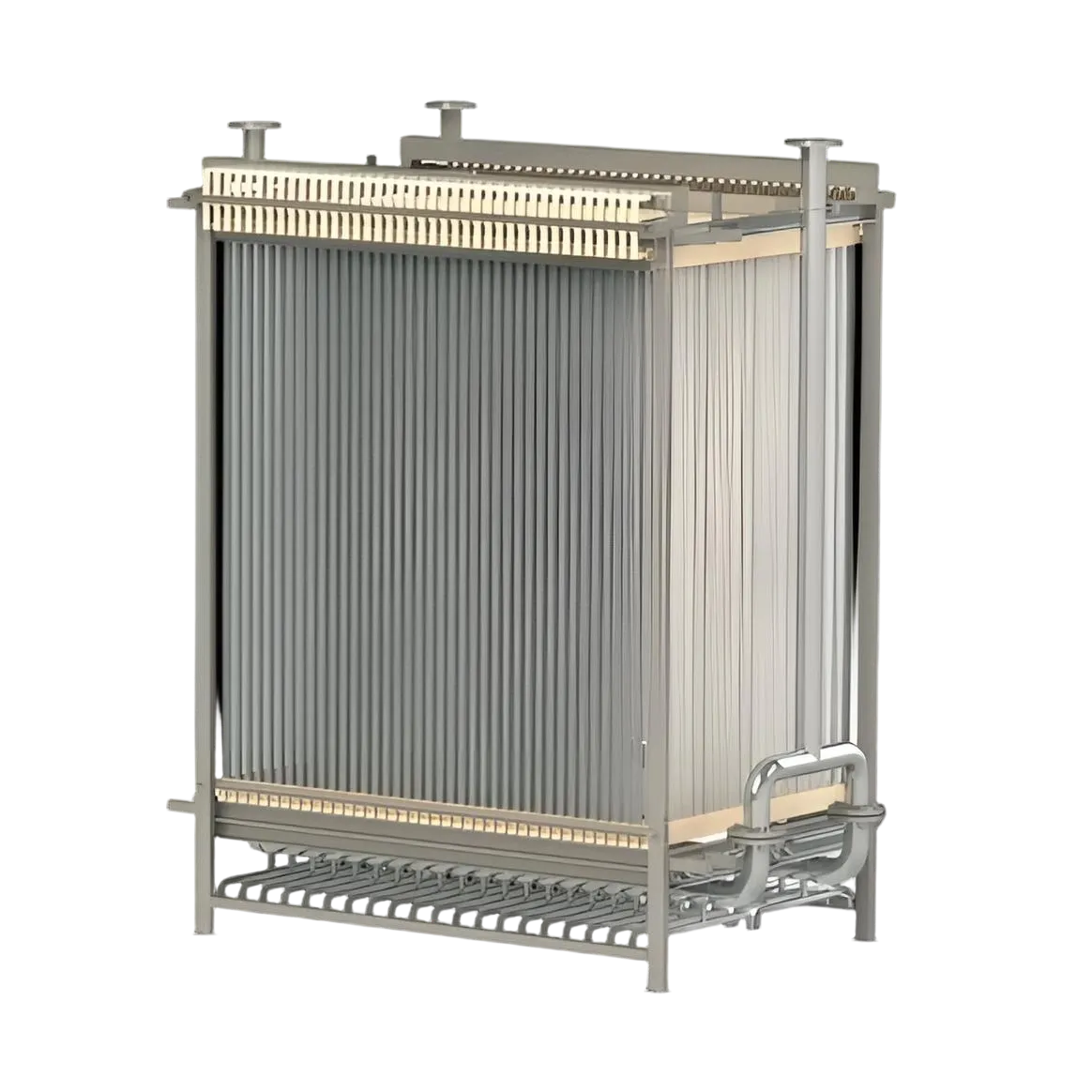
3. Reverse Osmosis Membrane: The reverse osmosis membrane is a crucial component of an ultrapure water system. Its pore size is extremely small, so bacteria and other microscopic substances often accumulate on its surface during use. Most ultrapure water systems from various manufacturers have a backwashing function to remove contaminants. For water consumption of less than 10 liters per day, it can be backwashed 3-5 times; for consumption exceeding 10 liters, it should be backwashed more frequently. If the machine is not used for an extended period (e.g., more than one month), it needs to be removed and soaked in disinfectant to prevent bacterial growth. However, this process is rather troublesome. It is recommended that even when not using water, the machine be turned on frequently with small amounts of water to ensure internal water circulation and minimize the time stagnant water accumulates. The lifespan of a reverse osmosis membrane is 2-3 years, primarily determined by the customer's water consumption. Therefore, users must select the appropriate specifications when purchasing.
4. Purification columns, sometimes called ultrapure columns depending on the customer's water quality requirements, are used for deep desalination of reverse osmosis pure water, ultimately achieving Grade I or ultrapure water levels. The principle is ion exchange. The lifespan of a purification column is indicated by its resistivity online. A resistance below a certain threshold indicates the column has expired, which is quite intuitive. Besides the customer's water consumption, the lifespan is particularly dependent on the amount of ion exchange resin used in the manufacturing process and the quality of the ion exchange resin itself.
5. Ultrapure water systems that use tap water as their source typically have two outlets: tertiary water and primary water. The water from reverse osmosis is tertiary water, stored in a tank, while primary water is used immediately and not stored. Tertiary water does not pass through a purification column, while primary water does. Primary water is more expensive than tertiary water. Therefore, customers should use different water types according to their needs, using tertiary water whenever possible to avoid increasing operating costs.
When purchasing a laboratory ultrapure water system, avoid blindly buying one. Blindly purchasing could result in an unsuitable machine, or even worse. Here are some tips based on my experience purchasing laboratory ultrapure water systems:
1. Understand the water quality
This refers to the water's resistivity or conductivity. The two are related by a derivative: is it greater than 0.2 MΩ·cm@25℃, greater than 10 MΩ·cm@25℃, or greater than 18 MΩ·cm@25℃? You can also refer to national laboratory water standards. If these are uncertain, the appropriate level can be determined based on the equipment used in your experiments. For example, general physicochemical experiments, blood and serum analysis, routine laboratory tests, and cleaning of laboratory glassware can use ultrapure water with a temperature greater than 0.2 MΩ·cm at 25℃. For university student experiments, qualitative and quantitative analysis, environmental monitoring, food and drug testing, water with a temperature greater than 10 MΩ·cm at 25℃ can be used. For high-end instruments such as HPLC, PCR, TOC analysis, amino acid analysis, atomic absorption spectrometry, and preparation of high-purity solutions, ultrapure water with a temperature greater than 18 MΩ·cm at 25℃ is required.
2. Water Consumption Requirements
First, you need to understand how much water you typically use per day, and whether it's continuous or intermittent water use. High-end ultrapure water systems typically produce a certain number of liters per hour and include a water tank with a storage capacity of approximately 20L-100L. The water flow rate is generally around 1.5L/min-1.8L/min. Choose the ultrapure water system's production capacity based on your total daily water consumption.
3. Raw Water Conditions in the Laboratory
To ensure the long-term stable operation of the ultrapure water system, different pretreatment methods are required for different raw water sources, such as coarse filtration, softening, and secondary desalination. The lifespan of the pretreatment depends mainly on the raw water conditions and water consumption. Timely replacement of the pretreatment can effectively protect the reverse osmosis membrane and extend its lifespan.
4. Understanding Key Components of the Ultrapure Water System
The key components of the ultrapure water system are the microcomputer control system, the reverse osmosis membrane assembly, and the ultrapure purification column assembly. Imported reverse osmosis membranes and imported ultrapure purification column assemblies are of paramount importance.
4.1 Reverse Osmosis Membrane
Reverse osmosis applies pressure greater than the osmotic pressure difference to a high-concentration solution, forcing water molecules to pass through a semi-permeable membrane to the low-concentration side. Reverse osmosis can filter out 90%-99% of most contaminants, including inorganic ions. The quality of the reverse osmosis membrane directly determines its lifespan and the quality of the effluent. The quality of the effluent directly affects the lifespan of the ultrapure water column. Therefore, it is essential to choose a reputable brand of reverse osmosis membrane, such as Yongjieda or Youpu reverse osmosis membranes, which are quite good.
4.2 Ultrapure Water Column
The ultrapure water column works on the principle of ion exchange. Positive ions in the water exchange with H+ ions in the ion exchange resin, while negative ions exchange with OH- ions in the resin, thus purifying the water. Theoretically, ion exchange can remove almost all ionic substances. At 25℃, the resistivity of the effluent can reach 18.25 MΩ·cm. The quality of the effluent from the ultrapure water column depends primarily on the quality of the ion exchange resin it contains. The lifespan of the ultrapure water column is determined by the quality and quantity of the ion exchange resin. The amount of ion exchange resin directly proportional to its lifespan, so it is crucial to choose a high-quality ion exchange resin, such as the Yongjieda brand.
Choosing an ultrapure water system suitable for your needs can save on initial purchase costs while meeting your requirements, and also reduce subsequent operating costs.





