







Phone:
0086 28 87573647
+86 19150187139

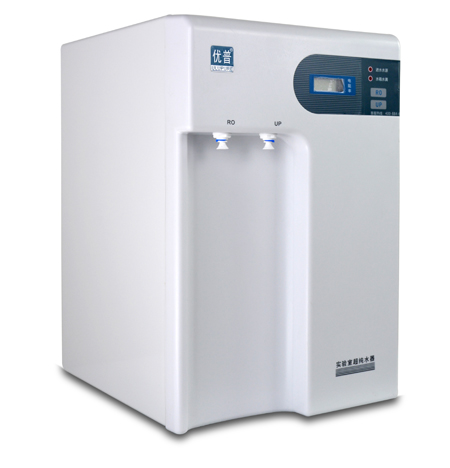
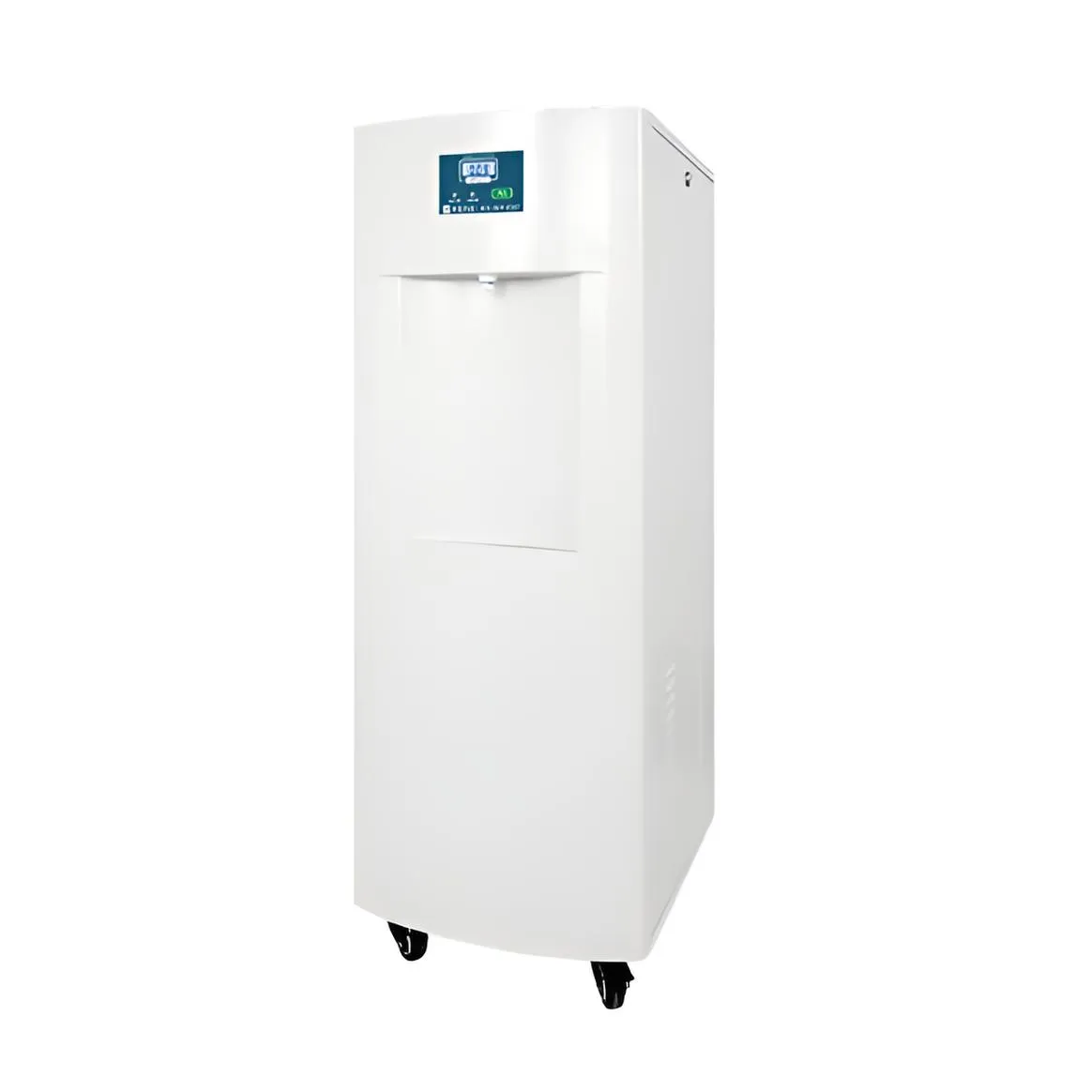
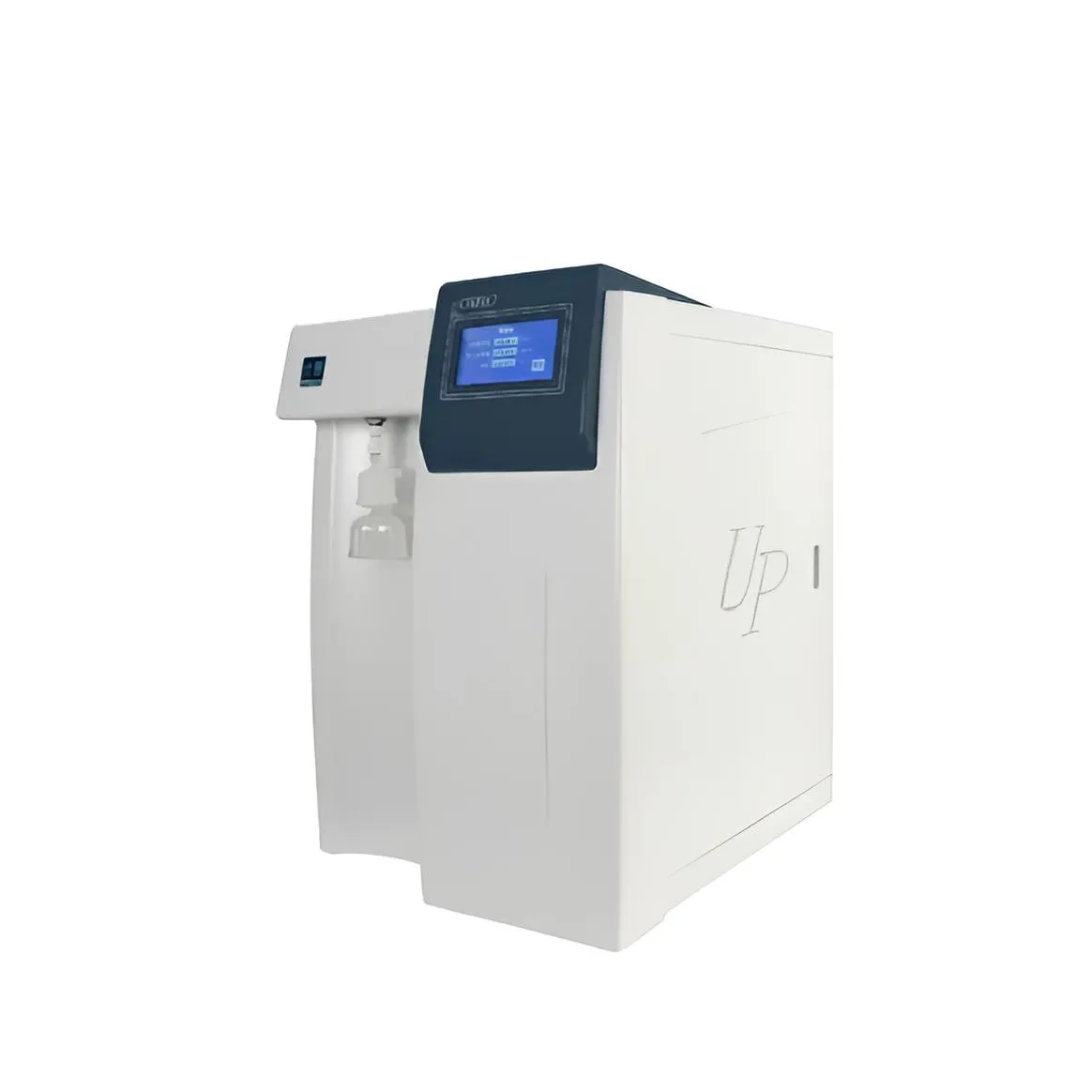
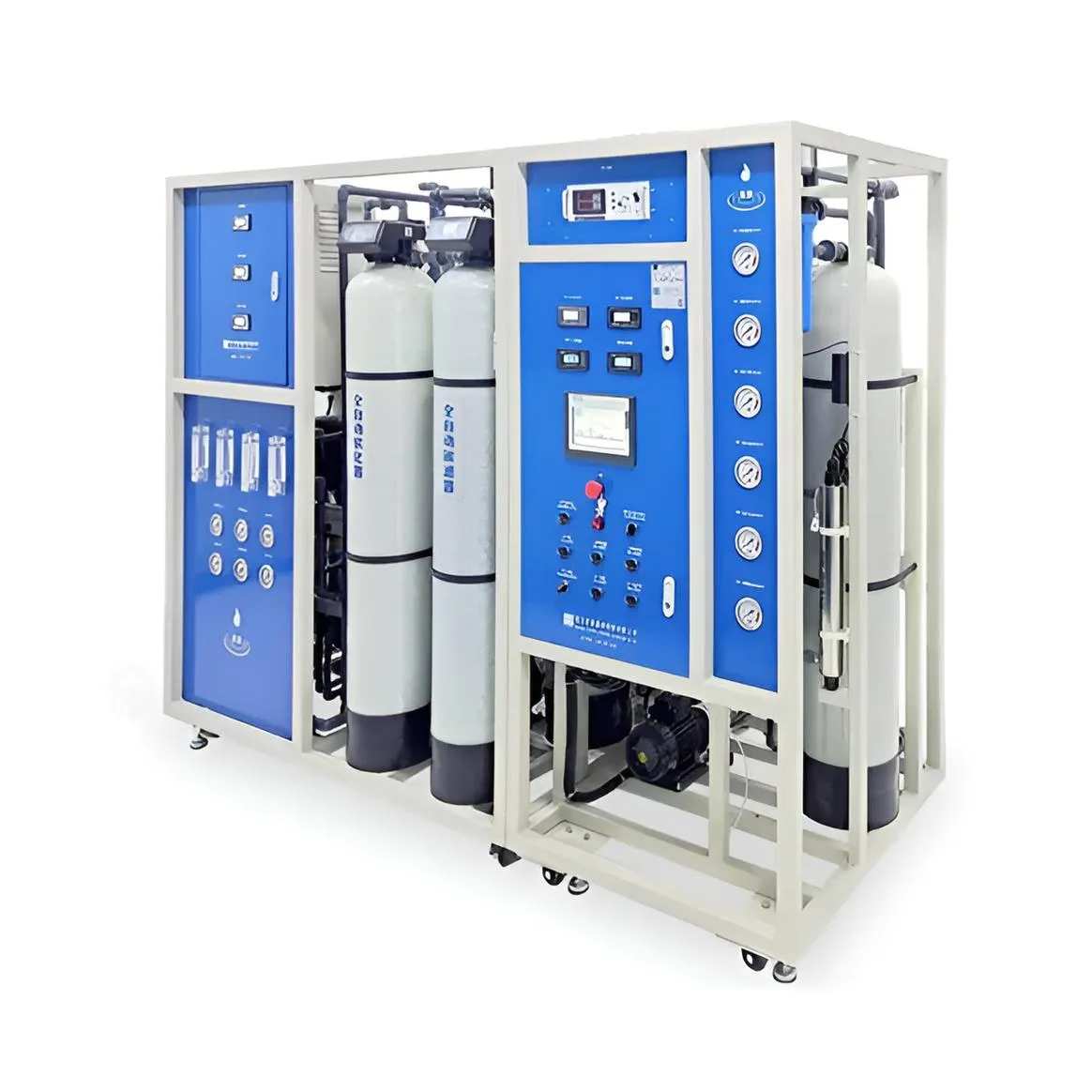
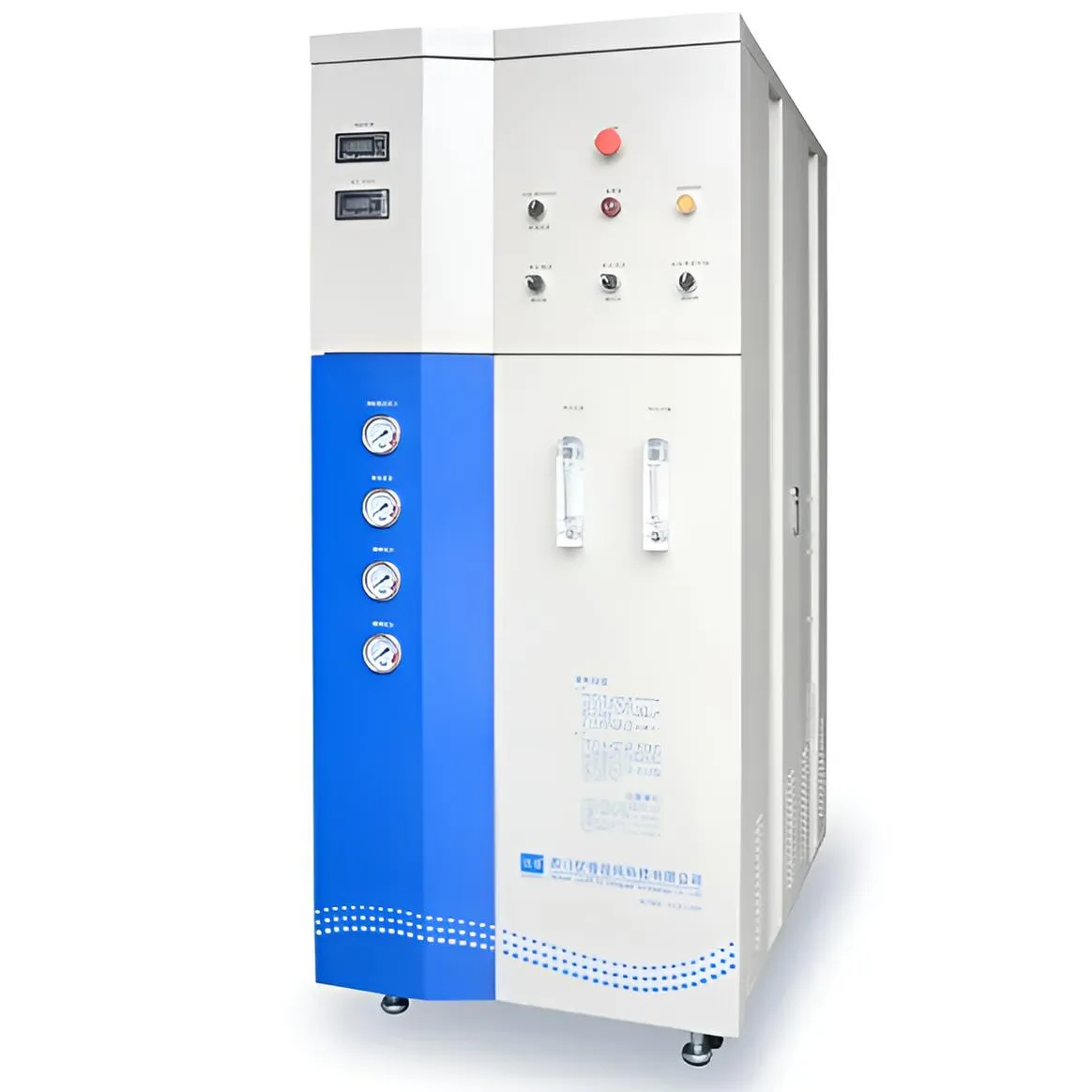
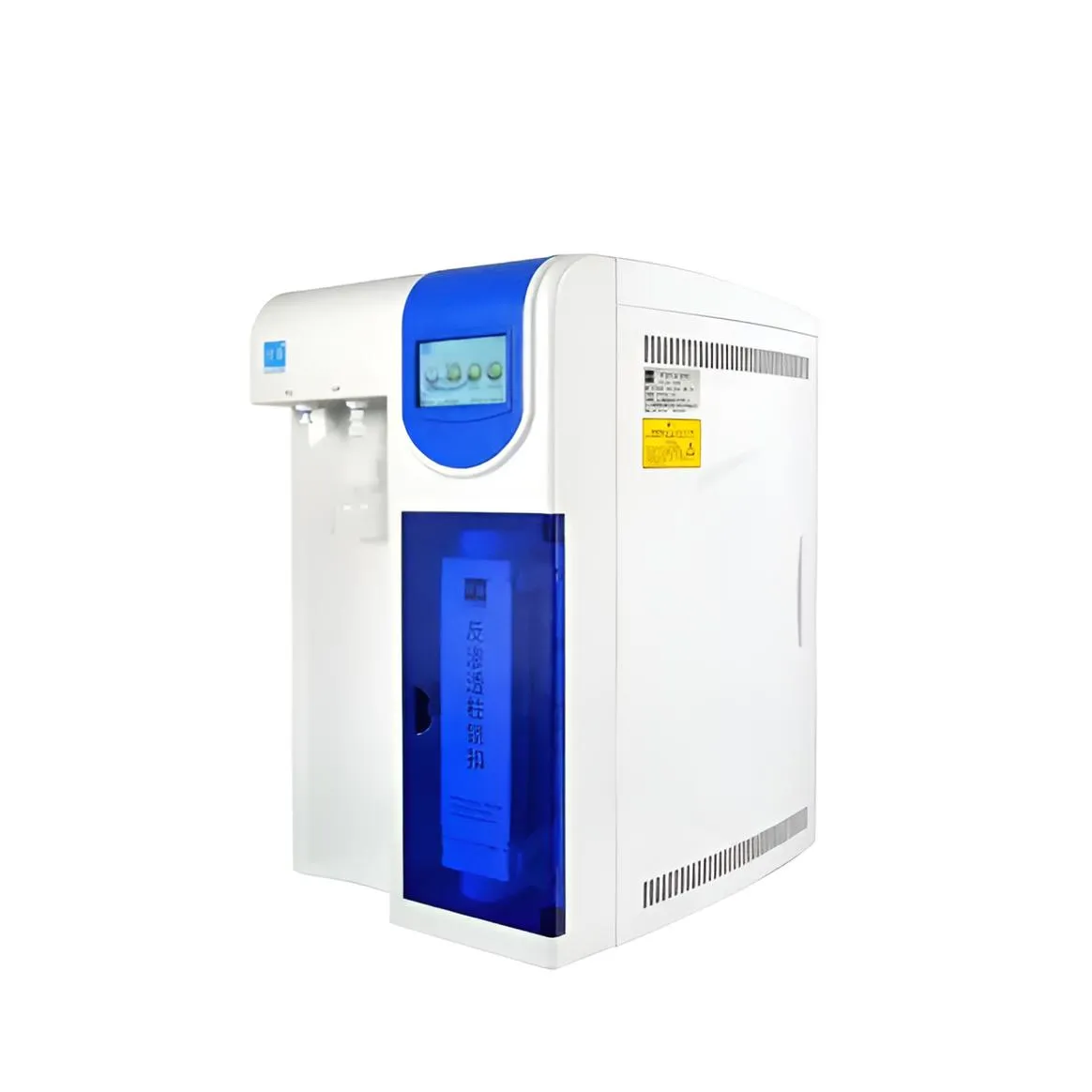
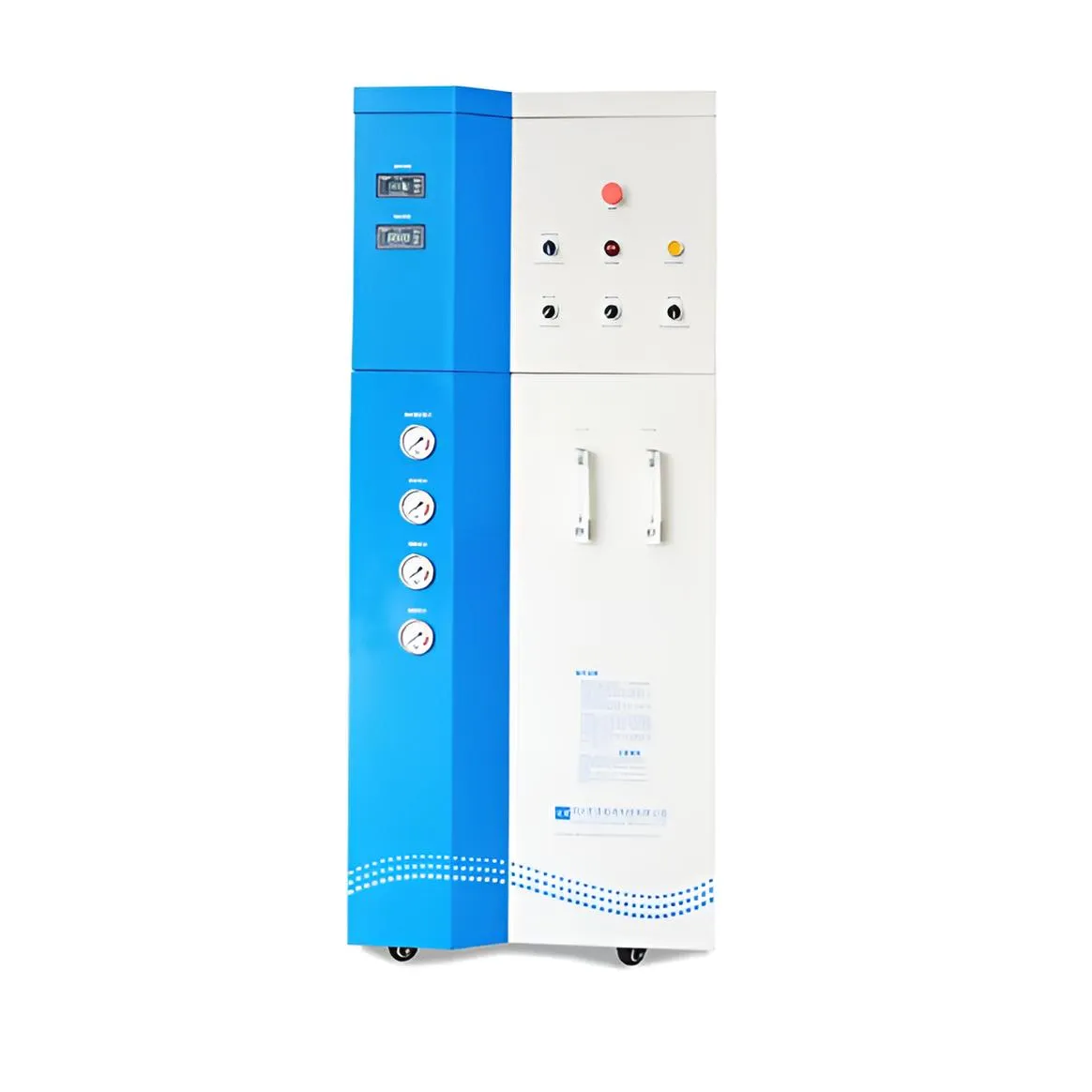
Laboratory pure water (laboratory ultrapure water) refers to water in which conductive media have been almost completely removed, and non-dissociated colloidal substances, gases, and organic matter have been removed to very low levels. Ultrapure water/high-purity water represents a level of purity that is difficult to achieve with conventional processes. Ultrapure water systems employ four main steps: pretreatment, reverse osmosis technology, ultrapure water treatment, and post-treatment. Multiple treatment methods, including multi-stage filtration, high-performance ion exchange units, ultrafiltration filters, ultraviolet lamps, and TOC removal devices, ensure high-quality output water. Laboratory pure water products are widely used in key industries such as universities, research institutions, pharmaceutical factories, power plants, electronics, medical facilities, disease control centers, environmental monitoring, and technical supervision. To facilitate user operation, ultrapure water systems utilize microcomputer chip-based programmed control for operation. Features include intelligent human-machine interface control, automatic water production and shutdown, system protection and alarm indicators, automatic RO membrane flushing, system flushing, pure water standby indicator, differentiated water supply, online water quality monitoring and display, and quantitative water dispensing switch.
I. Working Principle of Laboratory Pure Water:
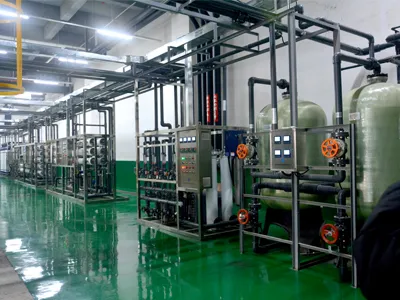
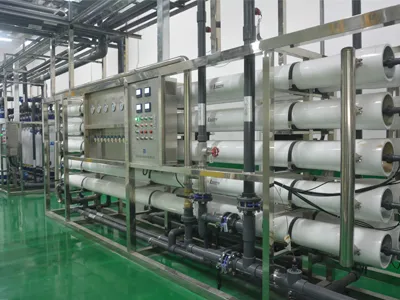
Laboratory pure water is produced by pre-treating tap water through precision filters and activated carbon filters. This filters out particulate matter such as sediment and adsorbs odors, making the tap water cleaner. The laboratory pure water then passes through a reverse osmosis unit for further purification and desalination. The purified water is then stored in a storage tank, meeting the national Class III water standard. This process simultaneously discharges wastewater from the reverse osmosis unit of the clinical laboratory ultrapure water system. The reverse osmosis pure water undergoes further desalination treatment through a purification column to obtain Class I or ultrapure water. Finally, if the user has special requirements, ultraviolet sterilization, microfiltration, or ultrafiltration devices can be added after the laboratory pure water system to remove residual bacteria, particles, pyrogens, etc.
II. Advantages and Features of Laboratory Ultrapure Water Systems:
The system incorporates internationally renowned brand RO membranes. Each laboratory pure water unit undergoes rigorous testing, providing stable, high-quality pure water and optimizing operating costs.
It features an automatic RO membrane cleaning function, extending the RO membrane's lifespan and eliminating the need for chemical cleaning or special maintenance.
The ultrapure water module features timed water circulation within its piping, coupled with dual-wavelength UV lamps. This effectively inhibits bacterial growth within the piping, extending the lifespan of consumables and the machine, while ensuring high-quality water.
Features include: real-time water quality display; timed water dispensing function; automatic alarm for expired consumables. User-friendly design.
The main unit includes both RO and ultrapure water inlets.
A unique reverse osmosis water rejection design ensures that high-quality RO pure water enters the water tank, improving the efficiency and lifespan of the ion exchange columns used for ultrapure water production.





