


Phone:
0086 28 87573647
+86 19150187139

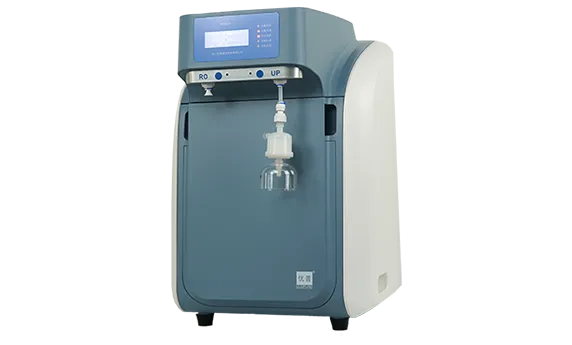
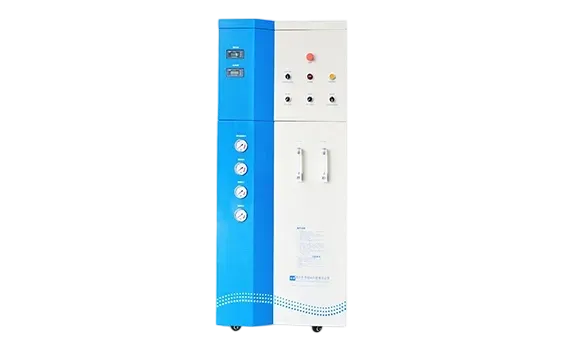
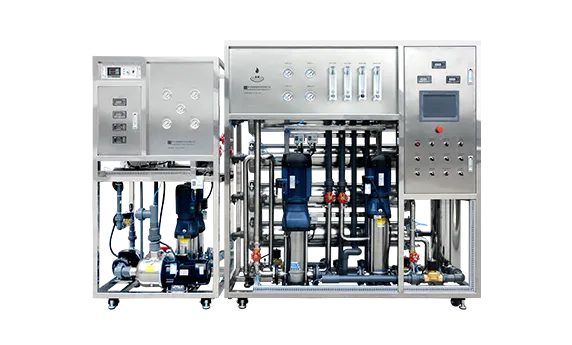
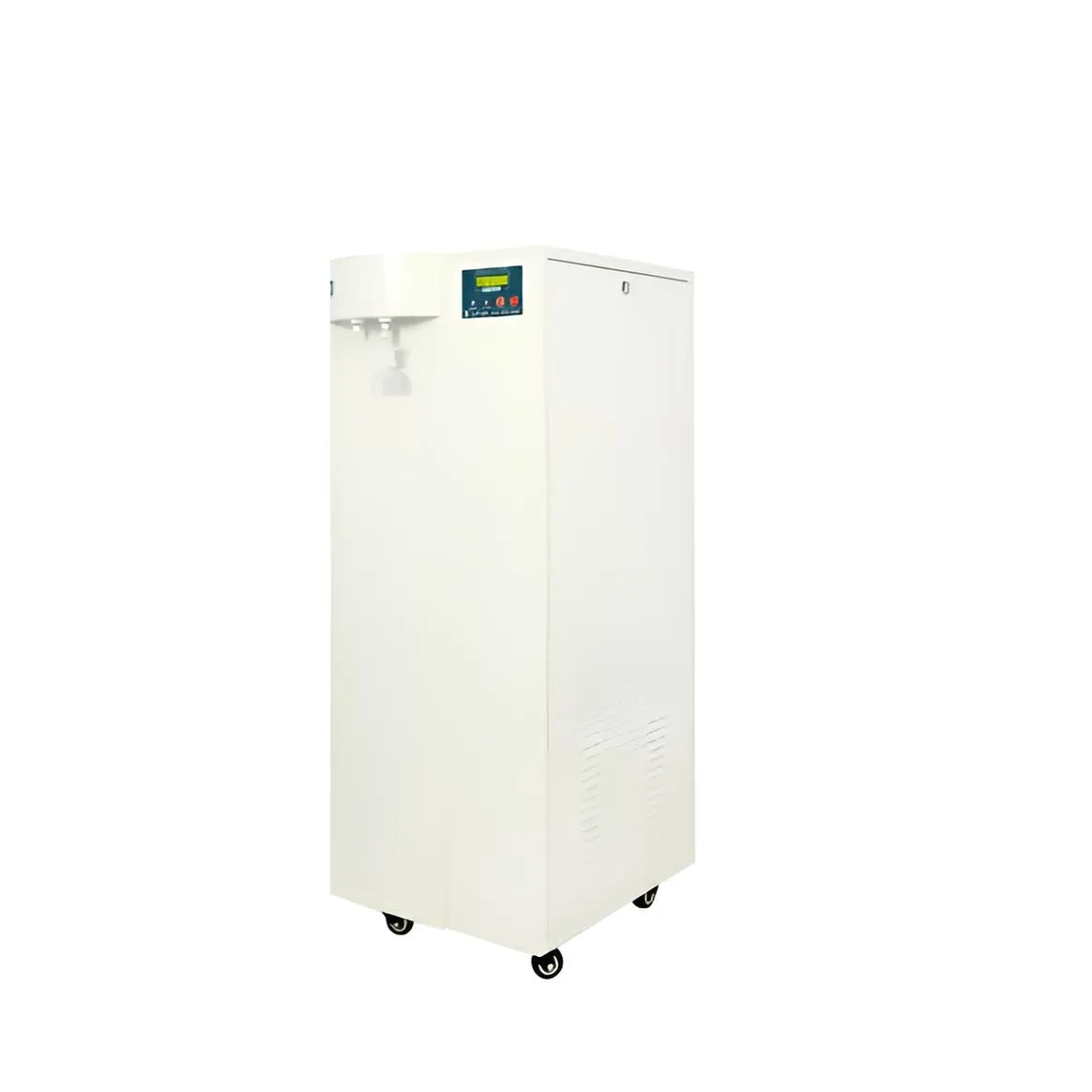
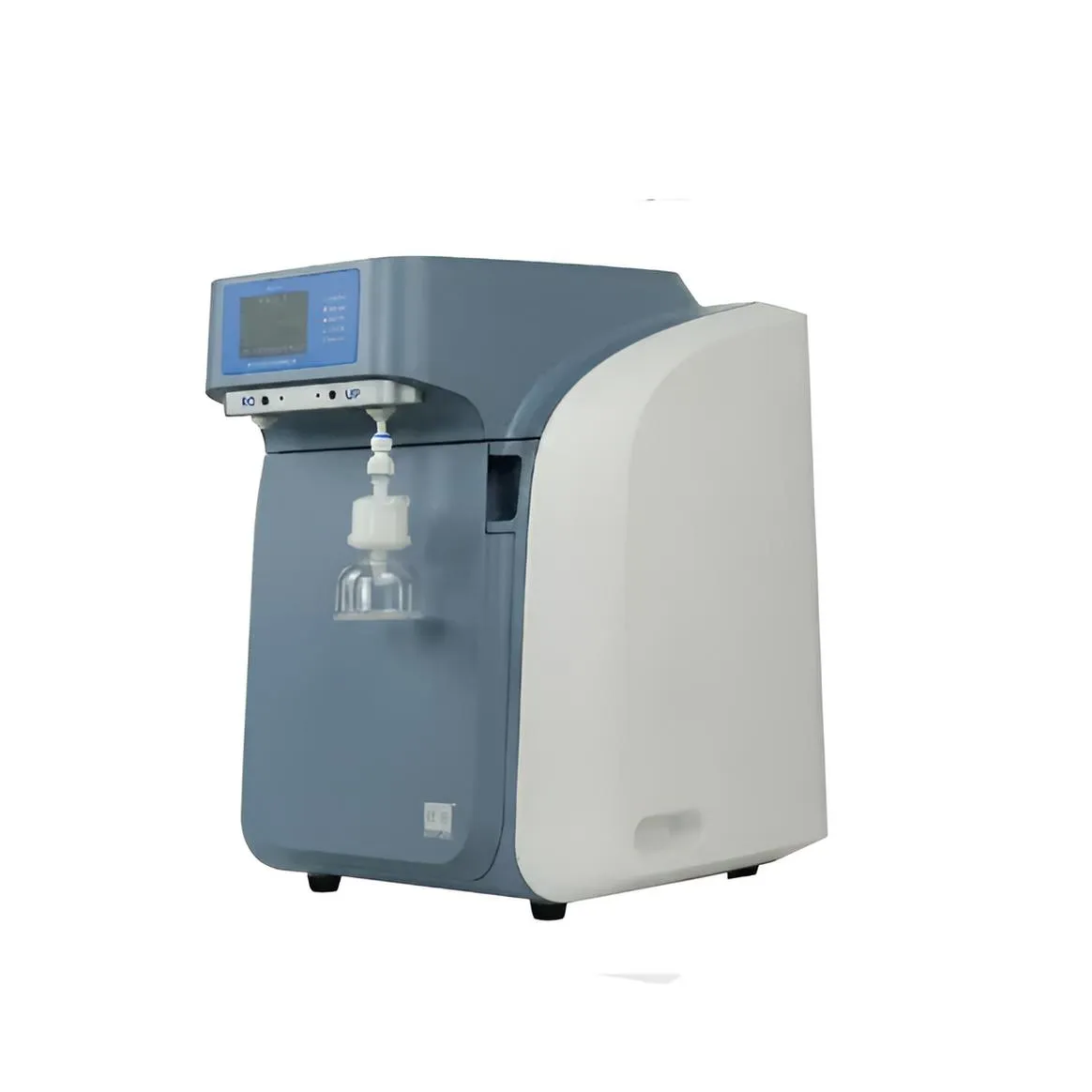
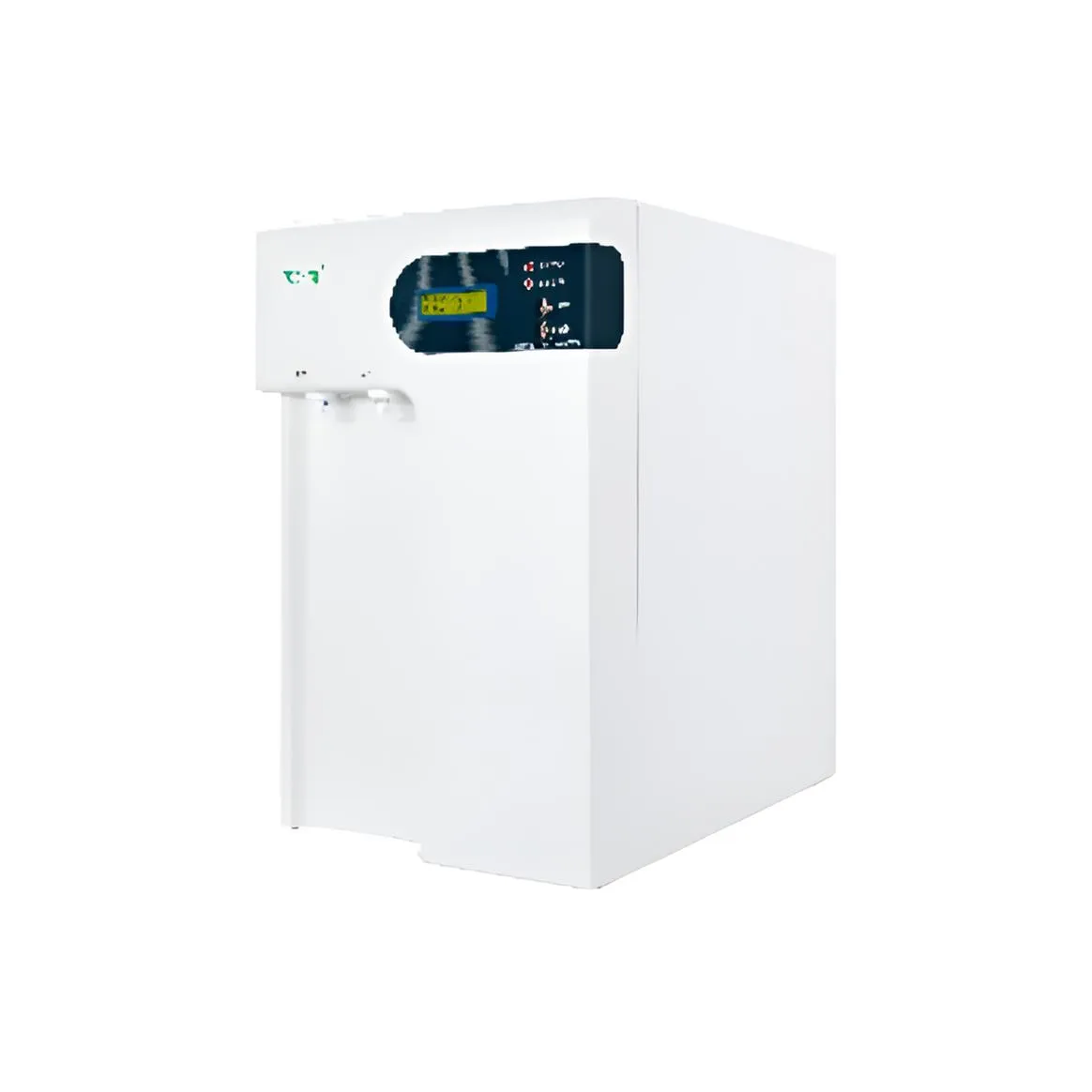
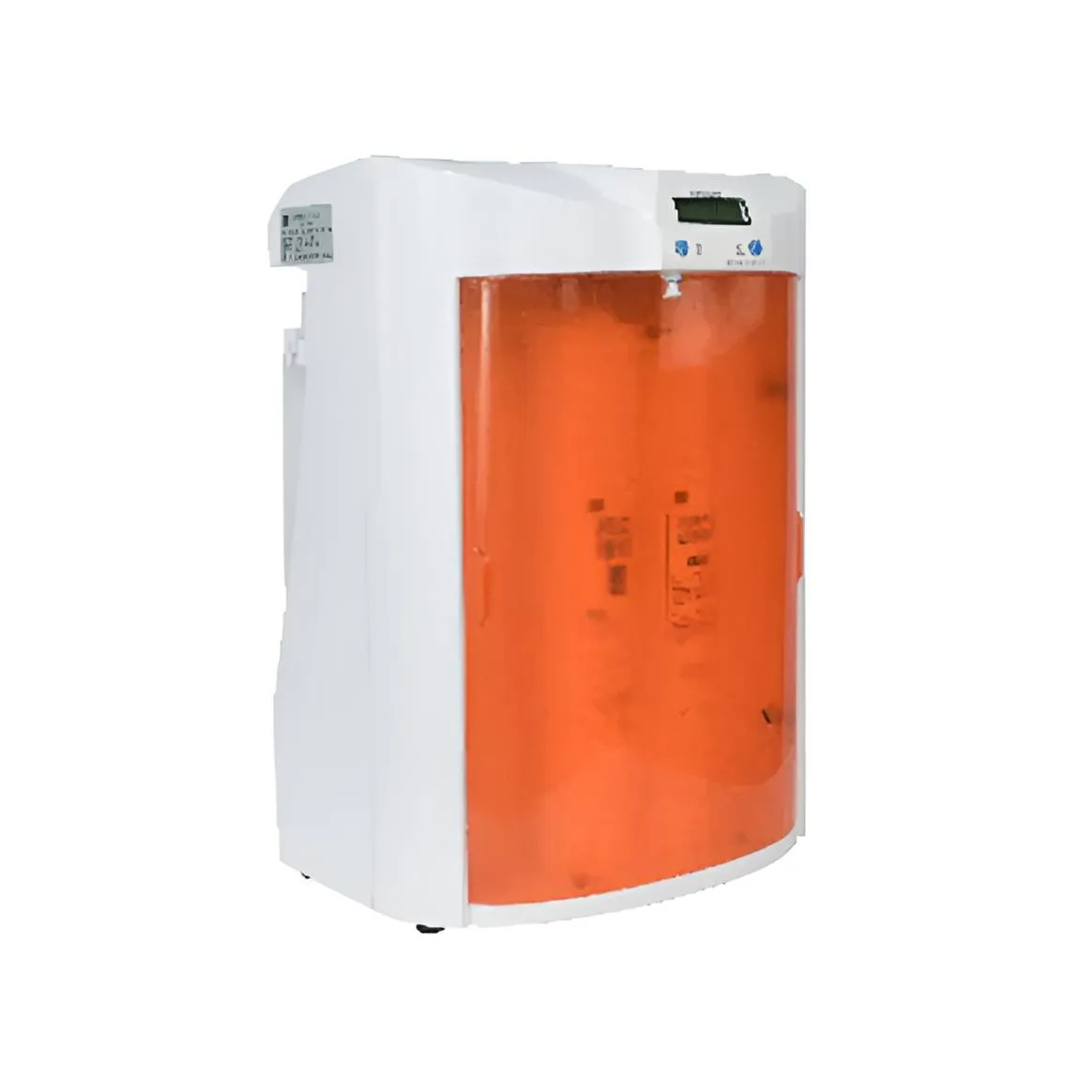
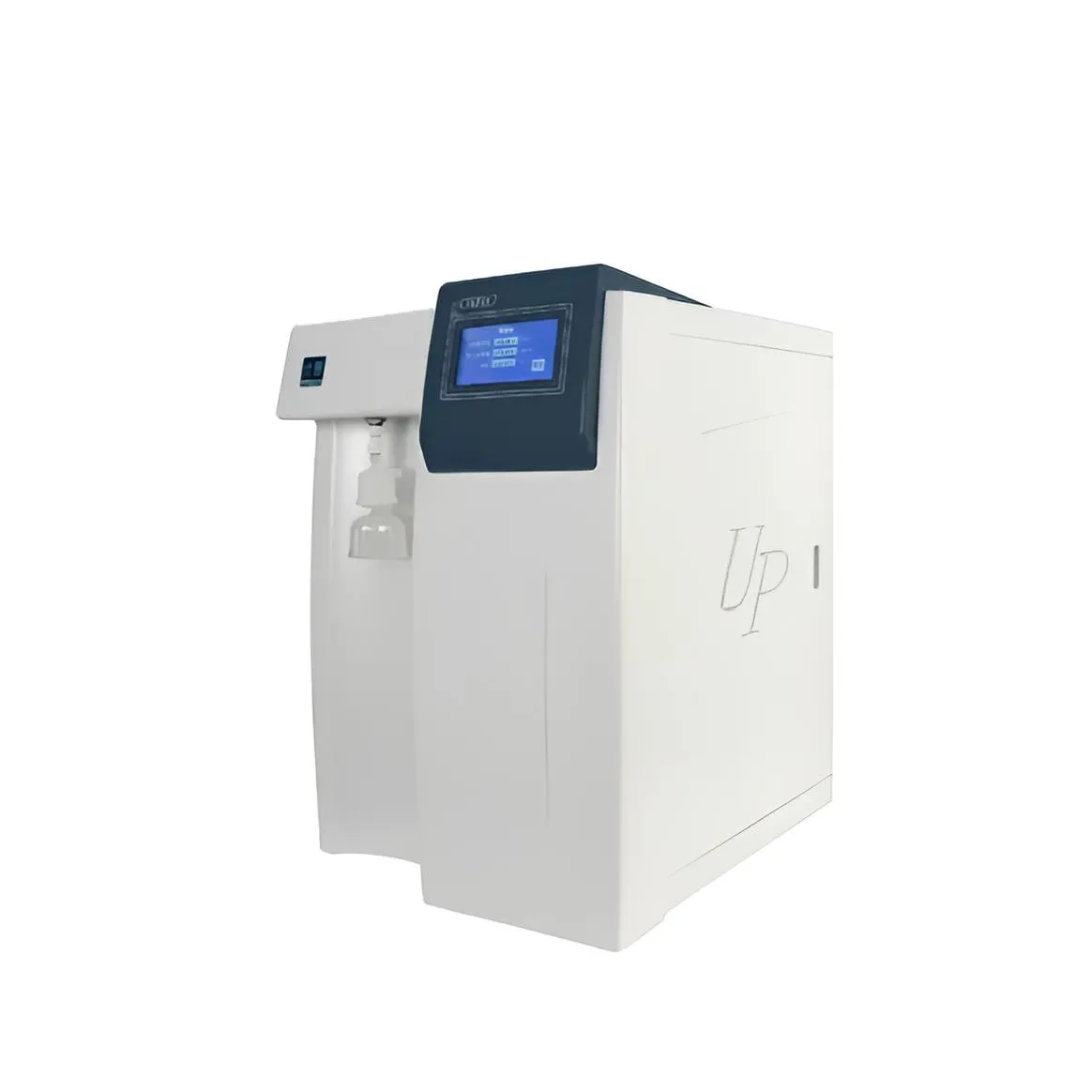
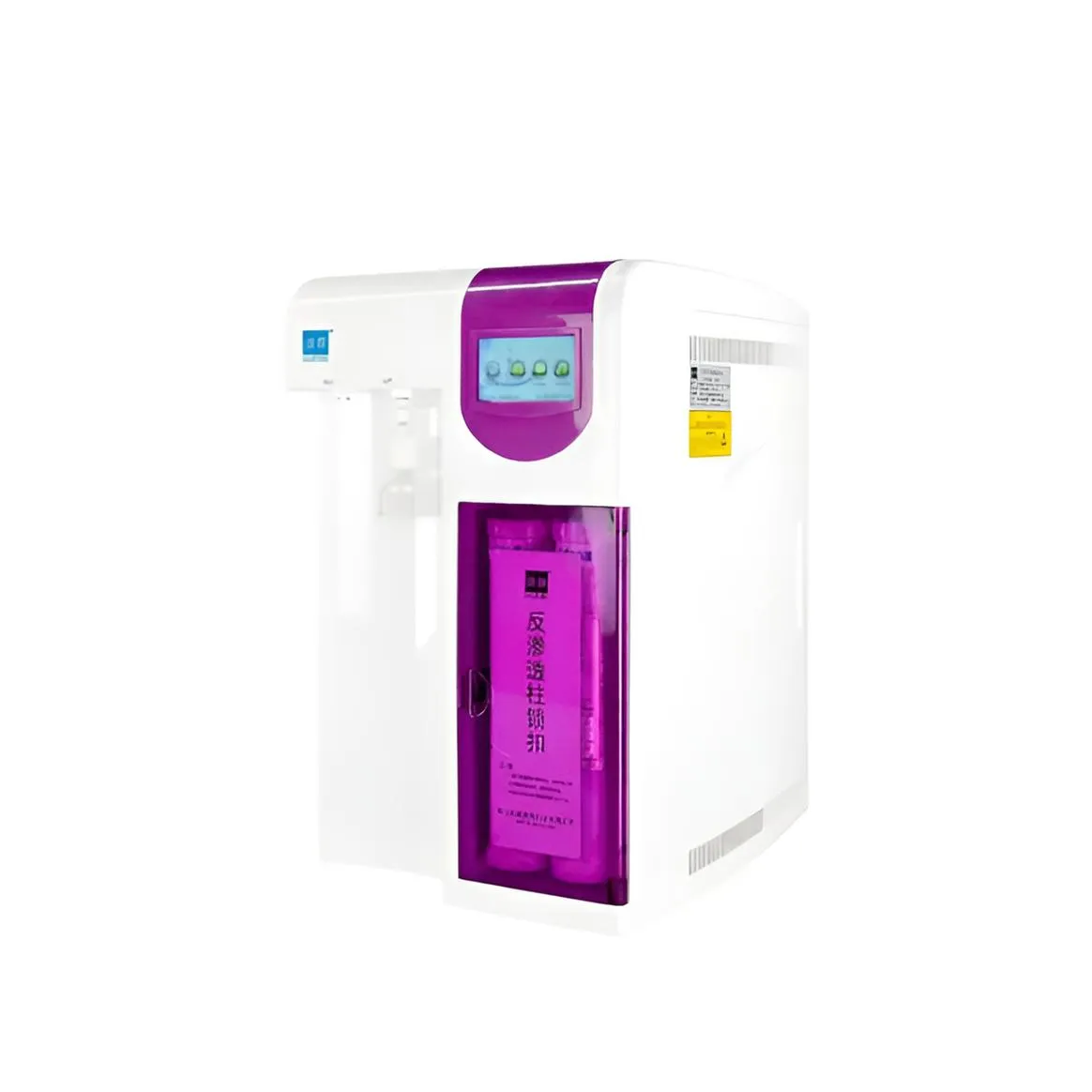
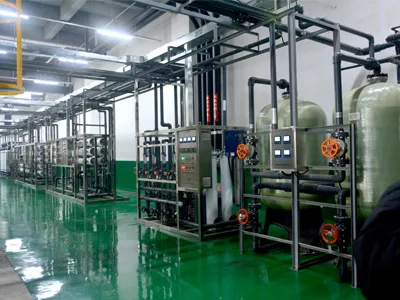
Laboratory pure water systems are stable and widely used in industries such as pharmaceuticals, electronics, chemicals, glass, coating, boilers, and laboratories. Small-scale deionized water equipment can directly produce high-purity water from tap water, with a long operating cycle, requiring minimal maintenance and spare parts replacement, and operating extremely quietly. For businesses with low water consumption, our company has specially customized a series of small-scale deionized water systems with smaller output volumes. Laboratory pure water systems can meet the requirements for laboratory water and small-volume cleaning water; the output water quality can be customized according to specific needs.
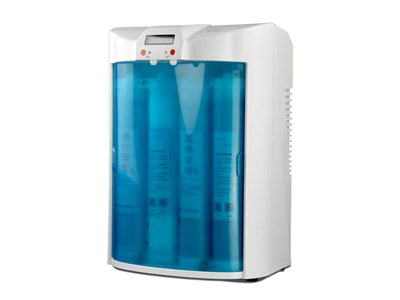
1. Equipped with a complete purification unit, it can use tap water as the influent and produce pure water and ultrapure water as the output. It produces water of different standards to meet the water needs of various laboratories.
2. The new laboratory ultrapure water system has a unit ultrapure water production capacity that is 40 times that of similar imported products, while the water production cost is one-fiftieth of other products.
3. If the raw water quality is less than 2000 μs and the hardness is ≤450 ppm, the product water quality can be guaranteed to be stable below 5 μs/cm, and the raw water utilization rate can reach 60%-80%.
4. Users can also separately dispense quantitative amounts of pure water and ultrapure water. Once the dispensing volume is set, the laboratory pure water machine will automatically produce the appropriate amount of water. The dispensing volume can be freely set from 10 ml to 200 liters, with quantitative dispensing accuracy to ±2 ml.
5. Users can store and query data in real time through the fully intelligent monitoring system, and then perform trend analysis. The fully intelligent monitoring system supports multi-language modes and multiple users, recording data separately.
6. A true-color LCD touchscreen and graphical human-machine interface allow for one-stop online operation and information retrieval. All monitoring data of the entire laboratory pure water machine system is collected in real time and viewed online, without the need for external computer storage. Data storage capacity can reach more than one year. 7. The rational placement of consumables in the purification unit and the plug-and-play functionality of components facilitate calibration, maintenance, cleaning, disinfection, and sampling during system validation.
The working principle of a laboratory pure water system is as follows: tap water undergoes pretreatment through precision and activated carbon filters to remove particulate matter such as sediment and absorb odors, making the tap water cleaner. Then, it passes through a reverse osmosis unit for purification and desalination. The purified water is stored in a tank. The water quality of the laboratory pure water system can meet the national Class III water standard. Wastewater from the reverse osmosis unit is discharged. The reverse osmosis pure water from the laboratory pure water system undergoes deep desalination treatment through a purification column to obtain Class I or ultrapure water. Finally, if the user has special requirements, ultraviolet sterilization or microfiltration/ultrafiltration devices can be added after the ultrapure water system to remove residual bacteria, particles, pyrogens, etc. Precision filter cartridges, activated carbon filter cartridges, reverse osmosis membranes, and purification columns all have relatively limited lifespans. Precision filter cartridges and activated carbon filter cartridges essentially protect the reverse osmosis membrane. If they fail, the load on the reverse osmosis membrane increases, shortening its lifespan. If the machine continues to operate, the quality of the purified water produced by the laboratory water purifier will decline, further increasing the burden on the purification column and shortening its lifespan. Ultimately, this increases the operating cost of the ultrapure water purifier.
Laboratory Water Purifier Usage Precautions:
1. Precision Filter Cartridges: Precision filter cartridges, also known as filter elements, are divided into wound filter cartridges and PP melt-blown filter cartridges. They mainly filter large particles such as sediment in the raw water, with filtration precisions of 5 microns, 1 micron, etc. New filter cartridges are white. Over time, sediment will accumulate on the surface, turning it brown, indicating that the filter cartridge is unusable. After rinsing off the surface sediment with tap water, it can be used for another 1-2 weeks, but not for extended periods. Filter cartridges are placed inside filter bottles. Some filter bottles are transparent, allowing for direct observation of the color change of the cartridge. Other bottles are opaque and require unscrewing to observe the changes. Based on empirical data, the lifespan of a precision filter cartridge is generally 3-6 months. If the raw water contains a lot of sediment, its lifespan will be shorter; if there is less sediment or particulate matter, its lifespan will be slightly longer.
2. Purification Column: Purification columns, sometimes called ultrapure columns depending on the customer's water quality requirements, are used for deep desalination of reverse osmosis pure water, ultimately achieving Grade I or ultrapure water levels. The principle is ion exchange. The lifespan of a purification column is indicated by its resistivity online. A resistance below a certain threshold indicates the column has expired, which is quite intuitive. Its lifespan is mainly affected by the customer's water consumption.
3. Activated Carbon Filter Cartridge: Activated carbon filter cartridges primarily remove odors and organic matter from water through adsorption. Tap water contains residual chlorine, which has a significant oxidizing effect on the reverse osmosis membrane, so it must be removed by activated carbon. Activated carbon filters show no visible changes on the surface. Based on experience, they typically reach saturation and need replacement after about a year.
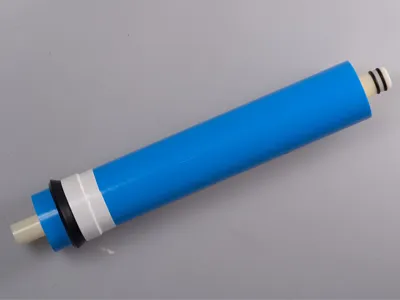
4. Reverse Osmosis Membrane: The reverse osmosis membrane is a crucial component of an ultrapure water system. Its pores are extremely small, so bacteria and other microscopic substances often accumulate on its surface during use. Most laboratory pure water systems have a backwashing function to remove contaminants. For water consumption of 10 liters/day or less, it can be backwashed 3-5 times; for consumption exceeding 10 liters, it should be backwashed more frequently. If not used for an extended period (e.g., more than a month), it needs to be removed and soaked in disinfectant to prevent bacterial growth. However, this process is somewhat cumbersome. It is recommended to frequently run small amounts of water even when not in use to circulate the water inside the machine and minimize stagnant water accumulation. The lifespan of a reverse osmosis membrane is 2-3 years, mainly depending on the user's water consumption. Therefore, users must choose the appropriate specifications when purchasing. 5. Water Usage: Ultrapure water systems using tap water as their source typically have two outlets: tertiary water and primary water. The water produced through reverse osmosis is tertiary water, stored in a tank, while primary water is used immediately and not stored. Tertiary water does not pass through a purification column, while primary water does; primary water is more expensive than tertiary water. Therefore, customers should select water according to their water quality needs in daily use, using tertiary water whenever possible to avoid increasing operating costs.
Generally speaking, tap water quality in southern Chinese cities is better than in northern cities; tap water quality in cities along the Yangtze River is better than in cities along the Yellow River; and tap water sourced from rivers is better than tap water sourced from groundwater. Most laboratory pure water system manufacturers design their products based on high-quality tap water. If the user's tap water quality is poor, it is advisable to increase the selection criteria for both water quality and production capacity. Especially for water production capacity, it's best to choose a doubled value to prevent frequent consumable replacements and a decline in water quality due to rapid consumable consumption.
Additionally, if the customer's feed water quality is poor, they should inform the laboratory water purifier manufacturer. The manufacturer's technicians can then select enhanced pretreatment (multi-media filters, softening devices, etc.) to improve the feed water quality and extend the lifespan of consumables, based on the customer's specific water quality. Alternatively, you can consult with UPP's professional engineers for purchasing advice. Feel free to call our nationwide service hotline: 400-884-6567!