


Phone:
0086 28 87573647
+86 19150187139
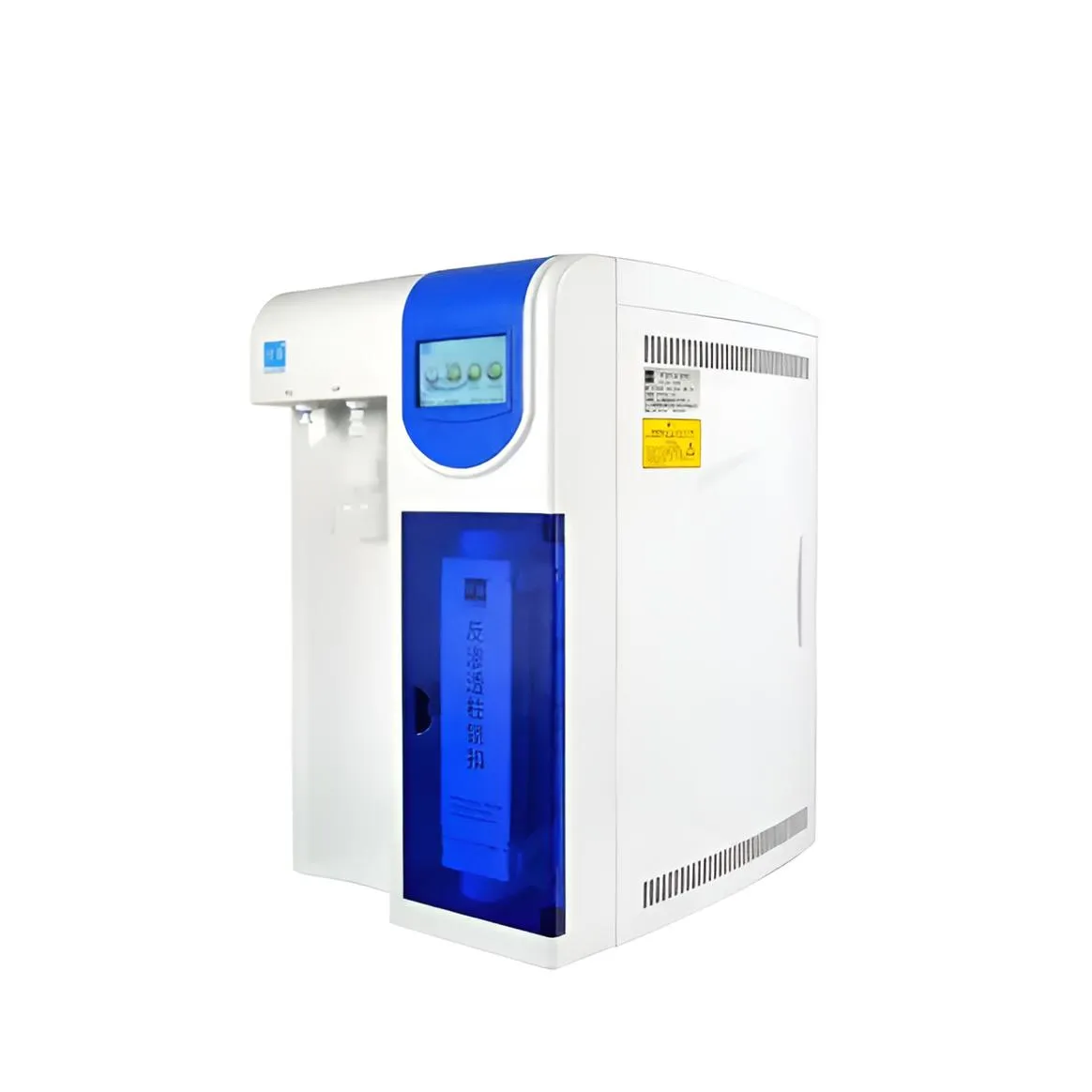
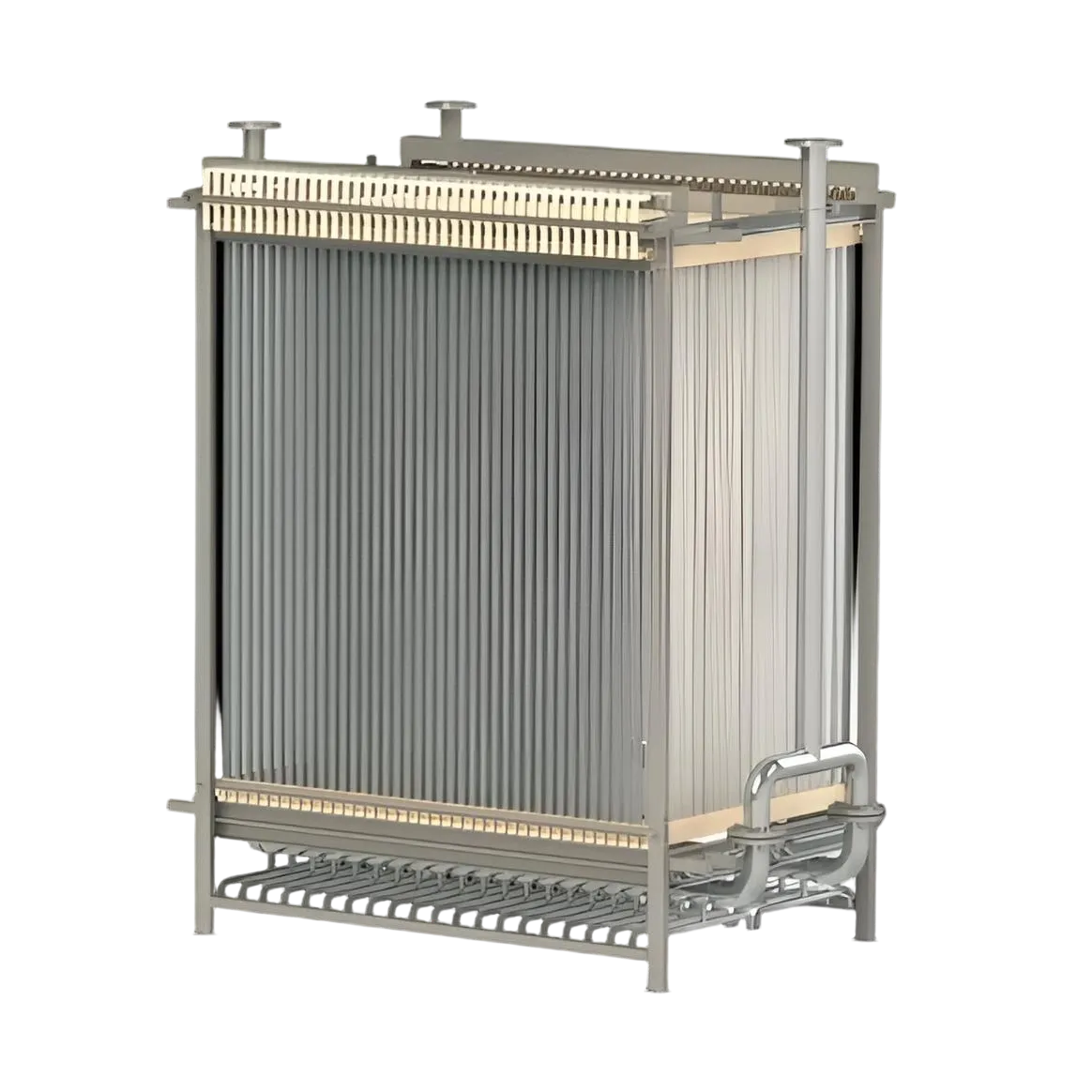
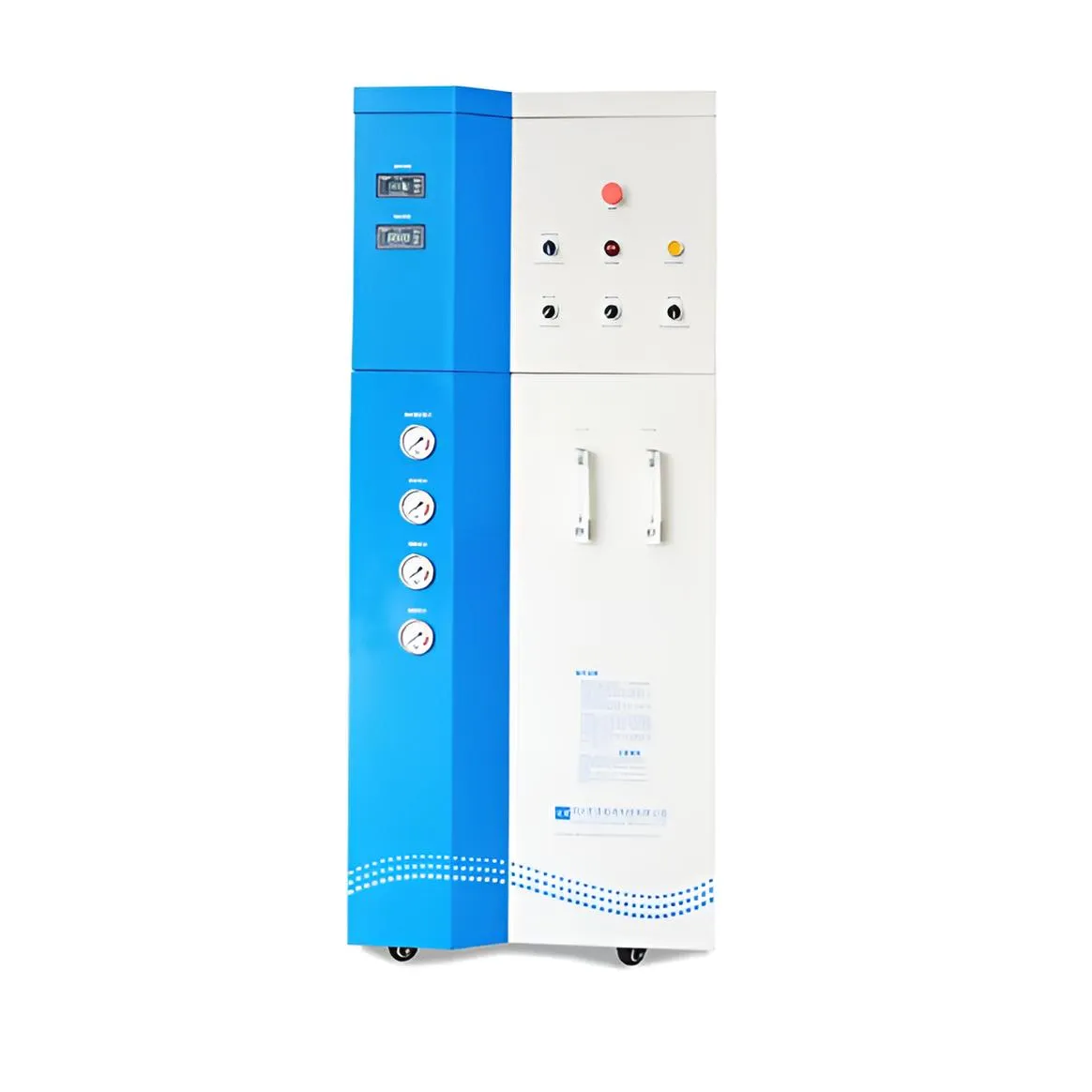
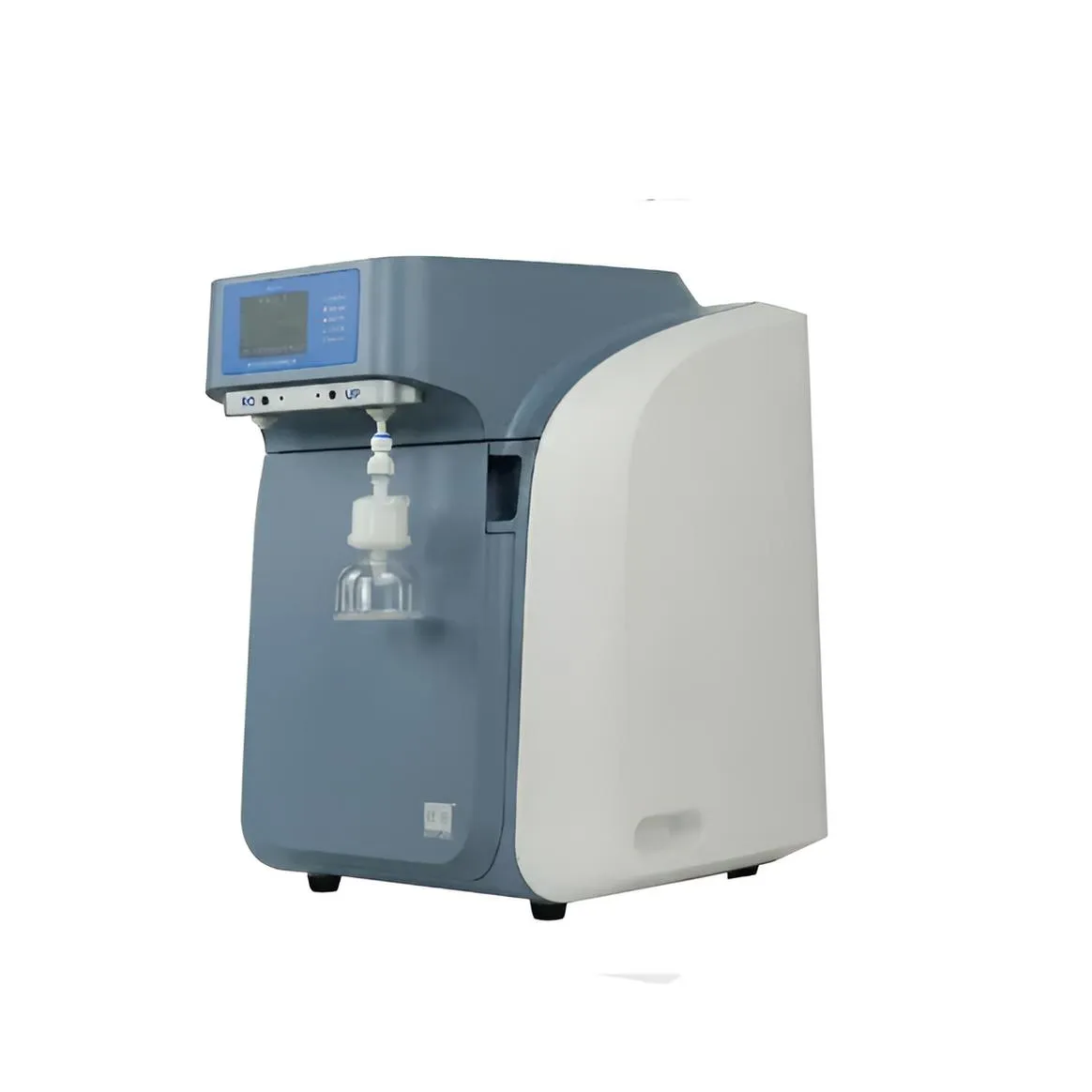
Sometimes, malfunctions in ultrapure water systems are unavoidable. Some are due to operational errors, while others may be due to design flaws. To prevent frequent malfunctions, while we cannot completely eliminate them, we can minimize them. So, how can we reduce ultrapure water system malfunctions?
1. After obtaining the water quality data, conduct a comprehensive water quality analysis and design the reverse osmosis (RO) system accordingly.
2. Determine the SDI value of the RO feed water before designing.
3. If the feed water quality changes, make corresponding design adjustments promptly.
4. Select appropriate membrane elements for the equipment. Cellulose acetate membranes or low-fouling membrane elements may be more effective for treating complex surface water.
5. Ensure sufficient pretreatment.
6. When selecting water flux, use commonly used data whenever possible.
7. Regarding recovery rate, a suitable amount is preferable over a high one.
8. The crossflow velocity and concentrate flow rate should be as high as possible.
9. Every piece of data for the entire equipment must be standardized.
This concludes the introduction on how to prevent malfunctions in ultrapure water systems. We hope that by following the methods described above, you can effectively reduce equipment failures and ensure more stable operation of the ultrapure water system.