







Phone:
0086 28 87573647
+86 19150187139

As a common piece of equipment in laboratories, laboratory pure water systems are widely used in research institutes, universities, government institutions, and corporate R&D centers and quality inspection centers. Users should confirm several requirements when purchasing one:
1. Confirm Water Consumption
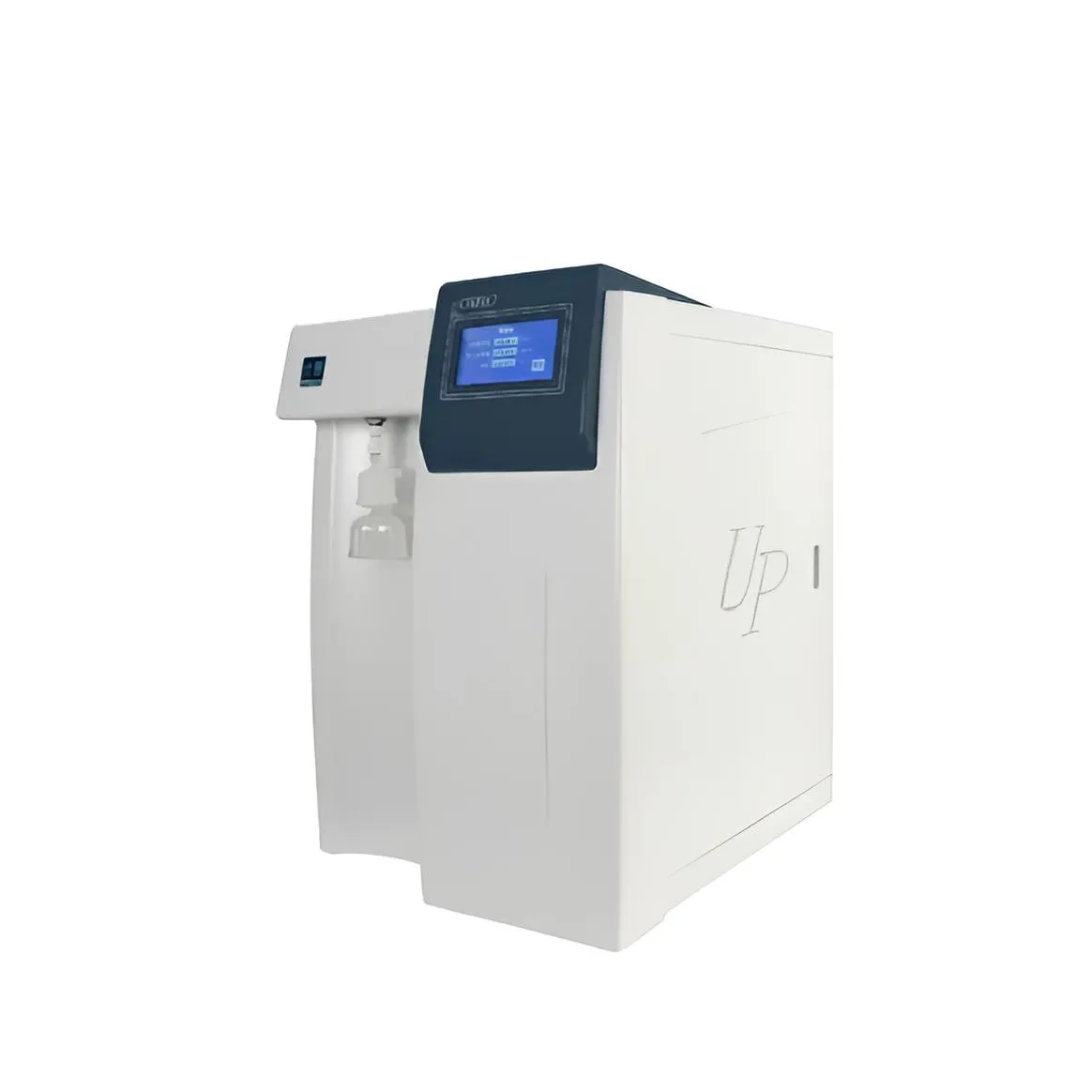
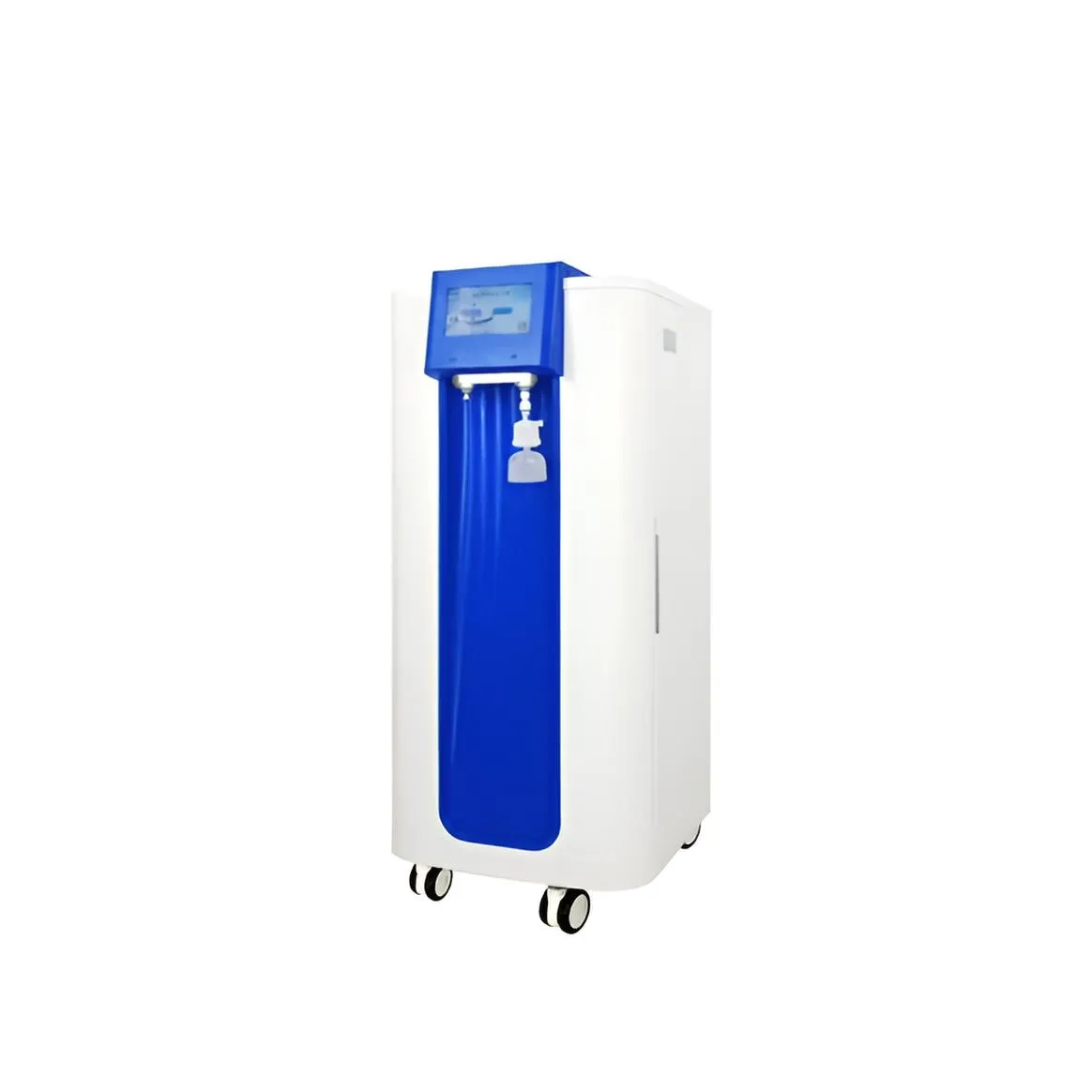
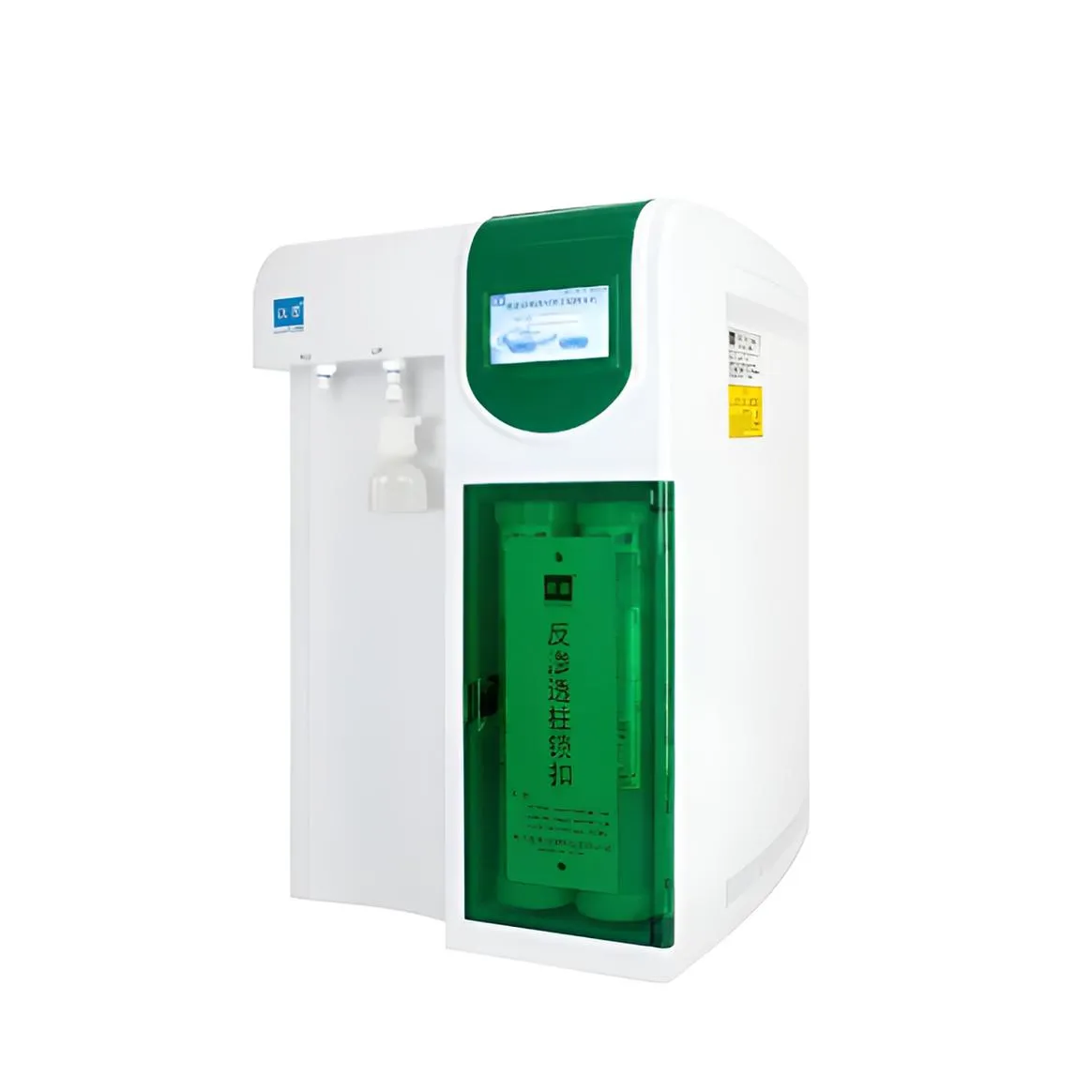
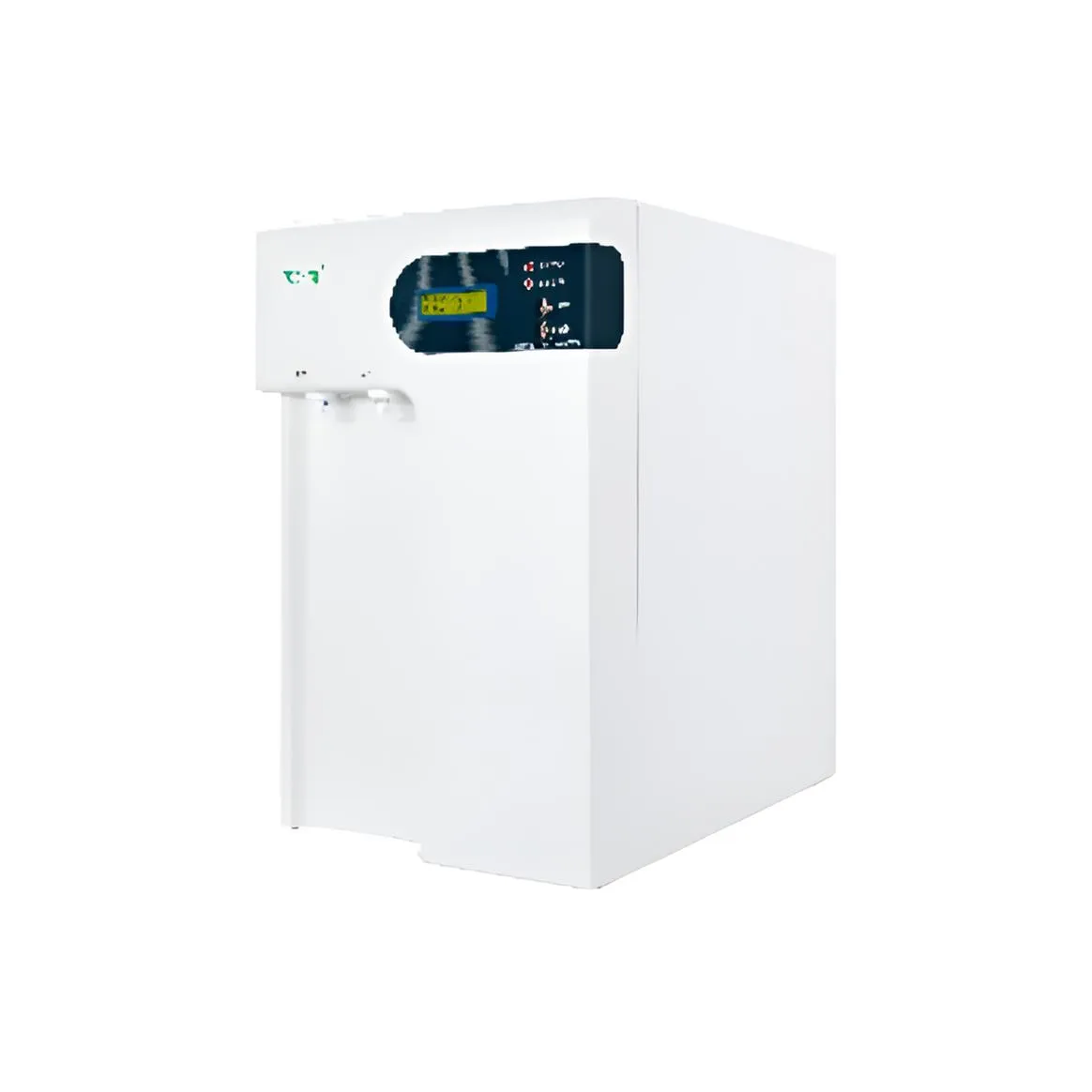
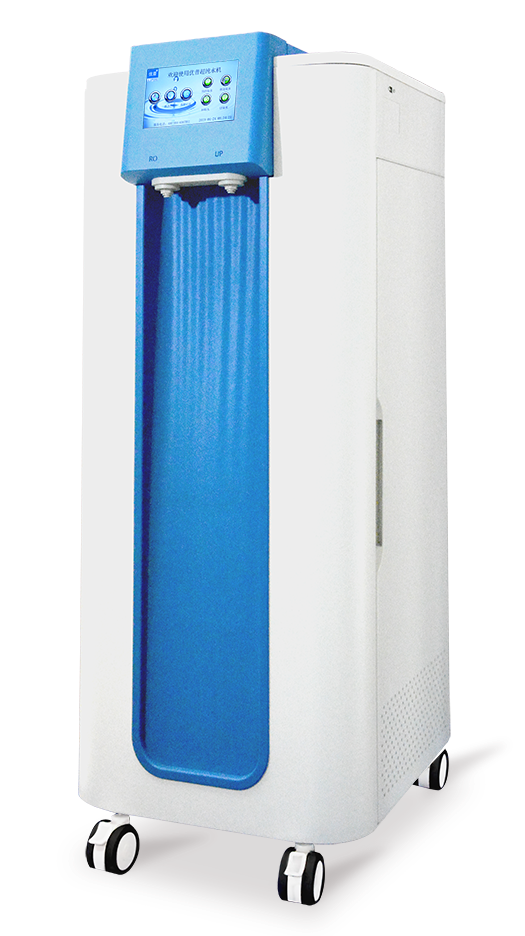
Companies and customers purchasing equipment need to provide their daily water consumption and peak-period daily water demand. This allows sales engineers to confirm the daily water consumption based on the customer's needs, thereby determining the main unit's water production capacity, calculating the initial model selection, and the annual replacement quantity and cost of consumables. Laboratory ultrapure water systems generally come in two models: benchtop (placed on a lab bench) and floor-standing (or cabinet-style, placed on the lab floor). Floor-standing ultrapure water systems are generally larger than benchtop systems, and correspondingly have a larger water production capacity, reaching hundreds of liters per hour.
2. Confirm Water Quality Requirements
As a user, you need to confirm the intended use of your ultrapure water system, specifically the project it will be used for. Providing water quality specifications, such as resistivity and bacteria removal requirements, will facilitate faster model selection.
3. Confirm Source Water Quality
Companies and customers purchasing equipment must clearly understand the quality of their local source water, including information such as hardness and turbidity. Providing a source water quality report is highly recommended. This allows the ultrapure water system manufacturer to assess the source water quality and configure a suitable ultrapure water system for the business.
4. Budget
Companies and customers purchasing equipment must have a clear budget. There are many types of ultrapure water equipment, and different configurations and functions require different costs. Thorough research is essential before purchasing.





