


Phone:
0086 28 87573647
+86 19150187139
Pure water and ultrapure water, due to their extremely high purity, require stringent storage conditions. The core principles are material inertness, air isolation, limited storage time, and light protection to inhibit bacterial growth. Any oversight in any step can lead to secondary contamination.
1. Ultrapure Water: Ultrapure water has extremely poor stability; its resistivity drops by approximately 0.2 MΩ·cm per minute when exposed to air. Storage should not exceed 24 hours, and it should ideally be prepared and used immediately.
2. Pure Water (Level II/Level III): PP (polypropylene) or food-grade PE can be used, as they are corrosion-resistant and have controllable leaching. Borosilicate glass is only suitable for short-term storage (≤72 hours) to avoid prolonged contact.
1. Strict Air Isolation: CO₂ in the air rapidly reduces resistivity, and bacteria, VOCs, and particulate matter can cause contamination. Containers must be sealed; a respirator is preferable to prevent contaminants from entering.
2. Light Protection + Antibacterial Properties: Storage should be in a cool, dark environment. Direct sunlight will raise the temperature, accelerating microbial growth and algae proliferation. Large storage tanks can be equipped with UV sterilization lamps to inhibit biofilm formation. Regular emptying and cleaning are necessary to prevent the accumulation of impurities.
3. Common Mistakes: Using ordinary plastic buckets, leaving the tank open, long-term storage, and exposure to direct sunlight will all lead to a rapid decline in water quality.
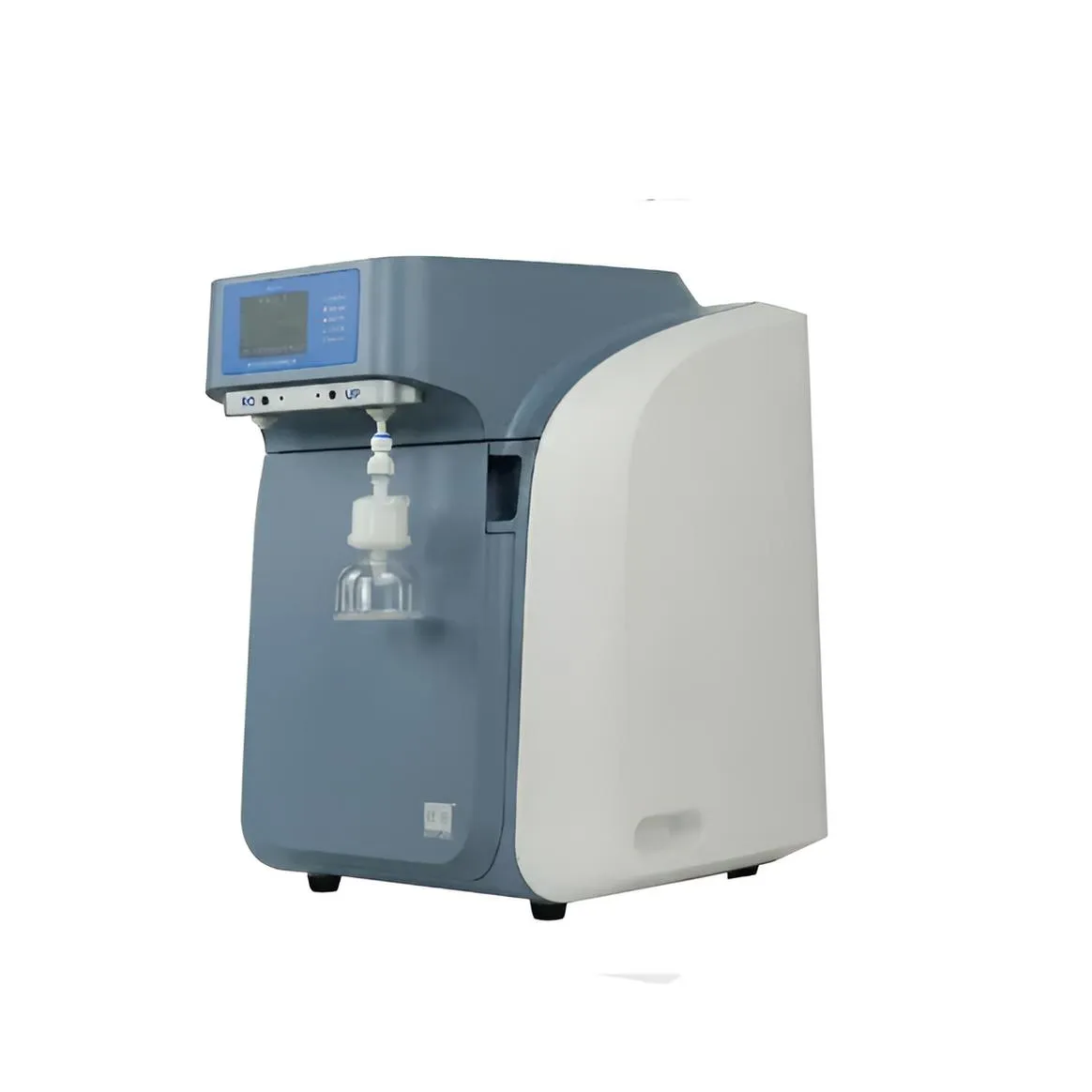
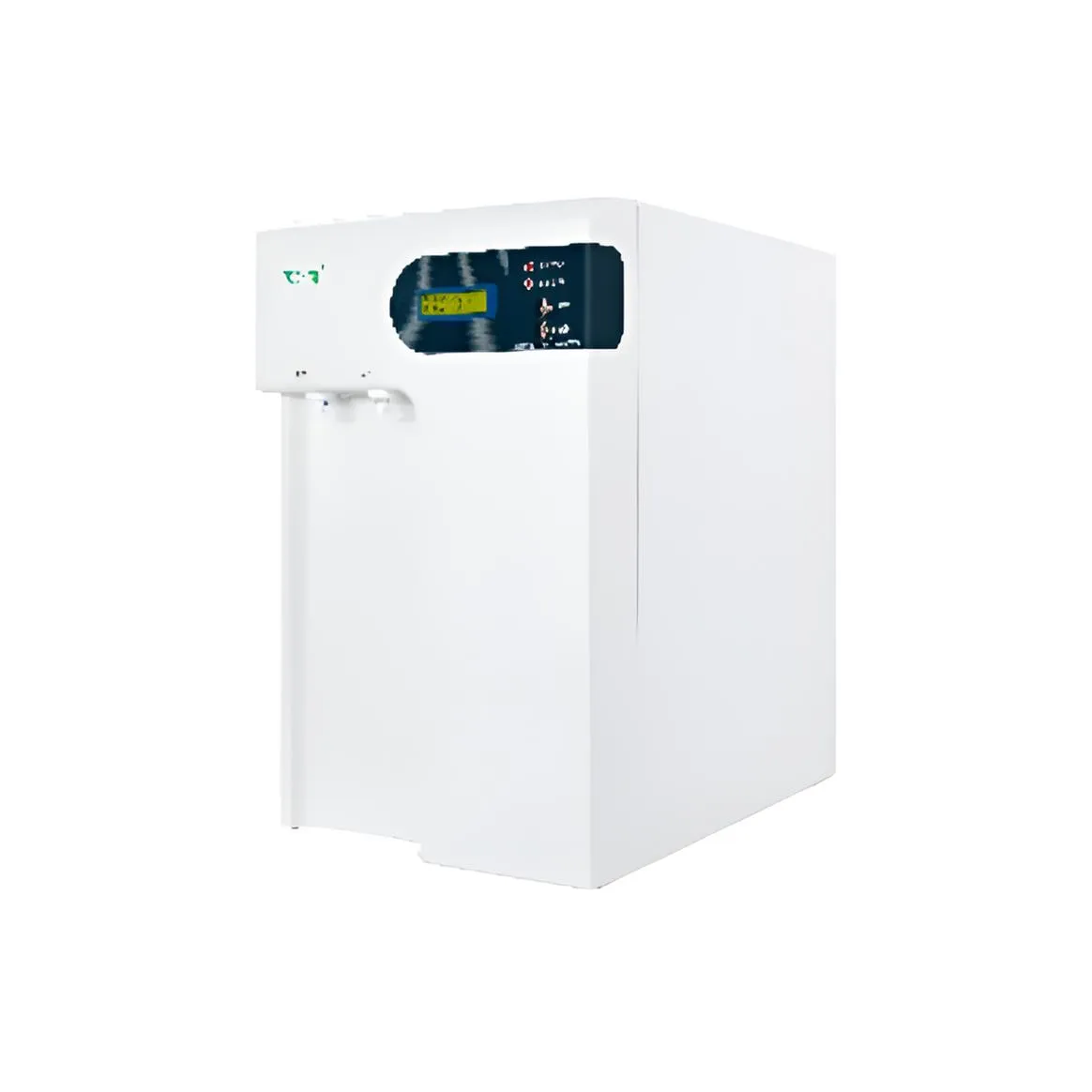
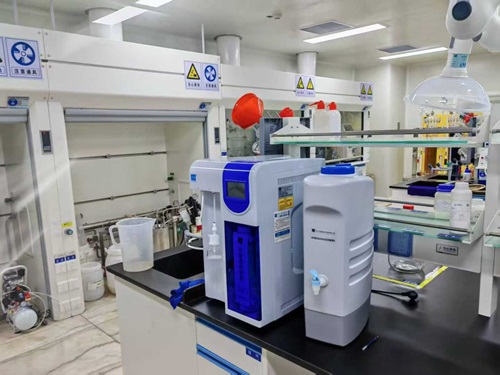
UPU standard water dispensers typically use a pressure tank and UPU's proprietary sterile water tank (double-layered medical-grade PE, standard respirator and dispensing tap). The pressure tank ensures stable water pressure and continuous water output; the sterile water tank is made of double-layered medical-grade PE material, which is highly inert and prevents the leaching of harmful substances. The double-layered structure provides light protection and heat insulation, inhibiting microbial growth. The standard respirator prevents airborne bacteria and impurities from entering, and the dispensing tap makes water dispensing convenient, making it particularly suitable for high-purity water applications in laboratories.