









Phone:
0086 28 87573647
+86 19150187139

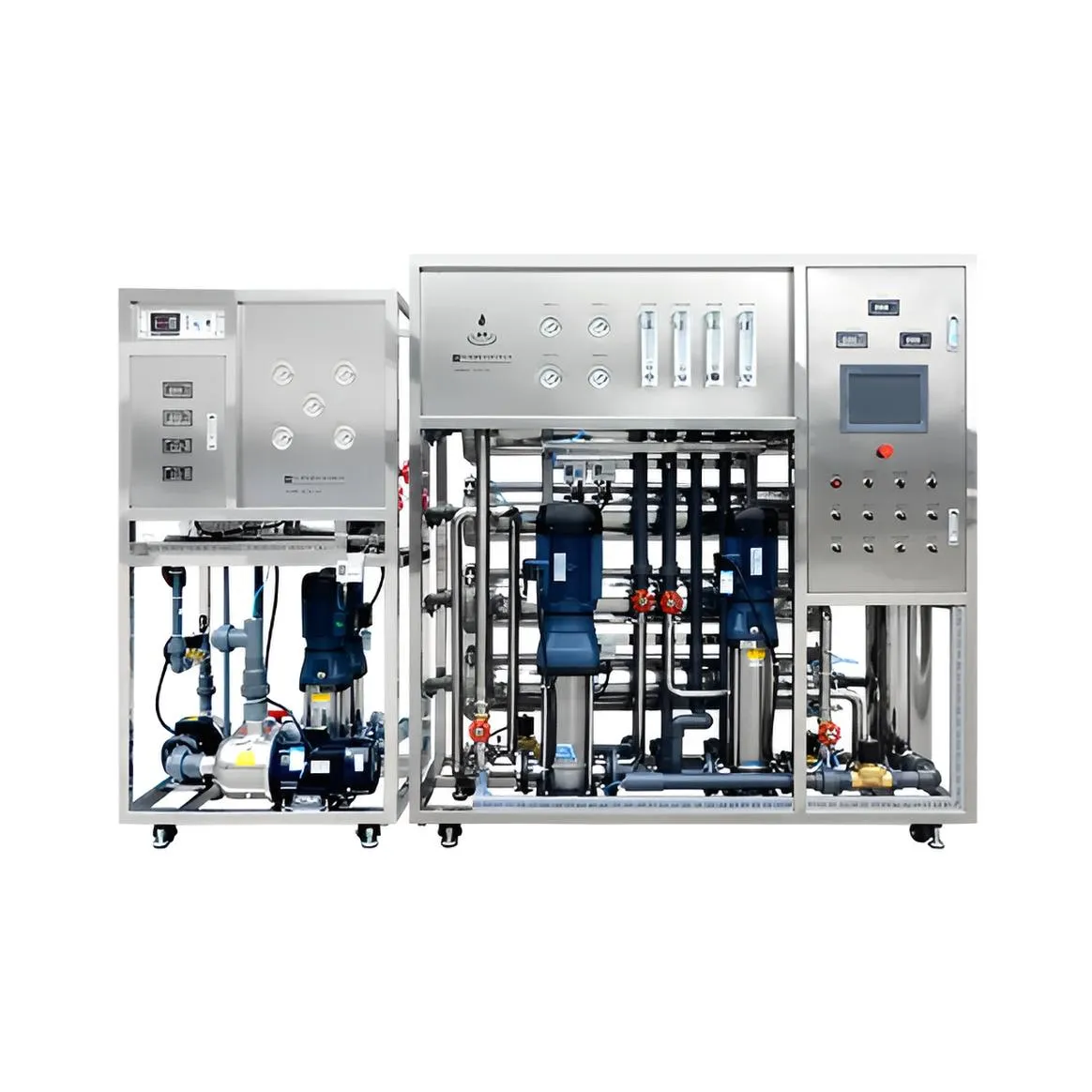
The disinfection effectiveness of water treatment equipment for hemodialysis machines directly impacts the safety of water used by hemodialysis patients. Thermal disinfection has become the preferred choice in the market, primarily due to its safety and adaptability to clinical needs.
According to the 2017 standard YY0572-2015, "Water for Hemodialysis and Related Treatments," the treated water quality must meet the requirements of microorganisms ≤100 CFU/ml and endotoxins ≤0.25 EU/ml. Pipeline disinfection is crucial for maintaining this standard, as microorganisms and residual endotoxins within the pipes can lead to serious consequences for patients, such as fever, shock, endotoxemia, and even multiple organ failure. Disinfection functionality has become an essential requirement for equipment.
Currently, mainstream disinfection methods are divided into chemical disinfection and thermal disinfection. Chemical disinfection offers advantages such as good disinfection effect, low equipment cost, and low technical threshold, but it carries the risk of disinfectant residue and higher subsequent consumable costs. Thermal disinfection, on the other hand, is simple to operate, eliminates the risk of disinfectant residue, and eliminates the need for subsequent disinfectant costs. Its only drawbacks are the high technical requirements for maintaining a constant circulation temperature and higher initial equipment costs.
The core reason for the market's preference for heat-sterilized water treatment equipment is its ability to effectively reduce the occurrence of first-use syndrome. This syndrome is divided into two types, A and B. Type A has the highest incidence, usually appearing within 5-30 minutes of the start of hemodialysis. It is mainly caused by a rapid allergic reaction in patients to the disinfectant, with symptoms including skin itching and urticaria; in severe cases, it can lead to respiratory distress, shock, and even death. Type B, although less common (3-5 times/100 cases), usually appears within one hour of dialysis and is related to an immune response triggered by toxins. However, heat sterilization can reduce the accumulation of toxins in the tubing, indirectly reducing the risk.
Furthermore, heat sterilization reduces the variables in causal investigation after clinical accidents, further improving the safety of diagnosis and treatment. In summary, although heat-sterilized equipment has a higher initial cost, its significant advantages in patient safety and long-term cost control make it the preferred type of water treatment equipment for hemodialysis machines.





