




Phone:
0086 28 87573647
+86 19150187139

Toxic elements such as beryllium (Be), chromium (Cr), mercury (Hg), and lead (Pb) can cause long-term harm to the environment and human health. Given the detection limits of ICP-MS, any contamination from reagents, containers, or cleaning steps will directly raise the background equivalent concentration, becoming the dominant error factor. Therefore, ultrapure water is not only a solvent but also a benchmark reagent that determines the reliability of the data.
Blank reference: Used to prepare method blanks and calibration blanks to ensure that the signal response is entirely derived from the analyte.
Dilution and extraction: Samples, standard stock solutions and internal standards must be diluted with ultrapure water to avoid introducing exogenous ions.
Cleaning and rinsing: The sample introduction system, nebulizer, autosampler tubing and containers need to be rinsed repeatedly with ultrapure water to reduce memory effect and cross-contamination.
parameter | target value | According to the standard |
Resistivity (25 °C) | ≥ 18.2 MΩ·cm | ASTM D1193 |
Particles (0.2 µm) | ≤1 piece/ml | ISO 3696 |
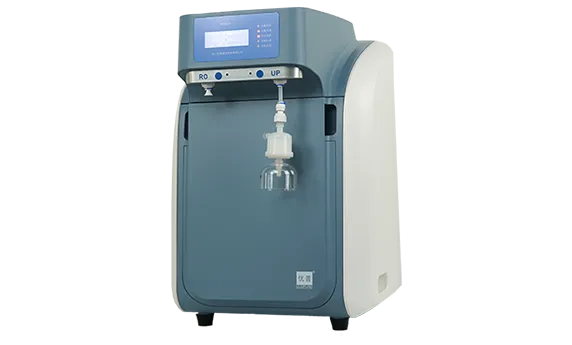
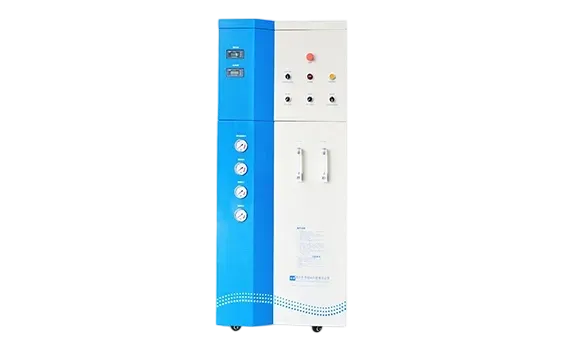
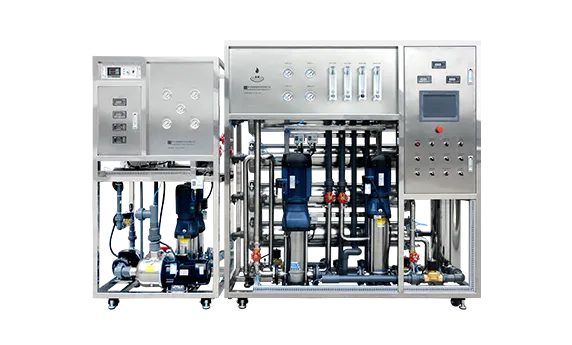
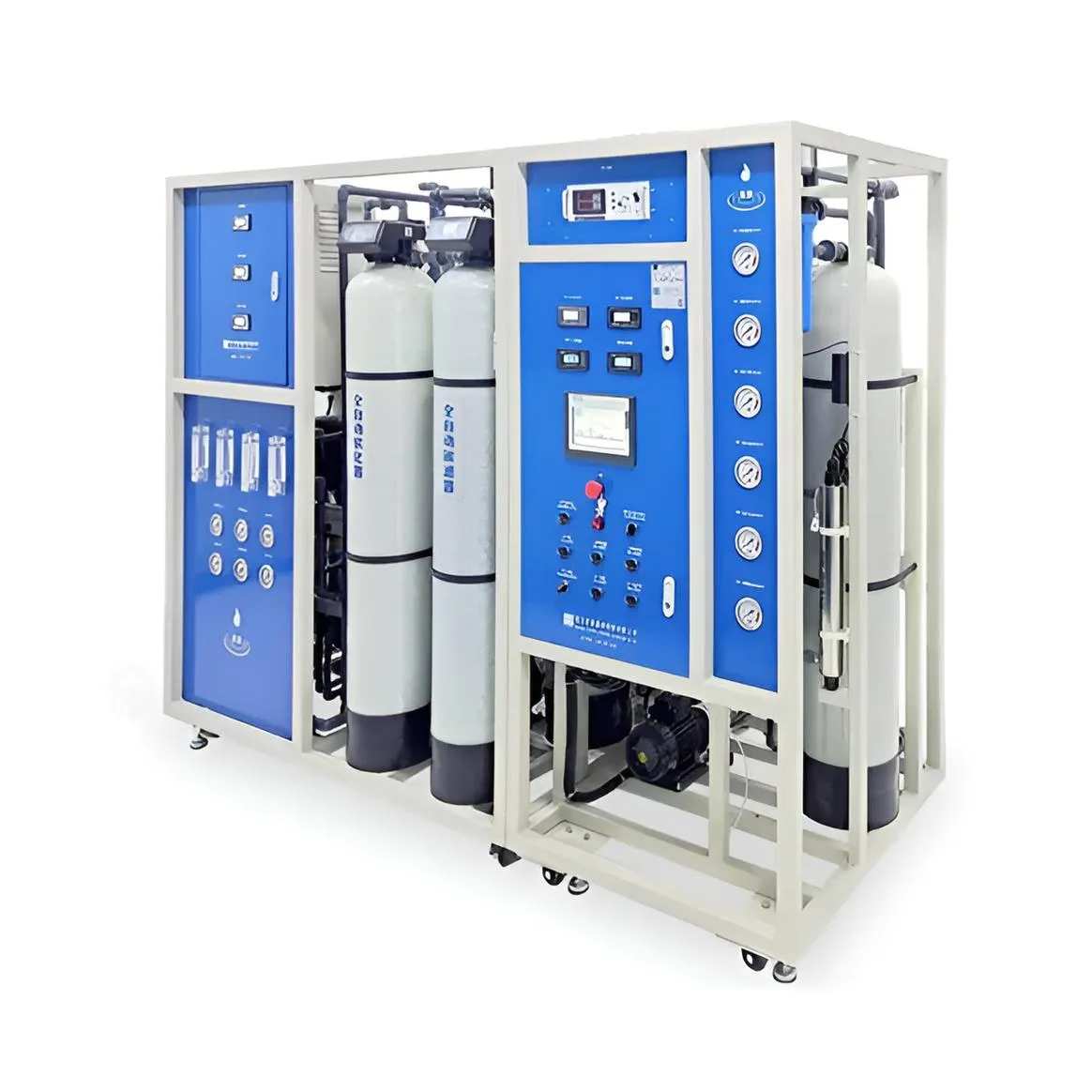
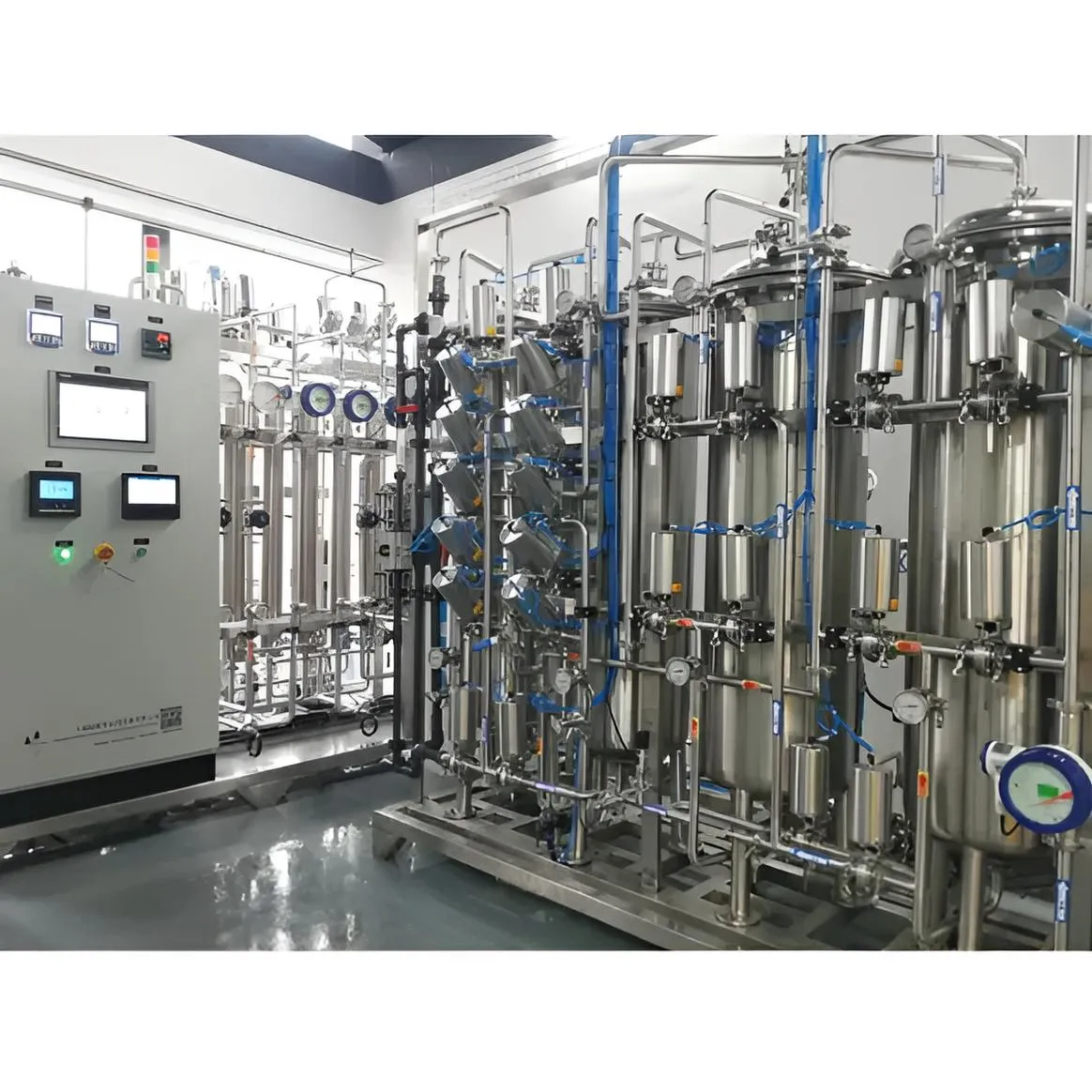
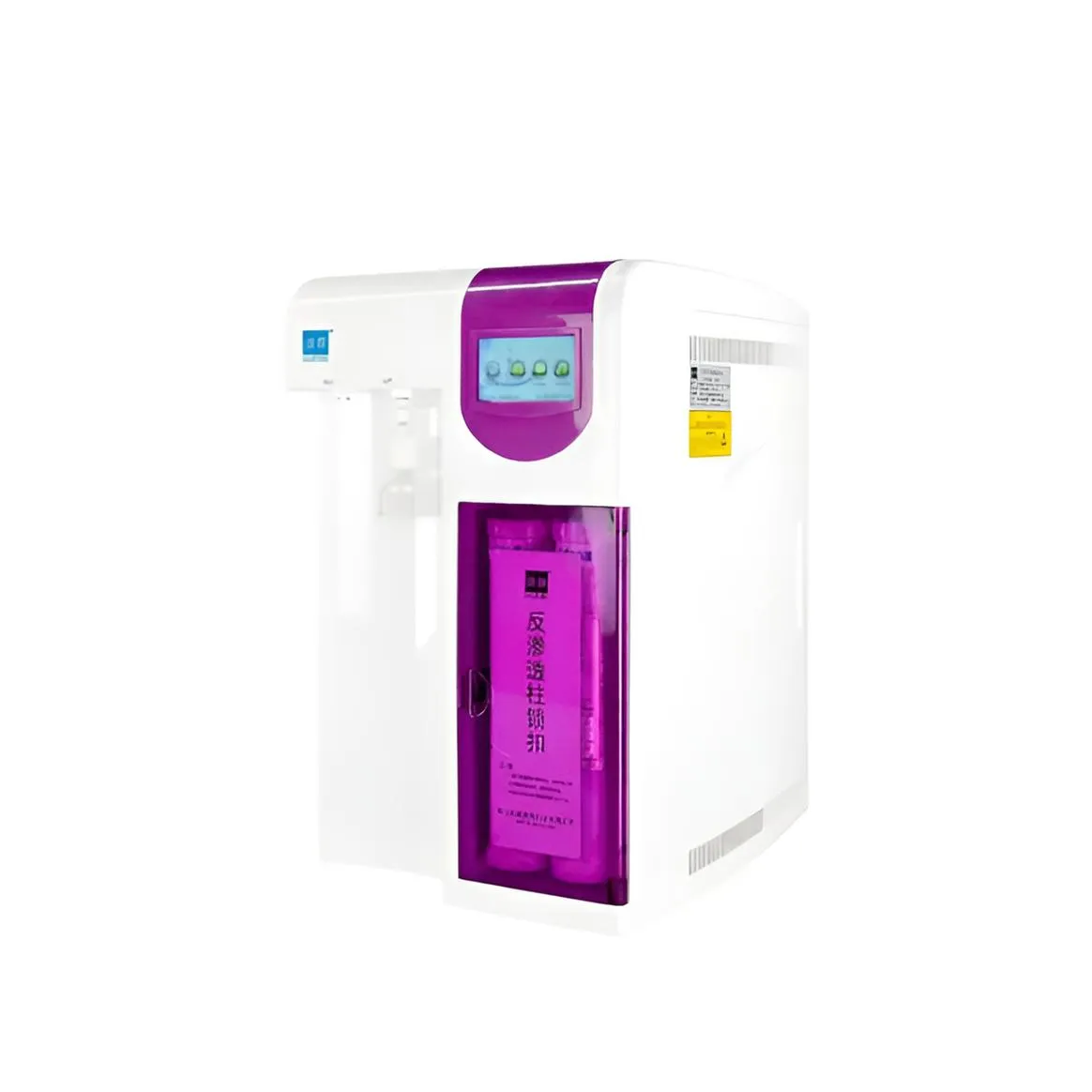
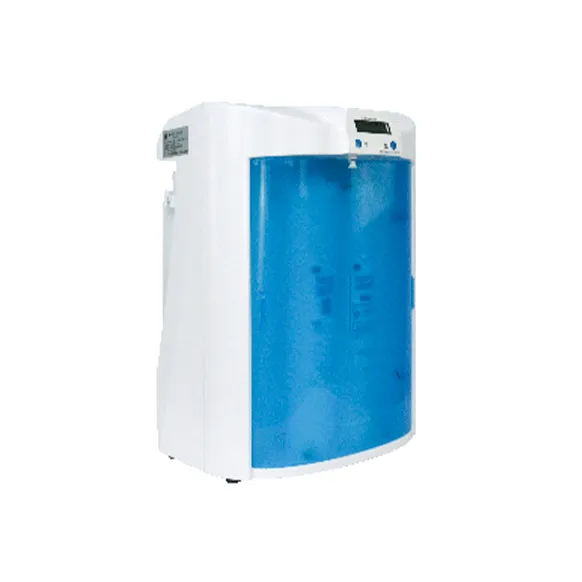
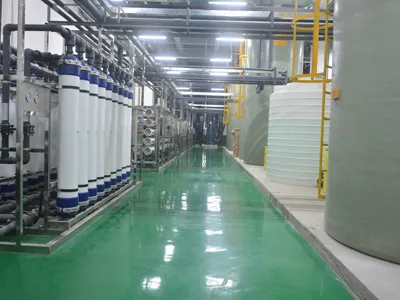
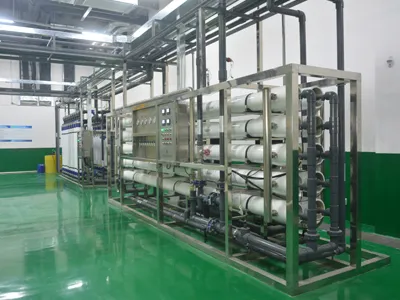
In the analysis of trace toxic elements, ultrapure water has been upgraded from an "auxiliary reagent" to a "critical quality control point." The UPP purification system, through multi-stage purification, provides a reliable blank baseline for ICP-MS, ensuring that environmental laboratories obtain accurate, comparable, and traceable data.