Phone:
0086 28 87573647
+86 19150187139
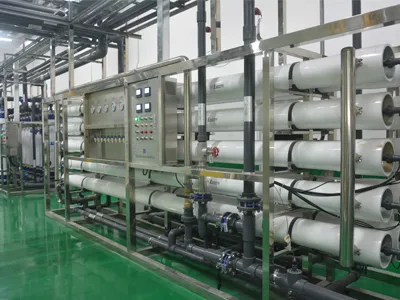
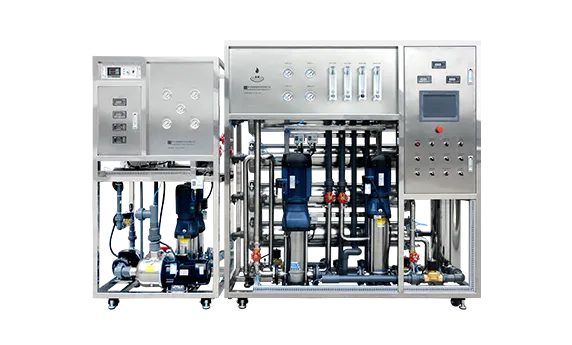
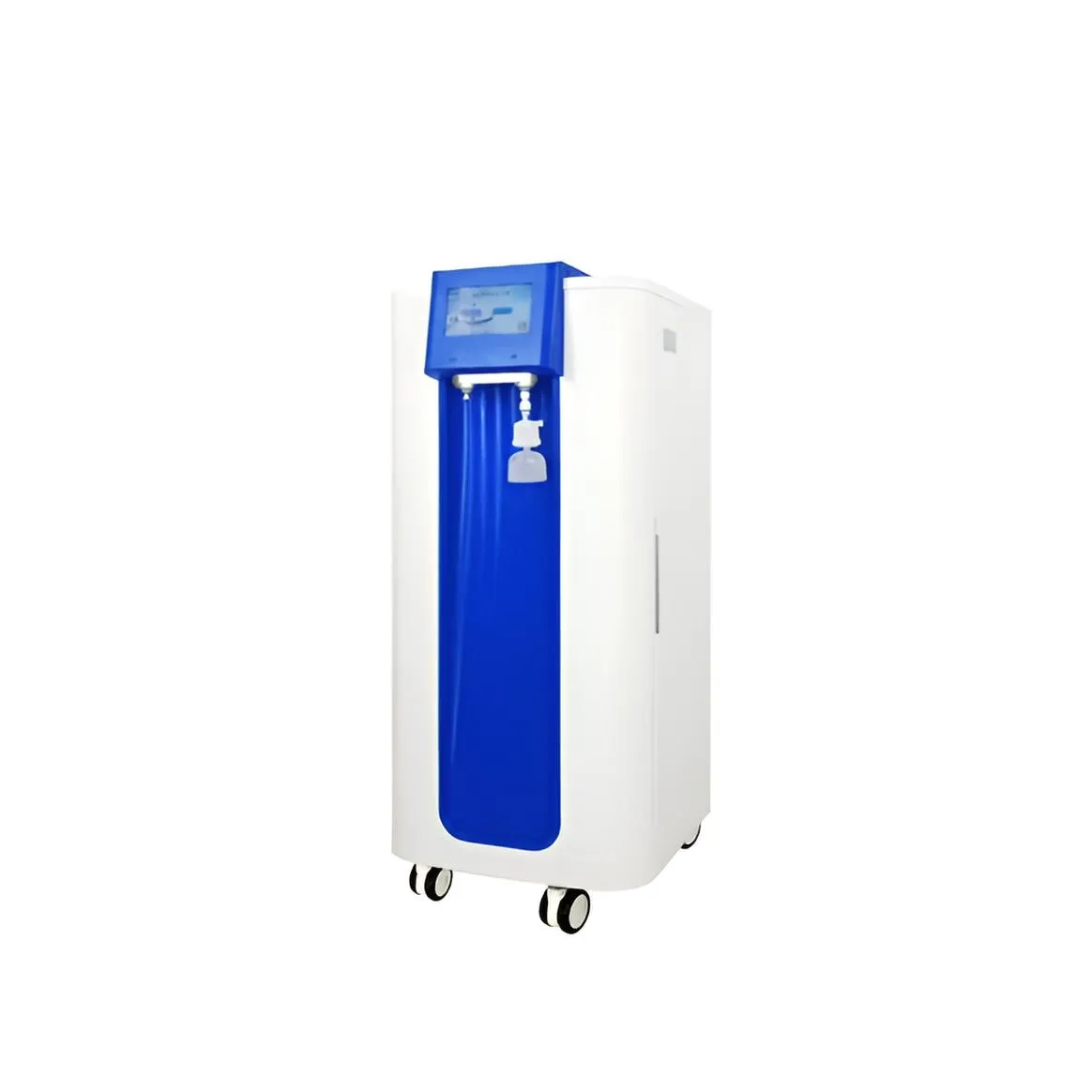
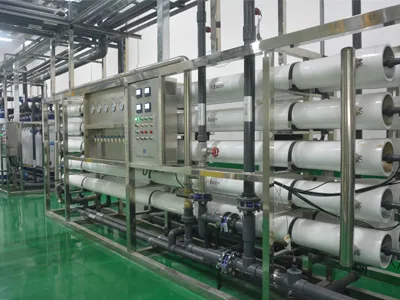
GMP requirements are gradually becoming the industry standard for pharmaceuticals, and purified water equipment, as a water treatment component, is also facing challenges. Tianjin's first company to obtain the new version of the Good Manufacturing Practice (GMP) for pharmaceuticals was Tanabe Pharmaceutical Co., Ltd. We learned from the Food and Drug Administration that with the passing of the new GMP certification by these two companies, the entire process of enterprise certification in Tianjin, including application, inspection, and public announcement of certification approval, will be fully launched. In the future, existing pharmaceutical manufacturers in Tianjin producing sterile drugs such as blood products, vaccines, and injectables must meet the new GMP requirements by December 31, 2013, while the production of other types of drugs must meet the new GMP requirements by December 31, 2015. In the entire pharmaceutical production process, purified water is generally used specifically for vaccines, injectable solutions, and cleaning, requiring specialized purified water equipment for water production.
The environmental protection industry, as an emerging industry, has received high attention from the state, especially in water treatment, which is a driving force for national industrial development. Currently, the domestic water treatment industry has not yet formed a large-scale supporting production system; the product range is wide and the categories are chaotic, especially for purified water equipment used in pharmaceutical production.
It is understood that GMP is the basic principle of pharmaceutical production and quality management, and it is the entry threshold for pharmaceutical production. Previously, my country implemented the 1998 version of the GMP certification standard. To adapt to the international trend of pharmaceutical GMP development, on March 1st of this year, my country implemented the 2010 version of GMP, referring to international standards from Europe and the United States. Liu Chunshu, Director of the Drug Safety Supervision Department of the Tianjin Food and Drug Administration, stated that the newly revised GMP has updates in the sterile drug section, personnel qualifications and requirements, quality standard control of production processes, and pharmaceutical industrial validation technology.
Firstly, the basic purification settings of non-sterile preparation plants are the most significantly modified part of the new GMP compared to the 1998 version, requiring that the factory's environmental control be basically consistent with international requirements. Secondly, regarding quality standard control in production processes, the new GMP requires that new products with inherent quality risks during the design phase cannot be approved or put into production. Thirdly, the new regulations clearly and detailedly define the functions and responsibilities of practitioners in the general rules, and also specify corresponding professional qualifications. Finally, the new regulations are fully consistent with international standards regarding aseptic validation requirements. These four changes will fundamentally alter the high-risk situation faced by sterile drug production in my country, improve public drug safety from the source, and promote the restructuring and upgrading of the pharmaceutical economy.
According to the regulations of the State Food and Drug Administration, existing pharmaceutical manufacturers will be given a transition period of no more than five years, and will be required to meet the requirements of the new GMP in stages, according to the risk level of their products.
Tianjin's implementation of the 2010 version of GMP for pharmaceuticals has four deadlines: Newly established pharmaceutical manufacturing enterprises and those constructing (renovating, expanding) new workshops must implement the new GMP from March 1st of this year; existing pharmaceutical manufacturing enterprises producing sterile drugs such as blood products, vaccines, and injectables must meet the new GMP requirements by December 31, 2013; the production of other categories of drugs must meet the new GMP requirements by December 31, 2015; all pharmaceutical manufacturing enterprises must complete the construction and improvement of their quality management system and related software management by December 31, 2013. Enterprises whose existing GMP certificates expire within the above-mentioned timeframes can apply for certificate renewal or apply for new GMP certification.
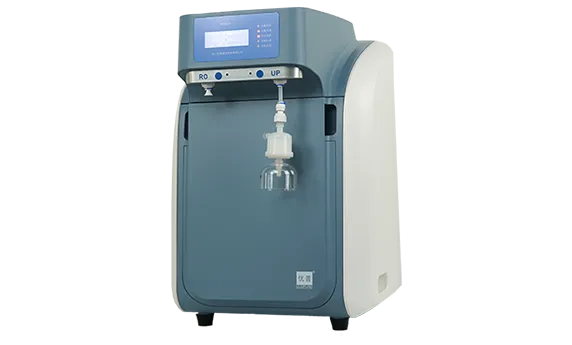
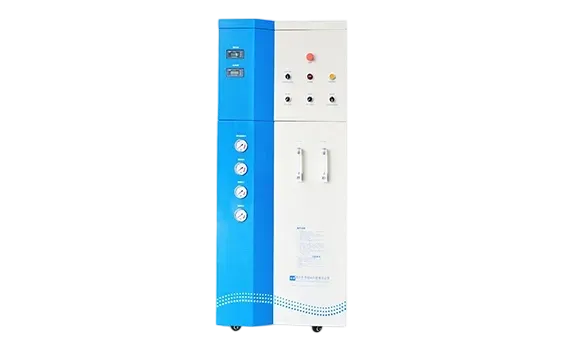
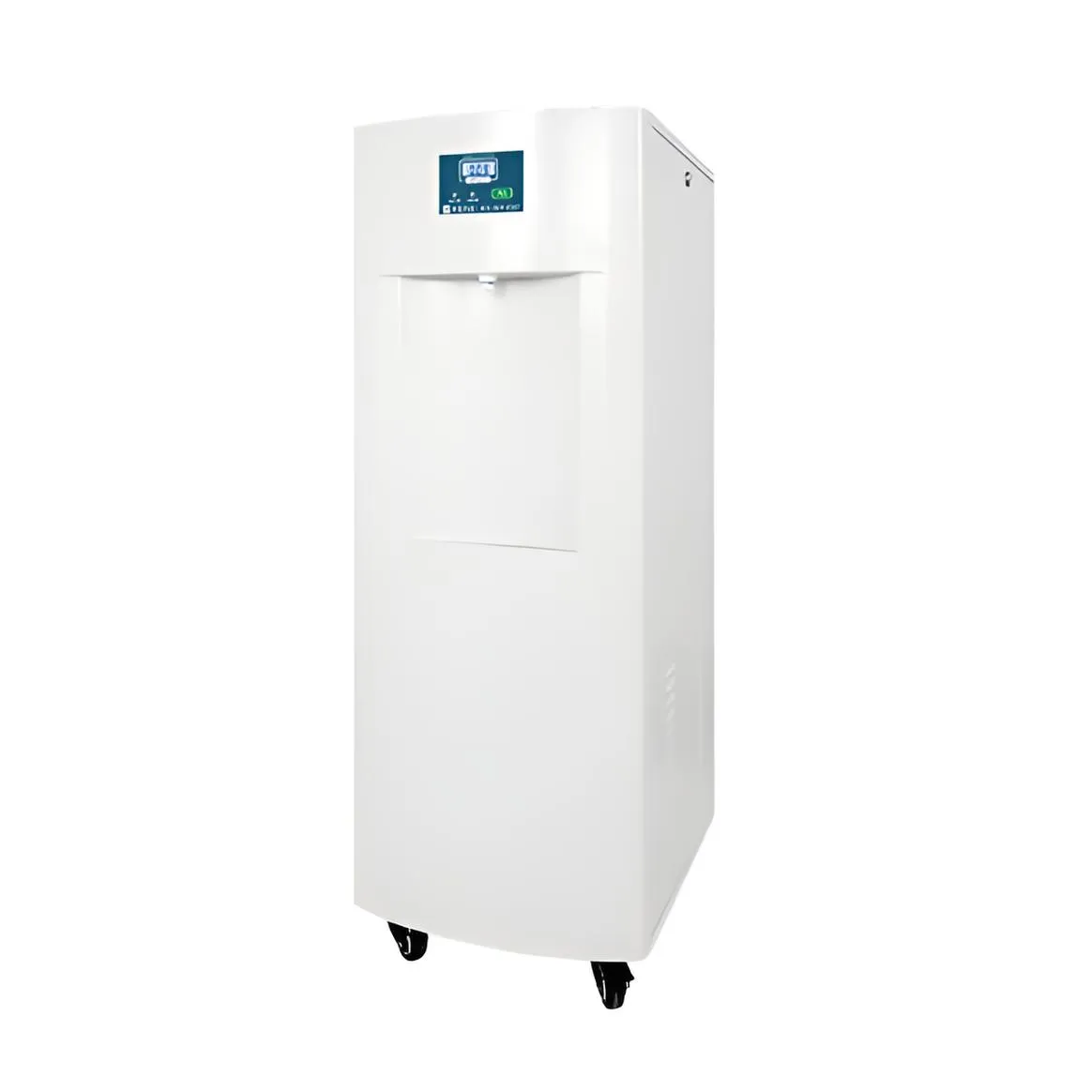
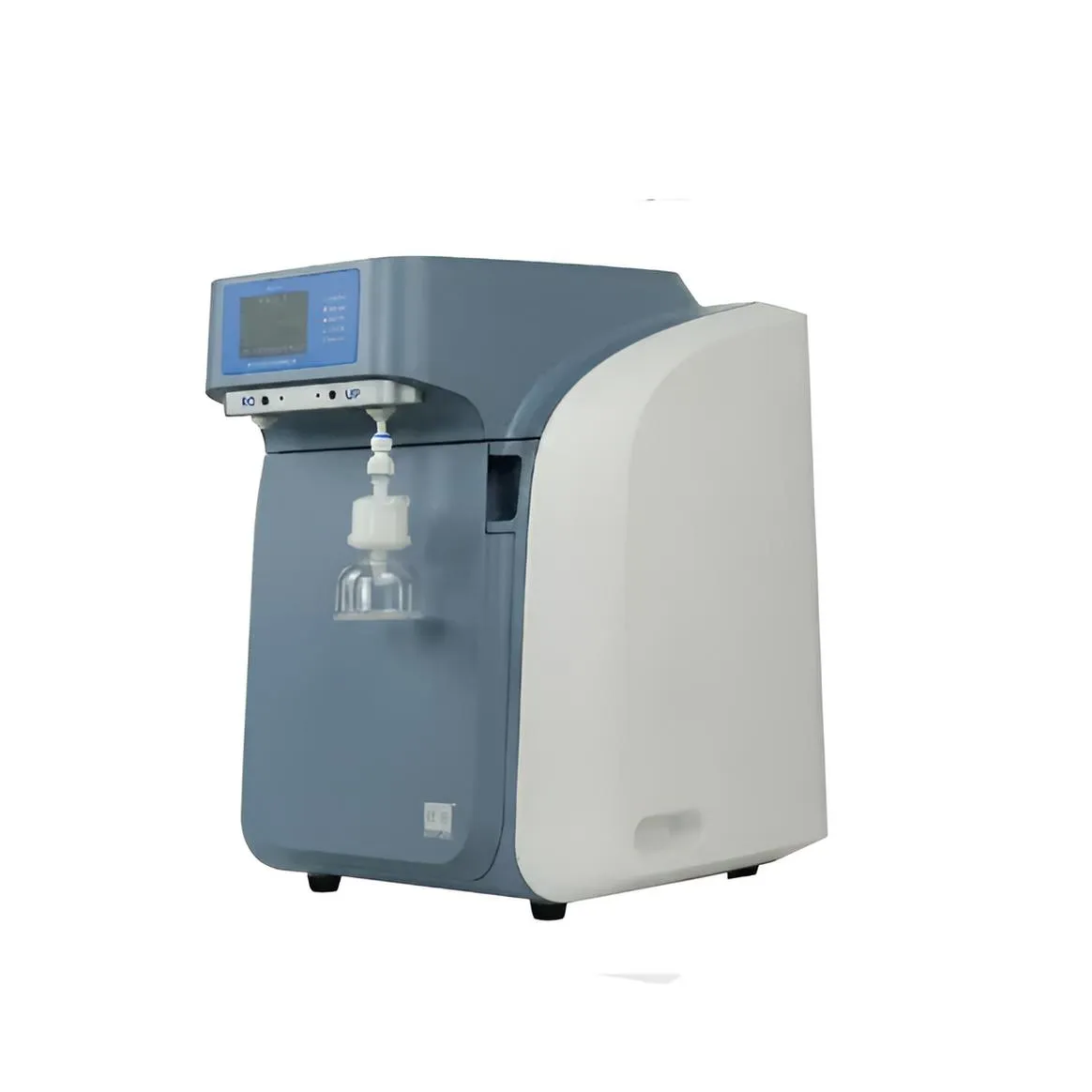
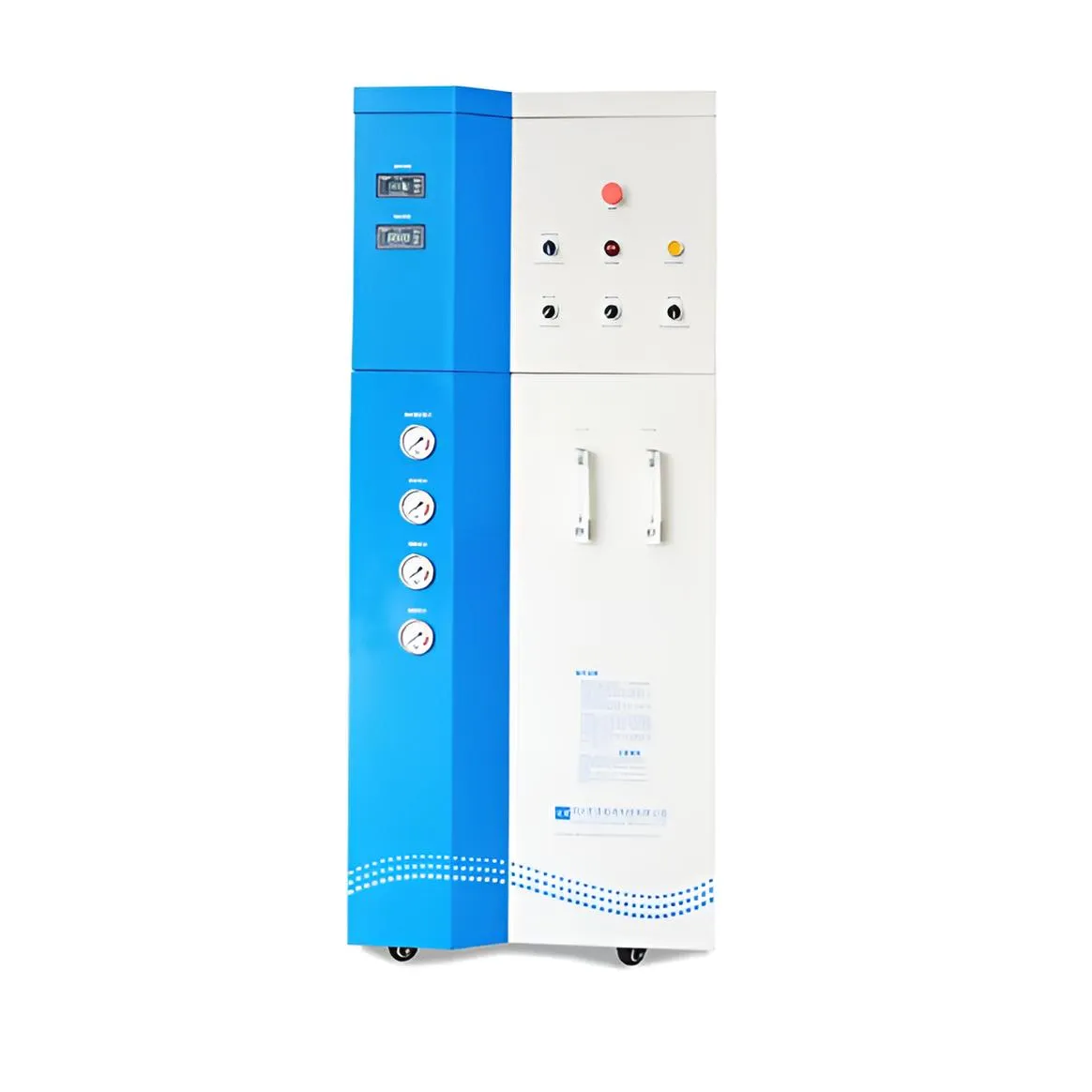
Purified water, as the most basic component of pharmaceutical production, will play a larger role in GMP standards. This necessitates more specialized purified water equipment manufacturers to produce products with high GMP pass rates. Currently, the professional production and processing of purified water equipment is largely nonexistent in the water treatment industry. Most purified water equipment manufacturers operate on a small scale, lacking standardized guarantees in terms of output and quality. In response to this situation, China's first standardized pure water equipment manufacturer has specifically designed and produced equipment for the special applications of purified water, promoting the development of GMP in the domestic pharmaceutical industry.