






Phone:
0086 28 87573647
+86 19150187139

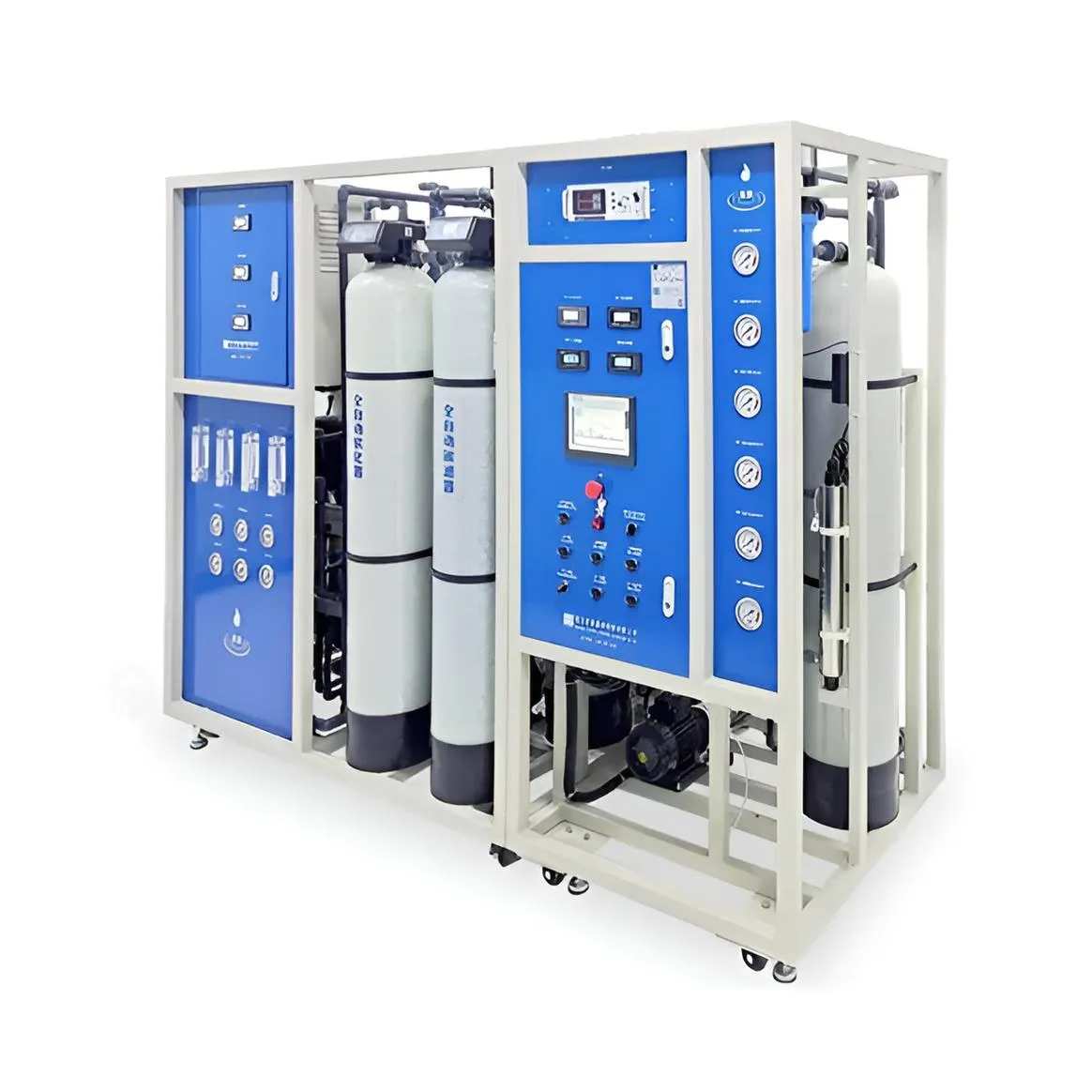
Key Takeaways: The use of pure water treatment equipment in the water treatment industry is closely related to our daily water consumption.
The operation and performance quality of this equipment have effectively improved the technological competition within the water treatment industry, and promoted the widespread adoption and operation of reverse osmosis membrane treatment technology.
During normal use, reverse osmosis membranes in pure water treatment technology can become contaminated by inorganic scale, colloids, microorganisms, metal oxides, and other substances. These substances adhere to and gradually deposit on the membrane surface. Once they accumulate to a certain level, they can cause a decrease in the output or desalination rate of the reverse osmosis unit, an increase in pressure differential, and even irreversible damage to the reverse osmosis membrane. Therefore, chemical cleaning of the reverse osmosis membrane is necessary to restore good permeability and desalination performance.
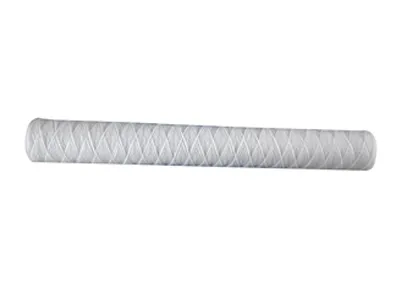
In daily operation of pure water equipment, it is important to regularly inspect and promptly replace the precision filter cartridges to prevent particulate fouling of the reverse osmosis membrane caused by leaks due to installation or quality issues. Simultaneously, the precision filter should be checked regularly for air to prevent it from being introduced into the reverse osmosis membrane. For precision filters that are in standby or have been out of service for extended periods, formaldehyde protection should be used to prevent the proliferation of bacteria. Pure water equipment filters should also be backwashed periodically. During backwashing, friction is generated between the filtered and compressed air. The equipment can only be put into use after the backwash effluent meets the required standards; air should not be introduced into the reverse osmosis membrane. The operating time of mechanical filters should be extended as much as possible. This reduces the impact of filter switching on the effluent quality and saves a significant amount of backwash water.
Currently, reverse osmosis membrane element water treatment technology has largely solved our ordinary drinking water standards. High-performance reverse osmosis membrane element materials can significantly reduce the cost of membrane-based water treatment, meet the drinking water requirements of some areas, and improve tap water quality to meet ordinary drinking water standards.





