








Phone:
0086 28 87573647
+86 19150187139

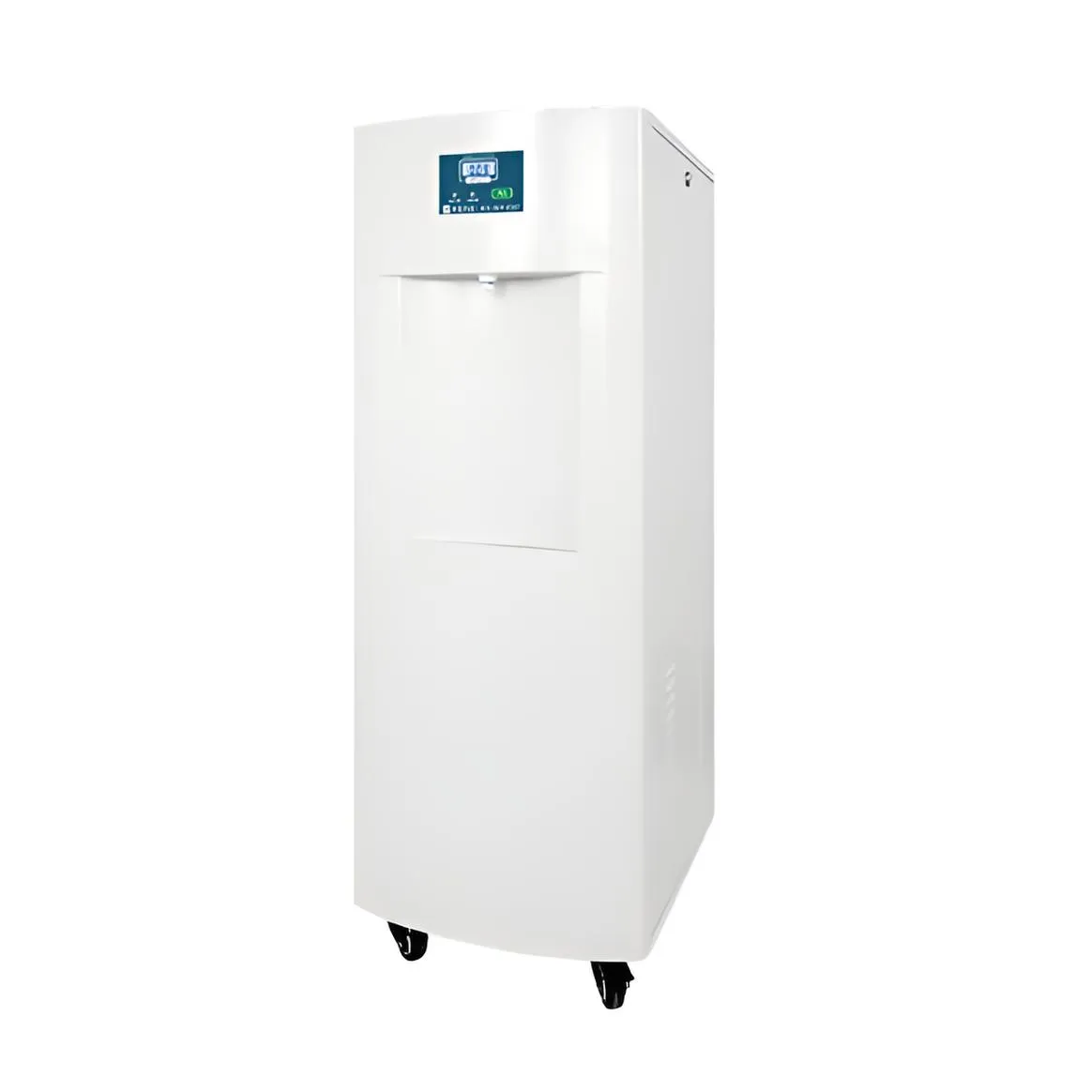
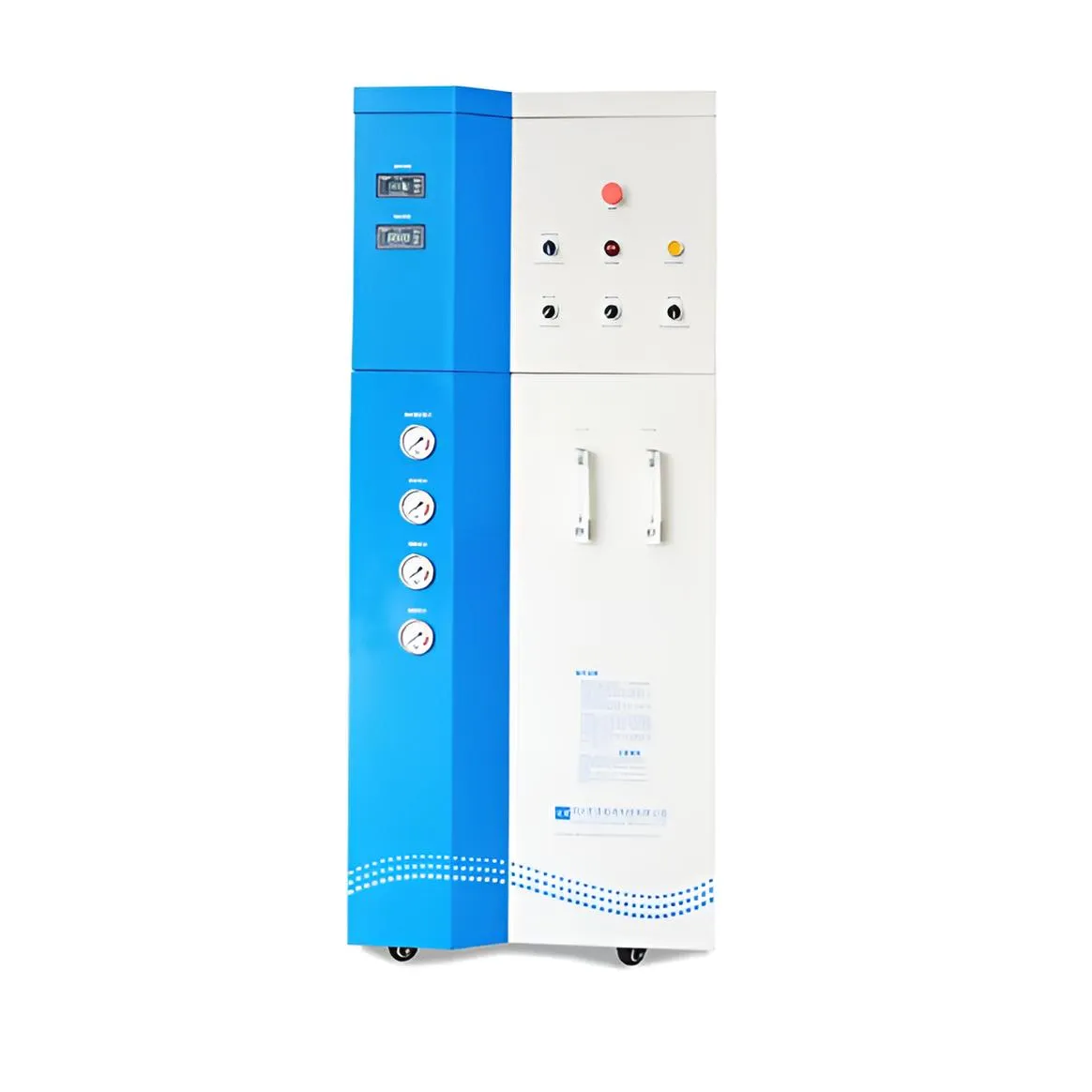
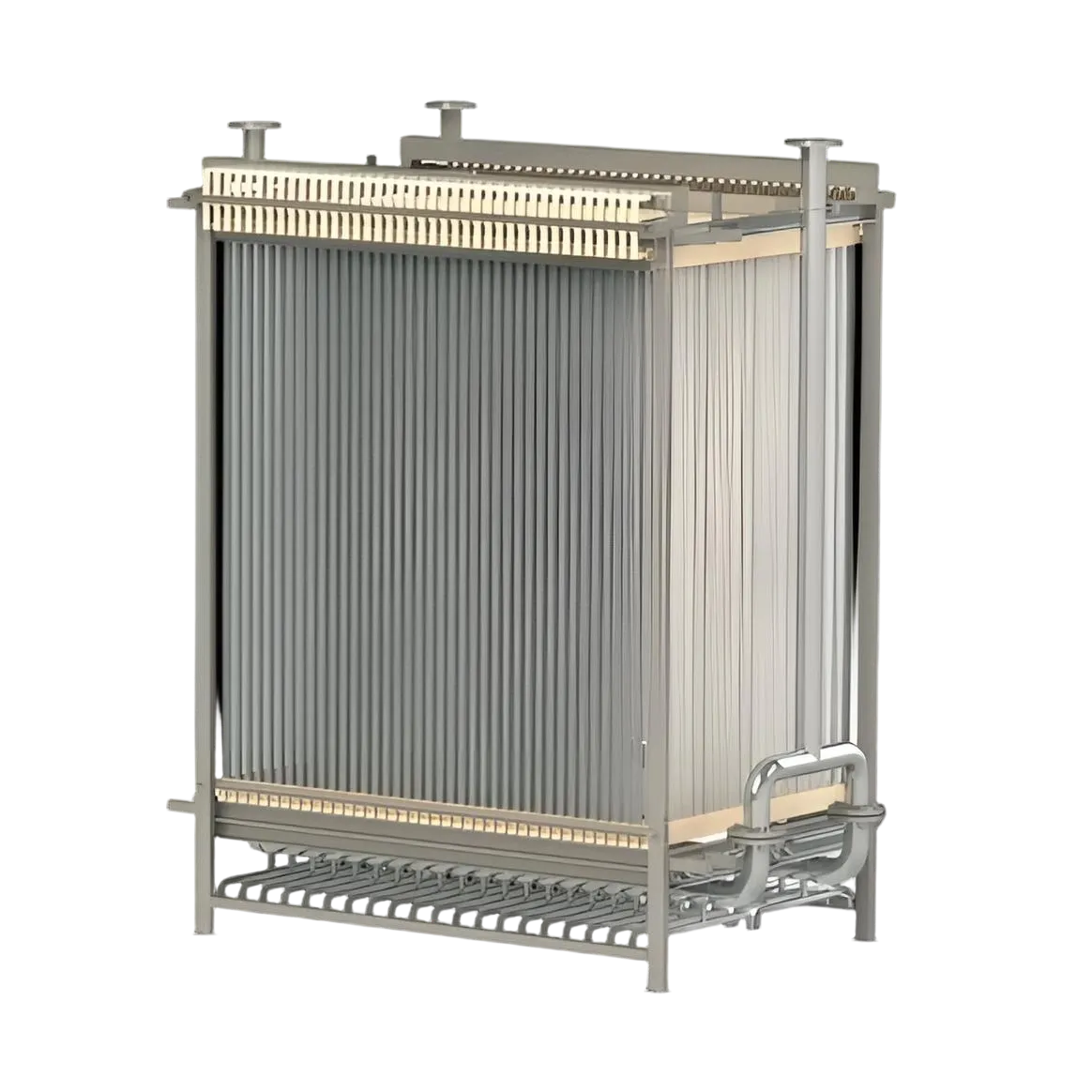
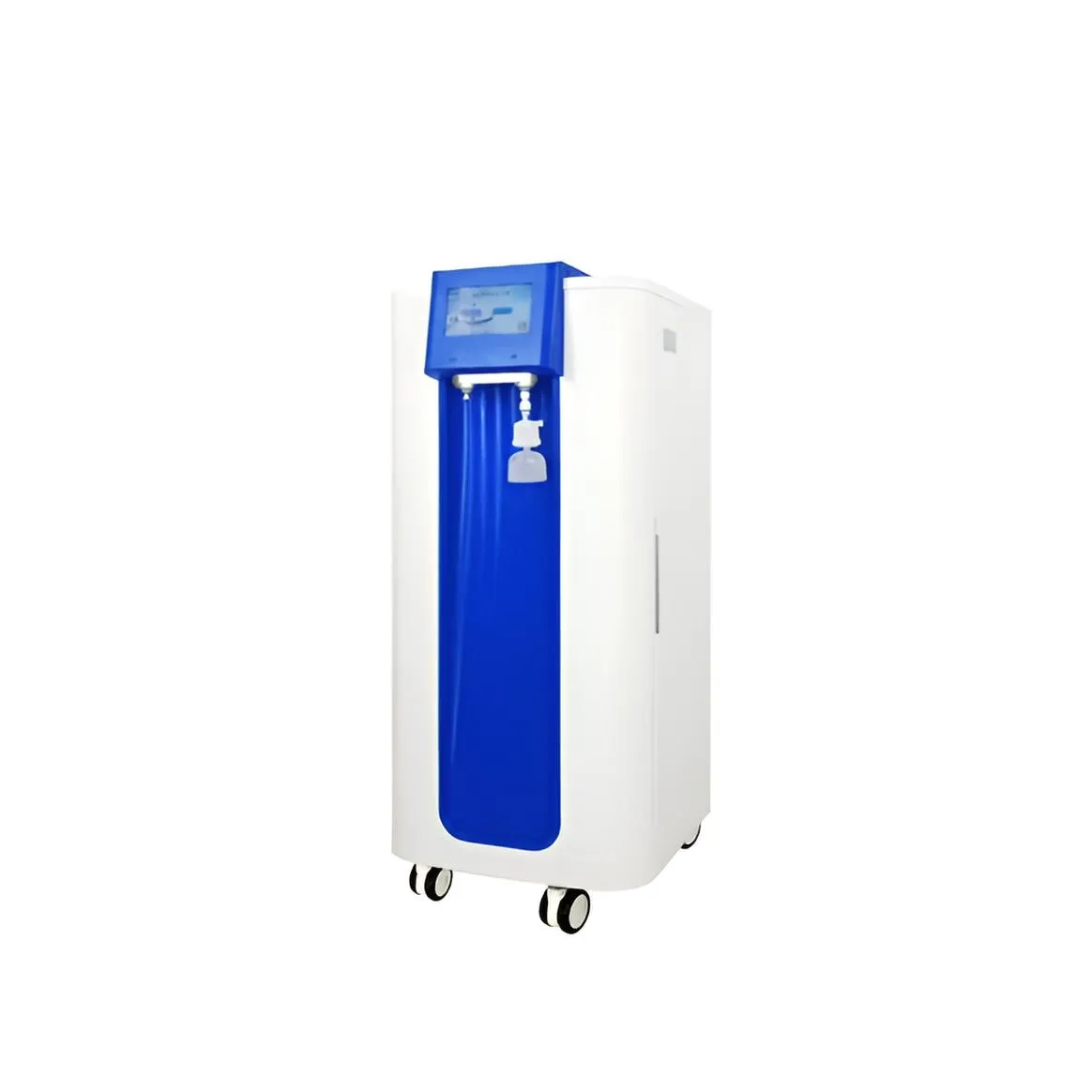
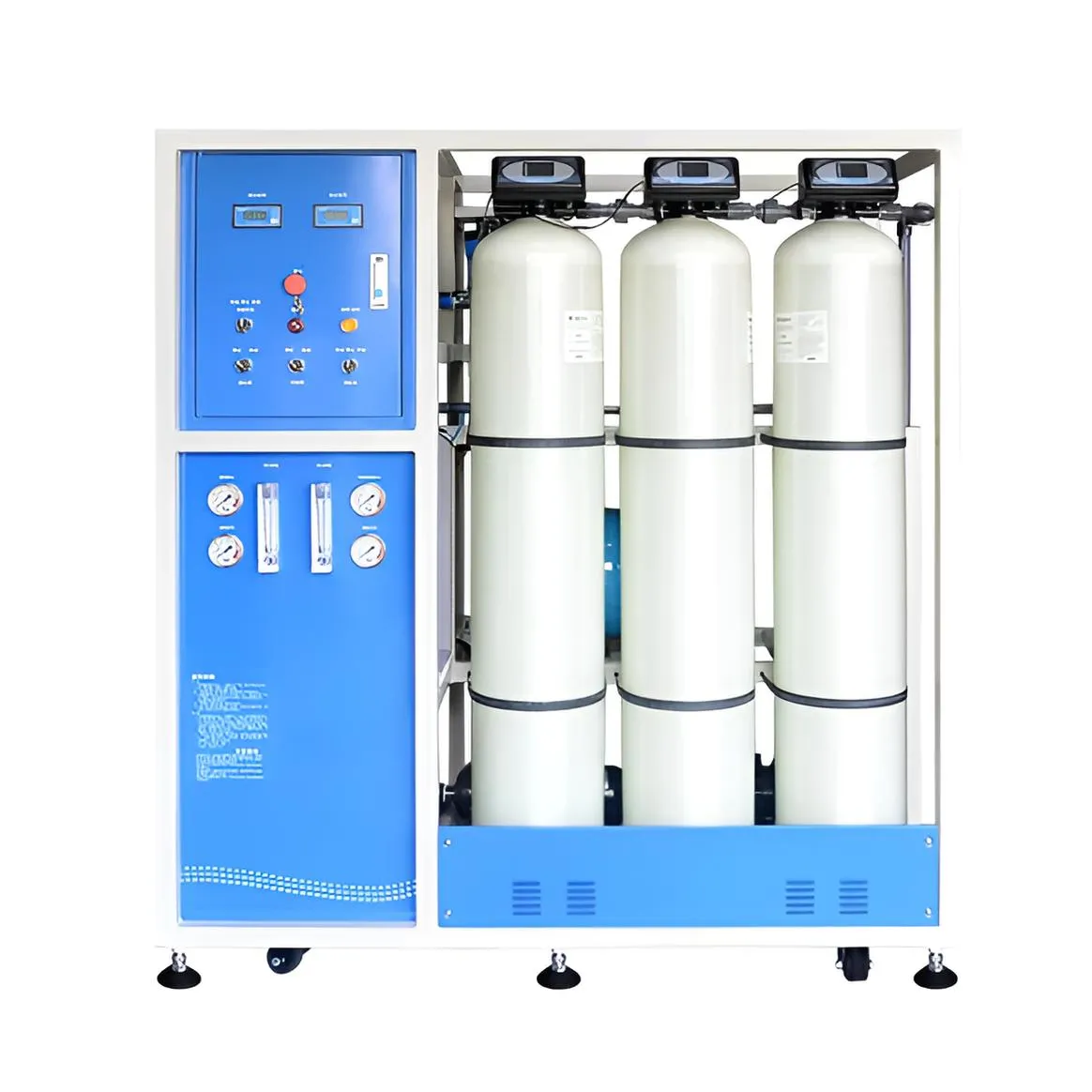
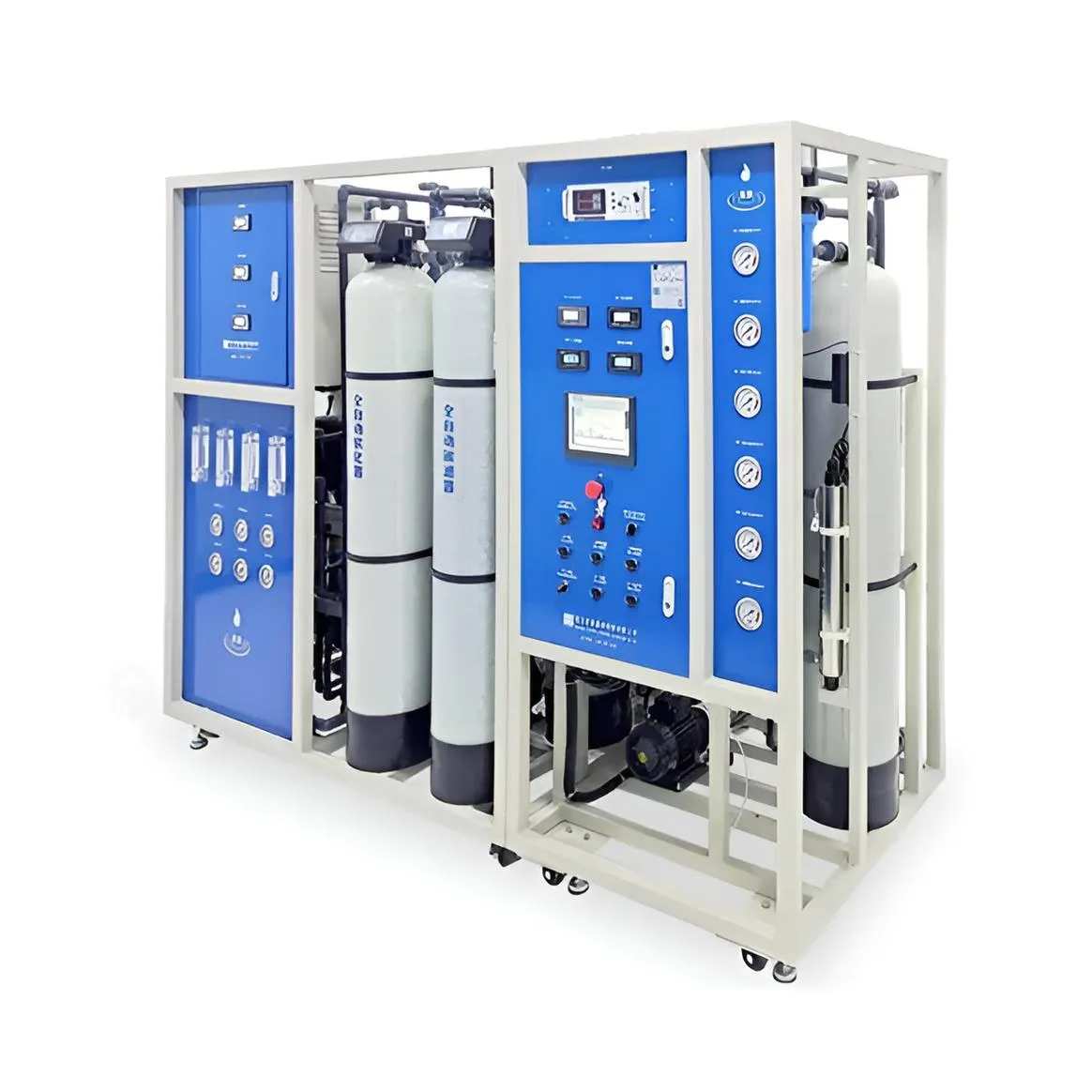
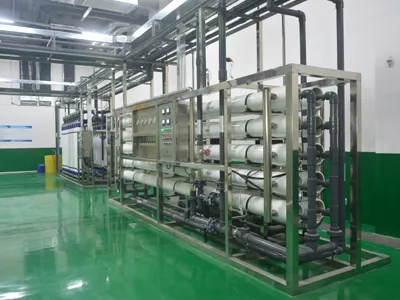
Generally, when choosing an ultrapure water system, users first ensure the quality of the produced water, and then determine the production capacity. Besides water quality, production capacity is also crucial, as it affects model selection. Choosing too large a capacity is wasteful, while too small a capacity won't meet production needs. So, what mistakes might occur when selecting an ultrapure water system model?
Before purchasing, users usually obtain the product's technical parameters from the manufacturer and then compare and analyze them to determine the model they need. However, some users may make incorrect selections due to a lack of understanding of water quality and production capacity.
1. Produced Water Quality: It's essential to determine the equipment's intended use and the required output water quality before purchasing. If the water quality is substandard, the equipment is essentially a waste of money.
2. Production Capacity: If the user's demand is not high enough, producing too much water can easily lead to bacterial growth.
3. Conversely, the production capacity may not meet the user's needs.
4. Laboratory water demand increases, and the ultrapure water system can no longer meet the user's needs.
5. Operational differences compared to other models of pure water equipment can lead to suboptimal processes.
The above are some common mistakes to make when choosing an ultrapure water system. When selecting equipment, it's also important to consider whether it has an automatic cleaning function and whether the water consumption can basically meet the ultrapure water system's requirements. Such an ultrapure water system will not experience water quality issues or fail to meet requirements due to minor problems, thus affecting normal production.





