


Phone:
0086 28 87573647
+86 19150187139

Electrodialysis is a membrane separation process that uses a potential difference as the driving force and the selective permeability of ion exchange membranes to remove or enrich electrolytes from a solution. Electrodialysis involves the transfer of electrolyte ions between two liquid streams. One stream loses the electrolyte, becoming a desalinated solution; the other stream receives the electrolyte, becoming a concentrated solution. Seawater undergoes electrodialysis to produce desalinated water and concentrated brine.
The function of electrodialysis primarily depends on the ion exchange membrane. The membrane uses a polymer matrix with ionizable active groups attached. Anion exchange membranes, also known as anion membranes, have ammonium groups as their active groups, and the ionized fixed ion groups carry a positive charge. Cation exchange membranes, also known as cation membranes, typically have sulfonic acid groups as their active groups, and the ionized fixed ion groups carry a negative charge. The selective permeability of ion exchange membranes is due to the attraction of oppositely charged ions from the external solution by the fixed ion groups on the membrane, allowing them to pass through the membrane under the influence of potential difference or simultaneously concentration difference, while repelling ions of the same charge, preventing them from entering the membrane. Cations easily pass through cation membranes, and anions easily pass through anion membranes. Ion exchange membranes used in electrodialysis require low resistivity, high selectivity, good mechanical strength, and good chemical stability. Ion exchange membranes can also be used as electrode diaphragms in aqueous solution electrolysis, such as using cation exchange membranes in the electrolysis of salt (see Ion-Membrane Electrolysis), which can directly produce high-concentration sodium hydroxide solutions.
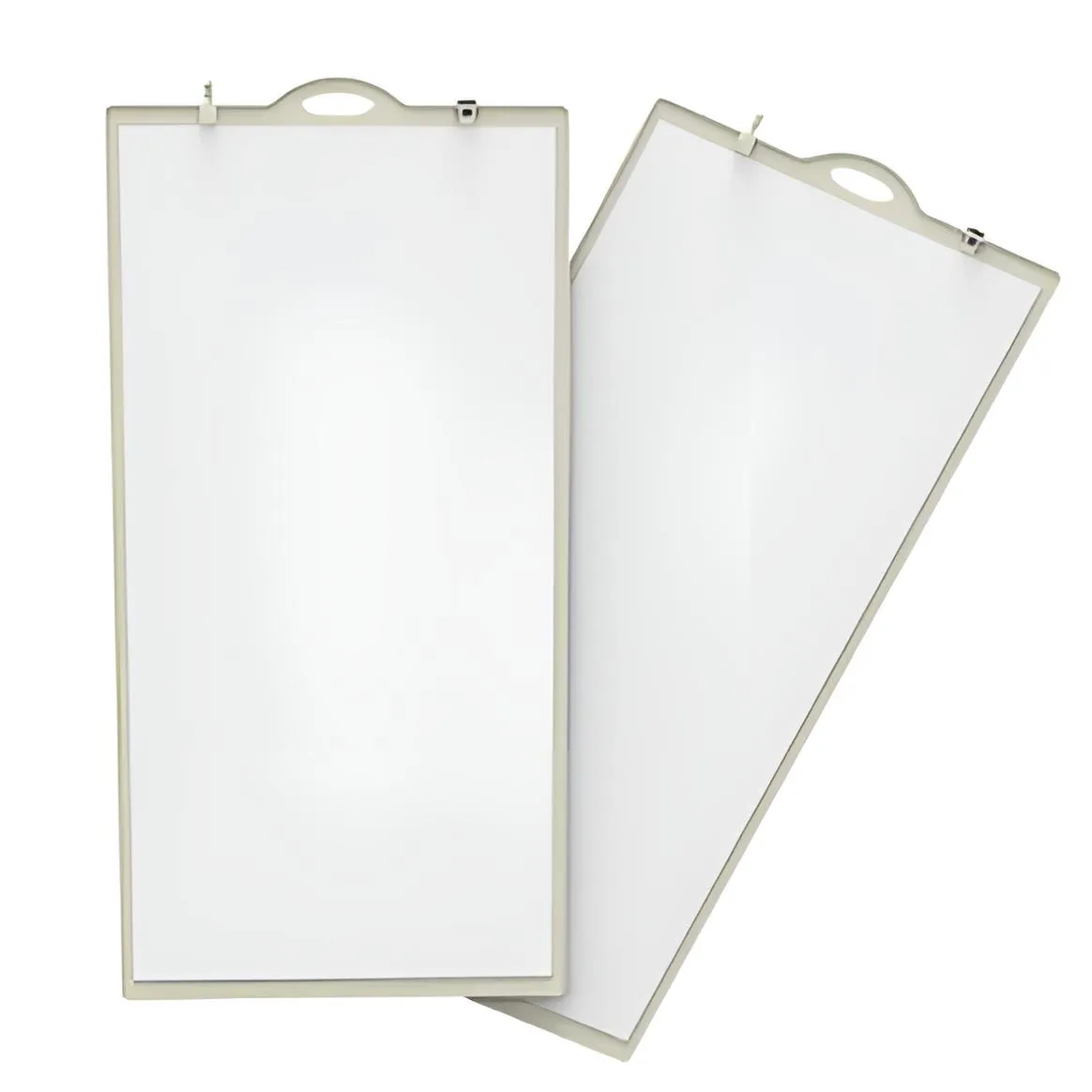
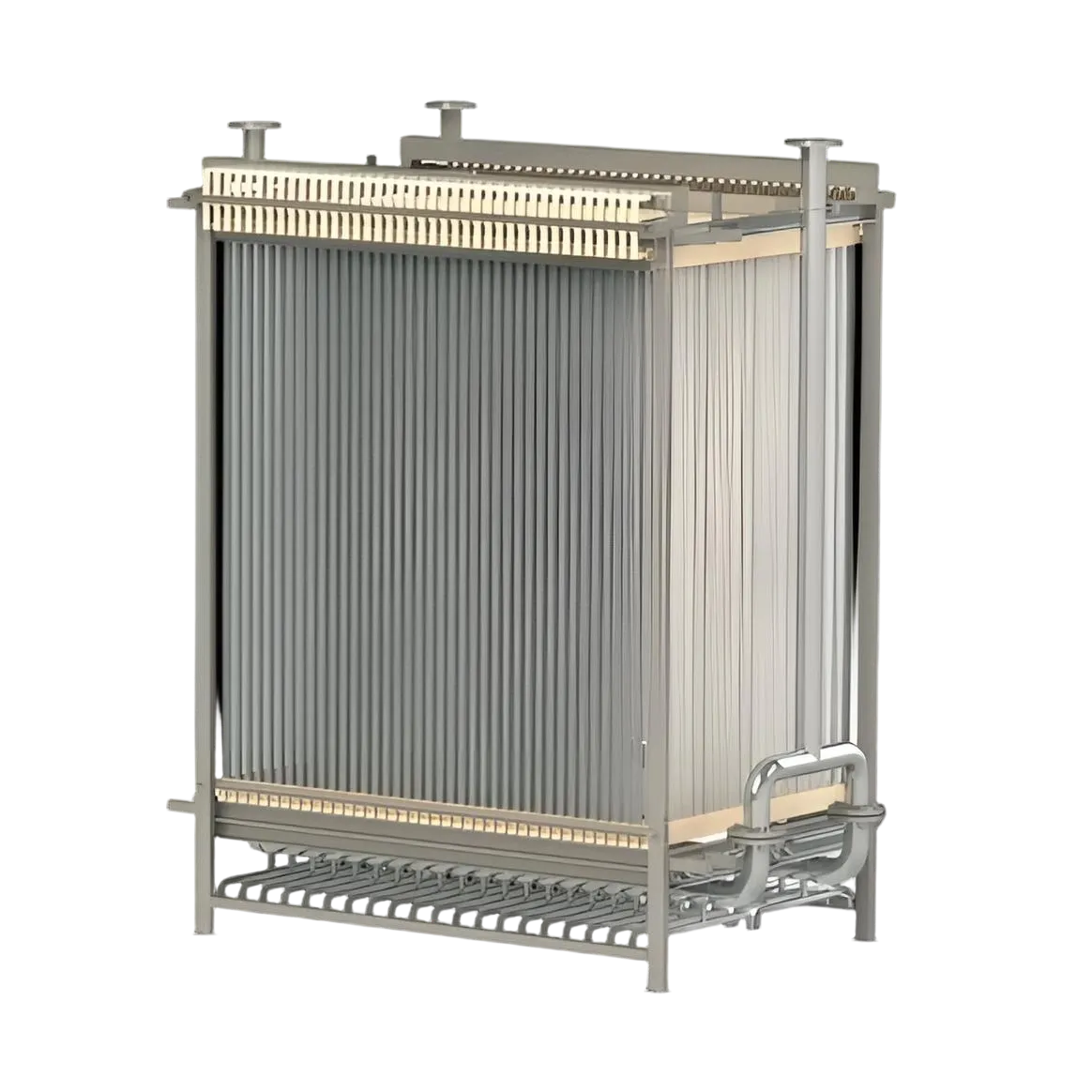
Electrodialysis Unit: A device for electrodialysis, consisting of ion exchange membranes, diaphragms, and electrodes. Sheet-shaped anion and cation exchange membranes are arranged alternately, with diaphragms placed between them, forming a series of alternating desalination and concentration chambers. The diaphragms are only 1–2 mm thick and contain internal mesh to maintain the membrane spacing and agitate the liquid flow. Electrode chambers are located at both ends of the membrane assembly, containing electrodes with electrode water flowing beside them. Materials used to manufacture the electrodes include stainless steel, graphite, and ruthenium-coated titanium.
Separation Principle: Taking sodium chloride aqueous solution as an example (see figure): In a DC electric field, sodium ions migrate towards the cathode, and sodium ions in the desalination chamber pass through the cation exchange membrane into the concentration chamber. However, sodium ions in the concentration chamber are blocked by the anion exchange membrane and remain. Simultaneously, chloride ions migrate towards the anode, and chloride ions in the desalination chamber pass through the anion exchange membrane into the concentration chamber, but chloride ions in the concentration chamber are blocked by the cation exchange membrane and remain. Therefore, desalinated water and brine can be obtained from the desalination chamber and concentration chamber, respectively.
Electrodialysis has a dual function of removing and concentrating ions: the former is used for seawater and brackish water desalination (see brine), natural water purification, industrial wastewater treatment, and desalination of organic aqueous solutions; the latter is used for producing brine from seawater and recovering electrolytes from electroplating wastewater.