

Phone:
0086 28 87573647
+86 19150187139

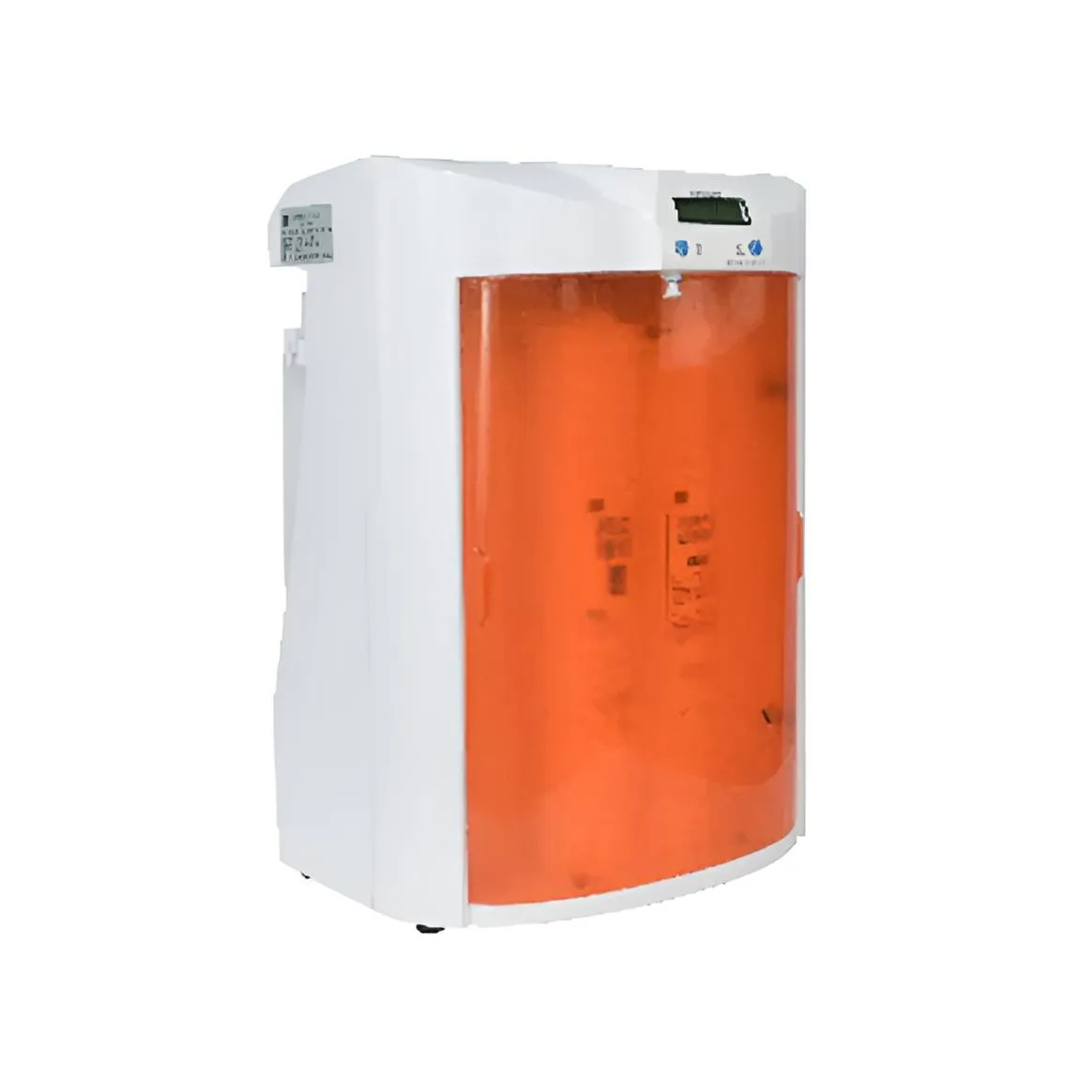
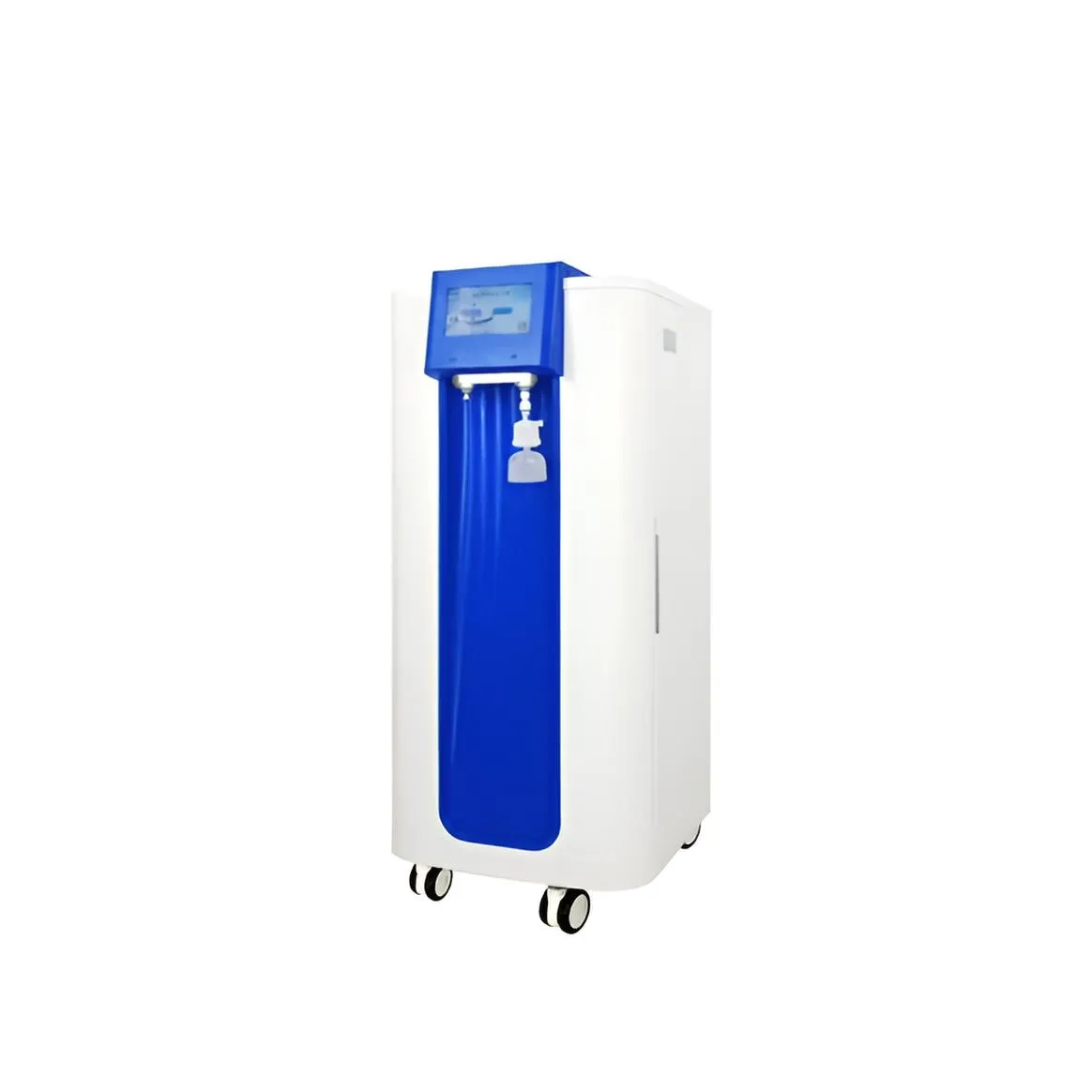
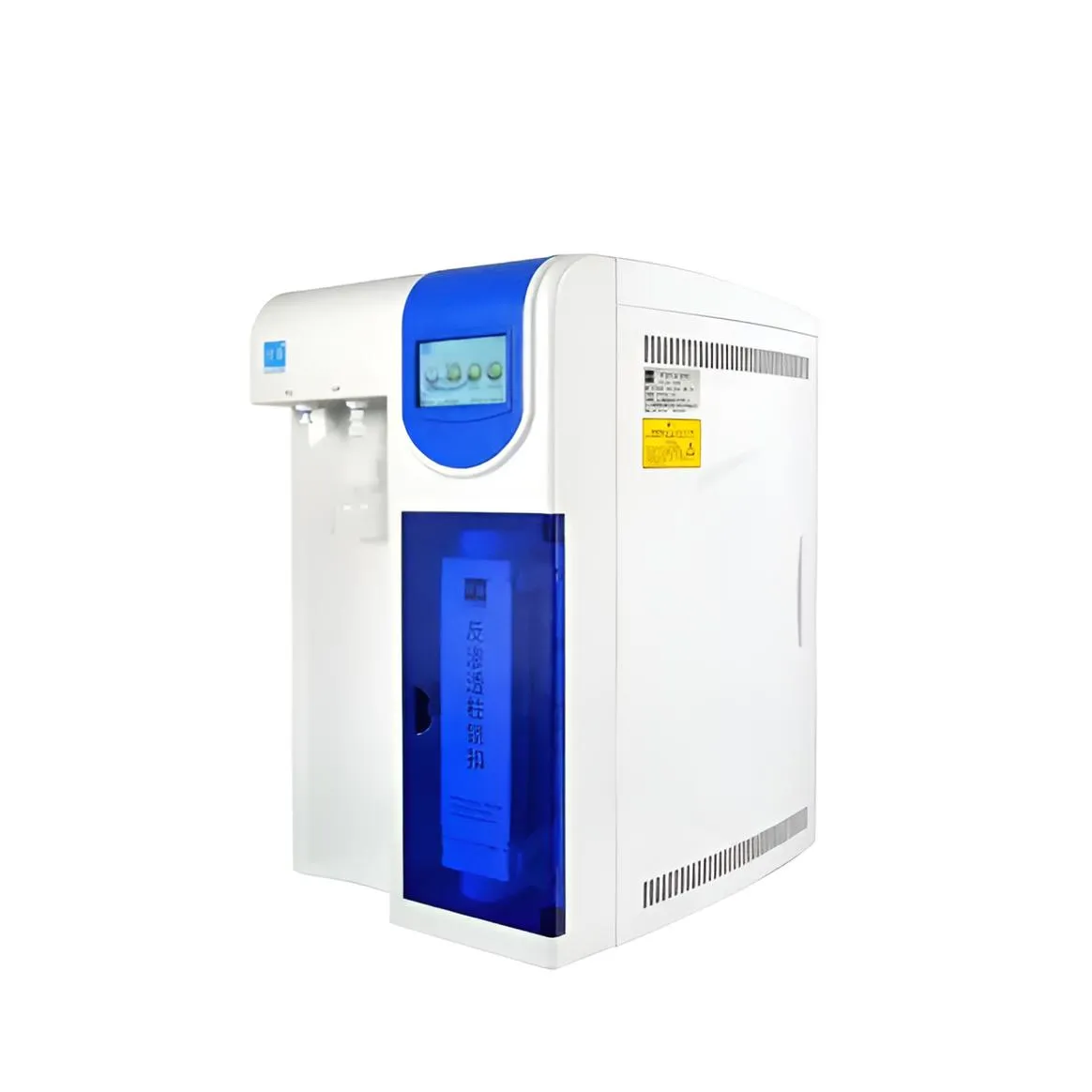
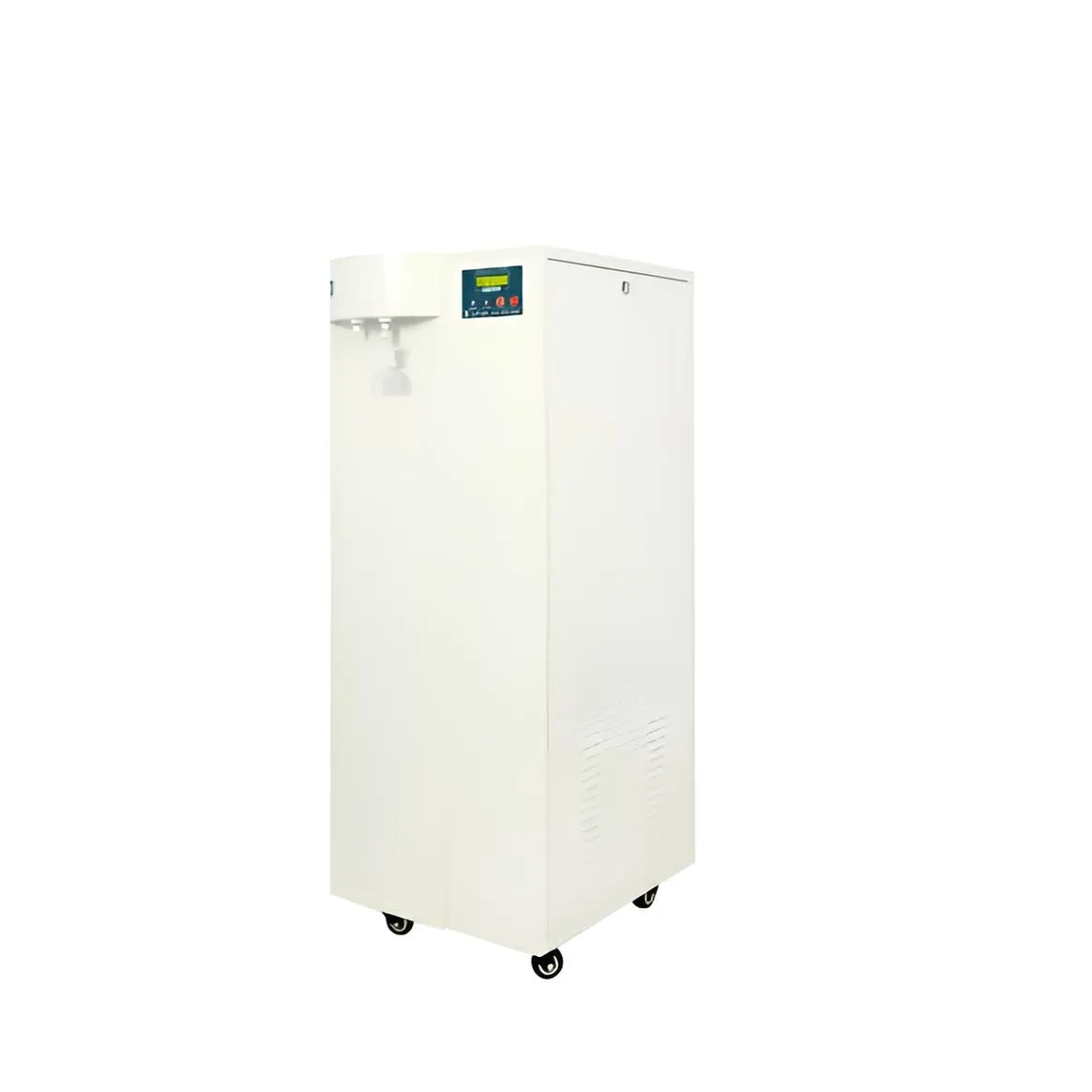
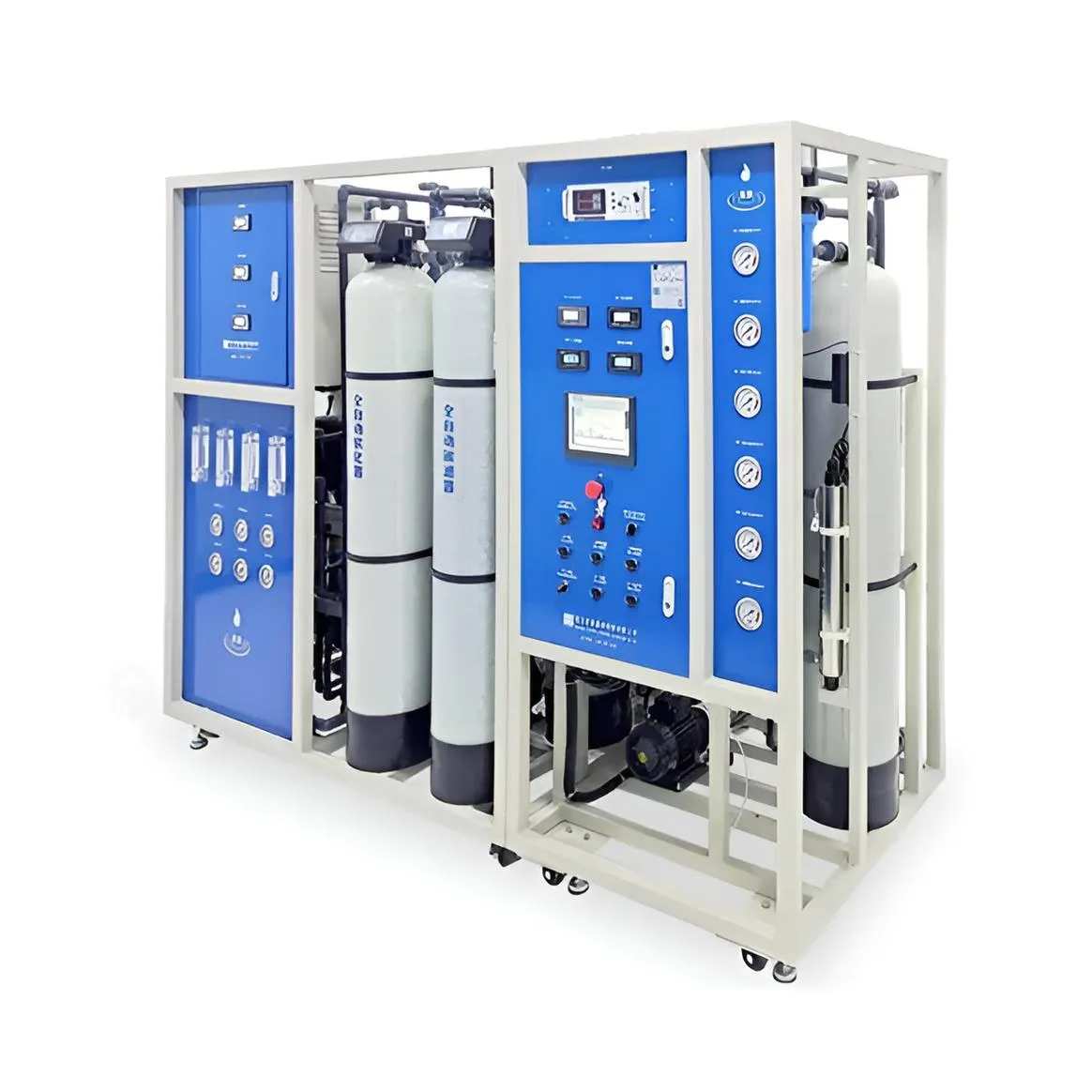
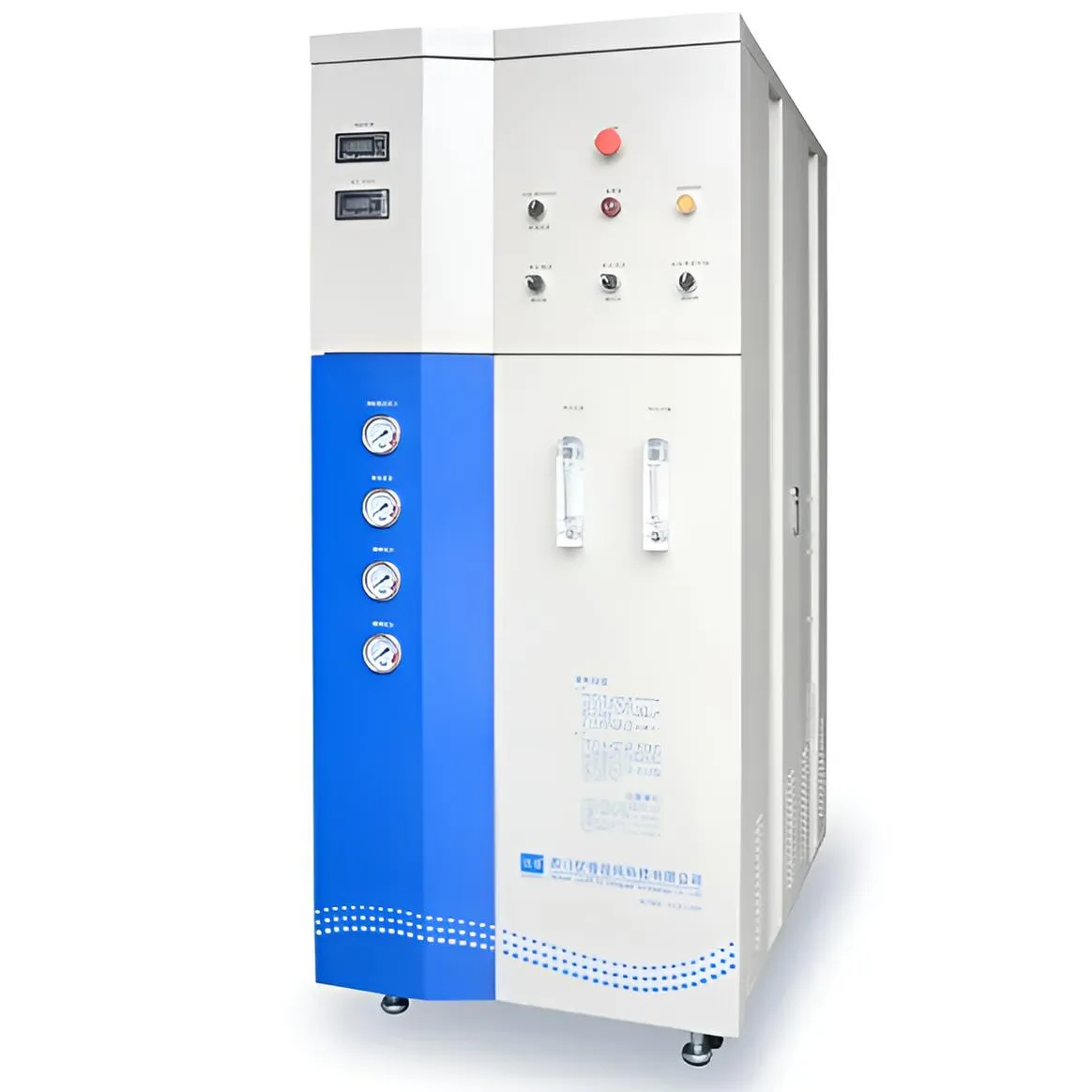
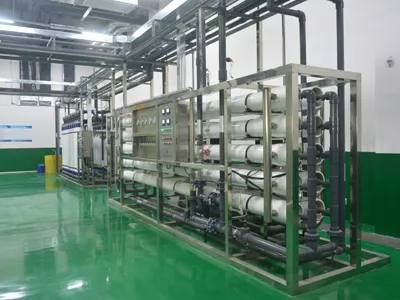
Laboratory ultrapure water systems offer convenience and efficiency, gaining widespread recognition from chemical analysts. With the continuous development of pure water technology, RO reverse osmosis technology has remained in use to this day. It's often called the "lungs outside the body" because the RO reverse osmosis membrane has pores as small as nanometers. Under certain pressure, water molecules can pass through the RO membrane, while impurities in the source water such as inorganic salts, heavy metal ions, organic matter, colloids, bacteria, and viruses cannot. This strictly separates permeable pure water from non-permeable concentrated water. The RO reverse osmosis membrane is one of the core components of an ultrapure water system, directly affecting the quality of the pure water. How to increase the lifespan of the RO reverse osmosis membrane is the topic of this article.
What are the factors affecting the lifespan of an RO reverse osmosis membrane?
1. Design Rationality: The rationality of the design is divided into the effectiveness of pretreatment and the rationality of the reverse osmosis system design. The rationality of the pretreatment process directly affects the lifespan of the RO membrane. Inadequate pretreatment effluent may cause the RO membrane to collapse within a week. The rationality of pretreatment refers to the water quality standards that the RO membrane feed water should meet for different water source types. The rationality of the reverse osmosis system design is directly related to the service life of the RO membrane. From an economic point of view, excessively low membrane flux will reduce the utilization rate of the membrane system, increase the size of the membrane system, and raise the system's investment costs. From a technical point of view, excessively high membrane flux will aggravate membrane fouling, accelerate membrane performance degradation, increase membrane cleaning and replacement, shorten the RO membrane's service life, and thus increase operating costs. The ideal membrane flux should minimize the total system cost, including investment and operating costs. This involves recommending the average membrane system flux, the maximum flux of the membrane element, and the maximum concentration polarization of the system, along with the expected annual membrane flux degradation rate and annual salt permeability increase rate under the above recommended design parameters.
2. Preventing Membrane Performance Damage New reverse osmosis membrane elements are typically soaked in a 1% NaHSO3 and 18% glycerol aqueous solution and then stored in sealed plastic bags. If the plastic bag remains intact, it can be stored for about a year without affecting its lifespan and performance. Once the plastic bag is opened, it should be used as soon as possible to avoid adverse effects on the components due to the oxidation of NaHSO3 in the air. Therefore, the membrane should be opened as soon as possible before use. After the equipment trial run, we used two methods to protect the membrane. After the equipment trial run for two days (15-24 hours), we used a 2% formaldehyde solution for maintenance; or after running for 2-6 hours, we used a 1% NaHSO3 aqueous solution for maintenance (the air in the equipment pipeline should be completely purged, the equipment should not leak, and all inlet and outlet valves should be closed). Both methods can achieve satisfactory results. The first method is more expensive and is used when the idle time is long, while the second method is used when the idle time is short.
3. Improper operation of the equipment causes damage to the membrane performance (1) Residual gas in the equipment runs under high pressure, forming a gas hammer that will damage the membrane. There are usually two situations: A. After the equipment is emptied, when it is restarted, the gas is not completely purged and the pressure is quickly increased. The remaining air should be expelled under a pressure of 2-4 bar before gradually increasing the pressure. B. If the joint between the pretreatment equipment and the high-pressure pump is not properly sealed or leaks (especially if the microfilter and its downstream pipeline leak), and the pretreatment water supply is insufficient, if the microfilter becomes clogged, some air will be drawn in due to vacuum at the poorly sealed area. The microfilter should be cleaned or replaced to ensure that the pipeline is leak-free. In short, the pressure should be gradually increased when there are no air bubbles in the flow meter. If air bubbles are found during operation, the pressure should be gradually reduced to check the cause.
(2) Incorrect shutdown method
A. Rapid pressure reduction without thorough flushing during shutdown. Because the concentration of inorganic salts on the concentrate side of the membrane is higher than that of the raw water, it is easy to form scale and contaminate the membrane.
B. Flushing with pretreated water containing chemical reagents. Water containing chemical reagents may cause membrane fouling during equipment shutdown. When preparing to shut down, the addition of chemical reagents should be stopped, and the pressure should be gradually reduced to about 3 bar. Flushing with pretreated water for 10 minutes until the TDS of the concentrate is very close to that of the raw water.
(3) Inadequate disinfection and maintenance leading to microbial contamination
This is a common problem in the use of composite polyamide membranes. Because polyamide membranes have poor resistance to residual chlorine, improper addition of disinfectants such as chlorine during use, coupled with insufficient attention to microbial prevention by users, easily leads to microbial contamination. Currently, many manufacturers produce pure water with excessive microbial levels, which is caused by inadequate disinfection and maintenance. The main manifestations are: RO equipment was not maintained with disinfectant solution at the factory; the entire pipeline and pretreatment equipment were not disinfected after installation; disinfection and maintenance measures were not taken during intermittent operation; pretreatment equipment and reverse osmosis equipment were not disinfected regularly; and the maintenance solution was ineffective or insufficient in concentration.
(4) Inadequate residual chlorine monitoring
For example, a malfunctioning pump or ineffective solution for adding NaHSO3, or membrane damage due to residual chlorine when activated carbon is saturated.
4. Damage to membrane performance caused by untimely cleaning and incorrect cleaning methods
In addition to normal performance degradation during equipment use, performance degradation caused by contamination is more severe. Common contaminants include chemical scale, organic matter and colloidal contamination, and microbial contamination. Different types of fouling present with different symptoms. Different membrane companies also describe different symptoms of membrane fouling. In our engineering practice, we have found that the symptoms vary depending on the duration of fouling. For example, when a membrane is fouled by calcium carbonate scale and the fouling time is one week, the main symptoms are a rapid decrease in desalination rate, a slow increase in pressure differential, and no significant change in permeate flow. Cleaning with citric acid can completely restore performance. Furthermore, fouling is often not singular, and the symptoms vary, making fouling identification more difficult.
Identifying the type of fouling requires a comprehensive assessment of raw water quality, design parameters, fouling index, operating records, equipment performance changes, and microbiological indicators:
(1) Colloidal fouling: Colloidal fouling is usually accompanied by the following two characteristics: A. The microfilter in the pretreatment process becomes clogged very quickly, especially with a rapid increase in pressure differential; B. The SDI value is usually above 2.5.
(2) Microbial fouling: When microbial fouling occurs, the total number of bacteria in the permeate and concentrate of the RO equipment is relatively high, indicating that maintenance and disinfection have not been performed as required. (3) Calcium scale: It can be judged based on the raw water quality and design parameters. For carbonate water, if the recovery rate is 75% and scale inhibitor is added during the design, the LSI of the concentrate should be less than 1; if no scale inhibitor is added, the LSI of the concentrate should be less than zero, and calcium scale will generally not be generated.