






Phone:
0086 28 87573647
+86 19150187139

In 1953, Reid and others at the University of Florida first proposed the idea of using reverse osmosis technology to desalinate seawater. Subsequently, Dr. Sourirajans, the renowned founder of reverse osmosis membrane theory at the National Research Council of Canada, collaborated with Loeb to successfully develop the first asymmetric reverse osmosis membrane with high desalination rate and high water flux, thus opening the door to the research and application of this technology. In the early 1980s, a US government laboratory developed the first composite polyamide membrane, which, compared to cellulose membranes, had a higher and greater water flux and salt rejection rate, greatly promoting the application of reverse osmosis technology. Reverse osmosis technology is widely used in the United States and Japan, while research in my country began in 1966. Reverse osmosis technology boasts advantages such as no phase change, modular design, simple process, convenient operation, small footprint, low investment, and low power consumption. Its application has expanded from its initial use in seawater desalination to brackish water desalination, food processing, pharmaceuticals, beverage purification, and ultrapure water production, generating significant economic benefits. Furthermore, the reverse osmosis process does not use harmful acids or alkalis, making it a promising technology with broad application prospects in today's world of increasing environmental pollution and growing environmental awareness. This article introduces the application of reverse osmosis in wine blending water.
1. Working Principle
Using a semi-permeable membrane to separate a dilute solution (such as pure water) from a concentrated solution (such as salt water), the dilute solution will permeate into the concentrated solution, maintaining a corresponding osmotic pressure; this phenomenon is called osmosis. If a pressure greater than the osmotic pressure is applied to the concentrated solution, the concentrated solution will permeate into the dilute solution; this phenomenon is called reverse osmosis. Generally, reverse osmosis membranes have a micropore size of around 10 Å and operate at a pressure of 1.0-10.0 MPa, reducing the ion content in water by 96%-99%.
2. Process Flow
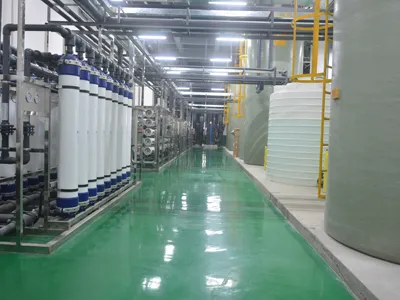
Raw Water → Raw Water Tank → Booster Pump → Sand Filter → Carbon Filter → Softener → Security Filter → High-Pressure Pump → Reverse Osmosis Unit → Ozone Generator → Purified Water Tank → Production water for wine blending, direct drinking water for domestic use, or bottled purified water.
Sand Filter: The main function of a sand filter is to remove particulate impurities, large molecular weight organic matter, humic acid, and other colloidal substances from the water.
Activated Carbon Filter: Its main function is to adsorb small molecular weight organic matter. It adsorbs quickly and has a large adsorption capacity. Since municipal tap water is mainly disinfected with bleaching powder and chloramine, a large amount of chlorine in the water is removed by activated carbon.
Softener: Cation exchange resin adsorption. Its main function is to replace calcium and magnesium ions in the water. Water that has undergone softening treatment often has increased conductivity, mainly due to an increase in sodium ions. Cation exchange resin can be regenerated with sodium chloride.
The softened effluent enters a security filter, where the turbidity is further reduced (≤5 μs). These three processes are called pretreatment for the RO system to ensure its normal operation and longevity.
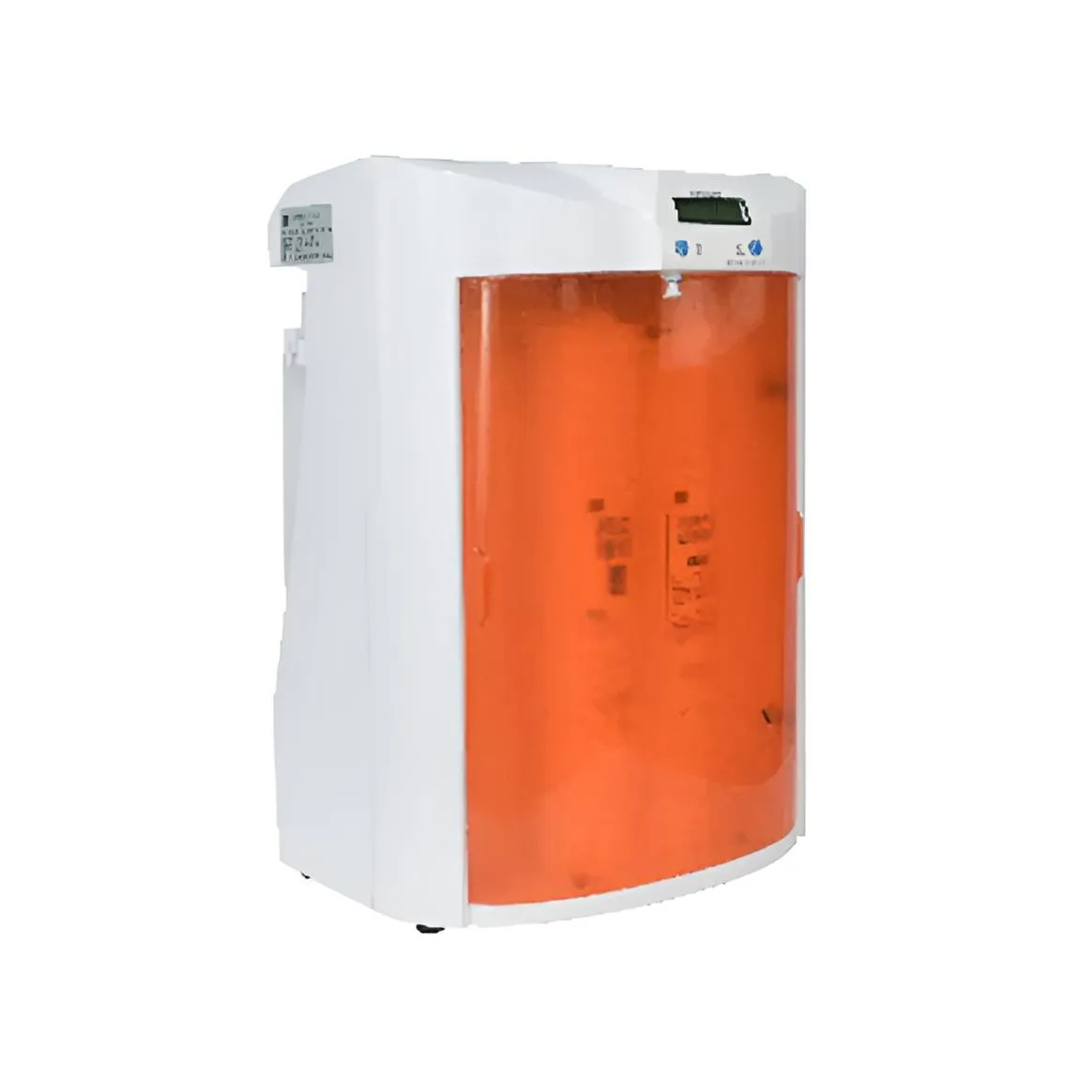
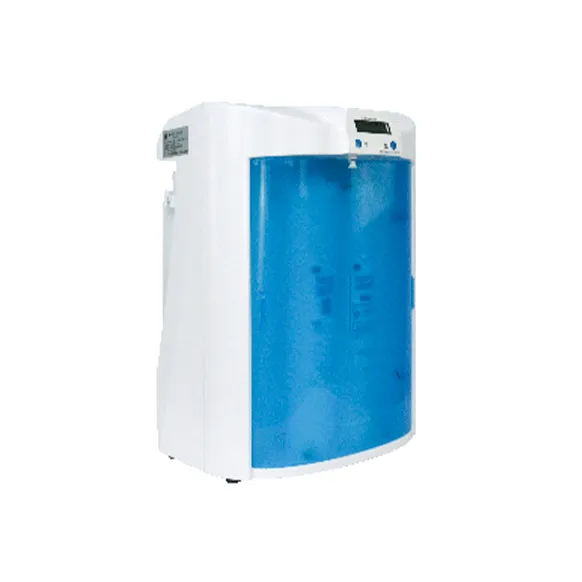
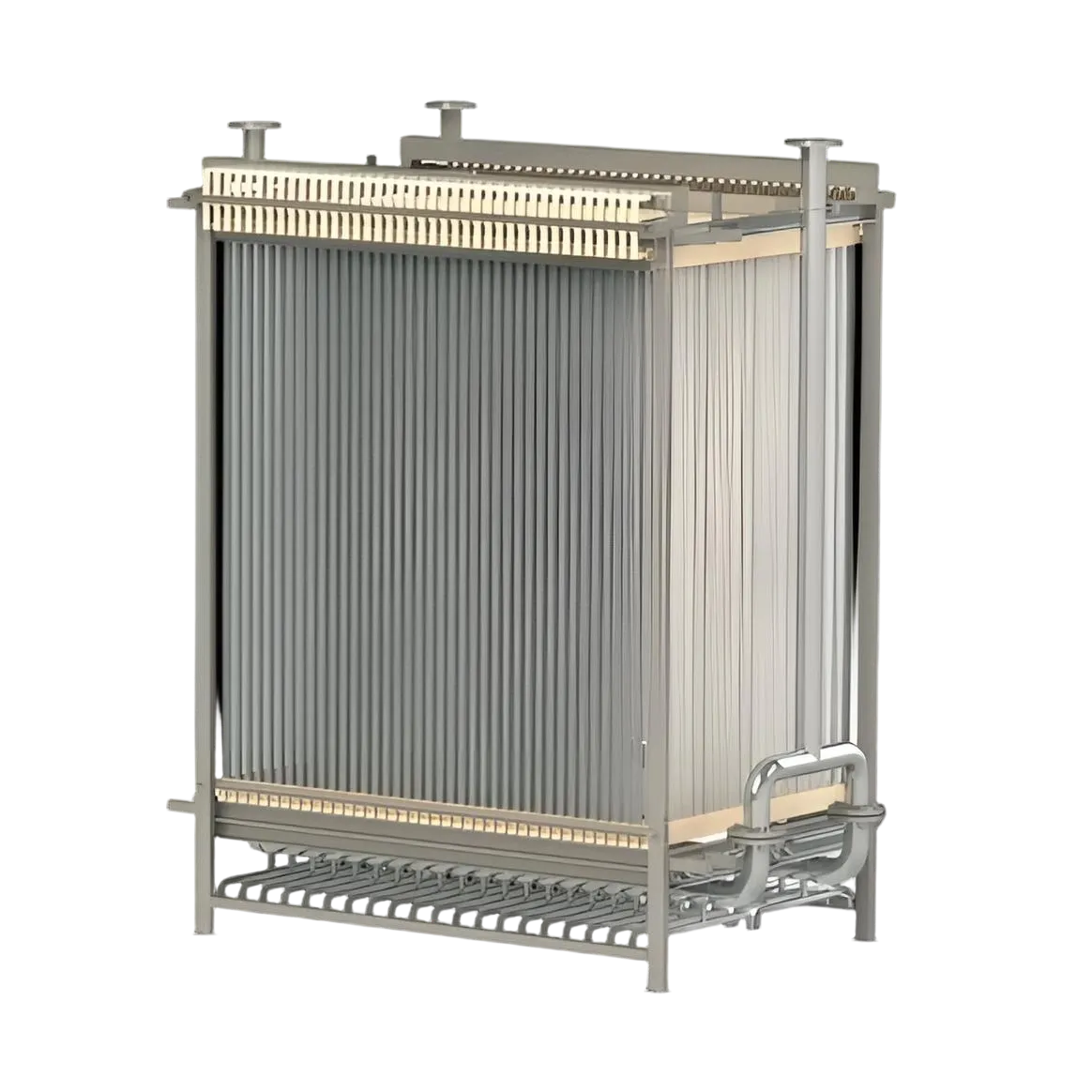
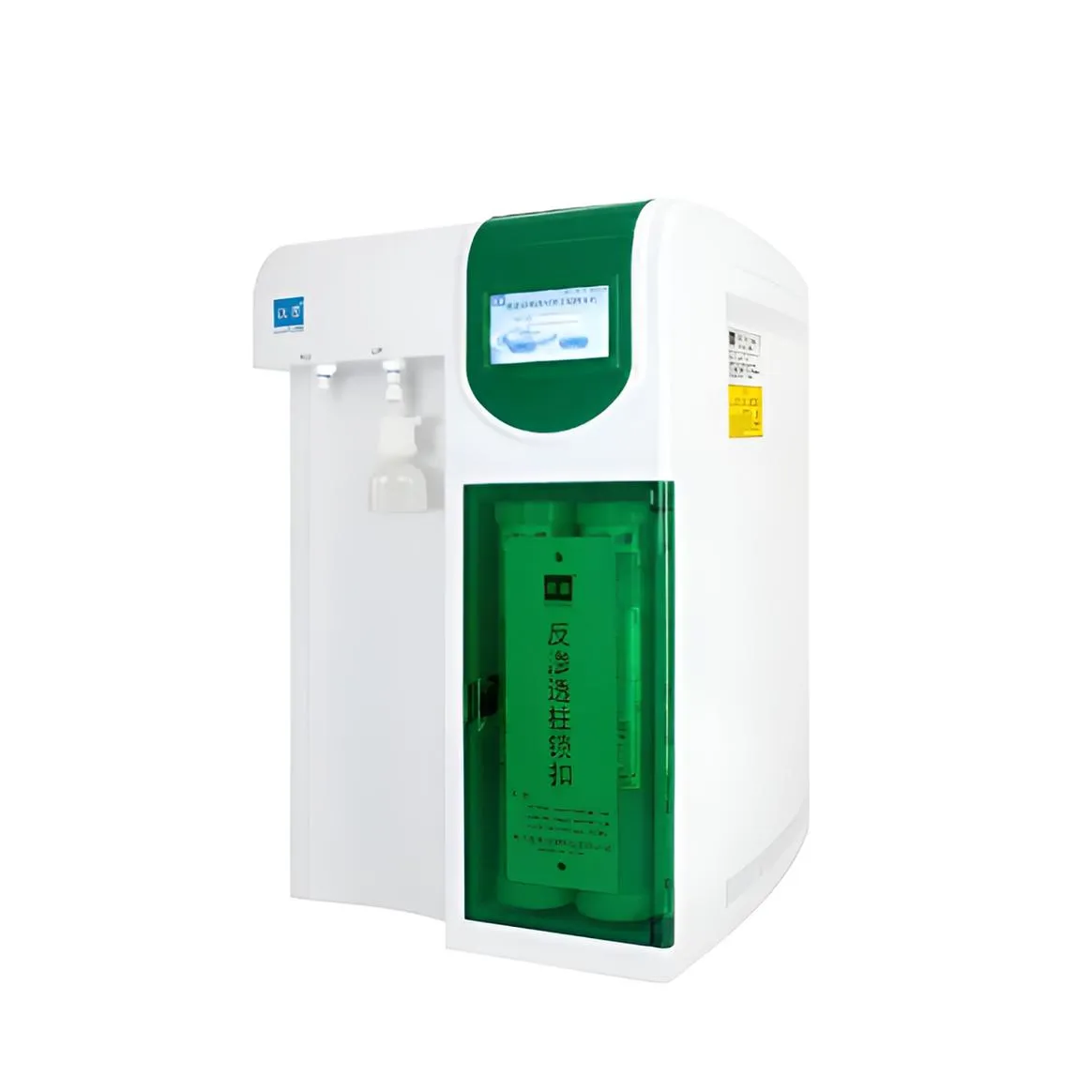
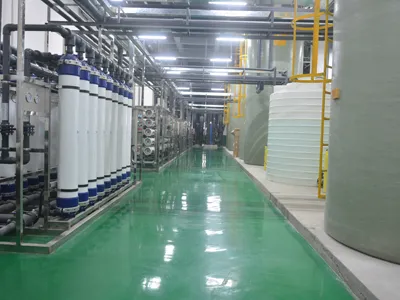
Reverse Osmosis System: The pretreated raw water enters the RO system via a high-pressure pump. The reverse osmosis system includes a reverse osmosis membrane and a booster pump. The reverse osmosis membrane is a membrane with numerous micropores (pore diameter 2 nm, substances with a molecular weight greater than 200D cannot pass through). The main function of this system is to remove ions, bacteria, and pyrogens from the water. After ozone sterilization, the effluent enters a purified water tank, which can meet the needs of production water for wine blending, direct drinking water for domestic use, and bottled purified water.
3. RO System Operation Status
(1) During operation, the source water is first treated by coagulation, sedimentation, and filtration as needed. Then, the pH value is adjusted by adding acid, and polyphosphate is added to prevent scale deposition on the reverse osmosis membrane surface. Finally, sterilization treatment is determined based on the water quality. After treatment, the water flows through a security filter. Once the pollution index is within acceptable limits, it is pressurized by a high-pressure pump and enters the reverse osmosis unit. The reverse osmosis membrane concentrates over 95% of the salts in the raw water onto the brine side, which is then discharged. Water molecules and trace amounts of salts pass through the reverse osmosis membrane under high pressure and enter the product water pipe, becoming the product water. The product water rate is generally 75%.
(2) After a period of operation, scale and impurities will accumulate on the surface of the reverse osmosis membrane, affecting water production. This manifests as an increase in the pressure difference between each stage of the reverse osmosis system and a decrease in the product water rate. Cleaning is required when the inter-stage pressure difference exceeds the initial pressure difference by 10% or the product water rate decreases by 15%. The cleaning system consists of a wash tank, a cleaning pump, a microfiltration filter, and piping. The system materials must be corrosion-resistant, the wash tank volume must be sufficient to meet the liquid volume required for one cleaning of a reverse osmosis unit, and the cleaning solution should be specially formulated according to the composition of the scale. The three pretreatment stages before the reverse osmosis equipment must be manually or automatically backwashed once after a cumulative 24 hours of operation, with each backwash lasting 10 minutes. (3) When the reverse osmosis unit is running, necessary monitoring instruments and alarm protection devices must be activated. The operator should regularly read and check the meters to promptly identify any problems. For safety, manual testing and meter readings should also be performed for comparison.
4. Maintenance of the Reverse Osmosis Water Treatment System
Water production and transportation in the reverse osmosis process are carried out at room temperature. Under normal circumstances, activated carbon needs to be backflushed once a week, and ion exchange resin needs to be restored after each use or at least once a week. The reverse osmosis unit should be kept moist and cleaned and disinfected weekly to prevent bacterial contamination. The softening resin needs to be replaced annually.
The reverse osmosis system should not be shut down for extended periods. If the system has been shut down for a period of time, it must be cleaned with a 0.1% sodium bisulfite solution before restarting. If the equipment is to be shut down for a short period (within 3 days), the pre-filtration system should be flushed for 10 minutes daily according to the flushing procedure, then all valves should be closed to ensure the modules are filled with water. If the equipment is to be shut down for more than 3 days, a 1% sodium bisulfite or formaldehyde solution should be injected into the membrane modules (apply to the upper pipe joint of the membrane module, using a funnel to pour out the overflow) to prevent bacterial growth on the membrane surface. If the equipment is to be shut down for an extended period, it should be checked and run at least once a month. In summer, control the ambient temperature to prevent mold growth; in winter, prevent freezing. If necessary, 10%-20% glycerol can be added to the injection solution.
5. Precautions for Using the RO System
The membrane manufacturer points out that a low-pressure flush should be performed when starting the RO unit to drain accumulated water and remove gas, facilitating normal operation. In actual engineering, water is easy to drain, but gas is difficult to remove. Therefore, to prevent gas from entering the RO unit, the concentrate discharge pipe, low-pressure flush pipe, permeate pipe, and permeate discharge pipe should be led vertically upwards, above the RO unit. To ensure smooth venting, the first, second, or third stages should be arranged from bottom to top, and the water distribution branch pipes should connect from the side of each pressure vessel upwards. This design facilitates rapid upward venting. Other design methods may result in gas remaining in the RO unit. After startup, the entire RO system will exhibit significant noise and pipe vibration. Furthermore, low-pressure flushing during RO system shutdown may empty the water from the RO unit. If the discharge pipe is not positioned higher than the RO unit, only a portion of the water can be discharged, leaving gas inside. Dow membranes are dry membranes, while Hydranautics membranes are wet membranes. To prevent the wet membrane from drying out, all outlets should be directed to the top of the unit before discharge.
6. Application of RO Systems in Wine Blending Water
Due to the high quality requirements of water used in blending, new demands are placed on water treatment technologies. While ion exchange and electrodialysis can reduce raw water hardness and remove metal ions, they cannot remove microorganisms, bacteria, and organic contaminants. Sichuan Yiwen Company, drawing on years of experience in producing wine and water treatment equipment, and having developed a set of requirements for water used in wine blending (currently, there are no national standards for this), has introduced reverse osmosis technology into the production of water for wine blending. Utilizing imported ESPA composite membranes from Hydranautics, USA, the desalination rate reaches over 96%~99%, the recovery rate over 80%, and the conductivity ≤10μS/cm. This ensures the blending water meets national standards GB17323-1998 "Bottled Drinking Pure Water," GB17324-1998 "Hygienic Standard for Bottled Drinking Pure Water," and "Water Quality Standard for Reverse Osmosis Effluent." A comparison of water quality treated by ion exchange and reverse osmosis is shown in Table 1.
Using reverse osmosis not only achieves the expected water quality indicators but also offers significant competitiveness in terms of equipment investment and operating costs compared to traditional processes. It also saves energy and reduces consumption, offering advantages in reducing environmental pollution and workload.
Table 1: Comparison of Water Quality Treated by Ion Exchange and Reverse Osmosis
Project | Raw water | Ion exchange method | Reverse osmosis |
Chromaticity | <5 degrees | colorless | colorless |
Turbidity | 1 degree | Transparent, without sediment | Transparent, without sediment |
Smell and taste | normal | none | none |
Visible objects | none | none | none |
pH | 8 | 7 | 7 |
Total Hardness | 70.6 mg/L | 42.6 mg/L | 38.7 mg/L |
Chloride | 288.8 mg/L | 58.7 mg/L | 42.2 mg/L |
Sulfates | 47.5 mg/L | 12.9 mg/L | 12.7 mg/L |
Total dissolved solids | 726.4 mg/L | 184.2 mg/L | 132.8 mg/L |
Total number of bacteria | 20 cfu/ml | <1 | none |
Coliform bacteria | Not detected | Not detected | Not detected |
Pathogenic bacteria | Not detected | Not detected | Not detected |
7. Conclusion
Reverse osmosis technology has advantages such as no phase change, modular design, simple process, convenient operation, small footprint, low investment, and low power consumption.
It also has significant competitiveness compared to traditional processes in terms of water quality, operating costs, energy saving, reduced environmental pollution, and reduced workload.
During the use of reverse osmosis, attention should be paid to equipment cleaning and maintenance.





