







Phone:
0086 28 87573647
+86 19150187139

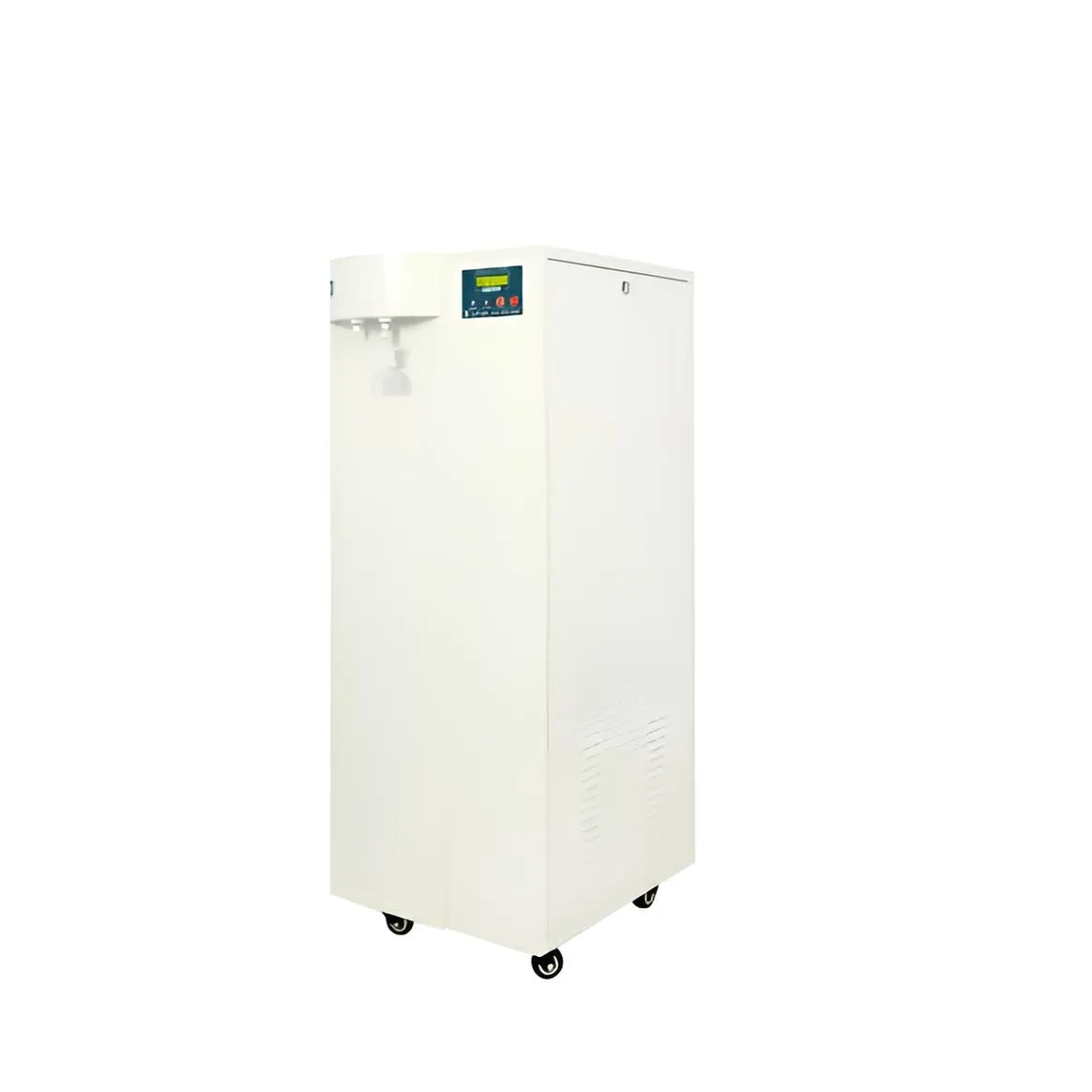
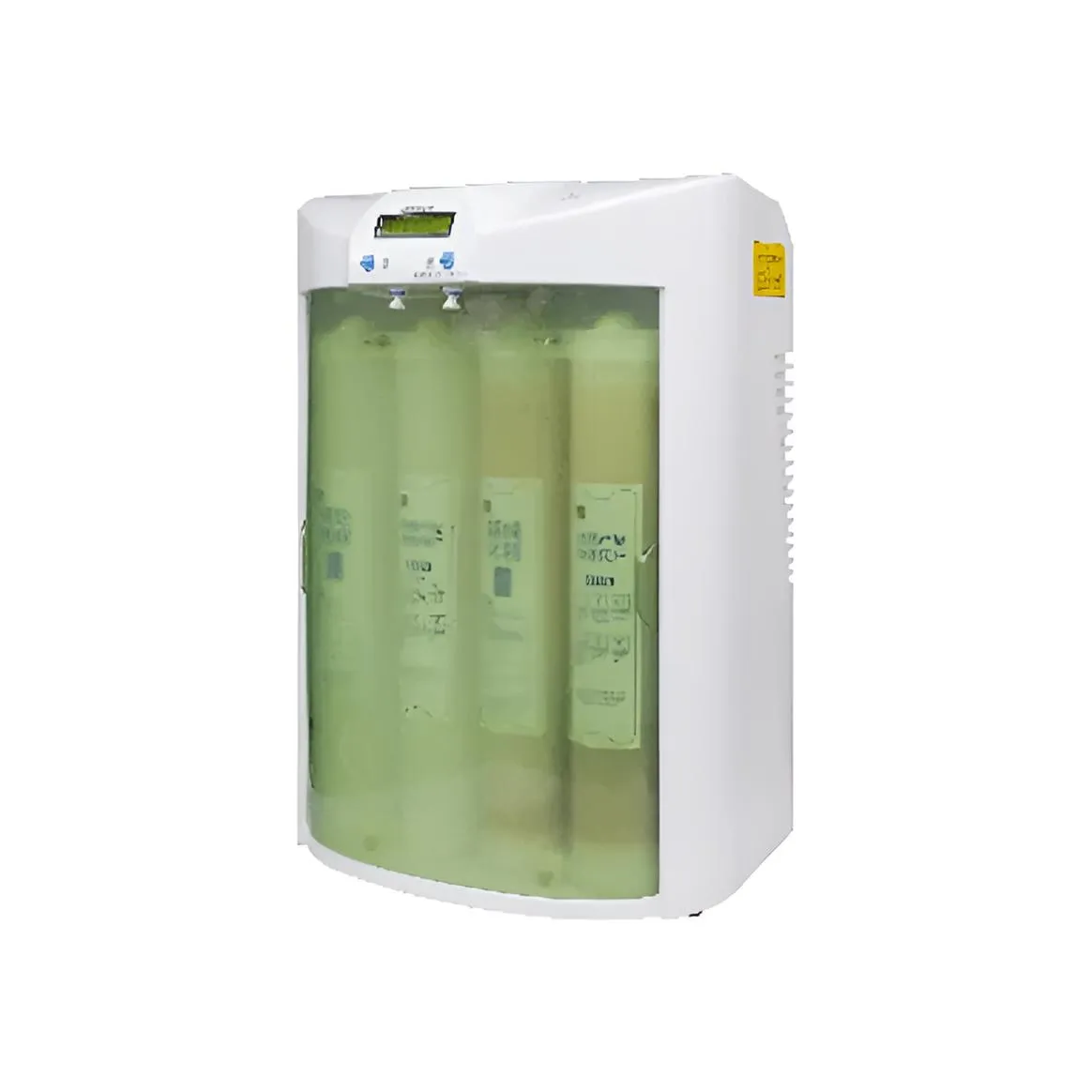
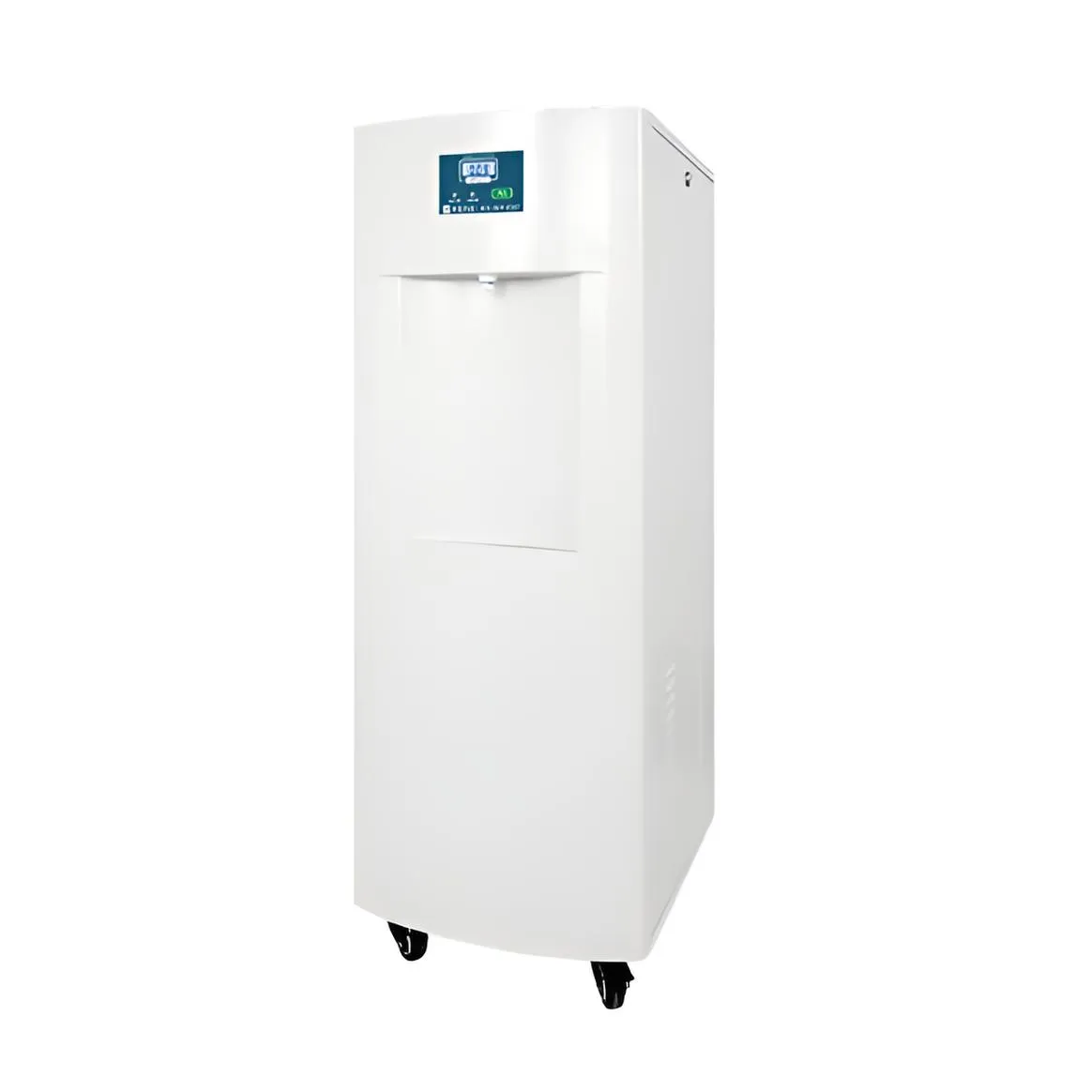
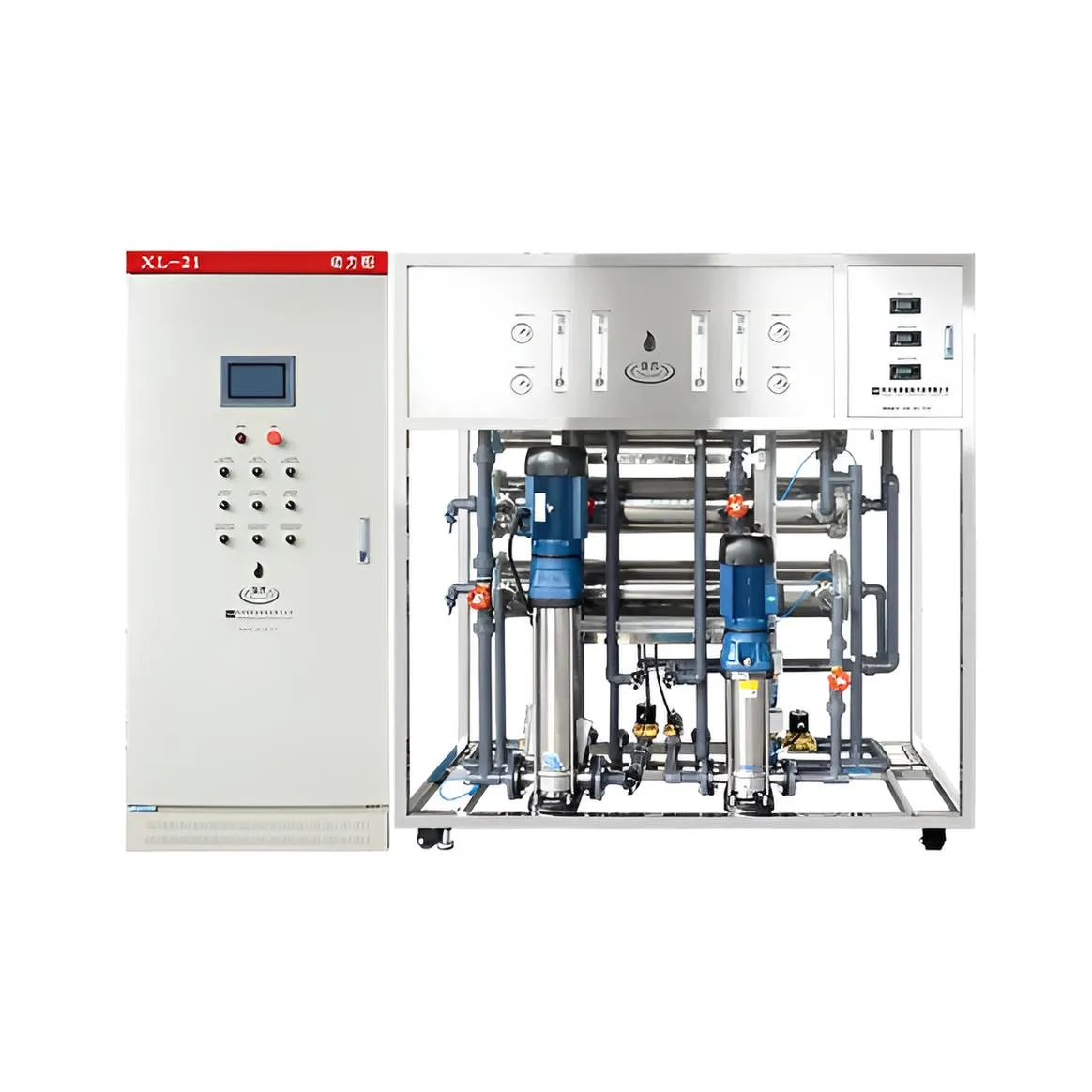
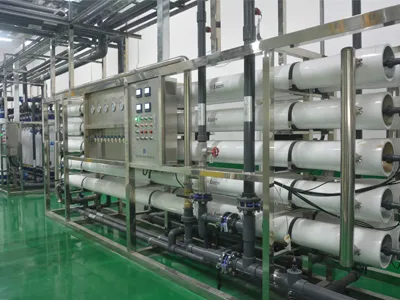
To ensure the stable operation of an ultrapure water system, several precautions need to be taken during its daily operation to guarantee its proper functioning. Some of these precautions are crucial and cannot be ignored, as they could negatively impact the system. So, what are the key considerations for the daily operation of an ultrapure water system?
1. The mechanical filter of the ultrapure water system should be backwashed regularly. Backwashing involves compressed air friction. After successful backwashing, let it stand for about 10 minutes before forward washing. The system can only be put into use after the forward wash effluent meets the required standards. Do not introduce air into the reverse osmosis system. Extend the operating time of the mechanical filter as much as possible without affecting the SDI value. This reduces the impact of filter switching on the effluent quality and saves a significant amount of backwash water.
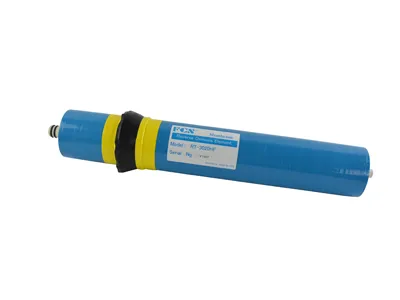
2. Regularly inspect and promptly replace the precision filter cartridge to prevent particulate fouling of the reverse osmosis membrane caused by leaks due to installation or quality issues. Replace the filter cartridge when the inlet pressure difference of the precision filter exceeds 0.15 MPa. Generally, check monthly and replace the cartridge every 2-3 months. During operation, frequently check the precision filter for air; do not allow air to enter the reverse osmosis membrane. For spare or long-term out-of-use precision filters, use formaldehyde protection to prevent bacterial growth.
3. The inlet pressure of the pressure pump should be at least greater than 0.05 MPa to prevent air or fine air from entering the membrane. 4. The residue retained before the filter is drawn into the reverse osmosis membrane by a high-pressure pump.
5. Ultrapure water systems that are not in use should be periodically flushed at low pressure, especially in summer, once per shift. If the downtime exceeds 7 days, the reverse osmosis membrane should be protected with a 0.5%–1% sodium bisulfite solution or a 0.5%–1% formaldehyde solution. The pH and concentration of the protective solution should be checked regularly.
6. The feed water quality should be analyzed regularly, and the dosage of flocculants, bactericides, reducing agents, and scale inhibitors should be adjusted promptly based on the actual situation. Dosage: Prevent flocculants from penetrating the filter and reacting with scale inhibitors, affecting scale inhibition or contaminating the reverse osmosis membrane; prevent insufficient bactericide dosage leading to bacterial contamination of the reverse osmosis membrane, or excessive bactericide dosage leading to membrane oxidation; prevent insufficient scale inhibitor content causing scale formation in the concentrate, resulting in membrane chemical fouling.
6. When the permeate flow rate of a standardized reverse osmosis unit decreases by 10% compared to its initial operation, or the salinity of the permeate increases significantly under specific conditions, or the pressure differential increases by 15%, the reverse osmosis membrane should be cleaned promptly.
This concludes the introduction to the precautions for the daily operation of an ultrapure water system. We hope this information is helpful. Paying attention to these precautions during the daily operation of the ultrapure water system will prevent the equipment from malfunctioning due to various accidents.





