

Phone:
0086 28 87573647
+86 19150187139

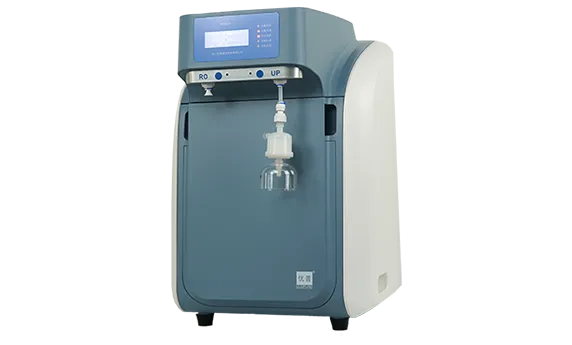
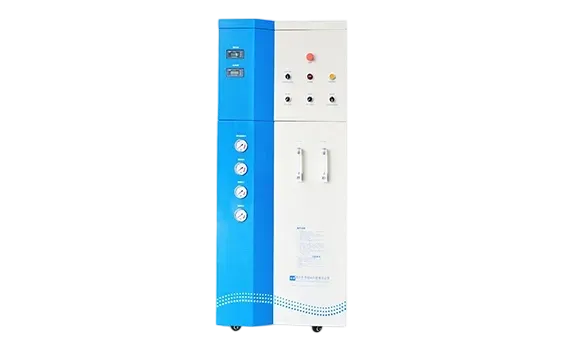
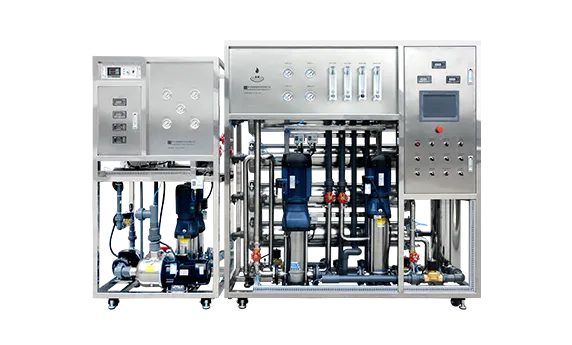
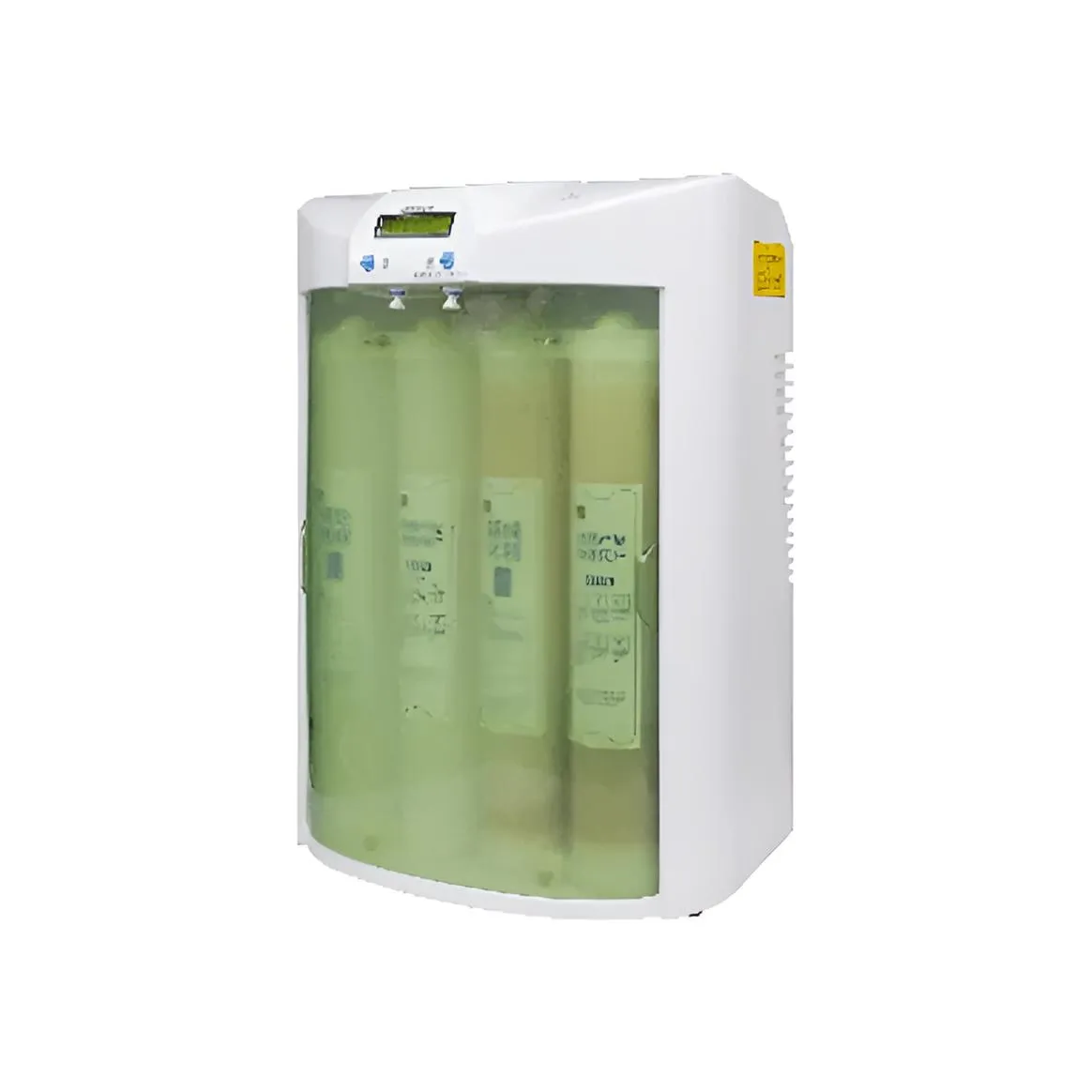
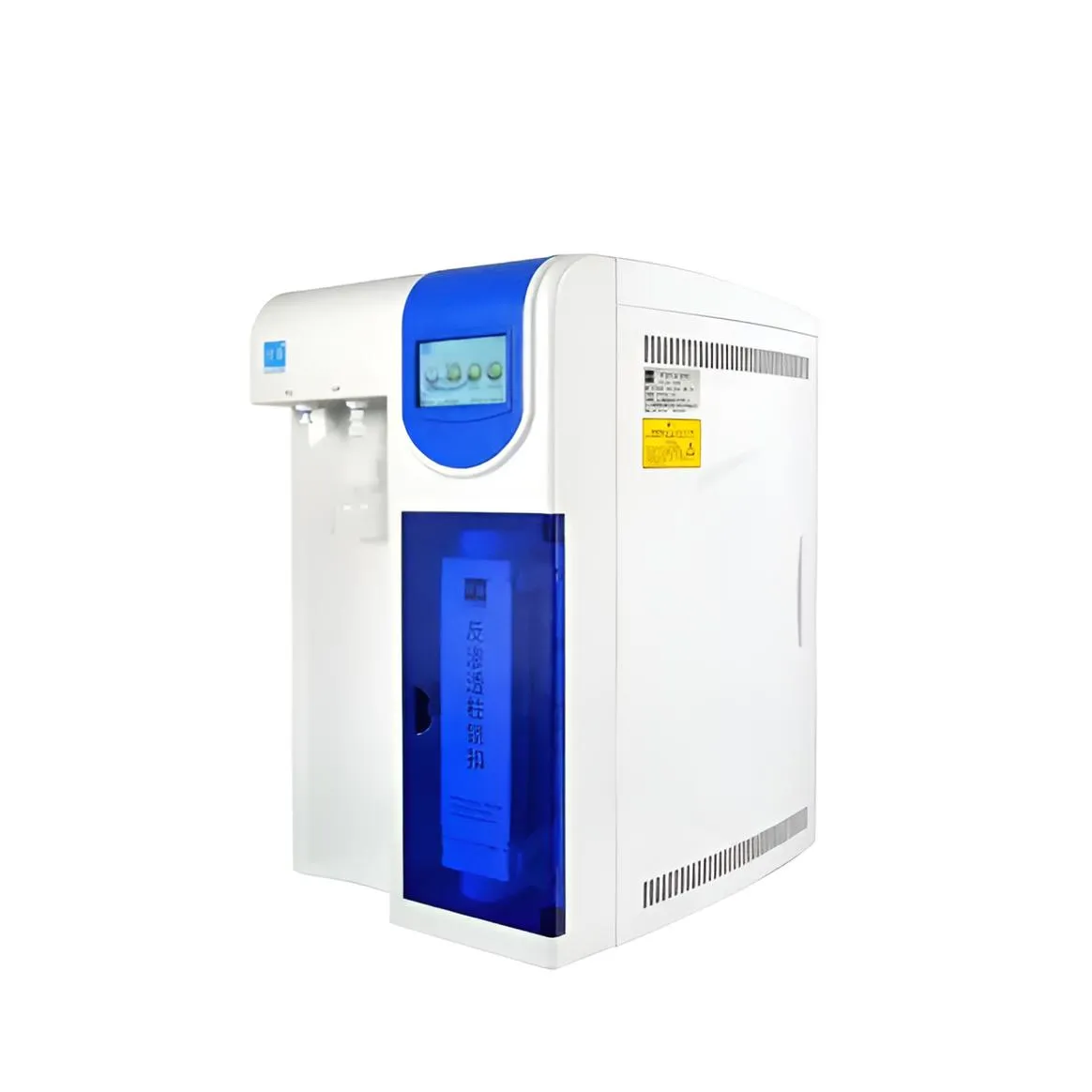
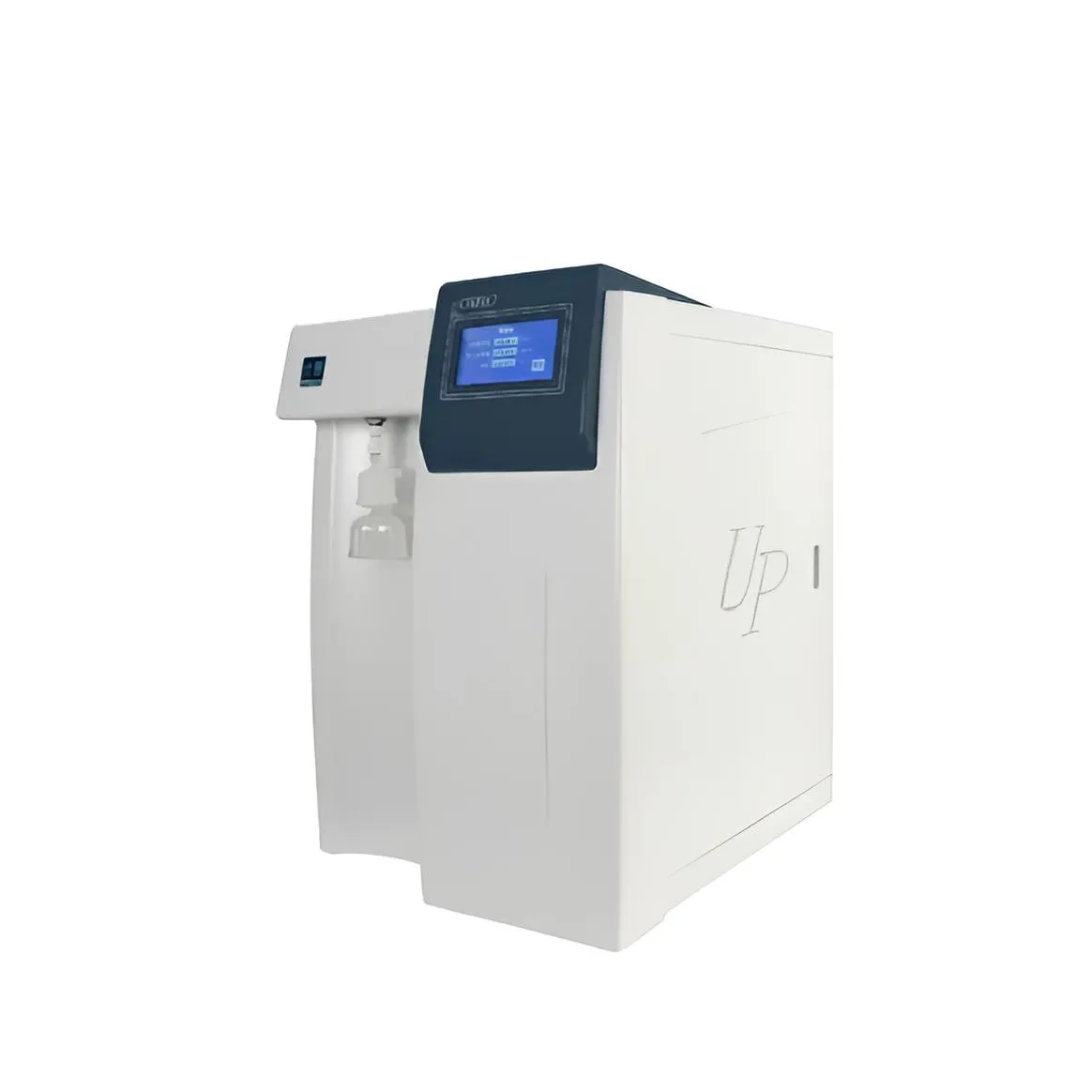
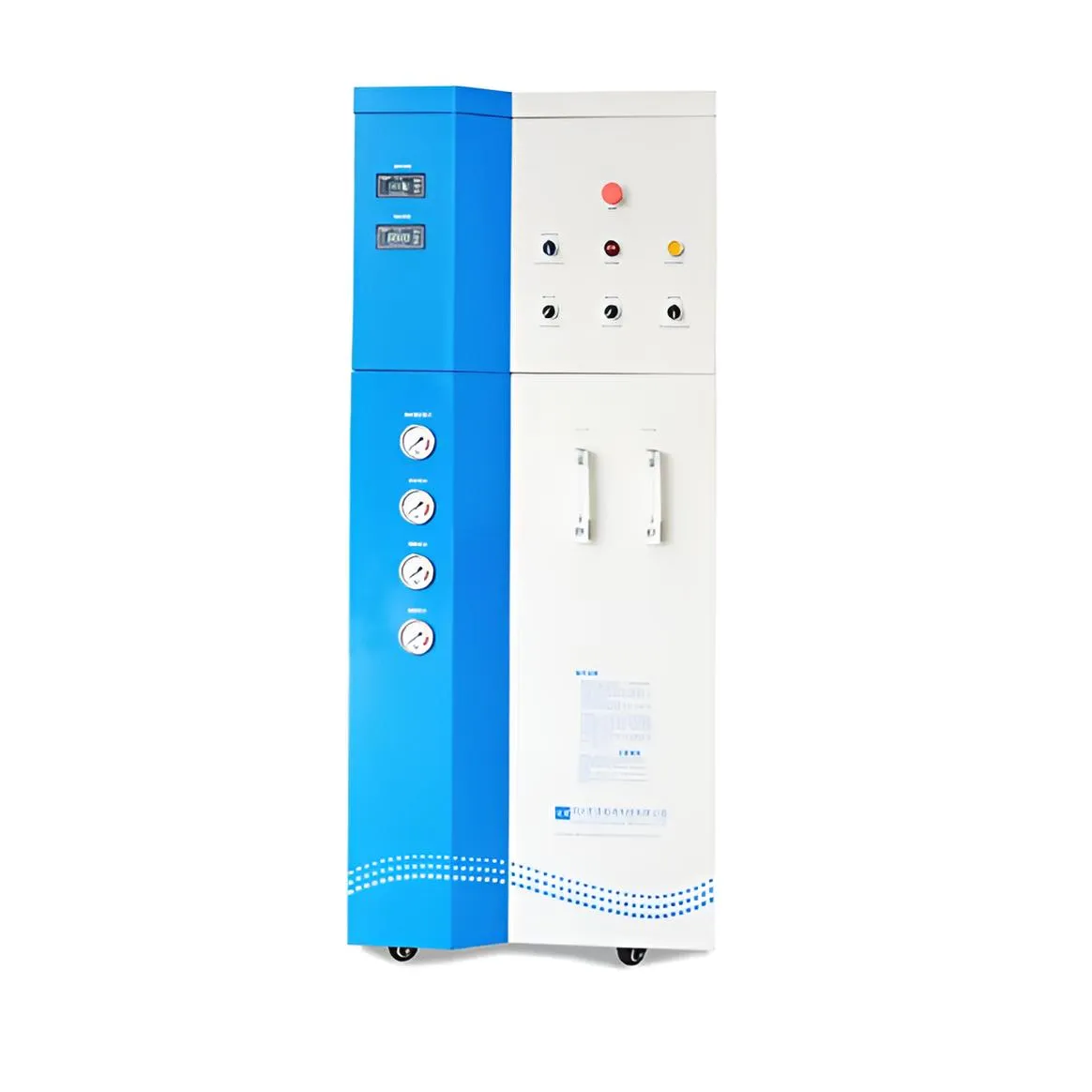
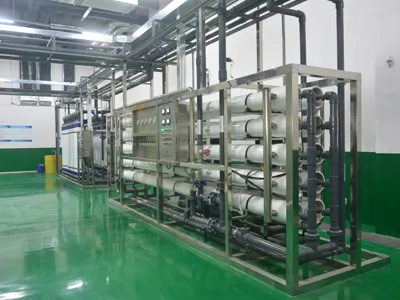
High-purity water, also known as ultrapure water, refers to water with extremely high chemical purity. It is primarily used in fields such as biology, chemistry, metallurgy, aerospace, and power. However, due to its extremely high purity requirements, its most widespread application is in the electronics industry.
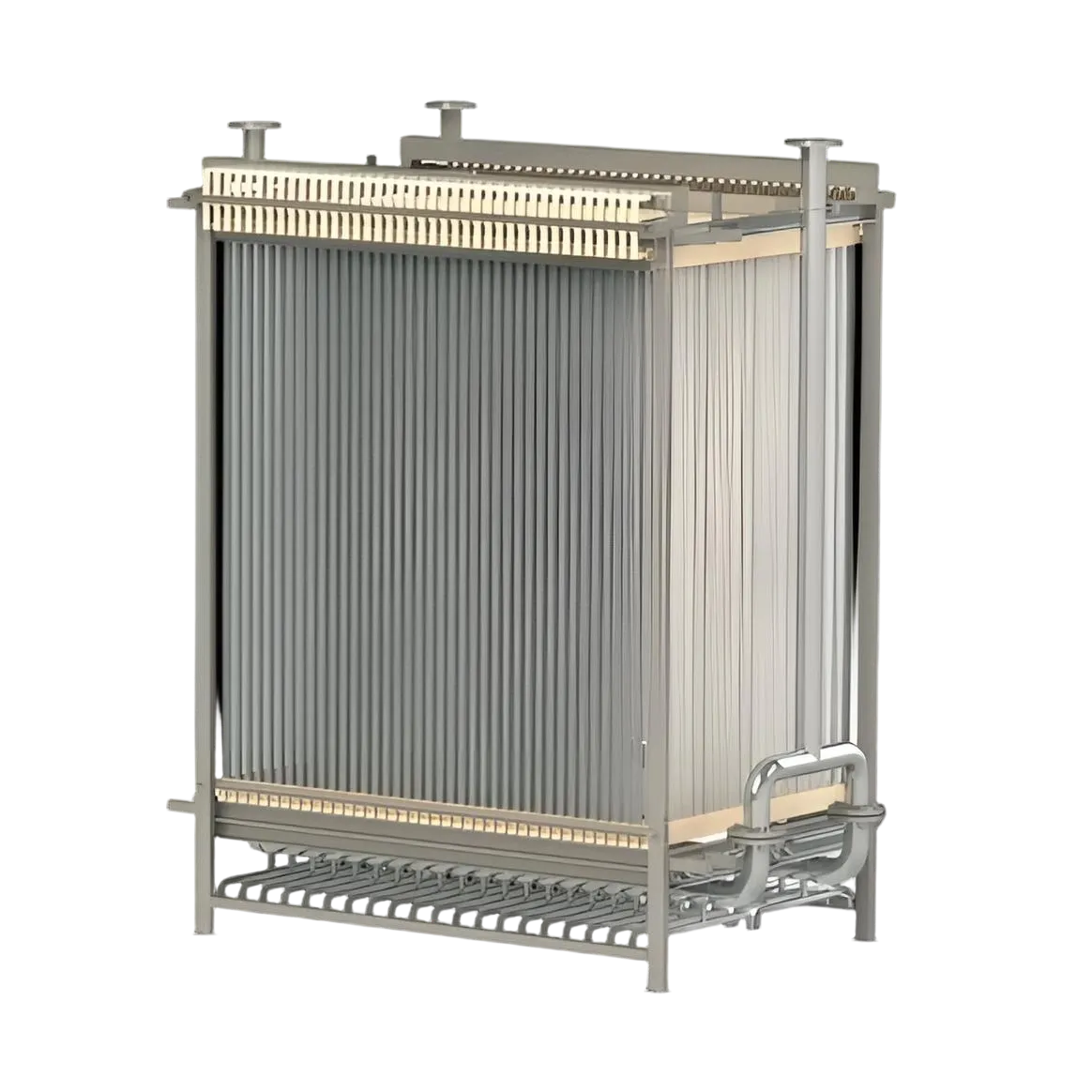
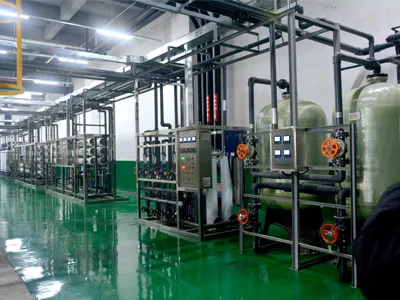
In the production process of ultrapure water equipment, anions and cations in the water can be removed using electrodialysis, reverse osmosis, and ion exchange technology. Particles in the water are generally removed using ultrafiltration and membrane filtration. Bacteria in the water are currently mostly removed domestically using methods such as chemical dosing, ultraviolet lamp irradiation, or ozone sterilization. TOC in the water is generally treated with activated carbon and reverse osmosis. In the application fields of high-purity water, water purity directly affects the performance and reliability of devices; therefore, high-purity water requires extremely high purity and precision.
Use of Ultrapure Water Equipment
Ion exchange mixed bed processes, which involve ion exchange resins in an electrolyte solution, can remove various anions and cations from water and are currently an irreplaceable method in the preparation of ultrapure water. Ion exchangers are divided into cation exchangers and anion exchangers. When raw water passes through an ion exchange column, the cations and anions (such as HCO3-) in the water exchange with the H+ ions of the cation exchange resin and the OH- ions of the anion exchange resin, thus achieving desalination. Different combinations of cation and anion exchange columns can achieve higher water quality requirements, producing ultrapure water that meets higher standards.
Ion exchange is currently a widely used and ideal method in the water treatment industry both domestically and internationally, and it is also one of the most economical and effective chemical methods. Ion exchange is a technology that utilizes the selectivity and equilibrium reaction principle of ion exchange resins to remove electrolyte ions from water. It is a complete and mature water treatment process, widely recognized by users.
Regeneration and Activation Principle: When the equipment has been running for a period of time, the resin becomes ineffective and needs to be regenerated to restore its exchange capacity.
1. Operators should have basic knowledge of pure water equipment and master the operating procedures;
2. This equipment must not be operated under overpressure.
3. The motor should be inspected regularly.
4. If the equipment is not used for a long period, it should be stirred regularly to prevent the resin from becoming moldy.
1. Traditional water treatment method using ion exchange resin to prepare ultrapure water: The basic process flow is as follows: Raw water → Carbon sand filter → Precision filter → Raw water tank → Cation bed → Anion bed → Mixed bed (compound bed) → Pure water tank → Pure water pump → Post-precision filter → Point of use.
2. Method combining reverse osmosis water treatment equipment and ion exchange equipment: The basic process flow is as follows: Raw water → Carbon sand filter → Precision filter → Raw water tank → Reverse osmosis equipment → Mixed bed (compound bed) → Pure water tank → Pure water pump → Post-precision filter → Point of use.
3. Method combining reverse osmosis water treatment equipment and... The combination of electrodeionization (EDI) and ion exchange equipment is a cutting-edge process for producing ultrapure water. It is an environmentally friendly, economical, and high-potential ultrapure water production process. The basic process flow is: Raw water → Carbon sand filter → Precision filter → Raw water tank → Reverse osmosis equipment → Electrodeionization (EDI) → Pure water tank → Pure water pump → Post-precision filter → Point of use.
1. The first method, using ion exchange resin, has the advantages of low initial investment and small footprint. However, it requires frequent ion regeneration, consumes large amounts of acid and alkali, and causes some environmental damage.
2. The second method uses reverse osmosis as pretreatment combined with ion exchange equipment. Its characteristics include a higher initial investment than using ion exchange resin, but a longer regeneration cycle for the ion exchange equipment. It consumes significantly less acid and alkali than using ion exchange resin alone. However, it still has some environmental impact.
3. The third method uses reverse osmosis as pretreatment combined with electrodeionization (EDI). This is currently the most economical and environmentally friendly process for producing ultrapure water. It can continuously produce ultrapure water without the need for acid or alkali regeneration and has little environmental impact. Its disadvantage is that the initial investment is significantly higher than the two methods mentioned above.
1. Semiconductor materials, devices, printed circuit boards, and integrated circuits;
2. Ultrapure materials and ultrapure chemical reagents;
3. Laboratories and pilot plants;
4. Surface polishing of automobiles and home appliances;
5. Other high-tech precision products.