


Phone:
0086 28 87573647
+86 19150187139

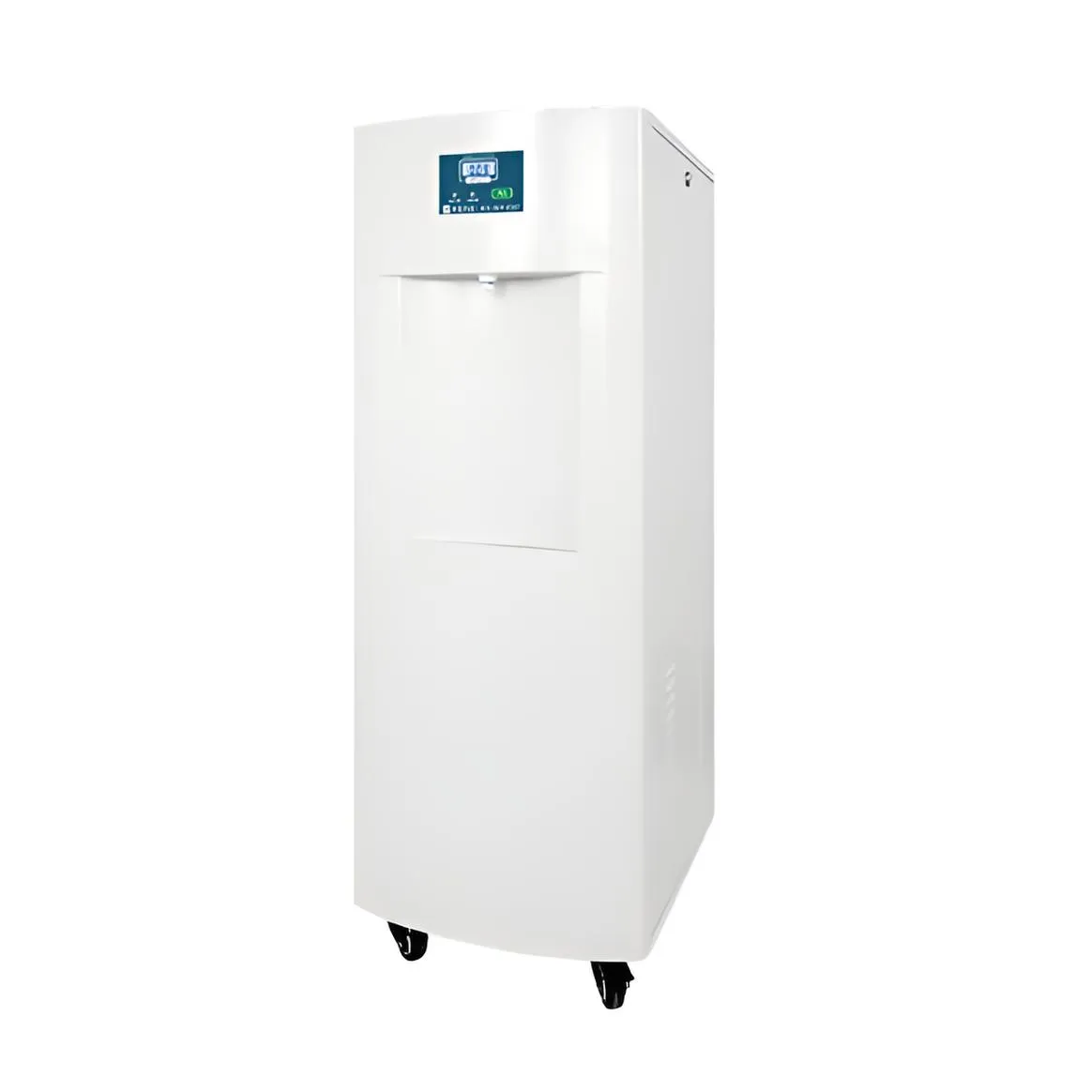
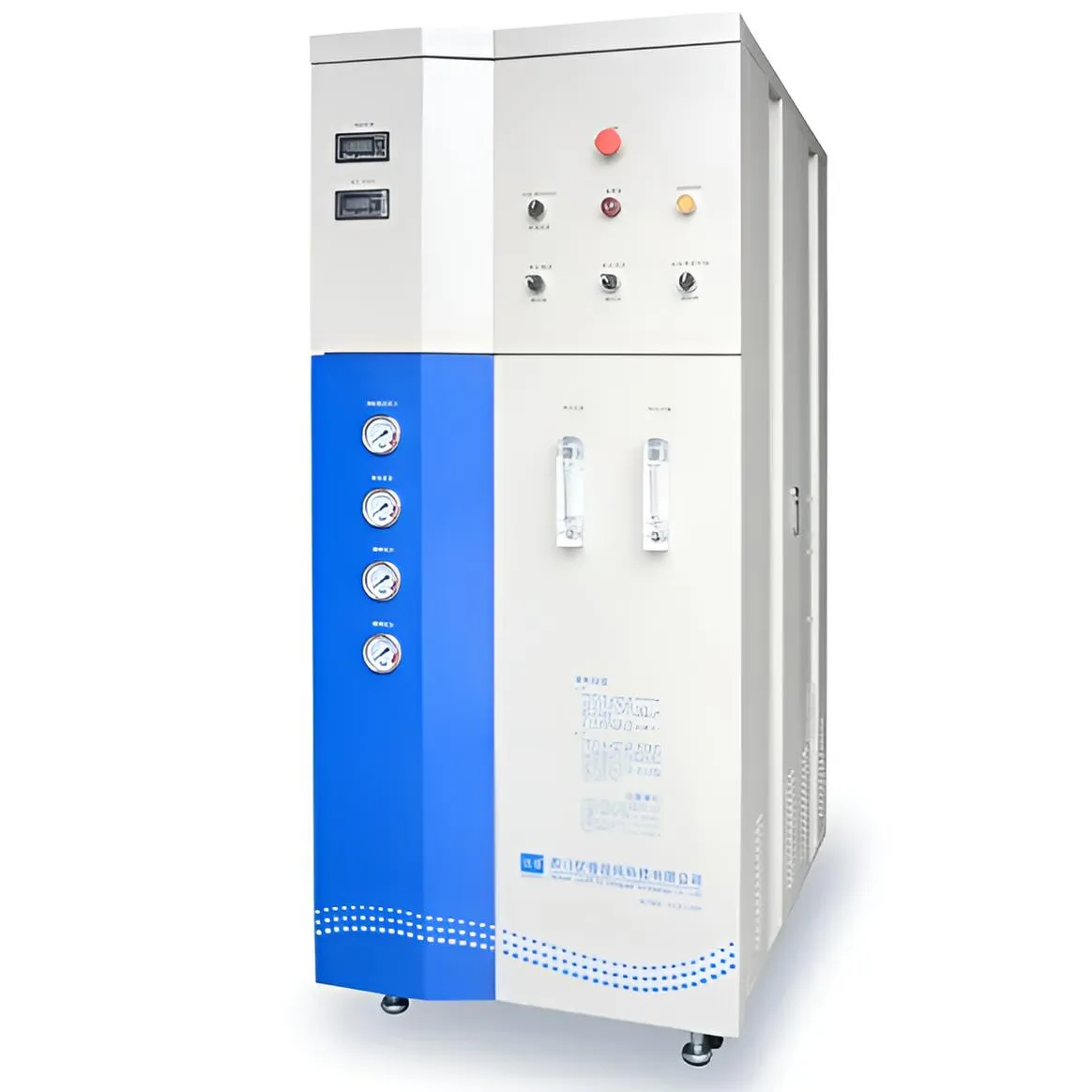
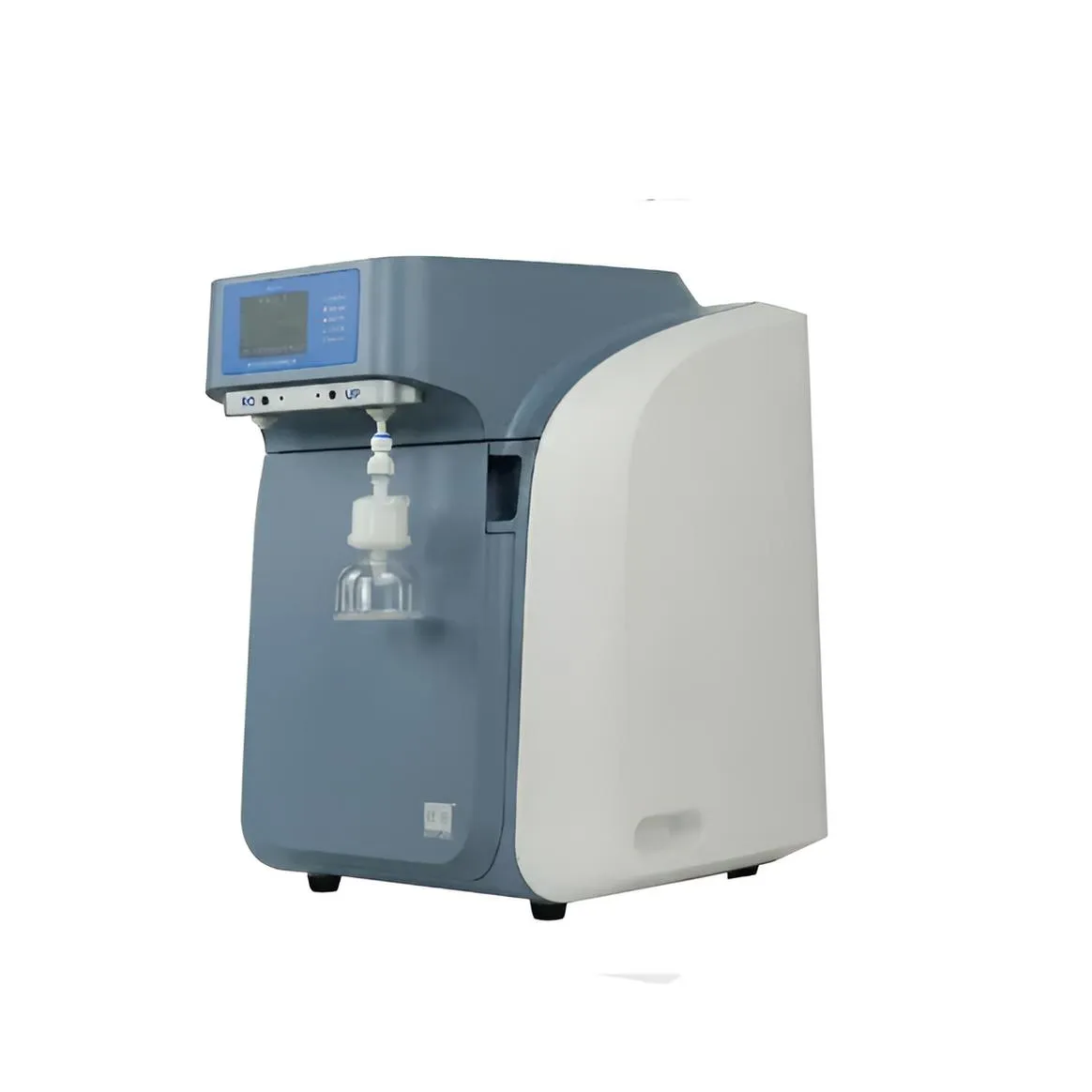
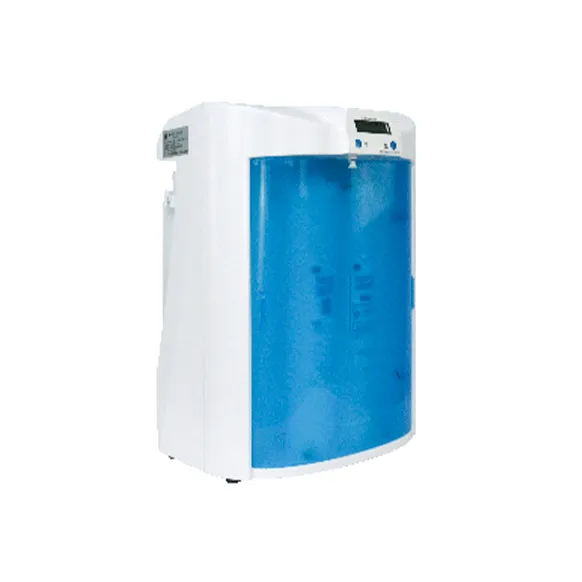
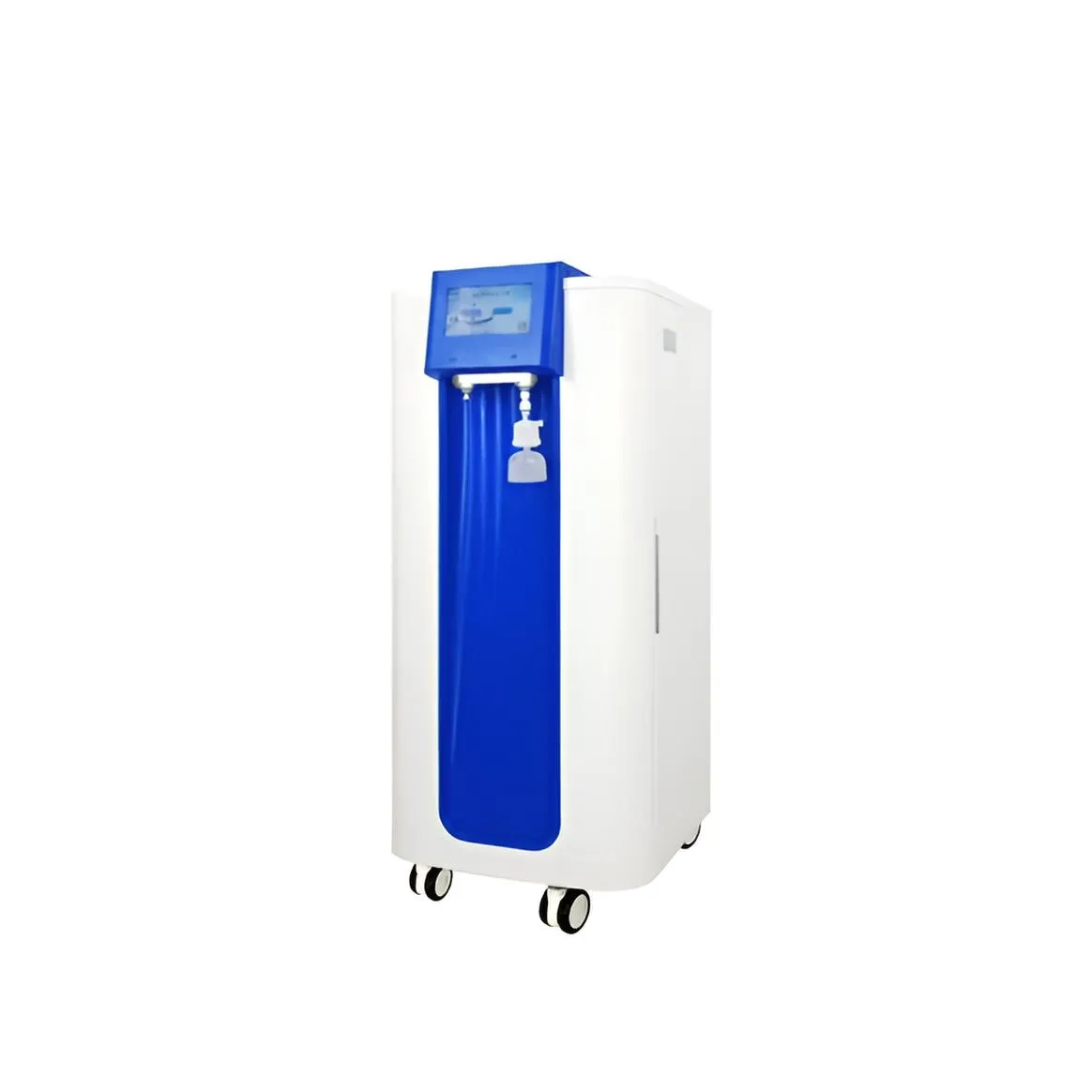
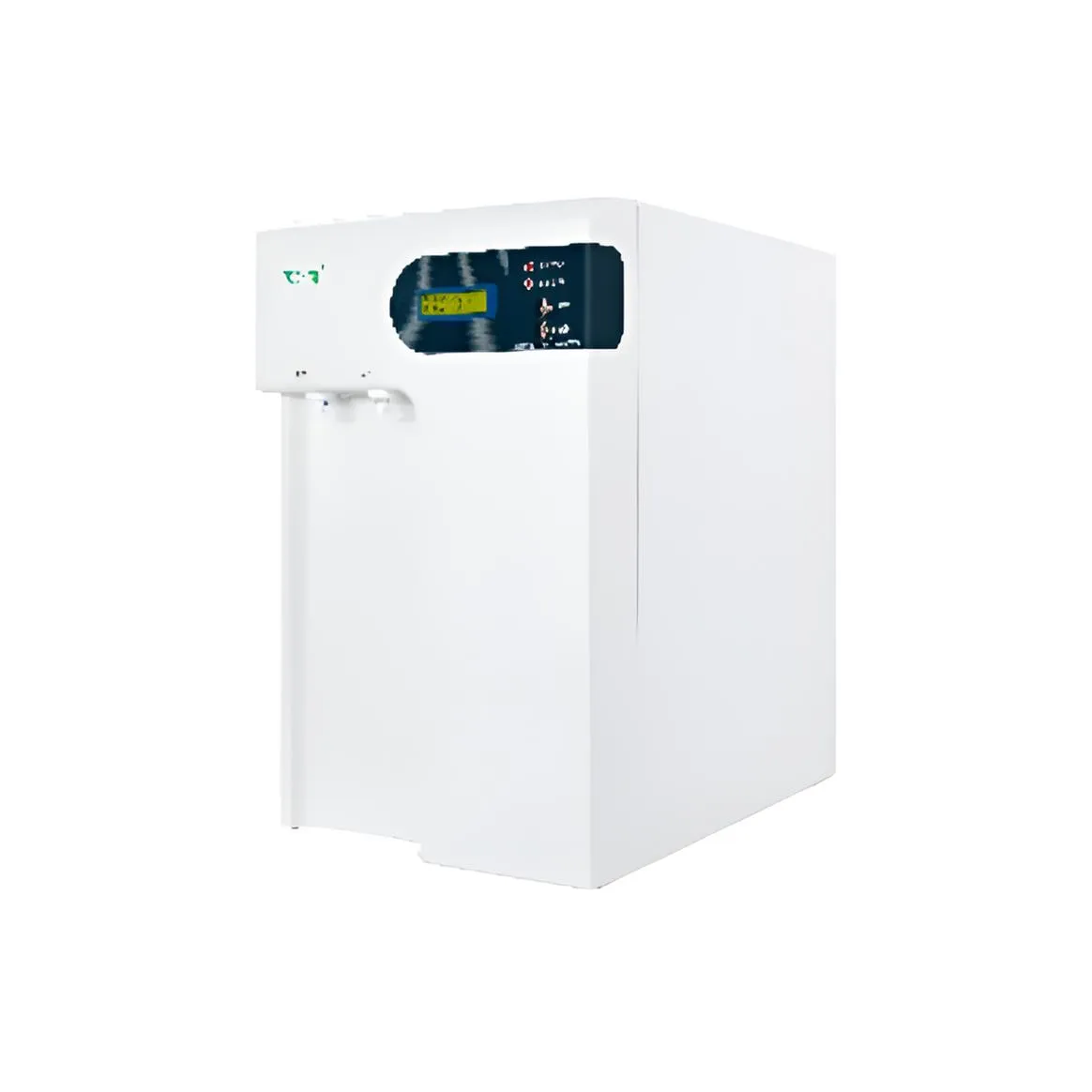
This article introduces the standardized operation of a laboratory ultrapure water system, as well as precautions during operation and installation.
Installation Precautions: Although the installation and operation of a laboratory ultrapure water system are relatively simple, some technical procedures cannot be ignored. Improper operation will directly affect the quality of the produced water and even the experimental results.
Equipment Installation: The laboratory ultrapure water system should be installed on a waterproof countertop or a specially designed frame, away from active instruments and equipment. When not used in conjunction with an RO water system, the water supply container should ideally be 10-20cm higher than the water system. It should be made of non-toxic rigid material, avoiding excessive intermediate interfaces to prevent water contamination or scale buildup. The water supply container should be thoroughly cleaned and rinsed with distilled water or RO water. A drip tray should be placed below the outlet.
Power Connection: Plug the main unit's power cord directly into a wall socket, ensuring the power supply has a ground wire. If there is no ground wire, the main unit should be grounded separately. When using a power strip, it is best to use a waterproof socket or place the power strip away from areas where it may be splashed with water.
Loading or replacing the pure water column: Loading or replacing the pure water column should be done with the power off or the power switch off. Beforehand, check whether the specifications and model of the pure water column match the performance requirements of the machine. Check whether the sealing ring at the interface end of the pure water column has fallen off and place it in the proper docking position.

Ensure that the source water container contains double-distilled water or RO water with a conductivity <10μS/CM@25℃ or a low water temperature between 5-35℃. Do not pour the bottom water from the transfer container into the source water container, as this may allow particles or flocculent matter remaining at the bottom of the water bucket or other containers to enter the pure water column, reducing column efficiency.
After startup, the instrument will run a deaerator program, which takes approximately 5 minutes and requires about 15L of water. If the instrument is equipped with a UF module, it will then enter a cleaning program, which takes approximately 60 minutes. Afterward, allow it to stand overnight in pre-operation mode or at least for several hours, during which the instrument will self-circulate and clean the purification column. The next day, transfer it to the ultrapure water system turntable, produce 10-15L of water, and then return it to pre-operation mode for later use.