





Phone:
0086 28 87573647
+86 19150187139

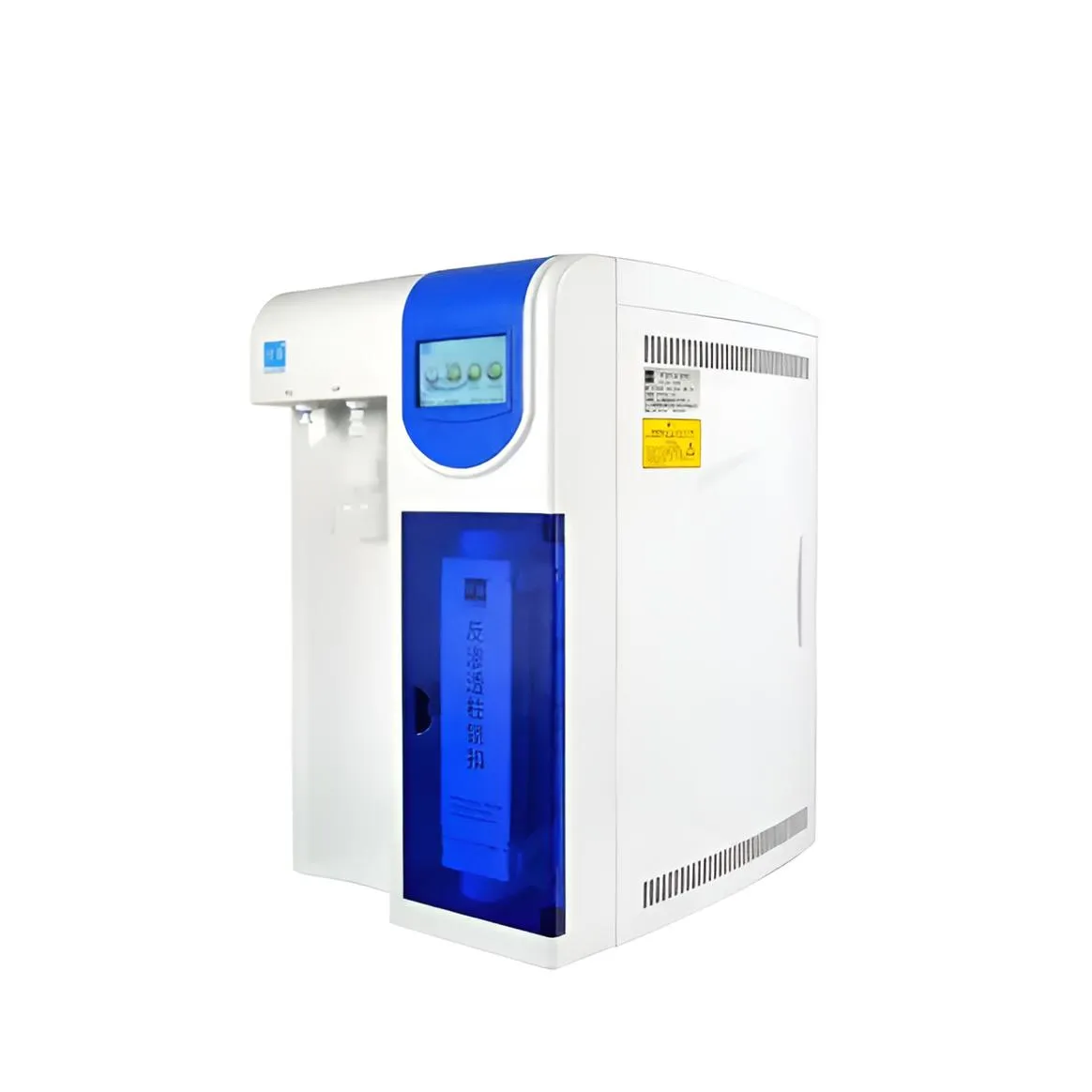
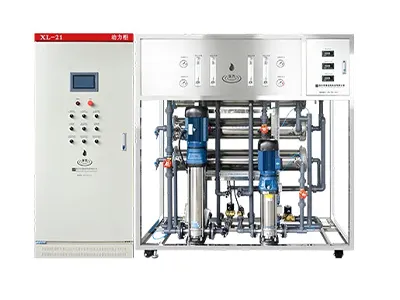
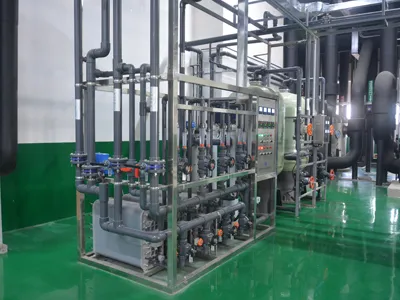
Reverse osmosis (RO) is a highly dense membrane system with extremely high removal rates for viruses, bacteriophages, and bacteria, at least above 3 log (removal rate >99.9%). However, it's important to note that microbial regeneration can still occur on the permeate side of the membrane in many cases. This depends primarily on the installation, monitoring, and maintenance methods. In other words, the microbial removal capability of a pure water system depends mainly on the proper design, operation, and management of the system, rather than the properties of the membrane element itself.
1. Introduction to Reverse Osmosis
RO (Reverse Osmosis) technology is a membrane separation and filtration technology powered by pressure differential. Originating from aerospace research in the United States in the 1960s, it was gradually adapted for civilian use and is now widely used in scientific research, medicine, food, beverage, and seawater desalination. RO (Reverse Osmosis) membranes have pores as small as nanometers (1 nanometer = 10⁻⁹ meters). Under certain pressure, H₂O molecules can pass through the RO membrane, while impurities in the source water such as inorganic salts, heavy metal ions, organic matter, colloids, bacteria, and viruses cannot. This effectively separates the permeable pure water from the non-permeable concentrated water.
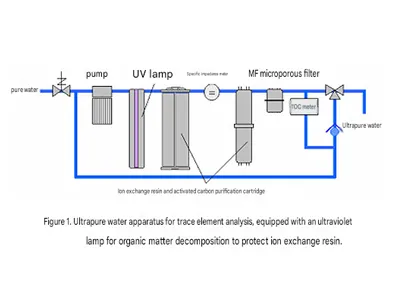
The pure water filtered through the RO membrane has a conductivity of 5 S/cm, meeting the national laboratory Class III water standard. After further circulation filtration through an atomic-level ion exchange column, the resistivity of the effluent can reach 18.2 MΩ·cm, exceeding the national laboratory Class I water standard (GB682-92).
2. Basic Principles of Reverse Osmosis
When pure water and brine are separated by an ideal semi-permeable membrane, which allows only water to pass through while blocking salt, water on the pure water side will spontaneously flow through the membrane into the brine side. This phenomenon is called osmosis. If pressure is applied to the brine side of the membrane, the spontaneous flow of water will be inhibited and slowed down. When the applied pressure reaches a certain value, the net flow rate of water through the membrane becomes zero. This pressure is called osmotic pressure. When the pressure applied to the brine side of the membrane exceeds the osmotic pressure, the water flow will reverse, and water from the brine will flow into the pure water side. This phenomenon is the basic principle of reverse osmosis (RO) water treatment.
3. Purpose and Considerations of Osmosis Pretreatment
When using a reverse osmosis pure water system (pure water machine), special attention should be paid to raw water pretreatment. To avoid clogging of the reverse osmosis pure water equipment (pure water machine), the raw water should be pretreated to remove suspended solids and reduce turbidity. In addition, sterilization should be performed to prevent the proliferation of microorganisms. Because reverse osmosis (RO) has very high requirements for the amount of suspended solids in the raw water, a fouling index (FCI) is commonly used to test water quality. This method essentially measures the degree of fouling of the RO pure water system (water purifier) due to suspended solids in the water. The FCI of the water entering the RO pure water system (water purifier) should ideally not exceed 5, and a value generally less than 3 is recommended. The pH value of the influent should also be considered during pretreatment. Various semi-permeable membranes have their optimal operating pH values, so the pH value of the influent needs to be adjusted according to the requirements of the RO membrane. The temperature of the influent should also be considered during pretreatment. Membrane permeability increases with increasing water temperature, but excessively high temperatures accelerate the hydrolysis of cellulose acetate membranes and soften organic membranes, making them more prone to compaction. Therefore, for organic membranes, the temperature is generally best controlled within the range of approximately 20–40℃, and for composite membranes, the temperature is best controlled within the range of approximately 5–45℃.
Reverse osmosis membrane separation technology utilizes the principle of reverse osmosis membranes for separation. Its specific characteristics are as follows:
1. It can separate solutes and water under conditions where no phase change occurs at room temperature. It is suitable for the separation and concentration of heat-sensitive substances and has lower energy consumption compared to separation methods involving phase changes.
2. RO reverse osmosis membrane separation technology has a wide range of impurity removal capabilities.
3. It offers high desalination and water reuse rates, and can retain solutes with particle sizes of several nanometers or larger.





