



Phone:
0086 28 87573647
+86 19150187139

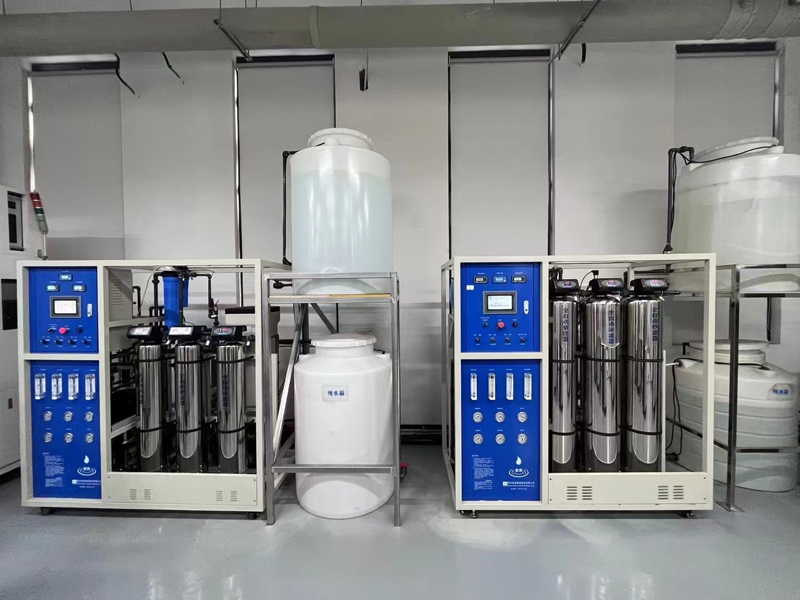
In modern industrial production, ultrapure water systems are increasingly widely used, playing a crucial role in ensuring product quality, improving production efficiency, and reducing environmental pollution. This article will elaborate on the design, construction, and advantages of industrial ultrapure water systems in practical applications, providing clients with a comprehensive and in-depth understanding.
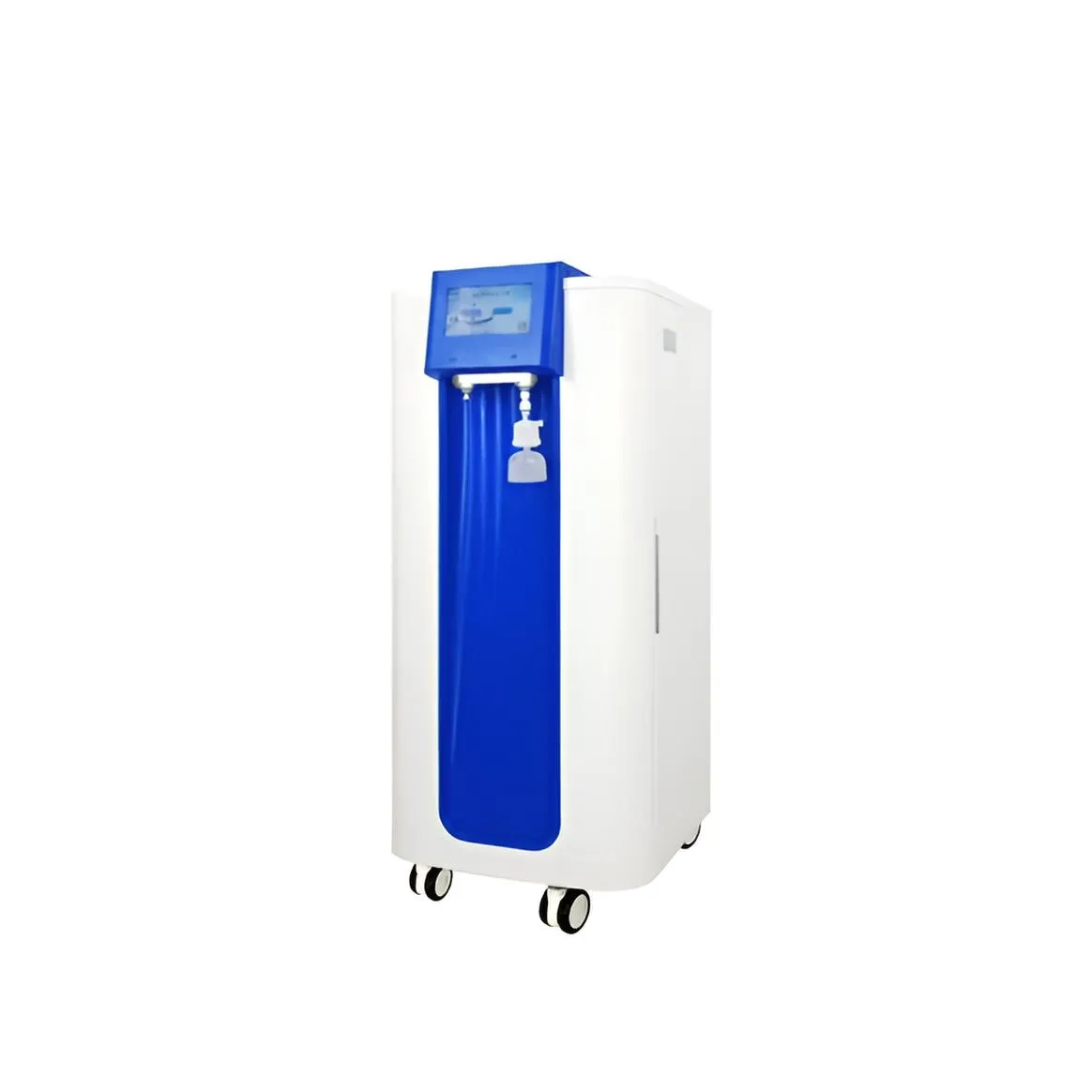
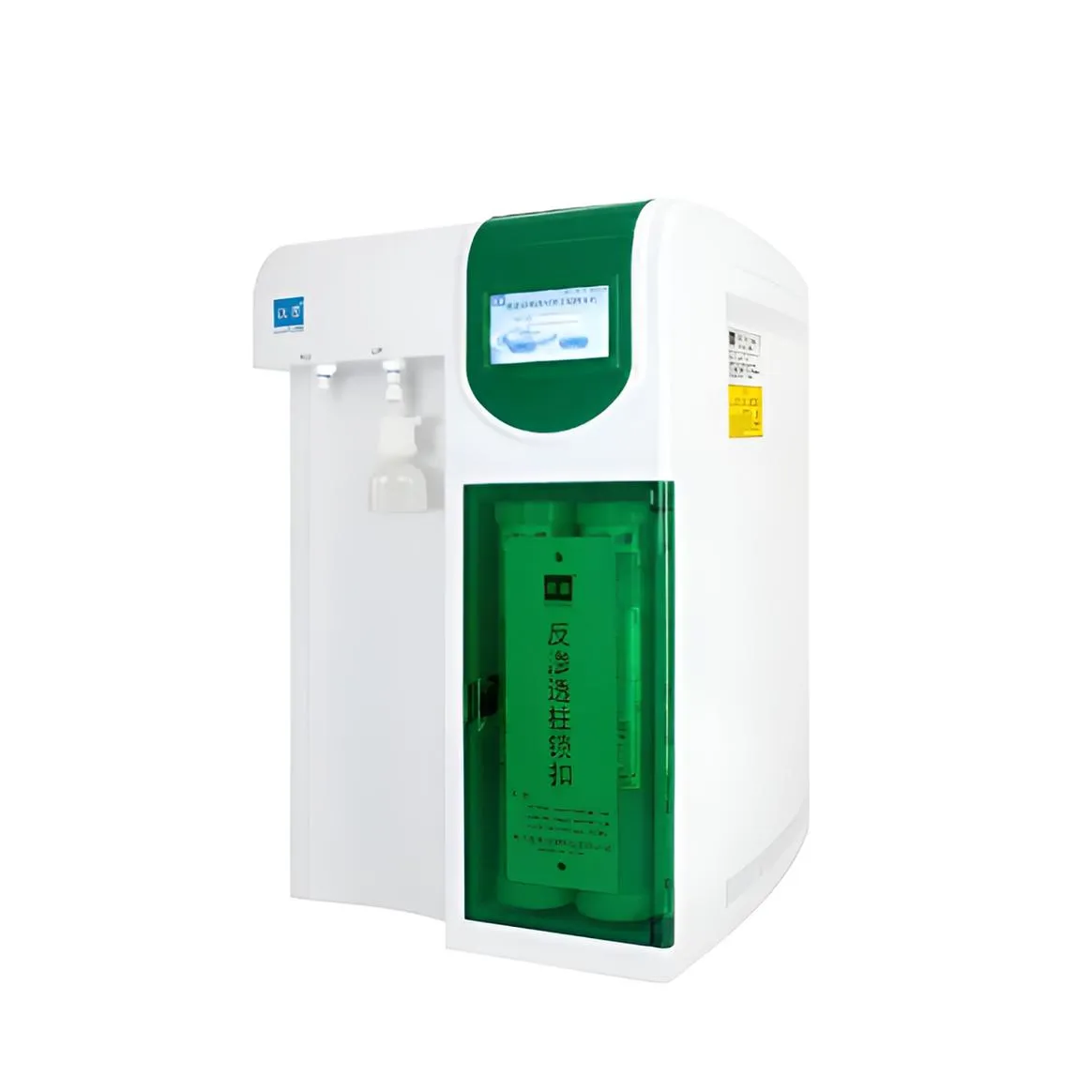
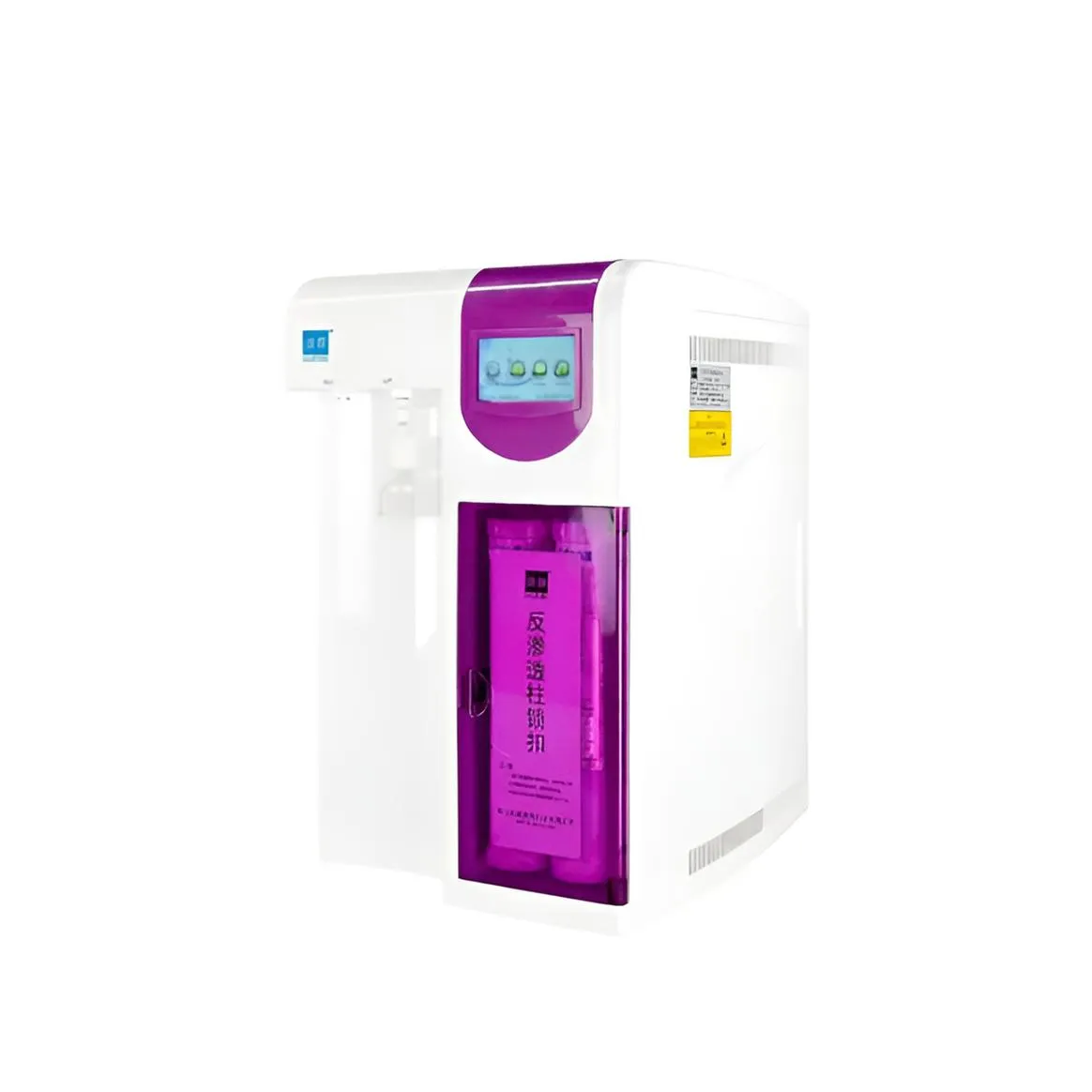
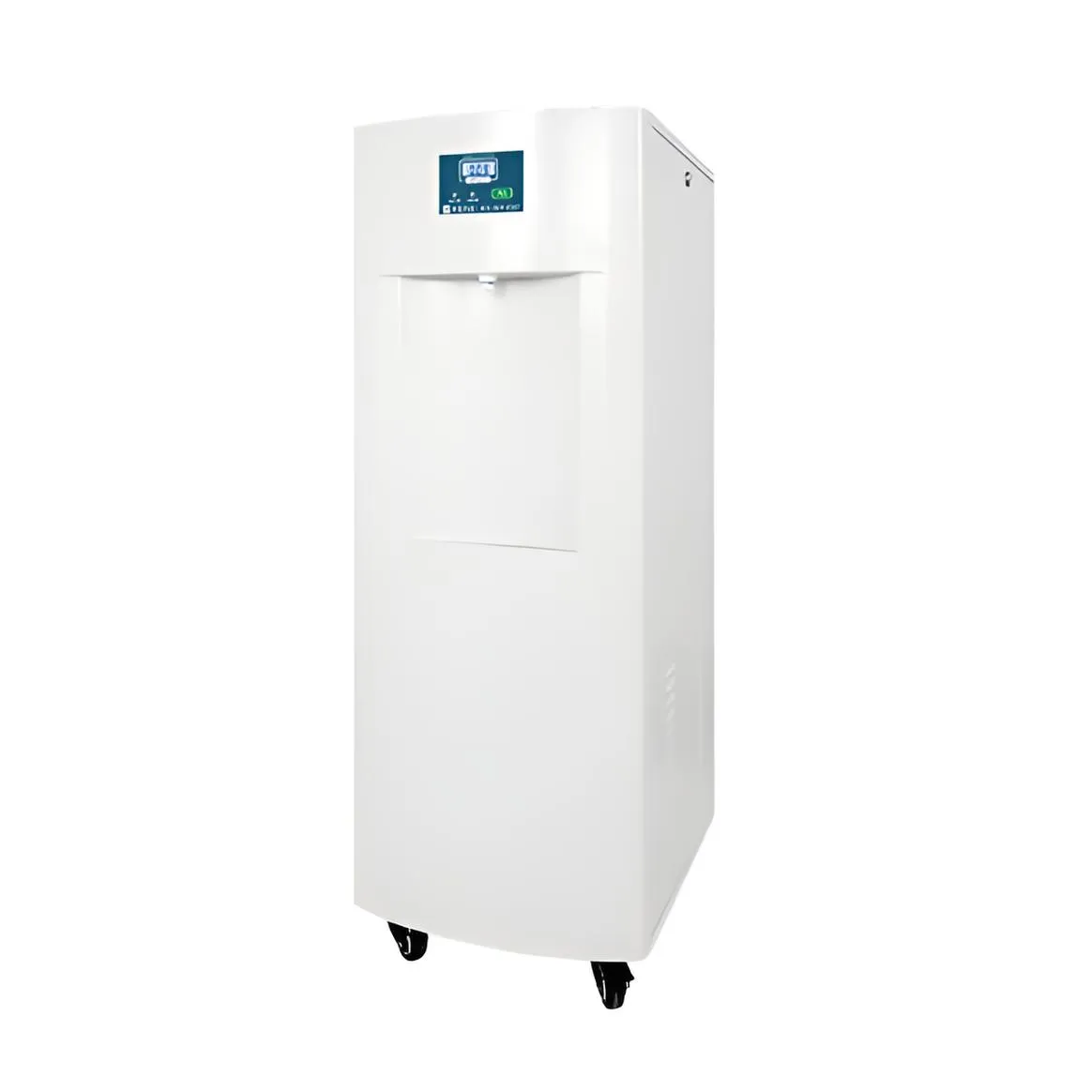
An industrial ultrapure water system is a specialized device for producing high-purity water. Through a series of physical, chemical, and biological treatment processes, it removes impurities such as ions, organic matter, and microorganisms from the water, achieving extremely high purity standards. This system is widely used in industries such as electronics, pharmaceuticals, chemicals, and power, and is key to ensuring product quality and process stability.
1. Raw Water Pretreatment Raw water pretreatment is an important component of industrial ultrapure water systems. Its purpose is to remove suspended solids, colloids, organic matter, and other impurities from the water, providing stable water quality for subsequent treatment. Common pretreatment technologies include coagulation, sedimentation, filtration, and adsorption.
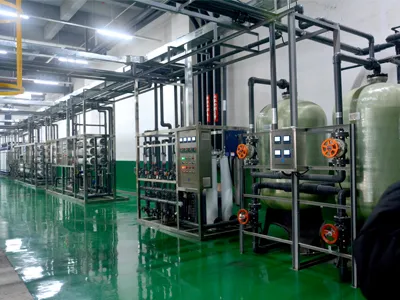
2. Ion Exchange: Ion exchange is the core treatment process in industrial ultrapure water systems. It removes ionic impurities such as sodium, calcium, magnesium, and chlorine from water using ion exchange resins. This process effectively reduces the conductivity of water and improves its purity.
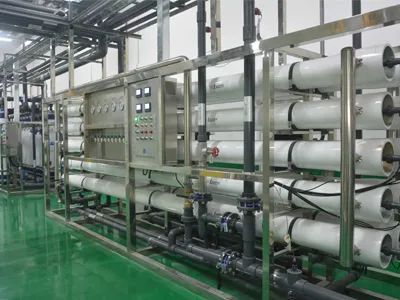
3. Reverse Osmosis: Reverse osmosis technology utilizes the selective permeability of a semi-permeable membrane to retain dissolved substances, colloids, microorganisms, and other impurities on one side of the membrane, thus purifying the water. Reverse osmosis technology is highly efficient, energy-saving, and environmentally friendly, making it an indispensable part of industrial ultrapure water systems.
4. Terminal Treatment: Terminal treatment mainly includes processes such as ultraviolet disinfection and ozone oxidation, aiming to remove bacteria, viruses, and other microorganisms from the water to ensure that the effluent meets ultrapure water standards.
1. Equipment Selection: In the construction of industrial ultrapure water systems, appropriate equipment needs to be selected based on actual requirements. This includes raw water pretreatment equipment, ion exchange equipment, reverse osmosis equipment, and terminal treatment equipment. Equipment selection should fully consider factors such as water quality, water quantity, and operating costs.
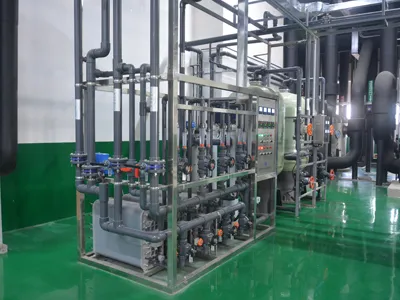
2. System Layout The system layout should adhere to the principles of rationality, compactness, and ease of maintenance. When arranging equipment, factors such as the floor space occupied by the equipment, the connection of inlet and outlet water pipes, and electrical controls should be fully considered to ensure stable system operation.
3. Installation and Commissioning After system installation, rigorous commissioning is required. This includes checking the installation quality of the equipment, the sealing of pipe connections, and the reliability of electrical controls. Simultaneously, comprehensive performance testing of the system is necessary to ensure that the effluent water quality meets ultrapure water standards.
1. Improved Product Quality Industrial ultrapure water systems can produce high-purity water, providing stable and reliable production water for industries such as electronics and pharmaceuticals. This helps improve product quality and performance, meeting market demands.
2. Reduced Production Costs Through the application of industrial ultrapure water systems, enterprises can significantly reduce production costs. This includes reducing water consumption and wastewater discharge, and lowering equipment maintenance costs. Furthermore, the stable operation of the system can improve production efficiency, further reducing production costs.
3. Environmentally Friendly and Energy-Saving Industrial Ultrapure Water Systems: Utilizing advanced treatment technologies, industrial ultrapure water systems effectively remove harmful substances from water, reducing environmental pollution. Simultaneously, the systems themselves are energy-efficient, employing technologies such as the high efficiency of reverse osmosis and the absence of chemical additives in ultraviolet disinfection. This helps enterprises achieve green production and enhance their social responsibility.
In conclusion, industrial ultrapure water systems play an increasingly important role in modern industrial production. Through proper design and construction, they can bring numerous advantages to enterprises, such as improved product quality, reduced production costs, and environmental and energy-saving benefits.