



Phone:
0086 28 87573647
+86 19150187139

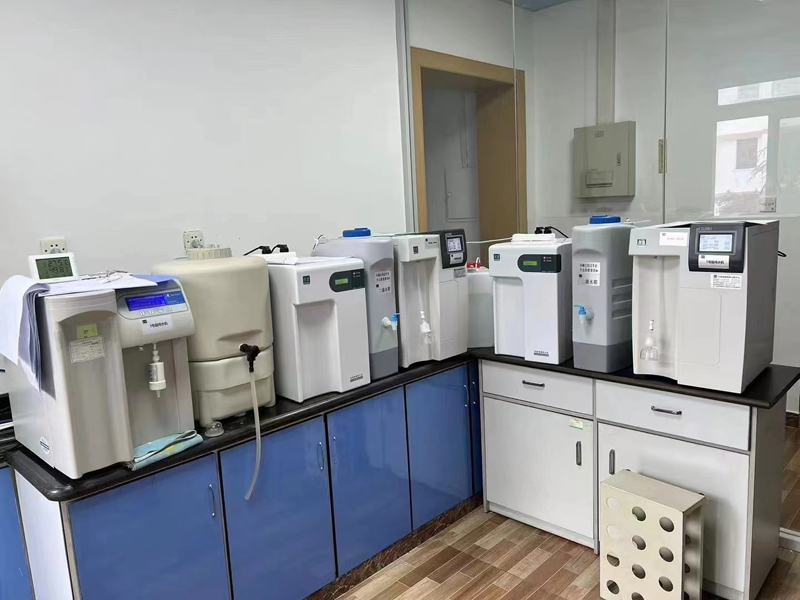
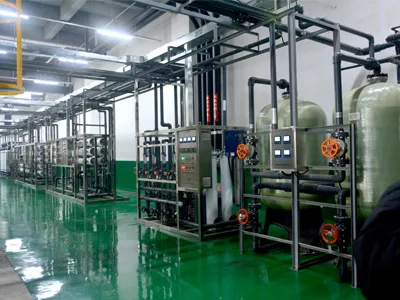
Ultrapure water systems play an indispensable role in precision manufacturing, semiconductor production, and biomedicine. This article discusses the application of ultrapure water systems in factories, including their importance, working principles, application cases, and future development trends.
In industrial production, water is a crucial raw material and medium, and its quality directly impacts product quality and production efficiency. Ultrapure water systems remove various impurities from water, providing a high-quality water source for the production process, thereby ensuring product stability and reliability. Furthermore, ultrapure water systems can effectively extend equipment lifespan, reduce maintenance costs, and improve production efficiency.
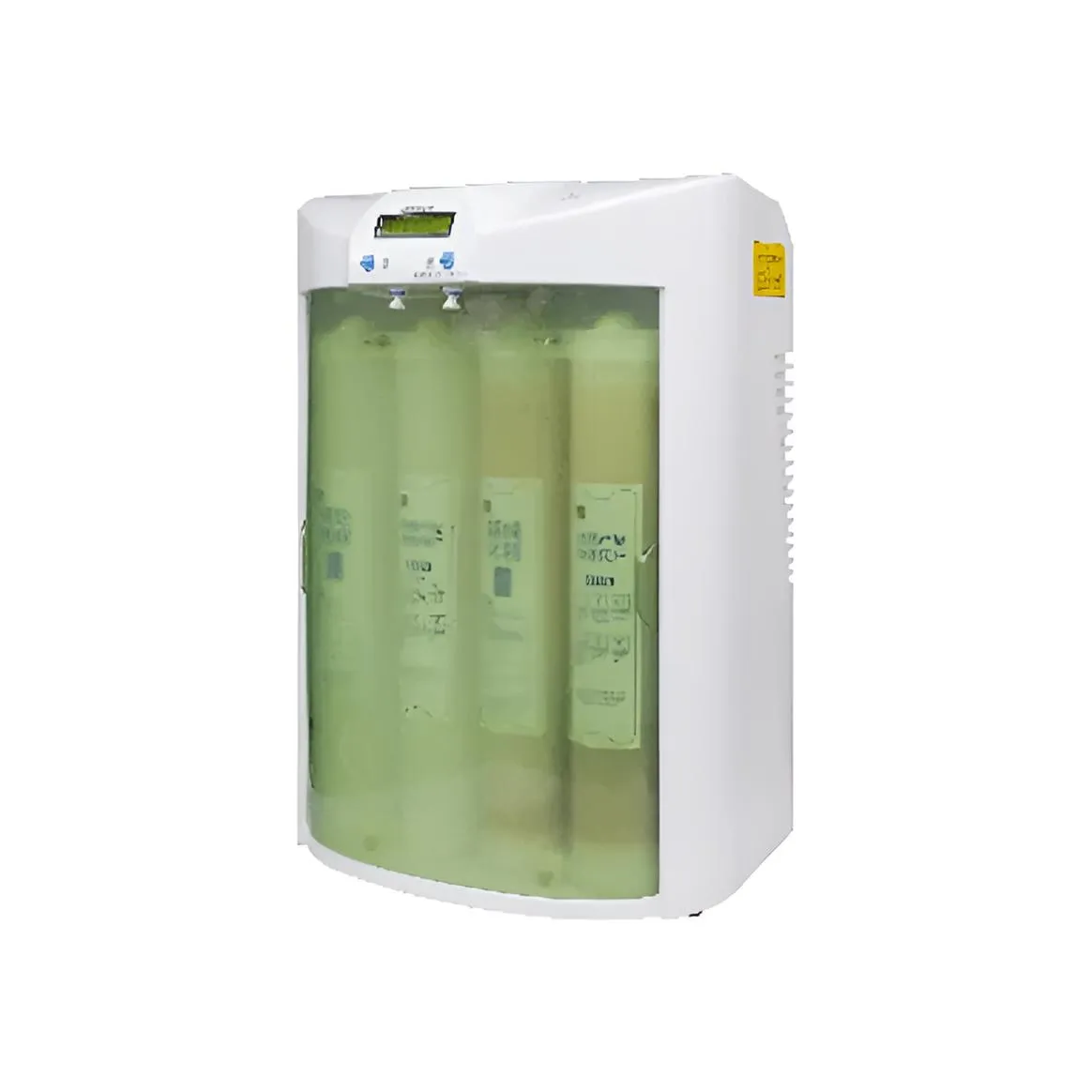
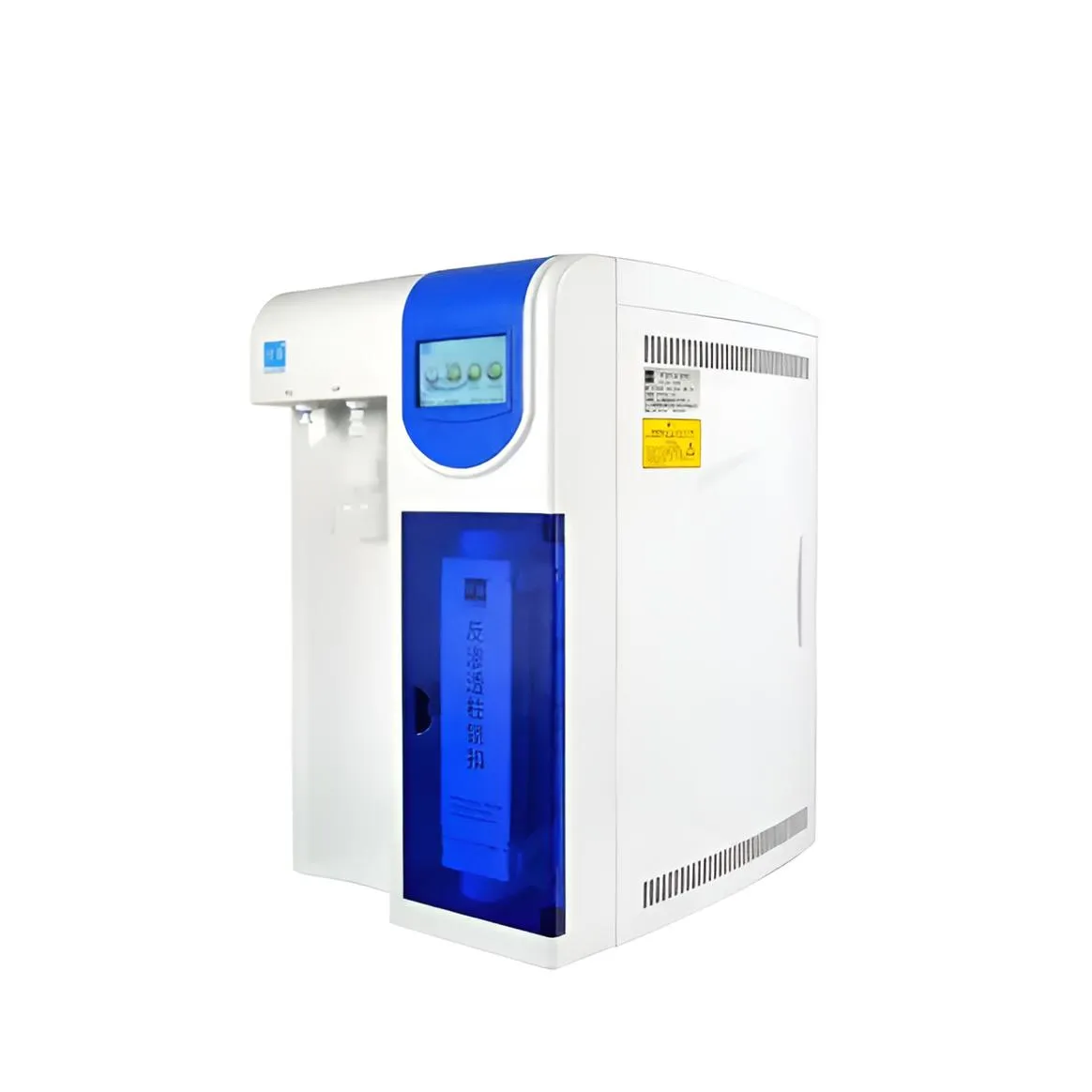
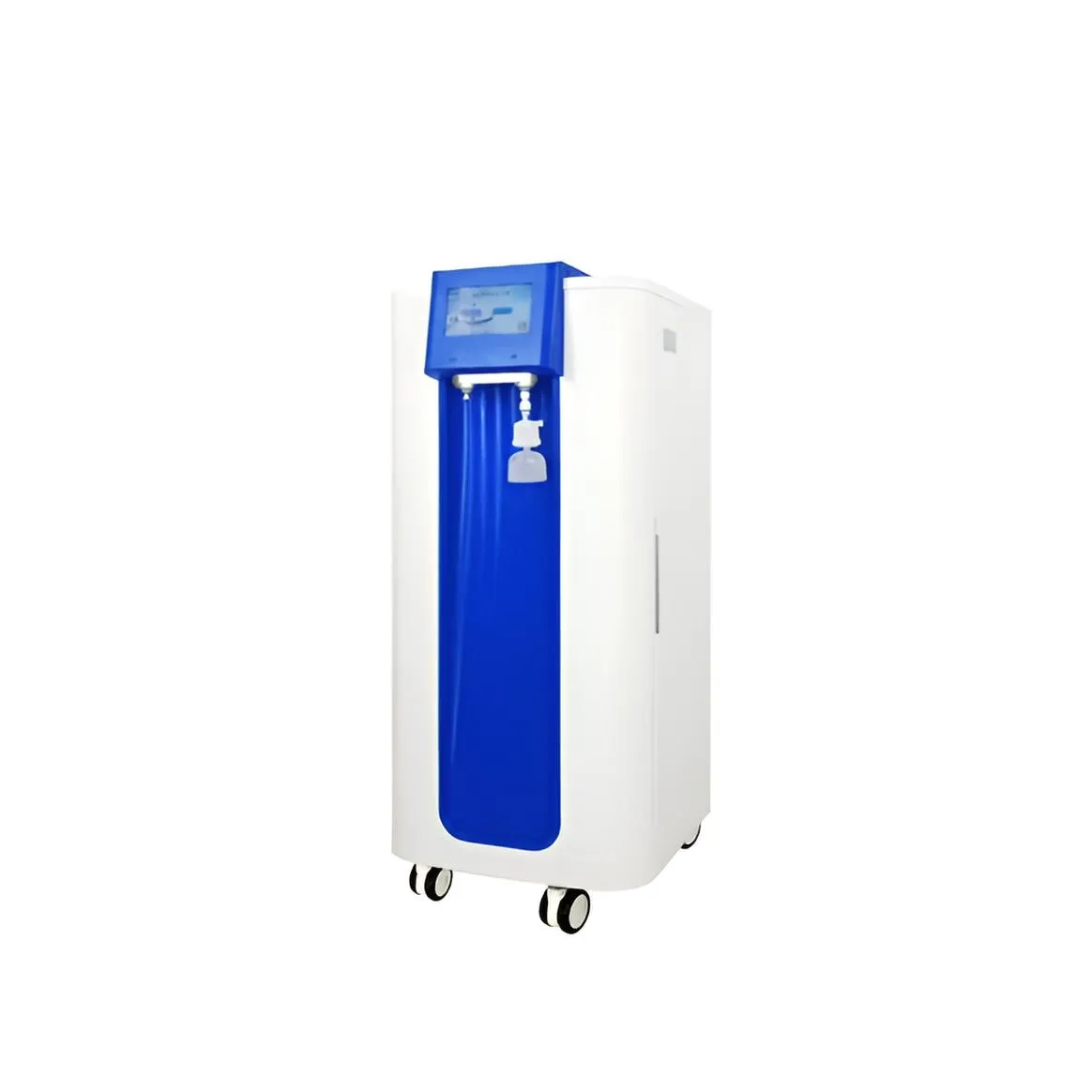
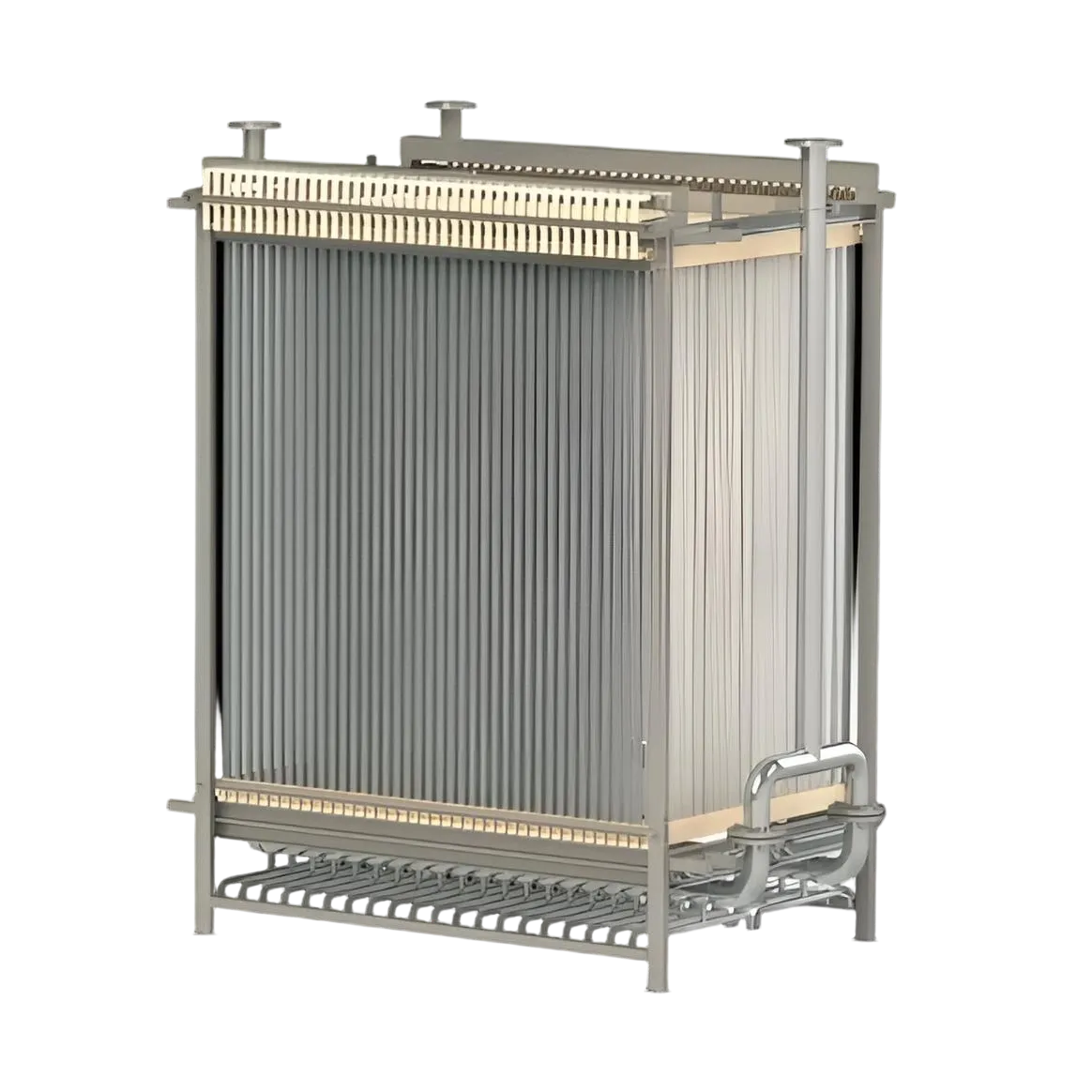
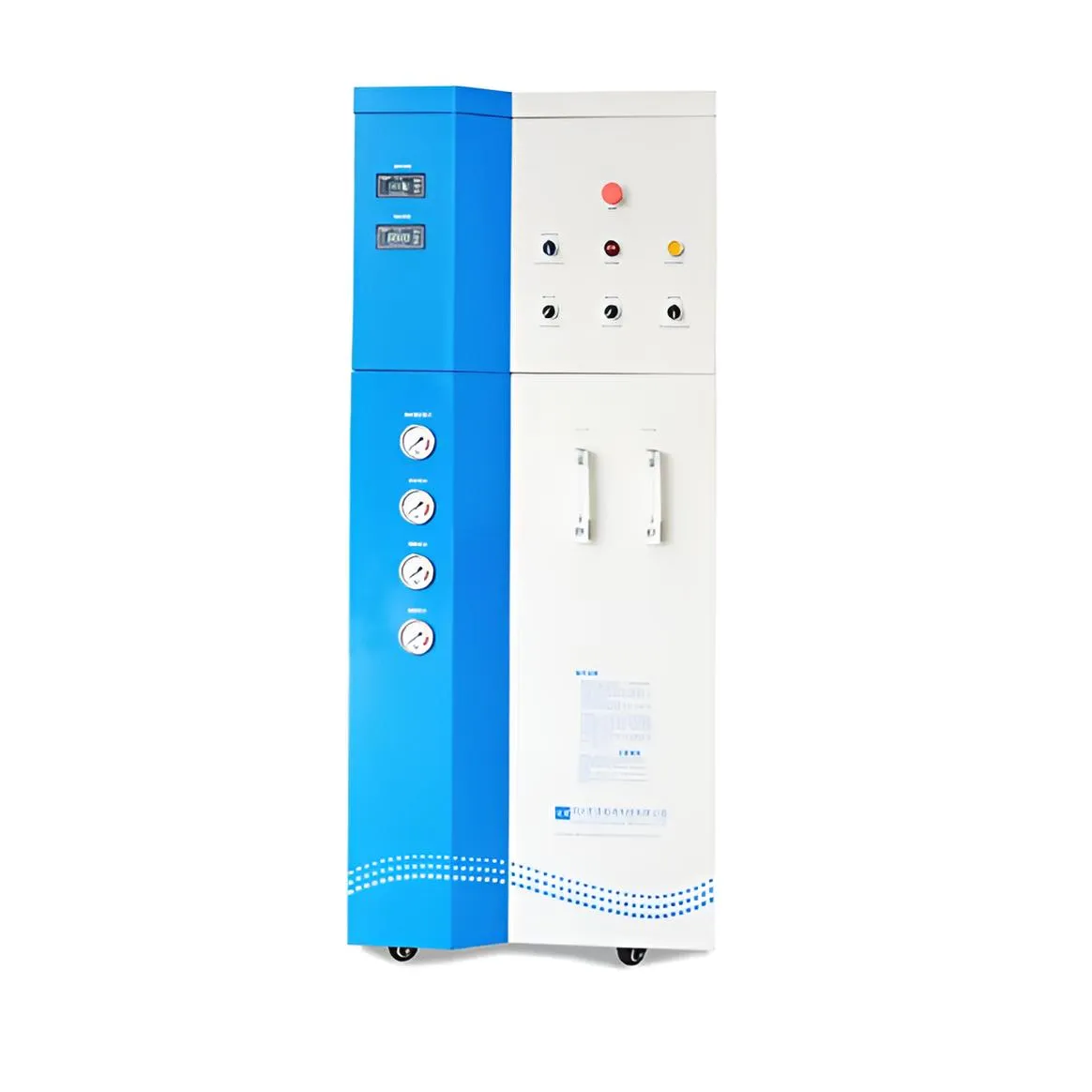
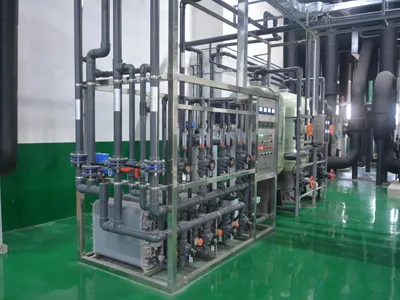
Ultrapure water systems typically employ multi-stage filtration and ion exchange technologies. Raw water undergoes pretreatment, reverse osmosis, and electrodeionization (EDI) to progressively remove impurities. The pretreatment stage primarily removes suspended solids, colloids, and other particulate impurities. Reverse osmosis technology uses the selective permeability of semi-permeable membranes to remove dissolved impurities and ions. Electrodeionization technology utilizes an electric field to further remove ions and microorganisms from the water. Water treated through these steps achieves extremely high purity standards, meeting the needs of industrial production.
1. Semiconductor Manufacturing
In semiconductor manufacturing, ultrapure water is widely used in processes such as cleaning, etching, and photolithography. Because semiconductor materials have extremely high requirements for water quality, even the smallest impurities can seriously affect product quality. Therefore, ultrapure water systems provide a reliable water source for semiconductor production, ensuring product stability and reliability.
2. Biopharmaceuticals
In the biopharmaceutical field, ultrapure water is used in the preparation, dilution, and washing of pharmaceuticals. Since pharmaceuticals also have stringent water quality requirements, ultrapure water systems provide a high-quality water solution for the biopharmaceutical industry. For example, in genetic engineering and biopharmaceutical processes, ultrapure water systems can ensure the purity of the cell culture environment, thereby improving cell growth efficiency and product yield.
3. Precision Manufacturing
In precision manufacturing, ultrapure water is used in processes such as cleaning, cooling, and lubrication. Because precision manufacturing requires extremely high precision and stability from equipment, ultrapure water systems provide a high-quality water supply for these devices. For example, in the production of optical instruments and precision machinery, ultrapure water systems ensure product cleanliness and precision, thereby improving product quality and competitiveness.
In the future, ultrapure water systems will continue to play a vital role, providing higher quality and more efficient water solutions for industrial production.