







Phone:
0086 28 87573647
+86 19150187139


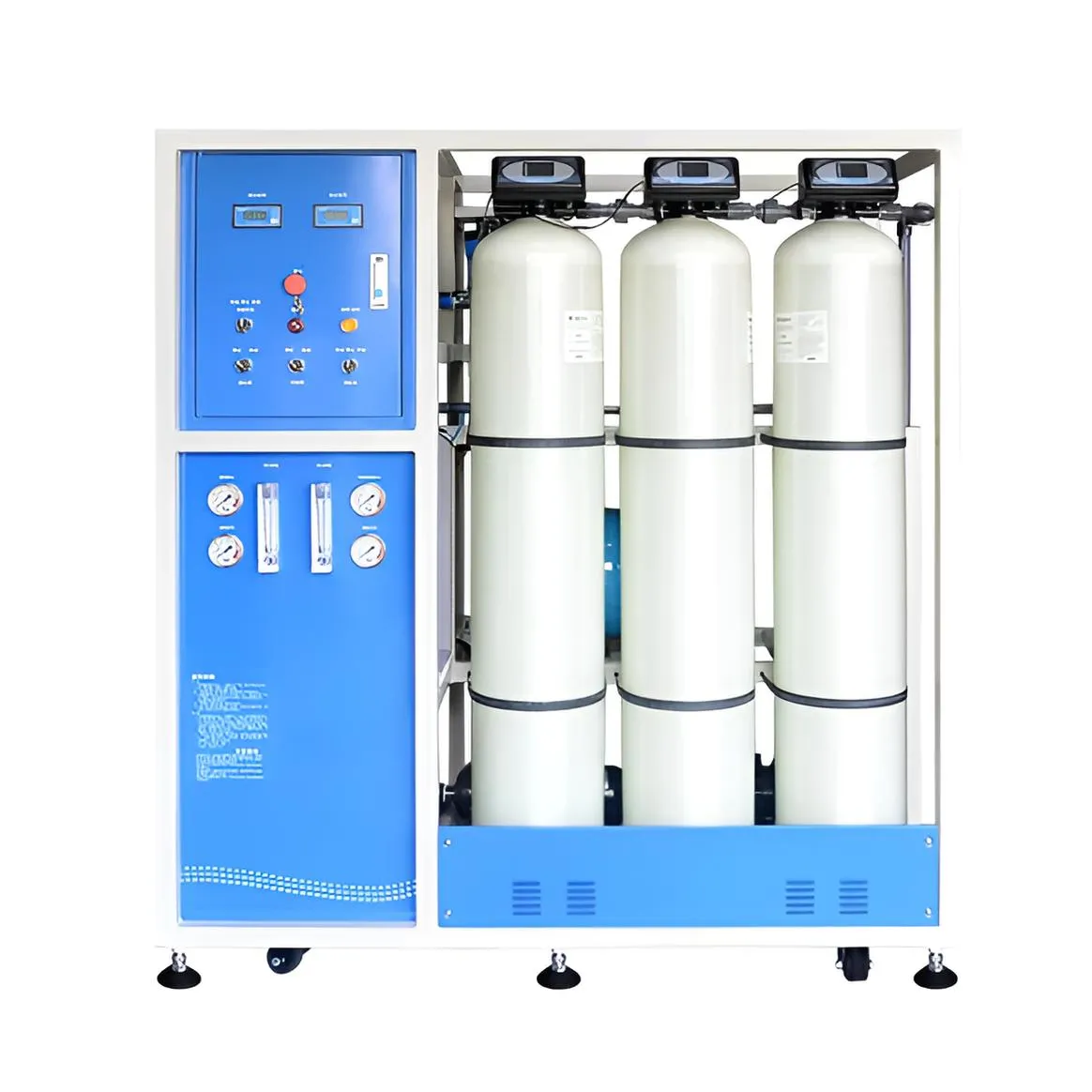
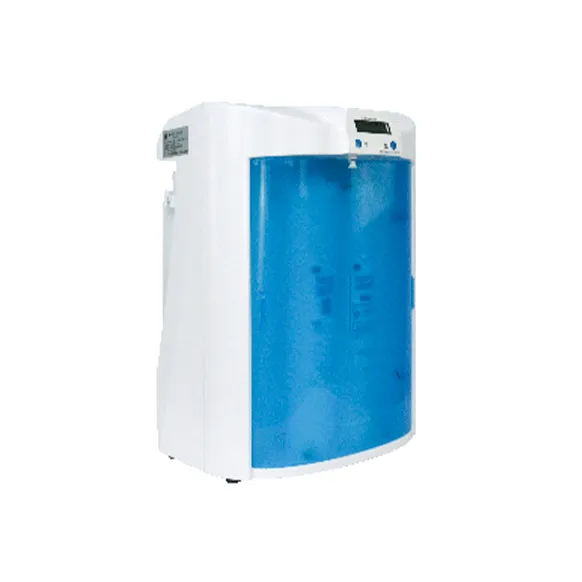
As August draws to a close and the new school year approaches, it's not as simple as just plugging in your ultrapure water system after a summer break. To ensure stable performance and water quality, some checks and preparations are necessary.
1. External Inspection: First, inspect the ultrapure water system for signs of dust accumulation, corrosion, or damage. Gently wipe the machine body with a soft cloth and appropriate cleaning agent (avoid using strong corrosive chemicals) to ensure a clean appearance.
2. Internal Cleaning: After prolonged periods of disuse, bacteria or impurities may accumulate in the internal pipes, filters, and water tanks of the ultrapure water system. Therefore, a thorough cleaning must be performed according to the equipment manual. This typically includes automatic flushing, removing replaceable filters, and draining the first tank of water.
1. Power Supply Check: Check that the power cord is intact. Power On: Observe whether the equipment starts normally, whether the indicator lights illuminate, and whether there are any abnormal sounds or odors.
2. Control System Check: Check whether the settings of the ultrapure water system used to monitor parameters such as water quality and flow rate are still accurate.
3. Water Quality Monitoring: After restarting, continuously monitor the quality of the produced water to ensure that all indicators (such as conductivity, total organic carbon, and microbial content) meet the predetermined standards. If the water quality is found to be substandard, stop the machine and check.
After prolonged periods of inactivity, even if the filter cartridge appears intact, it may lose its filtering effect due to excessive internal adsorption of impurities. Therefore, it is recommended to replace the filter cartridge according to the equipment manual or the manufacturer's recommended schedule.
1. Flow Rate Test: After restarting, if the flow rate is too low or too high, it may be caused by pipe blockage, pump performance degradation, etc., and should be investigated and addressed promptly.
2. Stability Test: After the equipment has run continuously for a period of time (at least 24 hours is recommended), monitor the water quality again to assess the stability and reliability of the equipment. At the same time, observe the equipment for any abnormal phenomena during operation, such as leaks or increased noise.
If the water quality does not reach the normal operating range after the above operations, please contact a U-Power professional technical service engineer for equipment maintenance immediately!





